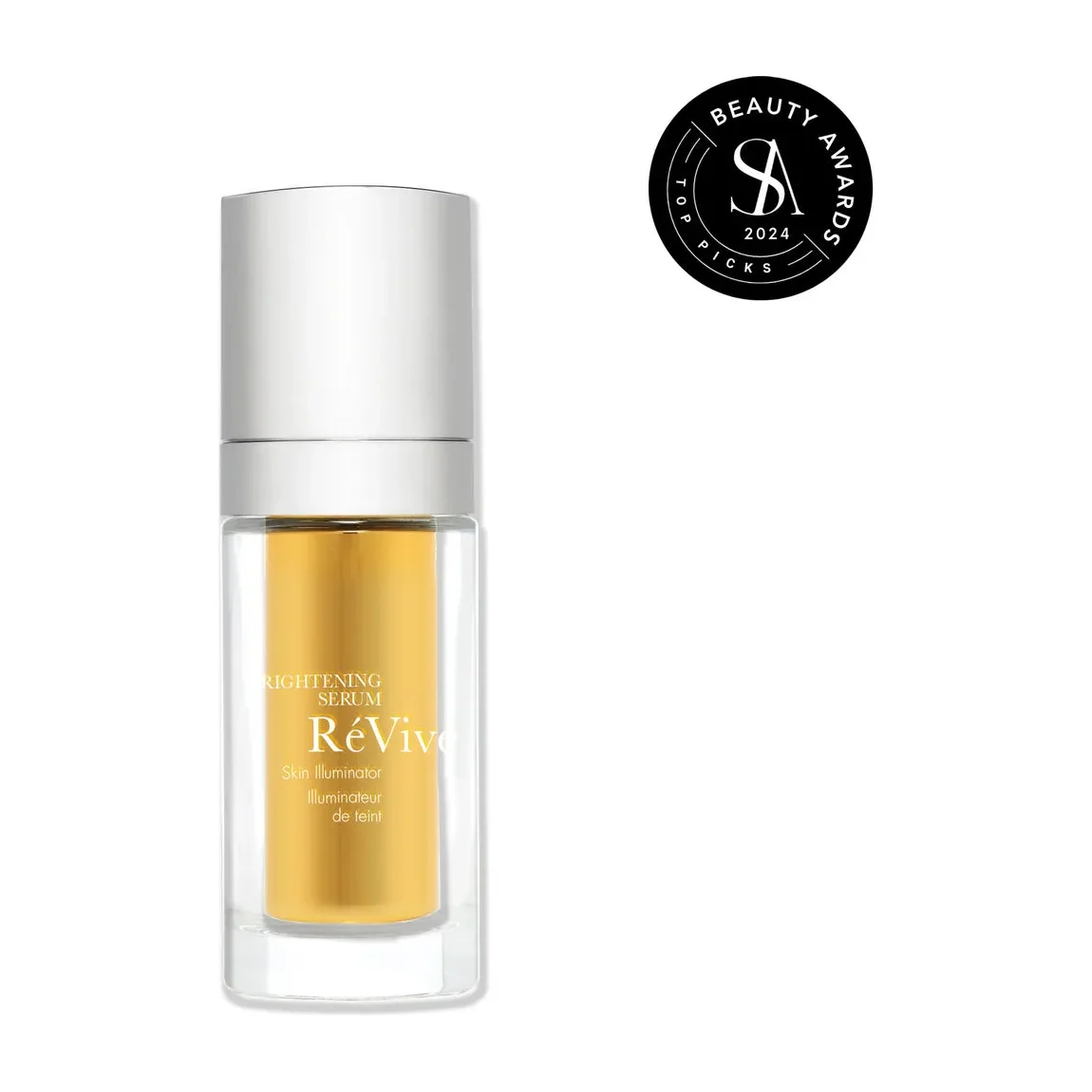
The brightening serum category has a violence problem. Fifteen percent vitamin C at pH 3.5. Twenty percent niacinamide. Glycolic acid at concentrations that would make a dermatologist wince. The logic seems to be that if a little brightening active is good, more must be better — and the redness, peeling, and barrier damage that follow are just the price of luminous skin. Byoma looked at this arms race and decided not to participate.
The Brightening Serum takes a deliberately moderate approach. Niacinamide at roughly four to five percent — not ten, not fifteen, not the aggressively high concentrations that some brands wear as a badge of honor. Ascorbic acid at a supporting concentration, enough to contribute tyrosinase inhibition without the pH-driven irritation of high-dose L-ascorbic acid serums. Lactic acid as a gentle exfoliating aid, not a resurfacing treatment. And underlying all of it, the signature tri-ceramide complex that ensures the barrier stays intact while the brightening actives do their work.
This approach is grounded in something that the brightening category often ignores: a compromised barrier makes hyperpigmentation worse. When the skin barrier is damaged — by harsh products, UV exposure, or inflammatory conditions — post-inflammatory hyperpigmentation is more likely and more persistent. Treating pigmentation by further stressing the barrier creates a vicious cycle. By delivering brightening actives alongside genuine barrier-repair ingredients, Byoma breaks that cycle from both directions.
The niacinamide is the workhorse. At four to five percent, it is in the sweet spot identified by dermatological research — the concentration range where clinical studies have demonstrated significant improvements in uneven skin tone, hyperpigmentation, and barrier function. Going higher does not proportionally improve results but does increase the risk of niacinamide flush — that temporary redness and tingling that high-concentration niacinamide serums can produce. Byoma's restraint here reflects an understanding of the dose-response curve that many brands disregard.
The ascorbic acid plays a supporting but meaningful role. As a tyrosinase inhibitor, it attacks pigmentation production at the enzymatic level, while niacinamide works downstream by blocking melanosome transfer. These two mechanisms are complementary — targeting different stages of the melanin pathway means better results at lower individual concentrations. The squalane and tocopherol in the formula provide antioxidant stabilization for the ascorbic acid, extending its efficacy beyond what pure L-ascorbic acid in water can achieve.
The ceramide complex in a brightening serum is Byoma's signature philosophical statement. Ceramide NP, cholesterol, and phytosphingosine — the same trio in the mist, the cleanser, every product in the line — provide structural lipid support that keeps the barrier functional while the actives penetrate. Hydrogenated lecithin helps deliver these lipids into the stratum corneum rather than leaving them sitting on the surface. The result is a serum that treats the skin and protects it simultaneously.
Sodium hyaluronate adds the hydration dimension. A hydrated stratum corneum is more permeable to active ingredients and less prone to the micro-inflammation that drives post-inflammatory hyperpigmentation. The HA ensures that the niacinamide and ascorbic acid have optimal conditions for absorption and activity.
The texture is nearly invisible — a watery gel that disappears into skin within seconds. No stickiness, no film, no residue. It layers beautifully under moisturizer, sunscreen, and makeup. For a serum with this many active ingredients, the elegant, minimal feel is impressive. You could use it twice daily without ever feeling like you were wearing a product.
Results are gradual, which is both the honest truth and the price of gentleness. Immediate radiance is visible from the first application — the niacinamide and hyaluronic acid create a light-reflecting hydration effect that makes skin look healthier right away. Actual pigmentation reduction starts to become visible at four to six weeks, with meaningful improvement in dark spots and overall evenness developing over eight to twelve weeks. This is not a product that will dramatically transform your skin in a week. It is a product that will meaningfully improve it over a season, without damaging anything in the process.
The formula is impeccably clean from an irritation standpoint. No fragrance. No alcohol. No essential oils. No common allergens. Twenty-five ingredients, each serving a clear purpose in either the active, delivery, or stabilization system. For people with sensitive skin who have been told they cannot use brightening products, this serum is a quiet revelation.
At sixteen dollars for roughly two to three months of supply, the value is exceptional. Comparable multi-active brightening serums with ceramide technology from established brands cost forty to sixty dollars. The refill option reduces ongoing costs further. Byoma's emerging-brand status means less track record than legacy options, but the formulation science is sound and the clinical testing supports the brightening claims.
This is a serum for people who have learned the hard way that more is not always better. For those who burned their face with high-dose vitamin C, flushed from concentrated niacinamide, or stripped their barrier chasing brightness — this is the gentler, smarter path to the same destination. It just takes a little longer to get there, and your barrier arrives intact.