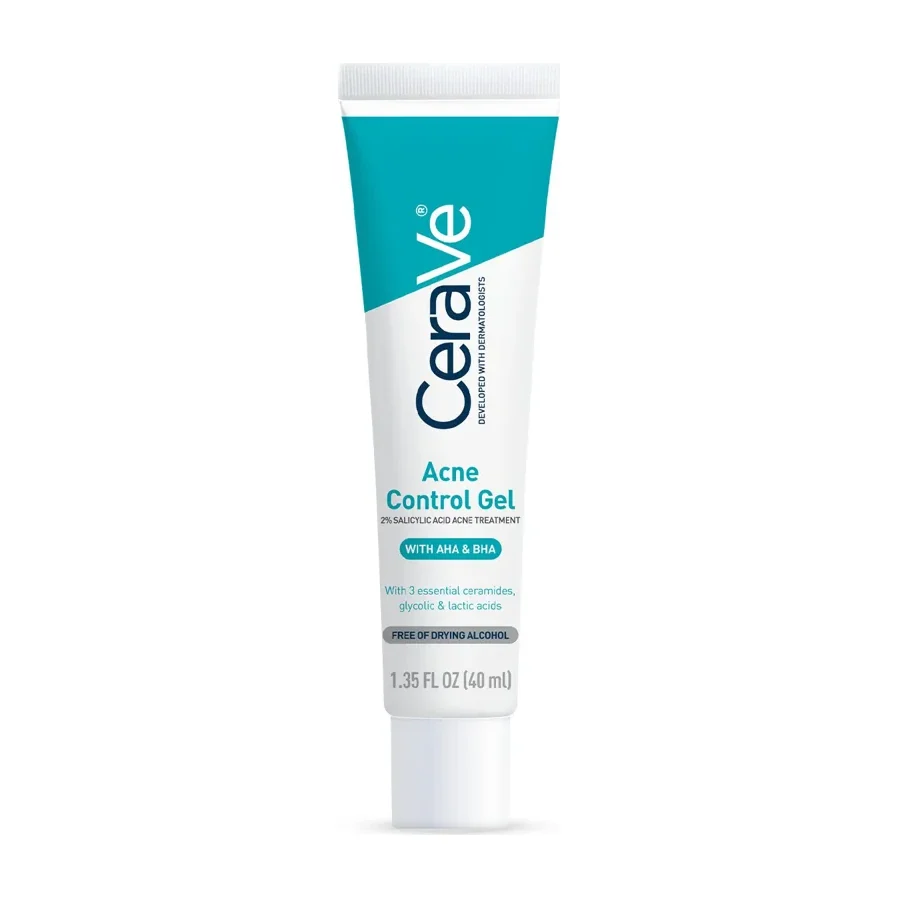
The science
The formula combines two actives with established acne evidence at doses chosen for daily leave-on use. Salicylic acid is a lipophilic beta-hydroxy acid that partitions into sebum, penetrates the follicular infundibulum and reduces corneocyte cohesion, thinning the microcomedones that precede visible lesions; the 2024 American Academy of Dermatology guidelines include topical salicylic acid among recommended acne treatments while rating the evidence as low-certainty and placing it below benzoyl peroxide and retinoids (https://pubmed.ncbi.nlm.nih.gov/38300170/). Its efficacy depends on residence time rather than concentration alone, which is the rationale for a 1.2 percent leave-on: applied once or twice daily and left on, it achieves follicular exposure that a 2 percent rinse-off cannot, with a lower rate of the dryness and peeling that limit full-strength leave-ons. Niacinamide at 2 percent has a separate evidence base in inflammatory acne, where topical 4 percent formulations have performed comparably to topical clindamycin in small trials, and in hyperpigmentation, where it inhibits melanosome transfer to keratinocytes; at 2 percent its anti-inflammatory and barrier-supporting effects are plausible and its pigment effect modest, consistent with the gradual fading of post-acne marks the manufacturer reports. Zinc PCA contributes zinc ions with documented mild sebosuppressive and anti-inflammatory activity, and dipotassium glycyrrhizate is a well-characterised anti-inflammatory licorice derivative. The Lactobacillus ferment postbiotic rests on emerging evidence that bacterial lysates can dampen inflammatory signalling in keratinocytes, but no clinical data support a microbiome effect from this lotion, and its position near the end of the list indicates a small dose. The humectant-rich, oil-free, silicone-smoothed base is designed to offset the acid's drying effect and is why the product functions as a moisturizer; the same emollient-silicone system may account for the congestion a minority of users report, a recognised idiosyncratic response to occlusive-leaning bases on acne-prone skin. Menthol at a low level provides transient cooling via TRPM8 activation and is the formula's principal sensory irritant. The manufacturer's eight-week, seventy-six-subject study is unpublished and uncontrolled, so its figures for clearing and mark reduction should be read as consumer-perception data rather than clinical efficacy.
References 1 ShowHide
- Guidelines of care for the management of acne vulgaris — Journal of the American Academy of Dermatology (2024)