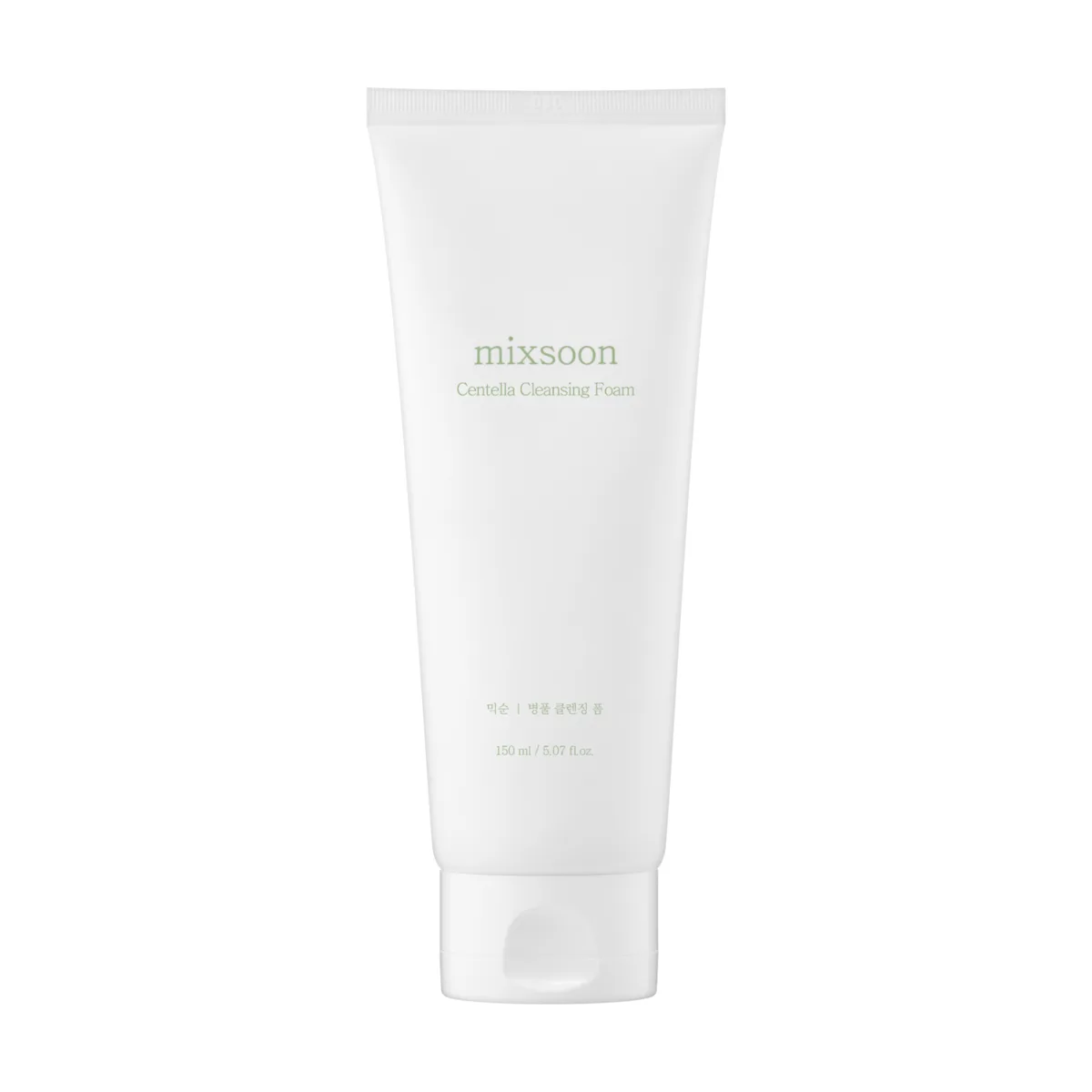
For most of its history, Thayers made one thing: witch hazel preparations. The brand's reputation, built across nearly two centuries, was based on a single insight — that gentle was better than aggressive, that hydrating was better than stripping, and that botanical extracts could do real work without harshness. When the brand finally launched a cleanser line in 2022, the obvious risk was getting the formula wrong and undoing all of that with a face wash that left skin tight and squeaky after rinsing. They didn't. The pH Balancing Daily Cleanser is one of the more thoughtfully formulated gentle drugstore cleansers on the market right now, and it's exactly the kind of product the witch hazel customer was already implicitly asking for.
The surfactant system is where the formula earns its grade. Most drugstore cleansers at this price point use sulfates (sodium lauryl sulfate or sodium laureth sulfate) for cost reasons — they foam aggressively, clean cheaply, and leave that signature post-wash tightness that's actually a sign of barrier disruption. Slightly better drugstore cleansers use cocamidopropyl betaine alone, which is milder but tends to leave a residue. Thayers went a level higher and built this formula around a combination of caprylyl/capryl glucoside, coco-betaine, disodium cocoyl glutamate, and sodium cocoyl glutamate — a stack of glucoside and amino-acid-based surfactants that's typically reserved for prestige or Korean cleansers. The result is a gel that breaks into a soft, low-density foam when you massage it with water, removes oil and debris efficiently, and rinses cleanly without the slippery residue or the tightness that defines lower-quality formulas.
The second smart move is putting aloe juice in the second slot of the INCI, ahead of glycerin. Aloe vera is doing real humectant and soothing work here, and at that high a position on the ingredient list, it's not a token marketing inclusion — it's a meaningful share of the formula. Combined with glycerin in the third slot and a small amount of sodium hyaluronate further down, the formula leaves a faint hydrating film on the skin after rinsing that you can feel even before you apply your toner. That's the whole game with gentle cleansers: the difference between a face wash that leaves you reaching for moisturizer immediately because your skin is uncomfortable, and one that leaves you with thirty seconds to actually pick up your bottle without panic.
The pH balance is real. At approximately 5.5, this matches the skin's natural acid mantle and avoids the alkaline shock that high-pH foaming cleansers can cause. For users layering acids (vitamin C, AHAs, BHAs, niacinamide) in the rest of their routine, a pH-balanced cleanser is genuinely useful because it doesn't disrupt the surface chemistry your treatments are working on. This isn't marketing fluff — it's a meaningful technical detail that affects how the rest of your routine performs.
Where I'd push back on the marketing slightly is the salicylic acid claim. The formula does contain salicylic acid, but at the position it sits in the INCI (between potassium sorbate and sodium hyaluronate, well below 0.1%), it's functioning as a preservative and a very mild oil-soluble cleansing aid — not as a BHA treatment. If you're buying this expecting the salicylic acid to clear breakouts, you'll be disappointed. It won't, and it's not designed to. Treat it as a gentle daily cleanser that happens to include a touch of salicylic acid for cleansing-aid purposes, not as a BHA treatment cleanser. For active acne care, you still need a separate BHA serum at 0.5-2% strength.
The other limitation worth naming is that this is purely a cleanser — it doesn't deliver lasting hydration, doesn't replace a moisturizer, and doesn't treat anything. It's a daily workhorse, and that's all it's trying to be. Some users come into gentle cleansers expecting a multi-functional product, and this formula doesn't pretend to be one. The 8-ounce pump bottle is also the only size available, which is fine but limits options for travel or for users who want to commit at scale. A larger refill or value size would be a welcome addition as the line matures.
What makes the value proposition compelling is the per-month cost. At twelve dollars for a bottle that lasts most users three to four months at twice-daily use, you're spending about three to four dollars a month on a daily cleanser that punches above its price tier on formulation quality. Comparable amino-acid surfactant cleansers from prestige Korean brands like Hada Labo, Innisfree, or Klairs run thirteen to twenty-five dollars for similar volume. Drugstore Western competitors like CeraVe Hydrating Cleanser are similarly priced and similarly gentle but use a different surfactant chemistry (creamy rather than gel) — they're not better or worse, just different in feel. Thayers slots in nicely as the Korean-style gel option in the drugstore tier.
Who this is for: combination, oily, normal, and sensitive skin types looking for a daily gentle gel cleanser that won't strip or disrupt the rest of their routine. Particularly good for users layering actives who want a pH-balanced cleansing step. Who it isn't for: anyone needing a treatment cleanser with real BHA exfoliation, or dry skin types who specifically want a creamy, more emollient cleanse format (the gel will work but a creamy cleanser may feel more comfortable). And don't expect it to remove heavy makeup on its own — it's not built for that.