Barrier repair has been a marketing buzzword in skincare for about a decade now, and like most marketing buzzwords it has been applied loosely. The actual clinical picture is more specific than the label promises. The stratum corneum's lipid matrix — the mortar between the cells that keeps water from escaping — is built from three ingredient classes in roughly a 3:1:1 ratio: ceramides, cholesterol, and free fatty acids. Published work on atopic dermatitis and other barrier-compromised conditions has repeatedly shown that topical formulations which replace all three components in the right ratio produce meaningful improvements in barrier function, while formulations that deliver ceramides alone — or any single component without the supporting cast — produce much weaker effects. This is the reason a lot of ceramide creams on the market do less than their labels suggest: they include the hero ingredient without the formulation architecture that makes it actually work.
This is the formulation detail that makes The Ordinary's PhytoCeramides version a notable cream. The ingredient deck is built around the full lipid picture. Phytoceramides — plant-derived ceramide precursors that integrate into the skin's lipid matrix — sit alongside the four dominant fatty acids of the stratum corneum (linoleic, oleic, palmitic, and stearic). Phytosterols from canola serve as the cholesterol-equivalent portion of the 3:1:1 triangle. The whole lipid system is then delivered in a rich emulsion base of caprylic/capric triglyceride, light esters, and hydrogenated vegetable oil that gives the cream its actual occlusive and emollient character. And on top of that lipid architecture, the formula layers the complete NMF complex — the amino acids, PCA, urea, lactate, and sugars that healthy skin produces internally — which handles the humectant side of barrier function that the lipid system alone cannot address. There is a reason this cream feels different from a standard ceramide moisturizer when you apply it. The formulation is genuinely doing more.
The relationship to the original Natural Moisturizing Factors + HA cream — The Ordinary's long-running beginner moisturizer — is important to understand. The brand's own materials describe the PhytoCeramides version as having nearly four times the emollient load and twice the humectant load of the original. That is not a casual upgrade; it is a substantially different product designed for a substantially different use case. The original is a lightweight daily moisturizer that works as a first-time barrier product for normal-to-slightly-dry skin. This version is a rich cream aimed squarely at dry, eczema-prone, and winter-compromised skin that needs more substantial lipid support and deeper humectant backup. If you tried the original and found it too light, the PhytoCeramides version is the direct and correct upgrade within the same formulation philosophy.
In practice it behaves like a proper rich cream without crossing into heavy or greasy territory. A pea-sized amount spreads over the whole face comfortably, warms into a smoother emulsion on contact, and absorbs in about a minute, leaving a cushioned satin finish. Deciem's in-house testing claims an immediate 68% increase in stratum corneum hydration after a single application — which is a specific and measurable claim rather than a vague one, though it should be read as a brand-reported figure rather than independently replicated work. In daily use it matches that story. Skin that normally feels tight after cleansing feels comfortable. Dry patches on cheeks and around the nose smooth out within a few days. Flaking on the forehead and jaw improves visibly within a week. And — perhaps most usefully for anyone running an actives-heavy routine — retinoid dryness and the irritation budget of acid toners both become significantly more tolerable when this cream is doing the barrier work underneath.
Where it earns its strongest recommendation is as a retinoid-support moisturizer for people in the awkward phase of building up retinoid tolerance. The combination of a full lipid architecture and a proper humectant complex is exactly what retinoid-irritated skin needs, and the price is low enough that using it generously does not feel wasteful. People who have bounced off retinoids repeatedly because of dryness and flaking often have much better luck on their next attempt when this kind of cream is built into the routine as the moisturizer step. The same logic applies to acid routines, prescription treatments, and any period when the barrier needs extra support — the cream's job is to make the rest of the routine work without collateral damage, and it does that well.
The limits are the obvious ones for a rich barrier cream. It is too much for oily skin to wear comfortably, at least in warm weather, and combination skin types may find it heavier than needed outside of winter. It is fragrance-free and clinical in its sensory profile, which is a feature for sensitive-skin users and a miss for people who want body-lotion-style indulgence. The jar packaging is a valid point of critique from a formulation-stability standpoint — phytoceramides and unsaturated fatty acids oxidize when exposed to air — though the cream usually gets used up fast enough, and kept lidded enough, that practical oxidation is not a real problem for most users. A clean spatula or clean fingertips handle the jar hygiene question. And for users in active severe eczema flares, this cream is a good daily maintenance layer but not a substitute for heavier occlusive ointments on acutely flared patches.
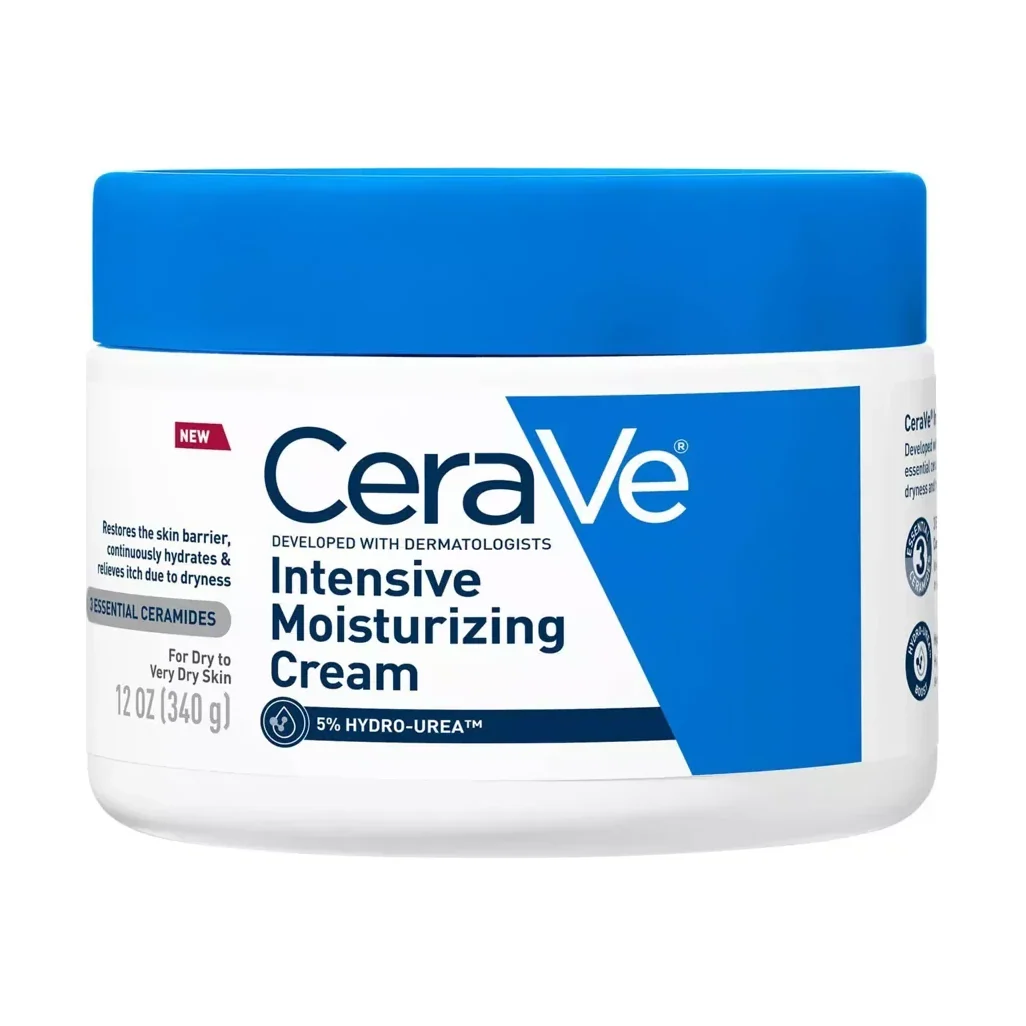
At $22.50 for 100 mL, the value proposition is strong. Dermatologist-brand barrier creams with comparable formulations routinely run $45–$80 for similar or smaller volumes, and most of them are not materially better engineered — the advantage of those brands is often the clinical packaging and brand trust rather than the formulation itself. Pharmacy-brand ceramide creams like Cerave and Eucerin are price-competitive, but few of them deliver the full lipid triangle plus a complete NMF complex in one product. For the specific use case of dry, barrier-compromised, or actives-fatigued skin, this is one of the easiest value picks in the moisturizer category. It is the kind of cream that earns its place in a routine by doing real formulation work — not by marketing itself as doing real formulation work. In a category where those two things are often confused, that distinction is what makes this cream worth recommending.