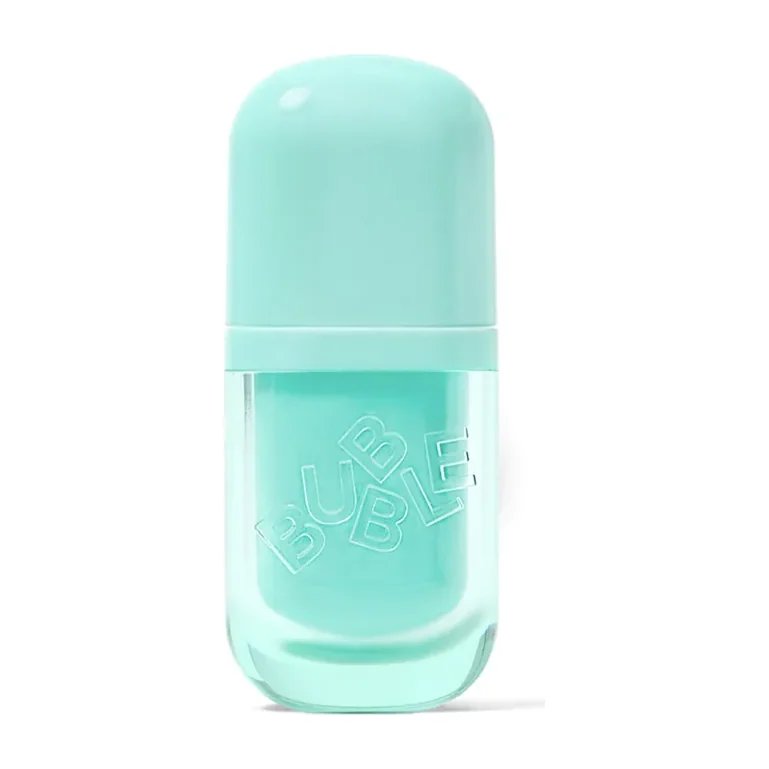
TikTok-viral skincare usually deserves skepticism. The algorithm rewards aesthetic, packaging, and the kind of dramatic before-and-after content that has roughly nothing to do with formulation quality. Slick Salve is the rare exception — a product that became viral because it looked good in a phone camera, but kept selling because it actually worked. The formulation is the kind of thing you'd expect to find in a dermatologist-developed lip treatment that gets quietly recommended in clinics, not in a viral lip product wrapped in lavender packaging on a teenager's vanity. The backstory explains the mismatch between packaging and chemistry: Topicals was co-founded in 2020 by Olamide Olowe as a chronic-skin-condition brand — eczema, hyperpigmentation, flare-prone skin — and Slick Salve, released in 2022, was its first non-treatment SKU. A company whose entire formulation culture was built for compromised barriers was never going to ship a gloss that didn't secretly work like a treatment.
The lipid stack alone is more sophisticated than most facial moisturizers. Three ceramide subtypes — NP, AP, and EOP — sit alongside cholesterol and phytosphingosine, which is the actual molecular composition the human lip's stratum corneum tries to maintain. Lip skin is unusually thin compared to the rest of the face, with a much weaker barrier and almost no oil glands of its own. That's why lips chap so easily and why ceramide replacement works so dramatically on lips compared to anywhere else on the body. You're effectively giving the lips back the lipids they don't manufacture themselves. Add in palmitoyl tripeptide-38 to support matrix rebuilding, two molecular weights of hyaluronic acid for hydration, and ergothioneine as a cellular antioxidant — and you have a treatment product disguised as a beauty product.
The top of the INCI is dominated by hydrogenated polyisobutene and a couple of styrene copolymers, which is what creates the signature wet-look gloss finish. These are synthetic emollients borrowed from the lip gloss world, not the lip balm world. The result is a texture that looks and behaves like a high-shine gloss — slick, plump, mirror-finish — but doesn't have the gummy stickiness that traditional lip glosses leave behind. It also doesn't pill if you layer it over lipstick or under a lip stain, which is one of the small details that makes it more wearable than competitors. Rice bran wax gives the gloss its structure without stickiness, and a portulaca extract rides along in the supporting seats — small choices, but consistent with the treatment-brand DNA.
The mint essential oils are where the formula gets divisive. Mentha arvensis and mentha piperita are present in small cosmetic doses to give the product its signature cooling sensation, which most users find refreshing and pleasurable. For users with severely broken or cracked lips, however, those same essential oils can sting briefly on application. The brand makes this concession explicitly, and offers fragrance-free flavored alternatives like Açaí, Papaya, and Pomegranate for sensitive users — though the mint version remains the best-selling and most recognizable. The honest take is that for most people, the cooling sensation is part of the appeal and the underlying barrier-repair work makes the brief tingle a net positive.
Application is the one ergonomic complaint. The squeeze tube combined with the doe-foot applicator can get messy if you squeeze too hard, with product pooling around the applicator base. A gentle squeeze and an occasional wipe handles it, but it's not a perfect packaging solution. Most users transfer the experience into a small daily ritual — gentle squeeze, doe-foot swipe, and the immediate cooling kick.
Visible results show up faster than you'd expect for a product that looks this much like a gloss. Most users report a noticeable reduction in flaking and chapping within two to three days of consistent reapplication, with chronically chapped lips looking meaningfully better at the two-to-three-week mark. The performance is durable — you have to keep using it to keep the benefits, but the formula doesn't seem to lose effectiveness over time, and reviewers who have been using it for years still describe it as their daily go-to. The scale of the following is genuine: around 12,500 reviews averaging 4.6, a Sephora Innovation Award nomination, and fixture status in the major beauty outlets' lip roundups — with praise concentrated on exactly the two things the formula engineered (the non-sticky shine and the rebuilt lips) and the complaints on exactly the two things it consciously traded (the mint tingle and the price). It's vegan, Leaping Bunny certified, and pregnancy-safe, for whatever remains of the checklist.
The sixteen-dollar price is the legitimate critique for anyone shopping on a budget. There are perfectly competent ceramide lip balms in the drugstore range for half the price, and most users will get most of the raw repair benefit from a basic pharmacy healing ointment for a fraction of the cost. What you're paying for here is the gloss aesthetic, the brand cachet, and the additional treatment ingredients like peptides and ergothioneine that the cheaper options don't include. For users who care about how the product looks on their lips during the day, the premium is justified. For users who just want chapped lips fixed and don't care about gloss, cheaper options will get the job done.