
Anti-Aging Routine for Dry Skin
Updated November 2026 · picks refresh with our database
Aging concerns and dry skin make an awkward pair, because the single most proven anti-aging ingredient — the retinoid family — is also famously drying. Plenty of people with dry skin try retinol once, spend two weeks flaking, and conclude anti-aging actives aren't for them. The fix isn't avoiding the active; it's building enough cushion around it. That's what this comprehensive routine does: hydrating layers before and after the treatment step buffer the retinoid's irritation without blunting its collagen-stimulating effect, which is well documented in decades of dermatological research. The morning half of the routine plays defense — antioxidant support and diligent sunscreen, since UV exposure drives the majority of visible aging and will out-pace any cream you apply at night. Expect texture and radiance changes within a month; wrinkle-depth changes are a three-to-six-month project. That timeline is honest, and anything promising faster is marketing.
Anti-Aging Routine for Dry Skin
dermington.com/routines/dry-skin-anti-aging/ · November 2026
Morning Routine


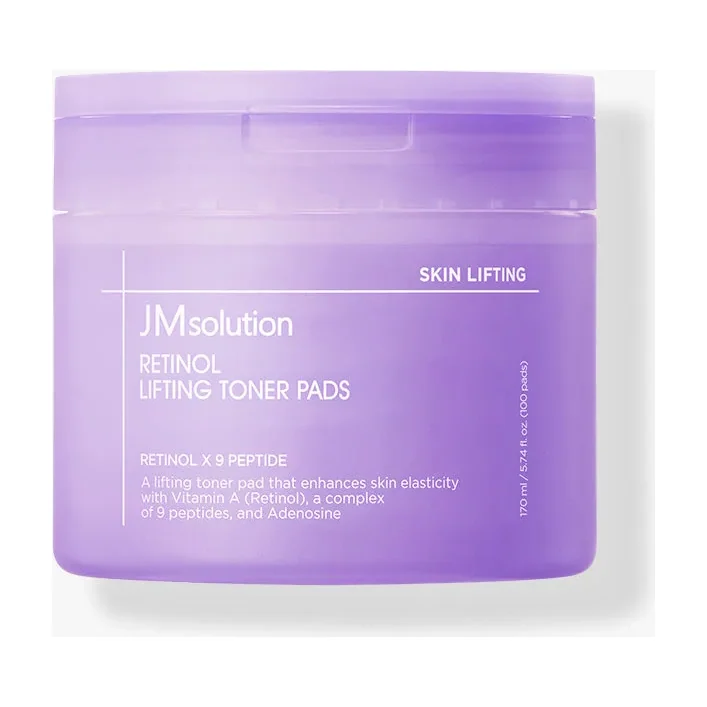
Toner
JMsolution
JMsolution Retinol Lifting Toner Pads
Retinoid — start 2–3 nights a week and increase as your skin adjusts.


Serum
Sulwhasoo
Sulwhasoo The Ultimate S Infusion Treatment
Retinoid — start 2–3 nights a week and increase as your skin adjusts.


Sunscreen
EltaMD
EltaMD UV Lotion Broad-Spectrum SPF 30+
Final morning step — apply generously and reapply every two hours in direct sun.


Evening Routine
Cleanser Naturium The Multi-Peptide Advanced Body Wash — same as your morning cleanser
Toner JMsolution Retinol Lifting Toner Pads — same as your morning toner

Treatment
Advanced Clinicals
Advanced Clinicals Retinol Body Cream
Retinoid — start 2–3 nights a week and increase as your skin adjusts.


Serum
Hada Labo
Hada Labo Tokyo Anti-Aging Hydrator
Retinoid — start 2–3 nights a week and increase as your skin adjusts.


Moisturizer Farm Stay Black Snail & Peptide 9 Perfect Cream — same as your morning moisturizer
Your Week at a Glance
| Evening active | Mon | Tue | Wed | Thu | Fri | Sat | Sun |
|---|---|---|---|---|---|---|---|
| Retinoid Advanced Clinicals Retinol Body Cream | ✓ | ✓ | ✓ | ||||
| Retinoid Hada Labo Tokyo Anti-Aging Hydrator | ✓ | ✓ | ✓ |
Everything else in the evening routine runs nightly, and the full morning routine runs every day. On unscheduled nights, just cleanse and moisturize.
Independently scored — dermington.com
Not quite your skin?
This routine is one profile. Answer six quick questions and our engine rebuilds it around your exact skin type, concerns, budget, and experience with actives.
Frequently Asked Questions
Can dry skin handle retinol at all?
Yes, with pacing. Start one to two nights per week, apply moisturizer first and the retinoid on top (the 'buffering' technique), and build frequency monthly as tolerance develops. Dryness and mild flaking in the first weeks are normal; cracking or burning means slow down.
At what age should an anti-aging routine start?
The honest answer is that sunscreen — the most effective anti-aging step — should start now regardless of age. Retinoids and antioxidants make sense from the late twenties onward, but a consistent routine started at 45 still delivers measurable improvement. It's never too late for skin to respond.
Why does this routine have more evening steps than morning?
Because repair actives like retinoids degrade in sunlight and work best overnight, while mornings are about protection. The AM half centers on antioxidants and SPF; the PM half carries the treatments. Splitting the labor this way also keeps strong actives from stacking in one session.
Products are selected by our matching engine from independently scored reviews. Recommendations are not a substitute for professional dermatological advice; if you have a diagnosed skin condition, consult your dermatologist before starting a new routine.
The reading behind this
- Anti-AgingThe Clock and the Weather: What Really Ages Your Skin, and What Actually Slows ItYour face runs two ageing programmes at once. One can only be softened; the other can largely be switched off. Most anti-ageing confusion comes from mixing them up.
- Menopause & Mature SkinYour Skin Has Two Estrogen Receptors, and One of Them Is the Interesting OneThe collagen numbers are well known by now. The receptor biology underneath them is not — and it is where the topical estrogen evidence, the phytoestrogen compromise, and the conversation to have with a doctor all come from.