Fomes Officinalis Extract (Agarikon)
Products with Fomes Officinalis Extract (Agarikon)
 Oily-Skin Hydration Pick
 Visible Difference Replenishing HydraGel Complex
A refreshing, genuinely oil-free water gel that hydrates oily and combination skin without grease and leaves a smooth, pore-blurred finish that doubles as a makeup base. It does the lightweight-hydration job well and is fungal-acne safe, but the formula is fairly basic for a luxury price and the fragrance load is heavy.
Key Hyaluronic Acid · Glycerin
 Prebiotic Hydration Primer
 Diamond Cocoon Hydrating Essence
A surprisingly sensible entry in a famously pricey line: a lightweight prebiotic hydrating essence that genuinely hydrates via glycerin and saccharide isomerate, refreshes with a cool menthyl-lactate finish, and refines pores with agarikon mushroom. The generous 200ml size makes it one of the better-value Diamond Cocoon pieces — just expect subtle balance, not dramatic transformation, and watch the fragrance and cooling agent if you are reactive.
Key Probiotics & Prebiotics · Glycerin
 Dated Preservatives, Near the Eyes
 Delicate Congeal Eye Gel
Marubi's Delicate Congeal Eye Gel is a thin, cooling glycol gel whose only real skincare ingredient is beta-glucan and whose preservative list, methylisothiazolinone with iodopropynyl butylcarbamate and three parabens, plus fragrance and two dyes, has no business on the skin around the eyes. It is cheap and it feels pleasant for an hour; that is not enough reason to import it.
Key Beta-Glucan · Fomes Officinalis Extract
 Pore Multi-Tasker
 Remedy for Pore Size
Remedy for Pore Size is honest about something most pore products are not: you cannot shrink pores, only change how big they look. So it sensibly attacks every reason they look enlarged, salicylic acid for congestion, niacinamide and retinol for firmness and texture, perlite and mushroom extract for shine. From a board-certified dermatologist, fragrance-free and well-priced, it is a credible pick for oily and combination skin, though the active load makes it a poor fit for dry or sensitive skin.
Key Niacinamide · Salicylic Acid
 Oily-Skin Shine Tamer
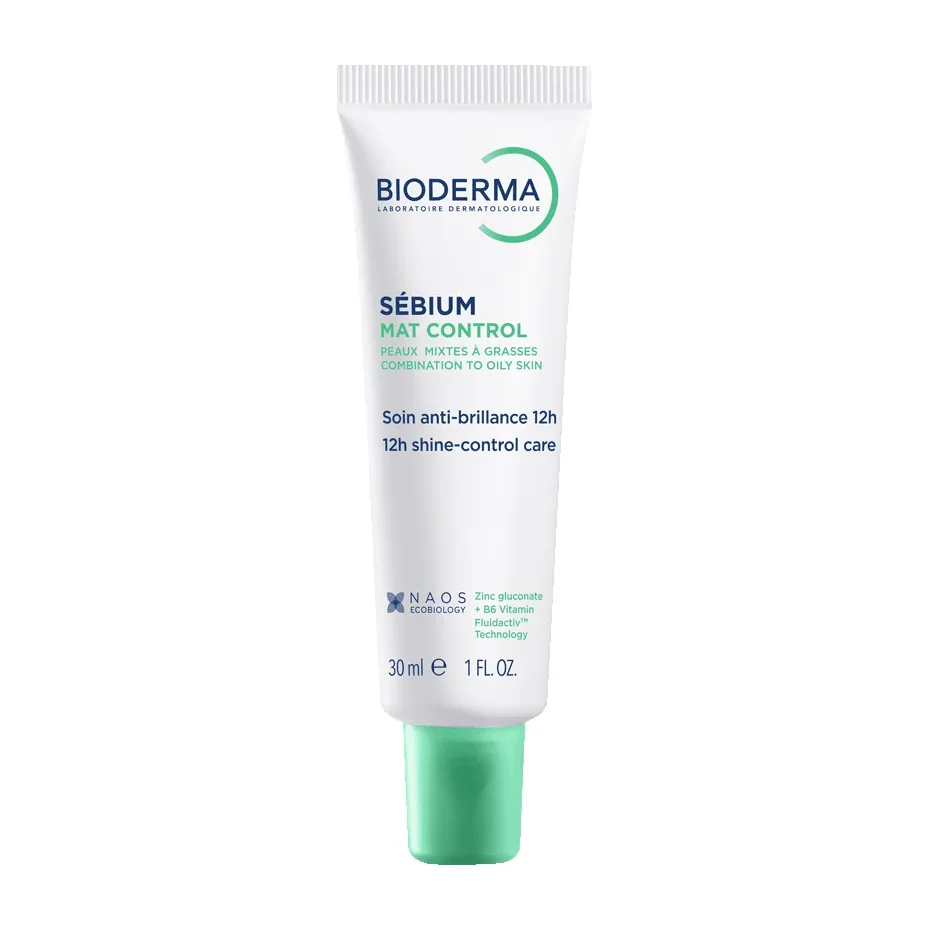
 Sébium Mat Control
A genuinely smart oily-skin moisturizer that mattifies on contact and works on sebum quality over time, not just surface shine. The fragrance and tiny 30ml tube keep it from being a slam-dunk, but if you want all-day shine control without that stripped, tight feeling, it earns its place.
Key Zinc · Salicylic Acid
 Pharmacy Pore Primer
 Sebium Pore Refiner
A multi-mechanism pore treatment that goes beyond cosmetic blurring with genuine biological innovation, but undermined by fragrance, mineral oil, and a tiny tube that feels overpriced. Best as a dual-purpose treatment-primer for oily skin types who want immediate visual refinement alongside gradual pore improvement.
Key Fomes Officinalis Extract · Salicylic Acid
 Instant Pore Eraser
 Zero Pore Serum
A silicone-based pore primer dressed up as a serum. It delivers instant optical blurring that genuinely smooths the look of pores, but there's almost nothing here that will improve your skin over time. Honest about what it is, this is a cosmetic quick-fix — not a treatment.
Key Dimethicone · Butylene Glycol
The full fomes officinalis extract (agarikon) guide
Fomes officinalis, better known as agarikon, is a shelf fungus that grows on old larch and other conifers, and one of the oldest named medicines in Western records.
Ancient physicians wrote about it, and it was traded across Europe for lung complaints for centuries. None of that history involves skin. Today it shows up in pore-refining toners and mattifying primers as a gentle astringent, and the gap between its ancient pedigree and its modern claims is the whole story of this ingredient.
How it's regulated in the US
FDA does not classify ingredients — it classifies products, by what they are sold to do. The same molecule can be a drug active in one product and a cosmetic ingredient in the next, and only the claim on the label decides which. What follows is a statement about that legal standing, not about whether it works — the evidence question is answered separately above.
Cosmetic Fomes Officinalis Extract (Agarikon) is a cosmetic ingredient in the US: no OTC monograph covers it and it is not an active in any FDA-approved drug, so a product built around it is a cosmetic rather than a drug.
Agarikon, the fungus behind this extract, is known mostly from lab work on its chemistry, cataloging its bitter acids and other compounds and testing them against bacteria and viruses in a dish. Some animal work exists, but human studies are absent, and none look at skin. The cosmetic claims about pores, oil and firmness come from ingredient suppliers rather than independent research. So the questions that matter for a toner, such as whether it changes oil or how pores look, are open. Its long traditional use was for the lungs, which tells us little about what it does on a face.
How it works
The proposed cosmetic mechanism is astringency. Agaric acid, the fungus's characteristic compound and the source of its bitter taste, is a fatty acid derivative that historical pharmacopoeias credited with reducing secretions — the reason preparations were once given to suppress sweating in tuberculosis patients. Suppliers extend that reasoning to skin: an agent that curbs secretion should curb sebum, and a tightening effect on the follicular opening should make pores look smaller. The extract also contains triterpenoids and, per supplier literature, beta-glucans, both classes with antioxidant and moisture-binding behaviour elsewhere in cosmetic chemistry. Every step of that chain is reasonable and none of it has been demonstrated on human skin. Astringency is also a shallow, reversible effect wherever it does occur — proteins in the surface layer contract slightly, the opening looks momentarily tighter, and the effect fades within hours. Nothing about it changes how much oil a sebaceous gland produces, and pore size is largely determined by genetics, gland volume and accumulated sun damage to the surrounding collagen. The honest description is a botanical with credible in-vitro antimicrobial chemistry, marketed for a cosmetic endpoint that its own literature has never tested.
Key benefits
- A brief tightening feel on the skin's surface
- Adds an antioxidant-rich fungal extract to toners
- Fits easily into mattifying and pore-focused formulas
- A fungus with a long history in traditional medicine
Concentration & usage
No effective concentration exists to cite, because no study has demonstrated an effect on skin to work backwards from. In practice the extract appears low on ingredient lists in toners, pore-refining serums, mattifying primers and aftershave lotions, typically well below one percent and often in the fragrance-and-extract tail. That position tells you what the formulator intends it to do, which is give the product a story. Judge these products on what sits at the top of the list instead — niacinamide, salicylic acid, a well-built clay or a sensible surfactant system are what will actually influence oil and pore appearance. A brand quoting a percentage for this extract is quoting a number nobody has validated.
Who it's for & who should be cautious
Who it's for
Nobody needs to seek it out, and nobody with oily or pore-conscious skin should avoid a product because it is present — it is a reasonable minor component in a formula whose real actives stand up on their own. If you enjoy botanical-forward products and the rest of the formula is sound, there is no reason to object. Just do not let it be the reason you buy.
Who should be cautious
Anyone paying a premium specifically for this extract is paying for marketing rather than demonstrated function. People with fungal-sensitive skin conditions such as seborrheic dermatitis or Malassezia folliculitis sometimes prefer to avoid mushroom-derived ingredients; there is no evidence that a fungal extract feeds a yeast overgrowth, but the caution costs nothing given the ingredient offers nothing in return. Botanical extracts as a class carry a higher contact-allergy rate than well-characterised synthetics, so patch test if you react easily. And anyone whose actual goal is smaller-looking pores should know that no astringent changes pore size — the treatments with evidence there are retinoids, consistent sun protection, and salicylic acid keeping the follicle clear.
Pairs with & conflicts
Myths & facts
Myth: It has been used medicinally for two thousand years, so it must work.
Reality: It has — for pulmonary disease, prescribed by physicians who also believed in the four humours. Traditional use tells you a plant was available, memorable and believed in; it does not tell you what it does, and it certainly does not transfer from lung complaints to pore appearance. The historical pedigree is real and entirely beside the point being sold with it.
Myth: Clinical studies show it refines pores and controls sebum.
Reality: The 2018 review of this fungus's bioactive chemistry reports no human clinical trials at all. Claims of 'clinically documented' pore refinement trace back to ingredient suppliers and the brands purchasing from them, not to independent published research. When a marketing page says clinically documented and no citation follows, the claim is doing the work of a study without being one.
Myth: An astringent botanical will shrink your pores.
Reality: Astringents cause a brief contraction in the outermost skin proteins that makes an opening look momentarily tighter, and it reverses within hours. Pore diameter is set by genetics, sebaceous gland size and collagen loss around the opening from sun exposure. What genuinely changes their appearance over time is retinoid use, sun protection and keeping follicles clear — none of which is a same-day effect.
Frequently asked questions
What is Fomes officinalis and why is it in my toner?
It is a shelf fungus that grows on conifers, known as agarikon, historically used for respiratory illness rather than skin. Cosmetic suppliers market it as an astringent that tightens pores and moderates oiliness, and it appears in toners, mattifying primers and aftershave products. The dermatological evidence for those claims has not been published.
Does it actually reduce oiliness?
No study on human skin has shown that it does. The reasoning comes from agaric acid's historical reputation for suppressing secretions, which is a long inferential leap to sebaceous glands on a face. If oil control is your goal, niacinamide, salicylic acid and an appropriate cleanser have real evidence behind them.
Is Fomes officinalis extract safe?
Nothing suggests otherwise at the low concentrations used cosmetically, and no notable safety signal has emerged. As with any botanical extract, contact allergy is possible and more likely than with a single well-characterised synthetic molecule, so patch test if your skin reacts easily. Safe and effective are separate questions, and this ingredient currently answers only the first.
Is this the same as reishi, chaga or other mushroom skincare?
Different species with different chemistry, though the marketing rests on the same appeal. Beta-glucans are the shared thread across fungal extracts and do have humectant and soothing behaviour. What separates them is how much work has been done on each — and for agarikon in skin specifically, that work is essentially absent.
Should I avoid products containing it?
No reason to. If the rest of the formula is well built, its presence is harmless and adds a botanical note the brand likes. The thing to avoid is paying extra for it, or choosing a weaker product over a stronger one because this ingredient appears on the front of the box.