Hydrolyzed Rice Protein
Products with Hydrolyzed Rice Protein
 Frizz-Fighting Bargain
 Smoothing Conditioner
A genuinely effective smoothing conditioner that uses salon-level silicone technology and protein reinforcement to tame frizz at a mass-market price. At $12 for 13 ounces, it outperforms conditioners costing three times as much and delivers on its lab-tested 7x smoother claim for most hair types.
Key Dimethicone · Glycerin
 Cozy Glow Pick
 The Glow Getter Multi-Oil Body Butter
A genuinely thoughtful body butter that treats the body like the face deserves, stacking five botanical oils, shea and squalane into a whip that glows without sliming. The warm vanilla scent and comedogenic richness rule it out for the fragrance-averse and breakout-prone, but for dry skin in winter it punches above its $20 price.
Key Rosehip Oil · Shea Butter
 Sensitive Skin Brightening Hero
 Rice 70 Glow Milky Toner
Anua's fragrance-free answer to their own Peach toner, and in many ways the more impressive formulation — a complete triple ceramide barrier system, rice-derived brightening, and a milky texture that turns the toner step into genuine skincare. At $20 for 250ml, the value is outstanding.
Key Rice · Ceramides
 Celebrity Method Moisturizer
 The Method: Nourish
The Method: Nourish is a competent daily anti-aging moisturizer — shea butter, plant oils, hexapeptide-48, and crosslinked hyaluronic acid in a cushioned, satin-finish cream. It hydrates well and feels pleasant. The trouble is the $85 price for 1.7 oz, which pays for the Beverly Hills Lancer name rather than a distinctive formula. Comparable peptide moisturizers deliver the same results for far less.
Key Shea Butter · Peptides
 Nighttime Repair Workhorse
 PM Restore Facial Moisturizer
A smartly formulated overnight moisturizer that delivers genuine barrier repair and anti-aging benefits without the heavy texture that makes most night creams feel like an obligation. Not the richest option for very dry skin, but its lightweight elegance and multi-functional approach make it an excellent nightly workhorse for most skin types.
Key Niacinamide · Ceramides
 Derm Office Staple
 PM Therapy Facial Moisturizer
A derm-office staple for good reason: a lightweight overnight lotion with a meaningful niacinamide load, a genuine ceramide-cholesterol-fatty-acid lipid trio, and the kind of low-irritation formulation that works on post-procedure skin. The 1.7 oz size at $48 is the only real friction; the formulation itself is consistently among the strongest in its category.
Key Niacinamide · Ceramides
 Practice-Room Neck Cream
 Neck Correct Neck and Décolleté Cream
A gentle, fragrance-free neck cream that makes crepey skin look and feel smoother the moment it sets, thanks to two film-forming polymers ranked above glycerin. The biology underneath, one peptide and a handful of botanicals, is thin and brand-tested only, so $135 buys a very good neck primer with modest long-term ambitions rather than a corrective treatment.
Key Peptides · Film Formers & Texture Polymers
 Sisley Overnight Flagship
 Supremÿa At Night The Supreme Anti-Aging Skin Care
A luxurious, rose-scented overnight cream with adenosine as a genuine anti-aging active and a shea-squalane base that delivers real comfort on dry skin. It's also $660 for 50ml — a price that only makes sense if you've decided the Sisley ritual is worth the premium regardless of per-active cost. Buy it for the experience, not the math.
Key Adenosine · Shea Butter
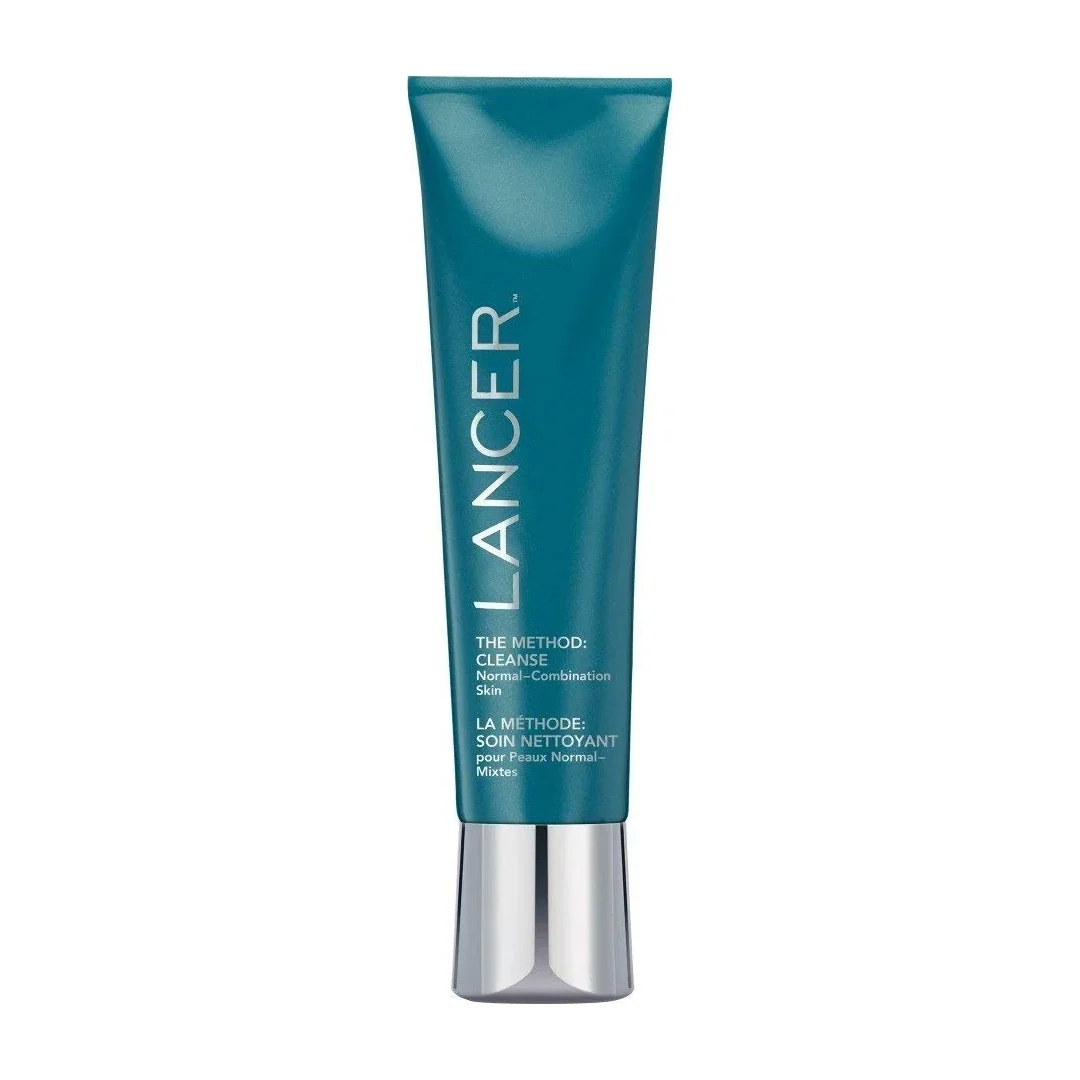 Celebrity Method Cleanser
 The Method: Cleanse
The Method: Cleanse is a $55 sulfate-based foaming cleanser with a dated formula — sodium laureth sulfate, a heavy fragrance and lavender oil allergen load, and the controversial methylisothiazolinone preservative system. The humectant complex softens the edges, but this is a cleanser that hasn't kept pace with the category. The price reflects a Beverly Hills name, not modern formulation.
Key Cleansing Surfactants · Salicylic Acid
 NEA-Certified Drugstore Cleanser
 Hydrating Cream-to-Milk Cleanser
A genuinely well-formulated drugstore cream-to-milk cleanser combining 5% rice milk complex, dual hyaluronic acid, high-position glycerin, and gentle non-sulfate surfactants in a National Eczema Association certified, fragrance-free formula at $19 for 240ml. The NEA certification reflects clinical validation that drugstore cleansers rarely achieve. The comedogenic emollient content limits fungal-acne suitability, but for the broader sensitive-to-dry-skin demographic this is among the most thoughtful drugstore cleansers currently available.
Key Hydrolyzed Rice Protein · Hyaluronic Acid
 Everyday Detangling MVP
 Leave-In Conditioner Spray
A lightweight, multi-texture-friendly leave-in that delivers genuine detangling and frizz control without the heaviness or crunchiness that plagues most products in this category. At $12, it is one of the best values in leave-in conditioning — smart enough for curly hair, light enough for fine hair.
Key Dimethicone · Hydrolyzed Rice Protein
 Glow Primer Hybrid
 Cell Rejuvenating Illuminator
A genuinely pretty skincare-makeup hybrid: a fragrance-free, hydrating base of niacinamide, ectoin, peptides, and multi-weight hyaluronic acid carrying light-reflecting minerals for an instant lit-from-within glow. It's flattering and gentle and gives a lovely primed canvas — just understand that the signature radiance is optical, and $80 for 20ml is luxury pricing for a glow.
Key Niacinamide · Ectoin
 Spa-Channel Botanical
 Bamboo Firming Fluid
A pleasant spa-channel serum with an immediate tightening feel that's genuinely satisfying to use, but firming claims run ahead of the evidence. At $82 for 30ml, it's priced like a serious anti-aging serum without the evidence-backed actives that would justify it. Better as a botanical hydration treat than a firming solution.
Key Bamboo Extract · Hydrolyzed Rice Protein
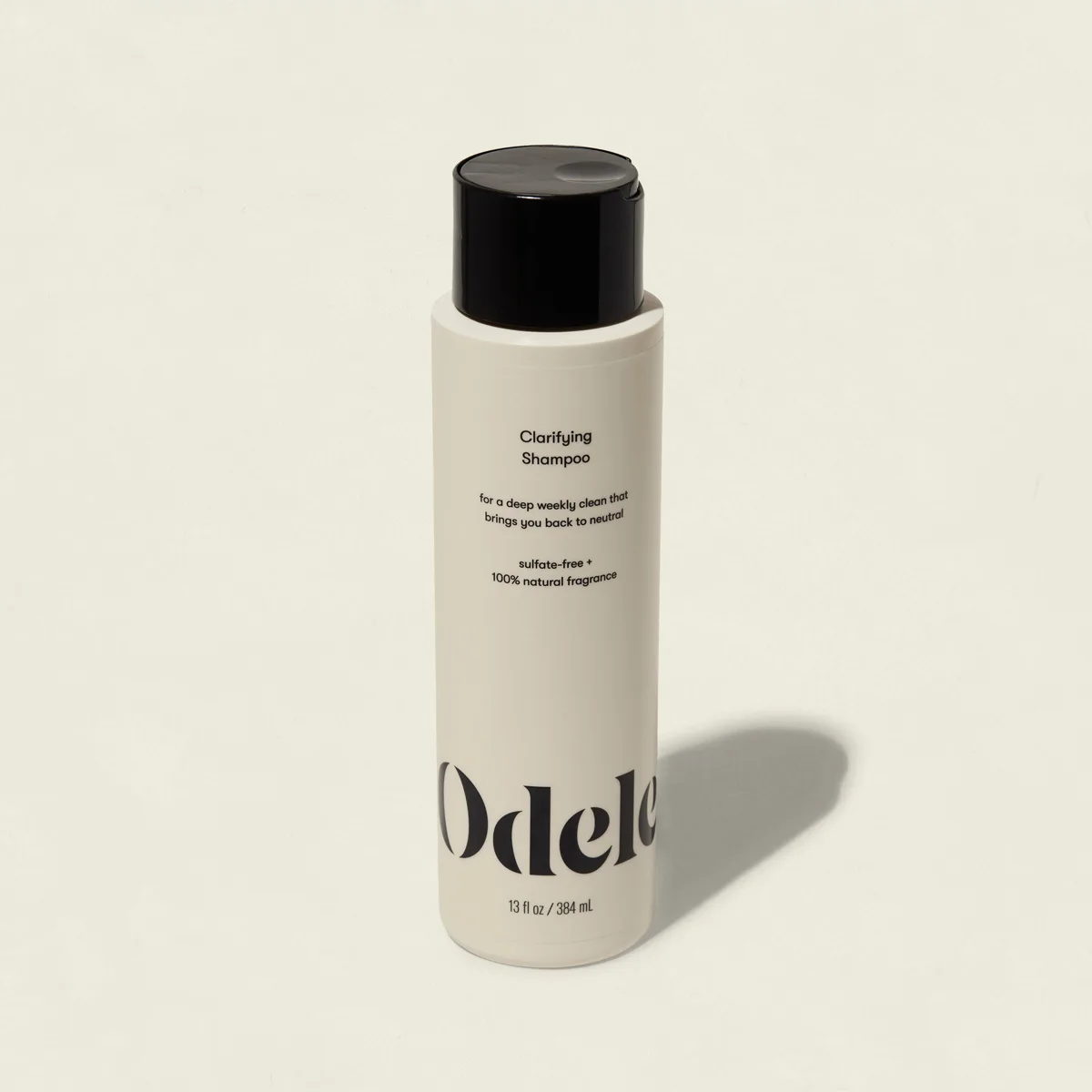 Budget Clarifying Champ
 Clarifying Shampoo
A genuinely effective clarifying shampoo that punches well above its $12 price tag, thanks to real chelation technology and protective conditioning agents. It strips buildup without stripping your dignity — or your hair's moisture — making it the best weekly reset most people can find at Target.
Key Hydrolyzed Rice Protein · Botanical Extracts
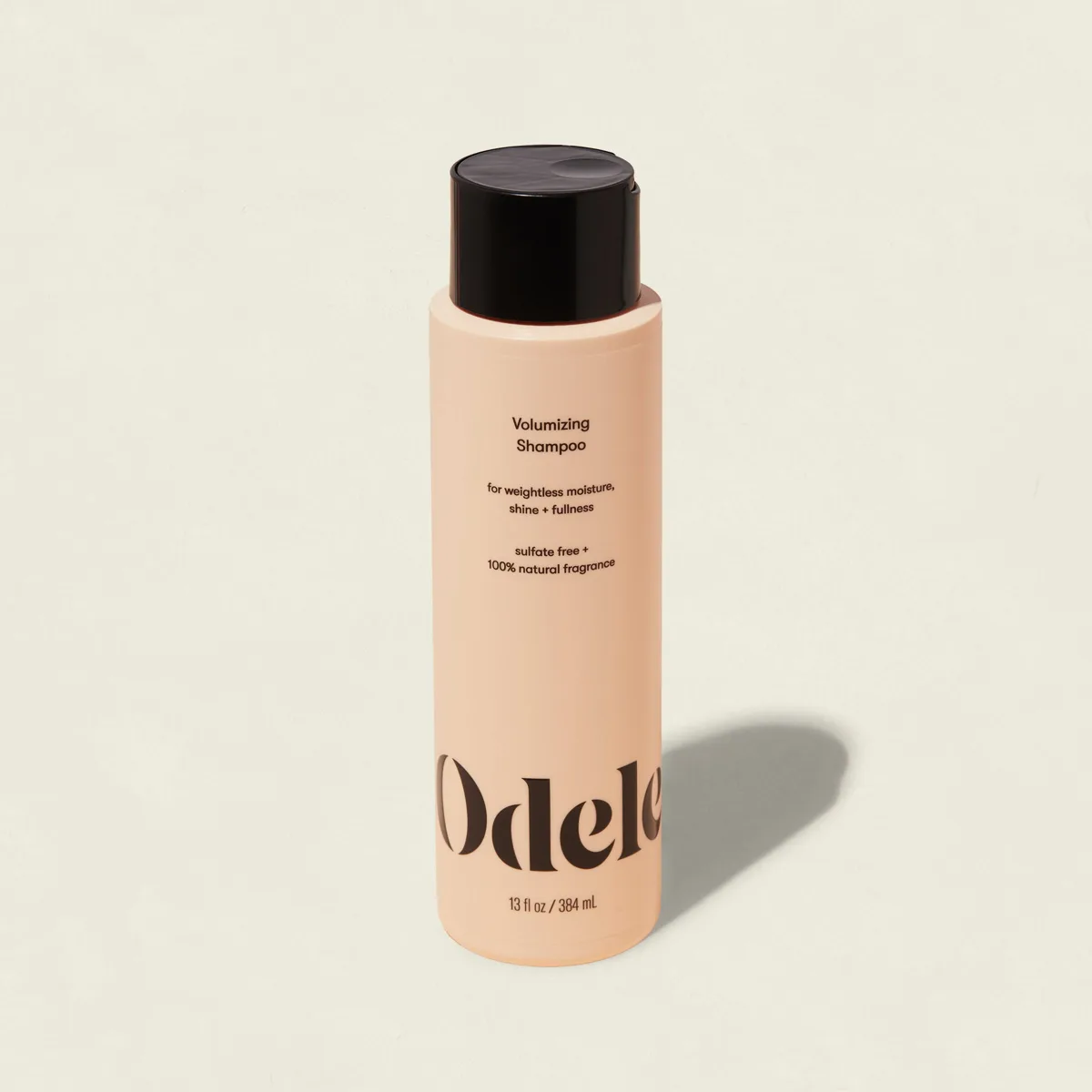 Daily Volume Workhorse
 Volume Shampoo
A genuinely gentle volumizing shampoo that proves you do not need sulfates or salon pricing to get meaningful lift. The isethionate surfactant and rice protein combination delivers volume through structural plumping rather than aggressive stripping, making it the rare volumizer that works without punishing your hair for wanting fullness.
Key Cleansing Surfactants · Hydrolyzed Rice Protein
 Lift for Fine Hair
 Volumizing Shampoo
A clean-rinsing, silicone-free shampoo that genuinely gives fine, flat hair more lift, thanks to a thorough cleanse and a light coating of rice protein. The caffeine, biotin and postbiotics are more marketing than function in a rinse-off, and the peppermint-heavy formula may bother sensitive scalps. Good for volume; not a thinning-hair treatment.
Key Sodium Cocoyl Isethionate · Hydrolyzed Rice Protein
The full hydrolyzed rice protein guide
Hydrolyzed rice protein is rice protein broken down into small peptides and amino acids, small enough for some fragments to settle into the skin's upper layers.
Instead of just pulling water in or sealing it, it lays down a flexible, non-tacky film that smooths the surface, while its amino acids top up the skin's own water-holding reserve. It turns up in cleansers, body lotions and moisturizers as a conditioning agent, and it's a gentle swap for people who react to wheat protein.
How it's regulated in the US
FDA does not classify ingredients — it classifies products, by what they are sold to do. The same molecule can be a drug active in one product and a cosmetic ingredient in the next, and only the claim on the label decides which. What follows is a statement about that legal standing, not about whether it works — the evidence question is answered separately above.
Cosmetic Hydrolyzed Rice Protein is a cosmetic ingredient in the US: no OTC monograph covers it and it is not an active in any FDA-approved drug, so a product built around it is a cosmetic rather than a drug.
Hydrolyzed rice protein is studied mostly in lab dishes rather than on faces. Studies measure its antioxidant activity and test whether it slows the enzyme that makes pigment and the one that breaks down hyaluronic acid, though the strengths used in those tests are far above anything a product contains. Its conditioning role, forming a smooth film and adding amino acids to the skin's natural moisturizing factor, comes from cosmetic chemistry and the known makeup of skin. Human studies of it on its own are scarce, so its effects in a finished product are mostly inferred.
How it works
Hydrolysis fragments the long rice protein chain into short peptides and individual amino acids by breaking peptide bonds with water plus either acid, alkali, or enzymes. The resulting pieces — typically under 2,000 Da — are small enough to reach the upper stratum corneum and interact with those layers, unlike intact plant proteins that stay on the surface. Once there, the free amino acids feed into the natural moisturizing factor, the collection of small molecules in skin that physically attract and hold water. Glutamic acid and proline, both abundant in rice protein, contribute directly to that pool; glutamic acid also serves as the precursor to PCA (pyrrolidone carboxylic acid), one of NMF's most effective humectant components. Meanwhile, the larger peptide fragments form a light, non-sticky film on the surface that curbs transepidermal water loss and softens the feel of rough or dehydrated texture. That film also fills microscopic surface irregularities, which is why the ingredient turns up in cleansers — where it buffers the stripping pull of surfactants — and in body care, where it offsets the thinner, drier lipid layer of skin below the neck. On the antioxidant front, aromatic and sulfur-containing amino acid fragments, particularly those bearing free thiol groups or phenolic side chains, can scavenge reactive oxygen species — an activity seen clearly in lab assays, even if the practical magnitude inside a finished product at realistic use levels stays an open question.
Key benefits
- Smooths rough, dry texture with a flexible film
- Tops up the skin's own water-holding reserve
- Eases the tight feeling after cleansing
- A gentle swap for people sensitive to wheat protein
- Leaves skin feeling soft without stickiness
Concentration & usage
Cosmetic suppliers commonly recommend 0.5–5% in the finished formula, with the lower end sufficient for conditioning in rinse-off products like cleansers and the higher end more typical in leave-on moisturizers and treatments. It is water-soluble and generally added to the water phase during formulation, and it is heat-stable enough for most standard processing temperatures. No pH dependence has been found for its primary conditioning and film-forming actions, unlike AHAs or vitamin C. On an INCI list, look for "Hydrolyzed Rice Protein" — variants named "Oryza Sativa Protein Hydrolysate" or "Protein Hydrolyzates, Rice" are the same thing. Molecular weight specs vary by manufacturer; grades specified under roughly 1,500–2,000 Da are the most penetration-capable.
Who it's for & who should be cautious
Who it's for
Skin that skews dry, dehydrated, or rough-textured — or that feels tight after cleansing — stands to gain the most, since the ingredient tackles both surface smoothness and deeper water-binding in a single step. It is also a sensible pick for anyone reactive to hydrolyzed wheat protein, since rice protein carries a lower allergen profile and is widely chosen in cosmetics specifically as the gentler substitute. Sensitive, reactive, and compromised-barrier types generally tolerate it well, and it sits comfortably alongside ceramides, panthenol, and other barrier-focused actives.
Who should be cautious
A true rice or cereal grain allergy is the one genuine caution — contact sensitization to hydrolyzed rice protein is far less documented than to its wheat counterpart, but it is not zero, so anyone with a known rice allergy should patch-test before regular use. Otherwise this is a low-irritation, broadly compatible ingredient with no documented photosensitivity, no hormone-disruption flags in regulatory assessments, and no published interaction concerns with other actives. It is not a stand-in for targeted brightening actives like niacinamide or tranexamic acid if hyperpigmentation is your main concern — the tyrosinase data is real but lives in the lab, not in human skin trials.
Pairs with & conflicts
Myths & facts
Myth: Hydrolyzed rice protein is just a fancy name for rice water
Reality: Rice water carries intact proteins averaging in the tens of thousands of Daltons — far too large to penetrate skin meaningfully. Hydrolysis cuts that down to fragments below 2,000 Da, which behaves as a fundamentally different ingredient doing different chemistry. The cultural history of rice water in beauty is real and interesting, but the two are not interchangeable.
Myth: It can only benefit hair, not skin
Reality: Hair-care marketing gets the spotlight because film-forming is easy to demonstrate on a hair fiber, but the same amino-acid replenishment and surface-smoothing logic applies to skin. It shows up routinely in moisturizers, body lotions, and cleansers precisely because the skin benefit is real — just quieter than the hair-strengthening story.
Myth: Anyone with celiac disease must avoid all hydrolyzed plant proteins in skincare
Reality: Topical gluten is not absorbed through intact skin in a way that triggers celiac disease, and hydrolyzed rice protein is gluten-free by source anyway. It is in fact the ingredient often reached for as the safer alternative to hydrolyzed wheat protein, which has documented cases of contact sensitization and IgE-mediated reactions.
Frequently asked questions
Does hydrolyzed rice protein actually get into skin, or does it just sit on top?
A bit of both, usefully. Peptide fragments below roughly 2,000 Da can reach the upper stratum corneum and feed into the natural moisturizing factor, while the larger fragments stay at the surface and build the smoothing, film-forming layer. That dual behavior is part of why it works as a practical multitasker in both rinse-off and leave-on formulas.
I react to wheat protein — is rice protein a safer swap in my products?
Usually, yes. Rice protein is naturally gluten-free and is frequently formulated in as the gentler alternative to hydrolyzed wheat protein, which has documented sensitization cases. The allergen profiles are genuinely different, but since sensitization isn't impossible, a patch test is still wise if your skin reacts to cereal-derived ingredients in general.
Can it fade dark spots?
There is in-vitro evidence that rice protein hydrolysates inhibit tyrosinase, the enzyme central to melanin overproduction, but the concentrations used in those studies were high relative to real cosmetic levels. At the amounts found in actual products, it is better thought of as a conditioning and hydrating ingredient than a brightening active. If dark spots are the priority, niacinamide, tranexamic acid, or alpha-arbutin have far more direct human evidence at usable concentrations.
Is it considered safe to use while pregnant?
Nothing in its profile raises a flag — it is a food-derived protein fragment with no hormone-disrupting activity and no regulatory restrictions tied to pregnancy. It is not in the category of actives, like retinoids or certain essential oils, that carry obstetric cautions. Running individual questions past your own healthcare provider is still a reasonable step.
How does it differ from hydrolyzed collagen or silk protein in a moisturizer?
All three share the film-forming and amino-acid-delivery mechanisms, but their amino acid profiles diverge. Rice protein runs high in glutamic acid, the precursor to PCA — one of the most effective humectant pieces of skin's NMF. Collagen hydrolysate leans proline- and glycine-heavy, while silk protein is rich in serine and glycine. Which suits you depends on the formula's goal; rice protein's edge is its low allergen burden and clean film-forming feel without tackiness.
How do I tell whether a product has a meaningful dose or just a sprinkle?
INCI lists run in descending order of concentration above 1%, and often roughly so below it. Hydrolyzed rice protein placed toward the middle of a water-phase serum or moisturizer — ahead of the preservatives and fragrance that usually cluster at the end — is likely present at a functional level around 0.5–3%. Sitting right before the preservative system or after the fragrance suggests a more token amount.