Spirulina (Arthrospira platensis)
Products with Spirulina (Arthrospira platensis)
 Budget Acne BHA
 Clarifying Exfoliant
A no-nonsense, maximum-strength 2% salicylic acid liquid that does exactly what an acne-prone person needs: clears pores and smooths texture without fragrance, alcohol, or a high price. It can be drying with overuse and is not for dry or very sensitive skin, but for oily, congested skin it is one of the easiest budget recommendations going.
Key Salicylic Acid · Chamomile Extract
 J-Beauty Innovation Pick
 Day Serum Sunscreen SPF 50+
A masterclass in Japanese sunscreen engineering — the Day Serum delivers SPF 50+ PA++++ through a photostable multi-filter system wrapped in genuine skincare, with a finish so elegant you'll forget you're wearing sunscreen. The small size and fragrance are the only real concessions.
Key Octinoxate · Tinosorb
 Premium Mineral SPF Workhorse
 Urban Environment Mineral Clear Sunscreen SPF 50
Shiseido's Urban Environment Mineral Clear is one of the most comprehensively engineered mineral sunscreens in the prestige market — 100% mineral UV filters at serious concentrations (TiO2 4.5% + ZnO 17.2%) combined with 65% skincare ingredients including botanical antioxidants, layered humectants, and licorice anti-inflammatory chemistry. The fragrance-free formulation suits sensitive skin, and the minimal white cast on light-to-medium skin tones makes the high-zinc protection wearable for daily use. At $39 for 30ml, the price reflects Shiseido's prestige positioning but the formulation depth justifies the tier.
Key Zinc Oxide · Ginkgo Biloba
 Long-Wear Hydrator
 Ultra Hydrating 12 Hour Facial Moisturizer
A richly emollient, long-wearing moisturizer whose hydration genuinely delivers for dry skin, packaged sustainably in an aluminum tube. The argan-and-shea base is the real workhorse; the adaptogens and leafy greens are mostly brand flair. The catch is a heavy dose of citrus and floral essential oils that makes it a poor fit for sensitive or reactive skin. Lovely for tolerant dry skin, off-limits for fragrance-averse complexions.
Key Argan Oil · Glycerin
 Cooling Under-Eye Refresh
 Moisture Boost Cooling Hydrogel Eye Patches
A jiggly, blue-green hydrogel eye patch that delivers exactly what it promises: a cooling, intensely hydrating de-puff that leaves the under-eye looking smoother and brighter for a few hours. At $24 for 30 pairs it's an affordable everyday ritual, but manage expectations — this is a sensorial moisture hit, not a treatment for true dark circles or lines, and the added fragrance keeps it from being a sensitive-skin slam dunk.
Key Hyaluronic Acid · Glycerin
 Budget Body-Acid Starter
 Look So Clear
A sulfate-free body wash with a modest buffered dose of glycolic acid that smooths rough arms and keeps chest and back breakouts in check for eight dollars. The charcoal that turns it black and the spirulina on the label do nothing in a rinse-off, and the fragrance rules it out for reactive skin, but as a daily body-acid starter it is honest, cheap and pleasant to use.
Key Glycolic Acid · Activated Charcoal
 Clean Mineral Shield
 Daily SPF 32 Sunscreen
A clean-label mineral sunscreen that genuinely delivers on the 'no white cast' promise for most skin tones, with a thoughtful antioxidant boost from marine algae. The small tube and premium price sting, but the elegant texture and gentle formula make it a standout in the reef-safe mineral category.
Key Zinc Oxide · Algae Extract
 Heartleaf as the Whole Base
 Our Vegan Heartleaf 98 Cica Serum
A watery, fragrance-free soothing serum that does the honest thing with its hero — heartleaf extract is the base at a declared 98 percent, not a name-check — and backs it with centella and licorice for firmer footing. It calms red, over-treated, breakout-prone skin within minutes, buffers actives, and suits almost every face including the fungal-acne-prone, at twenty-two dollars for a generous 100 mL. The herb's evidence is thin, the results are subtle, and dry skin will need a moisturizer over it.
Key Houttuynia Cordata · Centella Asiatica
 Gentle Daily Cleanser
 Ultra Hydrating Green Juice Cleanser
A gentle, non-stripping daily cleanser hiding under a 'green juice' superfood theme. The mild sulfate-free base with shea butter and glycerin genuinely leaves skin soft rather than tight, and the price is excellent. The supergreens and adaptogens are mostly marketing, and a hefty citrus-and-floral fragrance makes it a poor fit for sensitive skin. For tolerant, dry-to-normal skin, a likable everyday workhorse.
Key Sodium Cocoyl Isethionate · Shea Butter
 Probiotic Radiance Cream
 Berry Rich Cream
Graydon's Berry Rich is a velvety, vegan probiotic cream that hydrates dry and mature skin beautifully and conveniently doubles as a gentle eye cream. Spirulina, blueberry seed oil and a Lactobacillus ferment give it a clean, antioxidant-rich, superfood character. The honest caveats: the 'probiotic' and 'superfood' claims are gentler than they sound, it's too rich for oily skin, and a few fruit botanicals can irritate the very sensitive.
Key Spirulina · Probiotics & Prebiotics
 Spa De-Puffing Patch
 Marine Energy Eye Mask
A genuinely lovely, refreshing marine hydrogel eye patch from a real Korean spa brand — cooling, hydrating, and de-puffing, especially chilled, with an unusually lush algae-and-pearl roster. It's a spa-grade pick-me-up rather than a treatment: it won't erase structural dark circles or wrinkles, and the peppermint-and-lavender scent means sensitive eyes should patch test. But as a cooling refresh, it delivers.
Key Algae Extract · Spirulina
 Gentle Cica Gel Wash
 XYCOS Cica Green Cleanser
A genuinely gentle cica gel cleanser that bucks the strip-it-clean trend — one mild surfactant plus a generous soothing-and-antioxidant botanical roster of centella, spirulina, papaya and camu camu. It cleans without tightness, suits even sensitive, blemish-prone skin, and is vegan to match its green branding. The lone reservation is added lavender oil, which essential-oil-reactive skin should approach carefully.
Key Centella Asiatica · Spirulina
 Pocket Shine Eraser
 Bastão Antioleosidade
Sallve's oil-control stick does its main job very well: a few swipes erase shine and blur pores instantly, even over sunscreen or makeup, thanks to silica and silicone powders. Niacinamide, zinc and papain are minor extras rather than treatments, and the added fragrance with five declared allergens is an odd choice for a product applied repeatedly.
Key Silica · Niacinamide
 Antioxidant Spa Day Cream
 Spiruline Boost Energising Cream
A comfortable, nicely nourishing antioxidant day cream that leaves tired, dull skin looking fresher and more hydrated, built on a sensible humectant-and-emollient base with a genuine if modest spirulina-and-pomegranate antioxidant blend. It does what a good day cream should — the catch is a premium spa price and a 'superfood' hook that promises more vigor than a topical can deliver.
Key Spirulina · Pomegranate
 Glow-Boost Veggie Mask
 Super Vegitoks Mask Pack
The sheet-mask version of Wonder Bath's famous veggie cleanser, and the better vehicle for the concept: a hydrating niacinamide-and-purslane essence that actually gets to sit on your skin and work. Expect plump, glowy, soothed skin after twenty minutes rather than any literal 'detox.' A soft floral scent and a few fragrant oils keep it off the list for the most reactive complexions.
Key Niacinamide · Purslane Extract
 Oil-Control Clay Pick
 The Deepest Dive
The Deepest Dive is a sensibly built budget clay mask that genuinely mattifies oily skin without the cracking, over-stripped tightness of harsher detox masks, thanks to gentle kaolin softened by oat and spirulina. Fragrance keeps it off the sensitive-skin list, but for under nine dollars it is a solid weekly oil-control treat.
Key Kaolin · Activated Charcoal
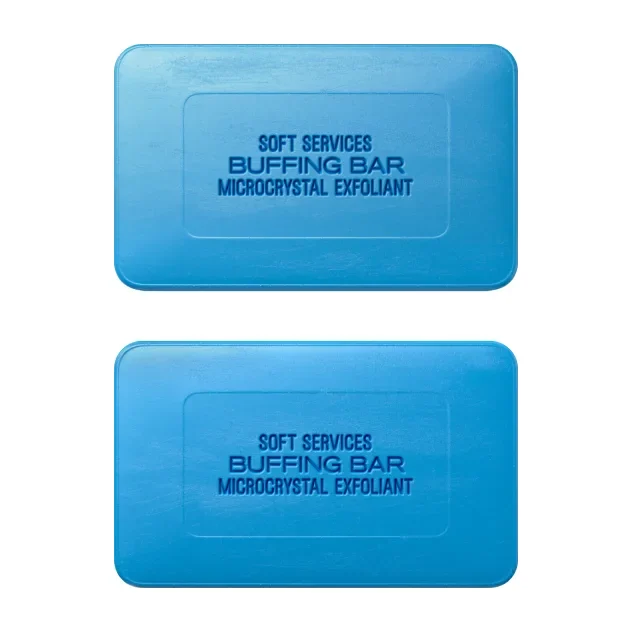 KP Smoothing MVP
 Buffing Bar
The Soft Services Buffing Bar is a genuinely clever take on body exfoliation — fine mineral microcrystals set in a shea-rich, fragrance-free soap base that polishes away KP bumps and ingrown-hair roughness without the gouge of a grainy scrub. It's effective, gentle, and broadly suitable; the main gripes are a bar that can crumble and a price that asks a bit much for body care.
Key Minerals & Salts · Shea Butter
 Cica Soothing Concentrate
 XYCOS Cica Green Serum
The leave-on treatment step of the Cica Green ritual — a lightweight serum that concentrates centella, spirulina and a barrier-repairing ceramide, and gets the longer skin contact a rinse-off step can't. It calms redness and steadies blemish-prone skin over time. The reservations are familiar for this line: alcohol mid-list and lavender oil, which matter more in a product you leave on.
Key Centella Asiatica · Spirulina
 Cica Balancing Toner
 XYCOS Cica Green Toner
A smarter-than-average toner for oily, blemish-prone skin that calms instead of strips — centella and spirulina for soothing, plus a ceramide and squalane for genuine barrier support. It balances congested skin without the tightness of a typical astringent toner. The catches are alcohol mid-list and lavender oil, which give sensitive or essential-oil-reactive skin reason to patch test.
Key Centella Asiatica · Spirulina
 Dry Skin's Daily Shield
 Urban Environment Fresh-Moisture Sunscreen SPF 42
A genuinely hydrating sunscreen that turns dry skin's daily UV protection from a chore into a treat — the dewy finish and 12-hour moisture make it feel more like skincare than sunscreen, though oily skin types and fragrance-sensitive users will want to look elsewhere.
Key Avobenzone · Homosalate
The full spirulina (arthrospira platensis) guide
Spirulina is a blue-green microalga grown in warm, alkaline lakes, better known as a smoothie powder than a skincare ingredient.
Its striking color comes from phycocyanin, a blue pigment that acts as an antioxidant and has caught the interest of cosmetic researchers. In skincare it turns up in masks and lightweight serums, pitched as a soothing, antioxidant addition for skin stressed by sun and city air. It's also an easy crop to grow, needing little land or fresh water.
How it's regulated in the US
FDA does not classify ingredients — it classifies products, by what they are sold to do. The same molecule can be a drug active in one product and a cosmetic ingredient in the next, and only the claim on the label decides which. What follows is a statement about that legal standing, not about whether it works — the evidence question is answered separately above.
Cosmetic Spirulina (Arthrospira platensis) is a cosmetic ingredient in the US: no OTC monograph covers it and it is not an active in any FDA-approved drug, so a product built around it is a cosmetic rather than a drug.
Lab and animal studies on spirulina circle around how its blue pigment handles the damage sunlight creates in skin cells. Cell studies explore antioxidant and soothing activity, wound healing, and collagen-making, while animal work has looked at whether small fragments of its proteins slow pigment-making after UV exposure. Human studies of spirulina on skin, used on its own, are still largely missing. An open question is how far its large pigment molecules can travel into skin, since eating it and applying it are very different things.
How it works
Most of spirulina's skincare activity traces back to its pigment complex — above all phycocyanin, which can make up roughly 15–20% of the dried biomass by weight. Phycocyanin is a phycobiliprotein that behaves as a broad radical scavenger, mopping up reactive oxygen species generated by UV exposure, pollution, and ordinary cellular metabolism. By lowering that oxidative load, it appears to blunt downstream events researchers associate with photoaging: MMP activation that degrades collagen, inflammatory signaling, and excess melanin production. On the brightening front, low-molecular-weight peptides isolated from spirulina have shown mixed-type kinetic inhibition of tyrosinase while also dampening the cAMP/PKA/CREB signaling that drives melanogenesis. Pairing enzyme inhibition with signaling modulation is mechanistically interesting and could prove more durable than blocking tyrosinase alone — though so far this evidence comes from cell models and mice, not human trials. Beyond the pigment, spirulina's amino acid and fatty acid content seems to nudge fibroblast activity and keratinocyte proliferation, with cell studies reporting improved collagen markers and wound-healing signals. That fits its dense nutrient profile: vitamins A, C, and E alongside gamma-linolenic acid, iron, and zinc. The unresolved question is whether meaningful amounts of these molecules survive a real formulation and reach the dermis — something current research hasn't pinned down.
Key benefits
- Adds an antioxidant layer against everyday sun and city stress
- A plant-based pick for dull, tired-looking skin
- Comforts skin that looks flushed after a day outdoors
- Sits easily in light serums and wash-off masks
- Grown with little land or fresh water
Concentration & usage
No standardized cosmetic concentration range has been set through clinical trials. The 2017 in-vitro wound-healing study used a cream containing 1.125% spirulina extract, while isolated phycocyanin antioxidant activity has been studied in solution at roughly 0.05–0.3 mg/mL. On INCI lists, look for SPIRULINA PLATENSIS EXTRACT or SPIRULINA PLATENSIS POWDER. Phycocyanin content within an extract swings widely by supplier and processing method, and most brands never disclose a standardized phycocyanin percentage. When spirulina sits near the end of an ingredient list, it's likely there as a marketing badge at a concentration too low to do much. Formulas that place it in the first half of the INCI — or that specify a phycocyanin-standardized extract — are the better bet for delivering relevant levels.
Who it's for & who should be cautious
Who it's for
If you're after antioxidant support and a little extra photoprotective backup — especially with dull or sun-stressed skin — spirulina is a reasonable plant-derived addition to an antioxidant serum step. It tends to suit oily and combination skin because it shows up in lightweight serums and gel formats that don't add heaviness. It also appeals to anyone gravitating toward sustainably sourced, non-synthetic actives, provided expectations stay grounded: this is not a stand-in for the deep evidence base behind vitamin C or niacinamide.
Who should be cautious
Anyone with a known shellfish, algae, or phycocyanin sensitivity should treat spirulina cautiously — IgE-mediated allergic reactions to spirulina, including documented anaphylaxis, have been reported in the literature, with C-phycocyanin flagged as a probable allergen. People with phenylketonuria (PKU) should note that spirulina contains phenylalanine, which matters mainly for ingestible products but is worth knowing. And if you're hoping spirulina will perform as a primary brightening or anti-aging active with the clinical backing of niacinamide, retinol, or azelaic acid, the current evidence simply doesn't support that level of expectation yet.
Pairs with & conflicts
Myths & facts
Myth: Spirulina is primarily useful as a detoxifying ingredient that 'pulls out' impurities from pores.
Reality: There's no mechanism by which spirulina extracts toxins from skin. Its documented activity is antioxidant, anti-inflammatory, and potentially anti-pigmentation — none of which involves physical adsorption of impurities. That 'pulling' claim belongs to kaolin clay and charcoal, not algae extracts.
Myth: The greener or bluer a spirulina product looks, the more potent it must be.
Reality: Color intensity reflects how much phycocyanin or chlorophyll sits in the raw ingredient — not the bioactive dose that actually reaches your skin. Processing, formulation pH, and whether the extract is standardized matter far more than the hue of the finished product.
Myth: Spirulina in skincare works the same way spirulina supplements do for your health.
Reality: Oral spirulina works through systemic absorption after digestion. Topical spirulina has to cross the stratum corneum to act, and large phycobiliprotein molecules like phycocyanin face real penetration limits — which is why the better-studied topical effects (surface antioxidant activity, some anti-pigmentation signaling) aren't the same as the nutrient benefits of a smoothie.
Frequently asked questions
Can spirulina take the place of vitamin C in my antioxidant serum step?
Not on the evidence we have. Vitamin C — L-ascorbic acid in particular — carries far deeper human clinical support for both antioxidant protection and collagen synthesis. Spirulina is a complementary antioxidant with a different mechanism, so phycocyanin's radical scavenging can broaden your coverage, but the years of trial data behind vitamin C simply don't exist yet for topical spirulina.
Is spirulina gentle enough for sensitive or redness-prone skin?
For most people, yes — it has anti-inflammatory properties and is generally well tolerated on skin. The real caveat is anyone who already reacts to algae, seafood, or phycocyanin, where allergic sensitization is a genuine possibility. If you tend toward contact reactions, patch testing on the inner arm for about a week is a sensible step before going near your face.
Will spirulina genuinely help fade dark spots or sun damage?
The mechanism is real — spirulina peptides inhibit tyrosinase and quiet key melanogenesis signaling, and mouse studies show measurable hyperpigmentation reduction after UVB exposure. What's missing is a well-designed human trial that isolates spirulina as the active variable. Treat it as a supporting player in an anti-pigmentation routine rather than a standalone fix at this stage.
Why does spirulina sometimes have an oceanic smell, and is that a problem?
Raw spirulina powder carries a distinctly marine, slightly earthy odor that some people dislike. Formulators usually mask it with fragrance or work with deodorized extracts, so a finished product should read as faintly aqueous or scentless. If a spirulina product smells aggressively fishy, that's worth a second look — it can hint at lower-grade raw material or poor masking.
Can the blue-green color stain my skin, pillowcase, or clothes?
The phycocyanin pigment can leave a temporary tint on skin, but usually only with high-concentration masks worn for a long stretch. At typical cosmetic levels, rinse-off and leave-on formats rarely cause visible staining. Fabrics are the bigger risk: if a mask looks intensely green or blue, rinse it off thoroughly and keep it away from white pillowcases and clothing while it's on.
Does the sustainability claim around spirulina actually hold up?
This is one place the marketing mostly checks out. Cultivating Arthrospira platensis takes far less land and freshwater than most botanical ingredients, generates little agricultural waste, and can run in controlled photobioreactors without pesticides. Life-cycle analyses back its low footprint relative to land crops — a fair point in its favor, entirely separate from the open question of its clinical efficacy.