Watermelon Extract
Products with Watermelon Extract
 Multi-Acid Korean Toner Pad
 LHA + AHA Korean Watermelon Toner Pads
Glow Recipe's multi-acid Korean toner pads stack five different exfoliating acids (lactic AHA, mandelic AHA, salicylic BHA, LHA capryloyl salicylic acid, PHA gluconolactone) plus a protease enzyme — substantially more aggressive than typical K-beauty pads. Strong for texture and pore concerns; the high acid load narrows the suitable user demographic.
Key Salicylic Acid · Watermelon Extract
 Australian Affordable Retinol
 Baby Face Retinol Serum
Bondi Sands Baby Face Retinol Serum combines 0.5% retinol with hydroxypropyl cyclodextrin encapsulation, watermelon fruit water, glycerin, squalane, and gluconolactone in a minimalist fragrance-free serum at 22 dollars for 30ml.
Key Retinol · Watermelon Extract
 Invisible-on-Deep-Skin SPF
 Isle Glow Face Moisturizer SPF 45
An SPF 45 glow moisturizer built around a problem the rest of the aisle ignored: chemical filters only, so it stays genuinely invisible on deep skin while sea moss and niacinamide earn it real skincare credibility. The dewy finish and primer-grip are lovely; just know the essential-oil fragrance is assertive enough to rule it out for reactive skin.
Key Avobenzone · Niacinamide
 Dewy-Glow Daily Pick
 Watermelon Glow Dew Shield SPF 30
A dewy-finish chemical sunscreen that genuinely delivers the lit-from-within glow it promises, with a smart slug of niacinamide doing double duty on pigmentation. It is hydrating, elegant, and pleasant to wear. The fragrance keeps it off the table for sensitive skin, and the dew can tip into shine on oily skin.
Key Avobenzone · Homosalate
 Budget Luxury Dupe
 Resurrection Polypeptide Cream
A genuinely impressive clean beauty moisturizer that delivers luxury-level texture and real hydration at a drugstore-adjacent price. The biotech peptide and resurrection plant story are compelling if still scientifically emerging, but the cream earns its viral reputation on sheer sensorial pleasure and honest effectiveness for dry skin.
Key Growth Factors · Squalane
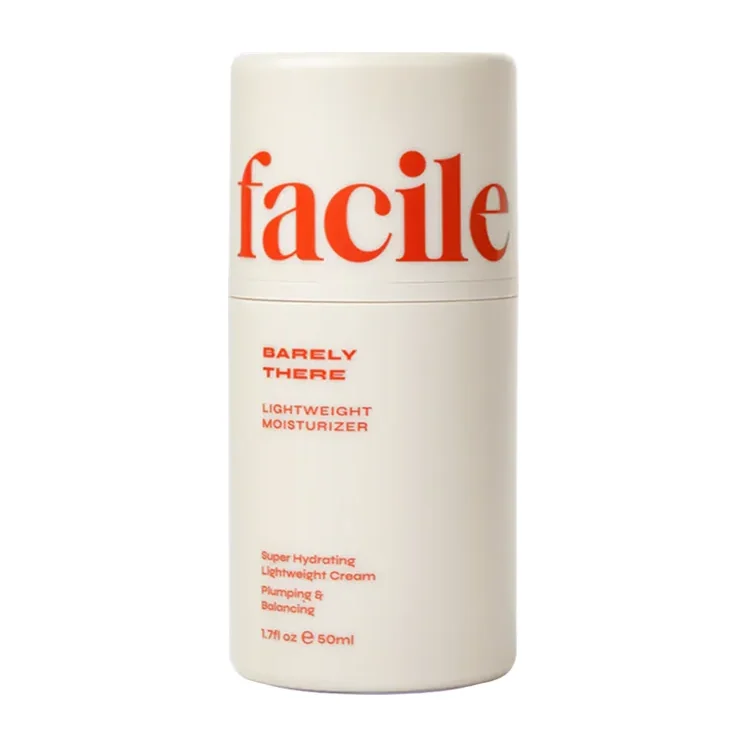 Derm-Built Daily Weightless
 Barely There
A genuinely weightless, fragrance-free daily moisturizer from a dermatologist-founded brand, with sensible humectants, squalane and panthenol at a fair $25. It suits oily, combination and sensitive skin especially well. The fruit complex is more marketing than muscle, and very dry skin will want something richer.
Key Squalane · Panthenol
 K-Beauty-Inspired Glow Getter
 Watermelon Glow Pink Juice Moisturizer
A genuinely fun, effective lightweight hydrator for oily and combination skin that earns most of its hype through thoughtful botanical formulation — though the added fragrance and mid-range price keep it from being an unreserved recommendation for everyone.
Key Watermelon Extract · Hyaluronic Acid
 Drugstore Sheet-Mask Standby
 I AM Hydrating Sheet Masks
A $3 drugstore sheet mask with one real idea, matching a water-type or a light mineral-oil essence to each of five fruit variants, and a lot of cartoon packaging around it. It hydrates for an evening, longer in the emulsion variants, and is perfumed in all of them; a cheerful standby for normal and dry skin rather than anything reactive skin should wear for half an hour.
Key Glycerin · Mineral Oil
 Summer Dew Pick
 Watermelon Dew Body Serum
A cheerful, budget-friendly all-over hydrator with a genuinely refreshing cooling feel and a sensible glycerin-and-hyaluronate core that leaves skin soft and dewy. The 50 percent watermelon is more sensory than treatment, and the added fragrance plus linalool keep it off the table for very sensitive skin. A fun, lightweight summer pick for face and body.
Key Watermelon Extract · Glycerin
 Lightweight Hydration Hero
 Watermelon Moisture Soothing Gel Cream
A fragrance-free watermelon gel cream that goes beyond the fruit gimmick with ceramide NP, phytosphingosine, and a genuinely thoughtful hydration system. Lightweight enough for oily skin, substantive enough for combination types, and gentle enough for sensitive faces — this is watermelon skincare done right.
Key Watermelon Extract · Ceramides
 Comfort-First Eye Cream
 Hyaluronic Acid Eye Cream
The quietest eye cream in TruSkin's range: a light, fragrance-free, lecithin-and-squalane emulsion with a fruit-extract hydration complex that keeps under-eyes comfortable and takes concealer well, and with the hyaluronate it is named for sitting fifteenth on the list. Nothing to react to and nothing to expect beyond hydration — fair value for the sensitive and the cautious, a shrug for anyone wanting results.
Key Hyaluronic Acid · Squalane
 Dewy Budget Face Mist
 Collagen + Rosewater Face Mist
A fourteen-dollar hydrating mist that is better than its label: the sodium PCA, lactate and glycerin genuinely soften skin, the fine spray head is a pleasure, and the rosewater-aloe base refreshes. The collagen and peptide on the front cannot do anything from a spray, the 'firmness' claim is pure marketing, and an added fragrance plus a dye keep it away from reactive skin.
Key Hydrolyzed Collagen · Rose Water
 Indian Summer Gel-SPF
 Watermelon Cooling Moisturizer SPF 35
A lightweight gel-cream SPF 35 moisturizer built specifically for oily summer skin in Indian heat. It delivers the cooling sensation that makes SPF actually wearable in humidity, backed by niacinamide and decent (if not outstanding) sun protection. The added fragrance and sub-SPF-50 rating are the main knocks against it.
Key Watermelon Extract · Niacinamide
 Glass-Skin Lip Pick
 Glass Balm Lip Treatment
A glossy, cushiony lip balm that nails the mirror-shine glass finish without the sticky drag of a traditional gloss, while hyaluronic microspheres and an occlusive base keep lips genuinely comfortable. It's more hydrating-gloss hybrid than intensive treatment, and the added fragrance and need for reapplication are the main caveats. For shine-plus-care in one swipe, it delivers.
Key Emollients · Hyaluronic Acid
 Refreshing Glow Mist
 Watermelon Glow Ultra-Fine Mist
An exceptionally fine, genuinely refreshing hydrating mist with an 84% watermelon base, light humectants, a touch of hibiscus AHA, and soothing centella. The micro-mist mechanism is a real highlight and it's lovely for refreshing skin or makeup. But it's a light, surface-level step, it's fragranced with limonene and benzyl benzoate, and a mist is a tough sell at $29 — buy it for the experience, not as a hydration cornerstone.
Key Watermelon Extract · Alpha Hydroxy Acids
 Makeup Meltdown Expert
 Slaai Makeup-Melting Butter Cleanser
A richly formulated cleansing balm that dissolves makeup beautifully while delivering a botanical oil pharmacy to freshly cleansed skin. The borage oil and African oil blend are genuinely special, but the incomplete emulsification and comedogenic base mean it works best as the first half of a double-cleanse routine.
Key Borage Seed Oil · Marula Oil
 Luxury Cleansing Ritual
 Goddess Cleansing Ritual Cleansing Balm
A genuinely luxurious cleansing balm with interesting exotic oils and a spa-like citrus scent that makes evening cleansing feel like self-care — but the $55 price tag for a wash-off product with minimal active benefit is a lot to ask, even in the luxury lane.
Key Vitamin C · Plant Butters
 Best Peptide Cushion Cream
 Watermelon Milk Peptide Cushion Cream
Glow Recipe's Peptide Cushion Cream stacks more than 10 peptides — including copper tripeptide-1, Matrixyl-class, and Argireline — with watermelon extract, ceramide NP, ectoin, squalane, and saccharide isomerate. Refillable Korean cushion format at 40 dollars for 50ml. Genuinely sophisticated formulation rather than influencer-marketed minimalist.
Key Matrixyl · Watermelon Extract
 Multitasking Dry Oil
 Watermelon Hemp Oil
A genuinely lightweight, fast-absorbing dry oil on a smart watermelon-and-hemp seed base, pitched as a three-in-one for face, body, and hair. The fresh citrus scent is lovely and the feel is non-greasy, but four essential oils — including phototoxic citrus peel oils — make it a riskier pick for sensitive or daytime facial use. Best enjoyed on body, hair, and resilient skin.
Key Watermelon Extract · Hemp Seed Oil
 Founder's Original Glow Oil
 Universal Face Oil
MARA's founding product is a pleasant, glow-giving blend of eight plant oils with a touch of algae that leaves dry skin soft and luminous. That is the extent of it: the anti-ageing claims are thin, citrus oils and four fragrance allergens rule out sensitive skin, and $72 buys mostly common oils in a beautiful bottle.
Key Moringa · Sunflower Oil
 TikTok Glass Skin Icon
 Watermelon Glow Niacinamide Dew Drops
Glow Recipe Dew Drops are the rare viral product that actually earned the hype. This skincare-highlighter hybrid creates an immediately visible glass-skin glow without shimmer or mica, using genuine hydrating ingredients to achieve what most products fake with reflective particles. The niacinamide concentration is lower than the name implies, but as a dewy-skin-in-a-bottle proposition, nothing else does it quite like this.
Key Niacinamide · Watermelon Extract
 Overnight Glow Reset
 Watermelon Glow AHA Night Treatment
A genuinely well-balanced overnight AHA treatment: a pH-buffered glycolic-and-lactic blend that resurfaces while niacinamide and heavy humectants keep skin hydrated and calm, so you wake up smoother and brighter rather than tight or stinging. It's one of the gentler, more approachable overnight acids around. The fragrance and the usual acid rules — sunscreen, no doubling up with retinol — are the main things to manage.
Key Alpha Hydroxy Acids · Niacinamide
 Skincare-Meets-Bronzer Hybrid
 Watermelon Glow Niacinamide Hue Drops
Glow Recipe Hue Drops are the natural evolution of the viral Dew Drops — adding sheer, buildable warmth to the same niacinamide-hyaluronic acid base while introducing centella asiatica for soothing benefits. The result is a genuine skincare-bronzer hybrid that delivers a sun-kissed glow with cumulative skin-improving effects, limited only by the fragrance inclusion and the inherent sheerness that may underwhelm bronzer enthusiasts.
Key Niacinamide · Centella Asiatica
 Oily-Skin Friendly Facial Oil
 Ultra Hydrating Watermelon Seed Oil
One of the most underrated facial oils on the drugstore shelf — a genuinely single-ingredient, high-linoleic watermelon seed oil that absorbs like a serum and costs the same as a sandwich. Ideal for oily, combination, and dehydrated skin types who thought facial oils weren't for them.
Key Watermelon Extract
 Dry-Skin Cleansing Balm
 From Green Avocado Cleansing Balm
A gentle, fragrance-free cleansing balm that melts makeup and sunscreen while conditioning dry skin with an avocado-oil-led blend rather than bare mineral oil. The green vegetable extracts are more theme than treatment, and the jar format won't suit everyone, but for a barrier-friendly first cleanse at a fair price, it's an easy, dependable pick.
Key Avocado Oil · Emollient Esters
 Clean-Rinse Sugar Scrub
 Watermelon Dew Sugar Polish
An honest, oil-free sugar scrub that grips, dissolves and rinses completely clean, which is rarer than it sounds and makes it a good pick for oily or breakout-prone body skin. The watermelon is a scent and a name, the extract is decorative, and the 'mango seed butter' on the product page is not in the tub. As a fruity weekly polish at a fair price, it does its one job well.
Key Physical Exfoliants · Glycerin
 Budget Charcoal Scrub
 Tomatoes Detoxifying Charcoal Deep Cleansing Scrub
Yes To's Tomatoes Charcoal Scrub is a pleasant, affordable manual exfoliating cleanser with fine charcoal grit in a conditioning, non-stripping base. The catch worth knowing: unlike the brand's matching cleanser, it has no salicylic acid, so it smooths texture and lifts oil but doesn't actually treat acne. Fragrance makes it a skip for sensitive skin, but for budget physical exfoliation, it does the job gently.
Key Activated Charcoal · Watermelon Extract
 Light Daily Conditioner
 Daily Workout Conditioner
A light, silicone-free daily conditioner built on fatty alcohols and panthenol with a deliberately small oil load, good for conditioning normal and oily-rooted hair every day without flattening it, at ten dollars. It is also the most fragrance-forward conditioner Acure makes, with orange peel oil fourth in the list and four declared allergens on a product applied by hand daily, which makes it wrong for reactive skin; dry and coarse hair will find it thin.
Key Fatty Alcohols · Essential Oils
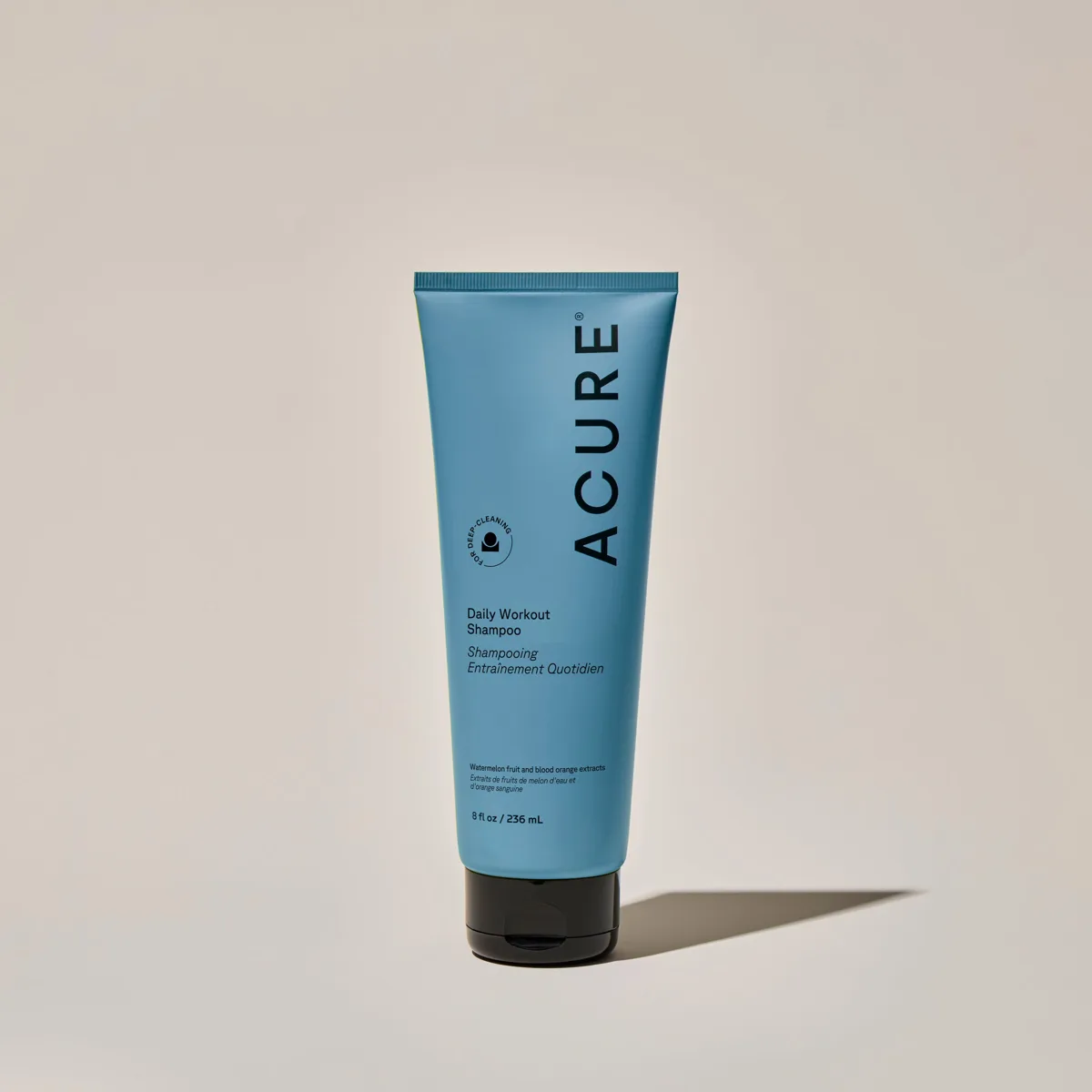 Gentle Post-Gym Wash
 Daily Workout Shampoo
The leanest, most citrus-scented dressing of Acure's single sulfate-free shampoo base, and a sound choice for washing normal-to-oily hair every day after exercise without drying the scalp. That is the whole product: the watermelon and blood orange are rinsed away, it removes sweat because everything does and build-up because nothing this mild can, and the declared limonene and clove oil make daily use a real consideration for reactive scalps.
Key Cleansing Surfactants · Film Formers & Texture Polymers
The full watermelon extract guide
Watermelon extract brings more to a formula than summery branding.
The fruit, rind and seeds each contribute something different: citrulline, an amino acid the skin can put to work; lycopene, the red antioxidant behind the color; and a light seed oil rich in linoleic acid that helps the barrier. Add the fruit's natural sugars and amino acids, and you get a refreshing, lightly hydrating ingredient that suits oily and combination skin and sits comfortably on sensitive skin.
How it's regulated in the US
FDA does not classify ingredients — it classifies products, by what they are sold to do. The same molecule can be a drug active in one product and a cosmetic ingredient in the next, and only the claim on the label decides which. What follows is a statement about that legal standing, not about whether it works — the evidence question is answered separately above.
Cosmetic Watermelon Extract is a cosmetic ingredient in the US: no OTC monograph covers it and it is not an active in any FDA-approved drug, so a product built around it is a cosmetic rather than a drug.
Watermelon gets split into its parts by researchers, with each part of the fruit asked a different question. Lycopene is studied as an antioxidant against sun stress, though the human work there mostly gave it by mouth, in tomato-based supplements, rather than on skin. Citrulline is looked at in cell studies for repair and circulation signals, and the seed oil for its fatty acid makeup. Studies of the extract on skin, measuring hydration and elasticity, are few and small. Whether the amounts in a typical product deliver what the lab work suggests is still an open question.
How it works
It helps to picture watermelon as three ingredients working in parallel rather than one. The fruit extract (INCI: Citrullus lanatus fruit extract) supplies citrulline — an amino acid found throughout the fruit, with the rind among the richer sources — alongside lycopene, trace vitamins A, C, and E, and mineral salts such as potassium and magnesium. Skin cells can convert citrulline into arginine, which feeds nitric oxide pathways tied to microcirculation and collagen-supporting repair signals; cell studies also suggest it may temper inflammatory markers like COX-2, a plausible reason watermelon-heavy formulas read as soothing. Lycopene is a carotenoid whose long conjugated double-bond structure makes it especially good at quenching singlet oxygen, the reactive species UV and pollution generate — in lab and supplementation work this tracks with less oxidative damage and some dampening of the matrix metalloproteinase activity that degrades collagen. The fruit extract is also mildly hydrating, since its amino acids and natural sugars behave as humectants that bind water in the upper skin layers. Watermelon seed oil (Citrullus lanatus seed oil) plays a separate role: a light, fast-sinking carrier oil dominated by linoleic acid, the fatty acid skin draws on to reinforce its barrier lipids. Its low comedogenicity makes it a sensible pick in formulas aimed at oily or breakout-prone skin. Between them, these elements cover hydration, antioxidant defense, and barrier support through complementary routes — most of it well-rationalized mechanistically, with human topical proof still catching up.
Key benefits
- Light, refreshing hydration without a heavy feel
- Lycopene adds antioxidant care against sun and pollution
- Seed oil supports the barrier's own fats
- Comfortable for oily, combination and sensitive skin
- Layers nicely beside a vitamin C serum
Concentration & usage
Cosmetic formulas commonly use the fruit extract anywhere from 0.1% to around 10%; studies probing hydration and elasticity have leaned toward the higher 5–10% range for measurable effects, while most leave-on products sit closer to 1–3%. On an INCI list, watch for Citrullus lanatus fruit extract, Citrullus lanatus (watermelon) fruit extract, or Citrullus lanatus seed oil — the seed oil often appears lower down in lighter formulas but is the more concentrated route for linoleic acid. There is no particular pH requirement: unlike vitamin C or AHAs, watermelon extract does not depend on an acidic environment to remain functional.
Who it's for & who should be cautious
Who it's for
A natural fit for oily and combination skin, since the seed oil is non-comedogenic and the extract's light humectancy hydrates without weight. It also layers nicely alongside a dedicated vitamin C serum for anyone wanting broader antioxidant coverage, because lycopene and vitamin C protect through different chemistry. Sensitive skin generally tolerates it well, given its low irritation profile.
Who should be cautious
Gourd-family (cucurbit) allergies — cucumber, melon, and squash — warrant a patch test first, as cross-reactivity is uncommon but real. Outside of that, there are no populations for whom watermelon extract is specifically contraindicated. It is not a stand-in for sunscreen: the photoprotective signal is supportive, not strong enough to justify skipping SPF.
Pairs with & conflicts
Myths & facts
Myth: Watermelon extract is basically flavored water — the good stuff washes out in processing.
Reality: The bioactives — citrulline, lycopene, and phenolic antioxidants — survive in properly stabilized extracts. Lycopene is fat-soluble and stays put during water-based processing, and citrulline is a stable amino acid. Formulation quality matters, but writing the extract off as inert misreads the chemistry.
Myth: Because watermelon is mostly water, it hydrates skin the same way drinking water does.
Reality: The hydration here comes from citrulline, amino acids, and sugars acting as humectants — molecules that actively pull in and hold water in the upper skin layers. Plain water on skin simply evaporates; these compounds bind it in place, which is a meaningfully different mechanism.
Myth: Lycopene makes watermelon extract a stand-in for sunscreen.
Reality: Lycopene offers antioxidant support that may blunt some UV-induced oxidative damage, but it does not absorb UV the way sunscreen filters do. The SPF contribution from any skincare-level lycopene dose is negligible — it complements sun protection rather than replacing it.
Frequently asked questions
Is watermelon fruit extract the same thing as watermelon seed oil?
They come from the same fruit but do different jobs. Watermelon fruit extract (Citrullus lanatus fruit extract) is a water-based extract of the flesh or rind carrying citrulline, lycopene, and trace vitamins. Watermelon seed oil (Citrullus lanatus seed oil) is pressed from the seeds and is rich in linoleic acid and vitamin E, behaving like a lightweight carrier oil. Some formulas use both; others only one.
Will watermelon-based products clog pores or trigger breakouts?
Watermelon seed oil is regarded as non-comedogenic — its high linoleic acid content is associated with a lower pore-clogging tendency than oleic-acid-heavy oils. The fruit extract itself is light and water-based, with nothing in its profile known to provoke breakouts, so it tends to suit acne-prone skin.
Does watermelon extract genuinely guard against sun damage?
It adds antioxidant defense — lycopene is unusually good at quenching the singlet oxygen UV produces — but it is not a UV filter and cannot replace SPF. Treat it as one layer in an antioxidant strategy, not standalone sun protection. It is also worth noting the strongest human lycopene data comes from oral supplements, not topical extract.
Is it safe to use watermelon extract while pregnant?
Topically there are no known concerns: watermelon fruit extract and seed oil are botanicals without documented pregnancy contraindications at cosmetic concentrations. Running any new product past your healthcare provider during pregnancy is always reasonable, but nothing in this ingredient's profile raises a specific flag.
Why do brands so often pair watermelon extract with niacinamide?
The two are complementary rather than strictly synergistic. Watermelon contributes light humectancy and antioxidant activity, while niacinamide handles pore appearance, barrier support, and pigmentation. They tackle different concerns in one lightweight product, and they happen to play well together texturally — both suit gel and serum formats.
How can I tell if a product has enough watermelon extract to matter?
INCI position is the tell: if Citrullus lanatus fruit extract sits among the last few ingredients and after the preservatives, it is likely at a fragrance-level token amount. Testing data suggests functional antioxidant and humectant effects show up roughly in the 1–10% range, and products built around watermelon usually list it higher up rather than burying it.