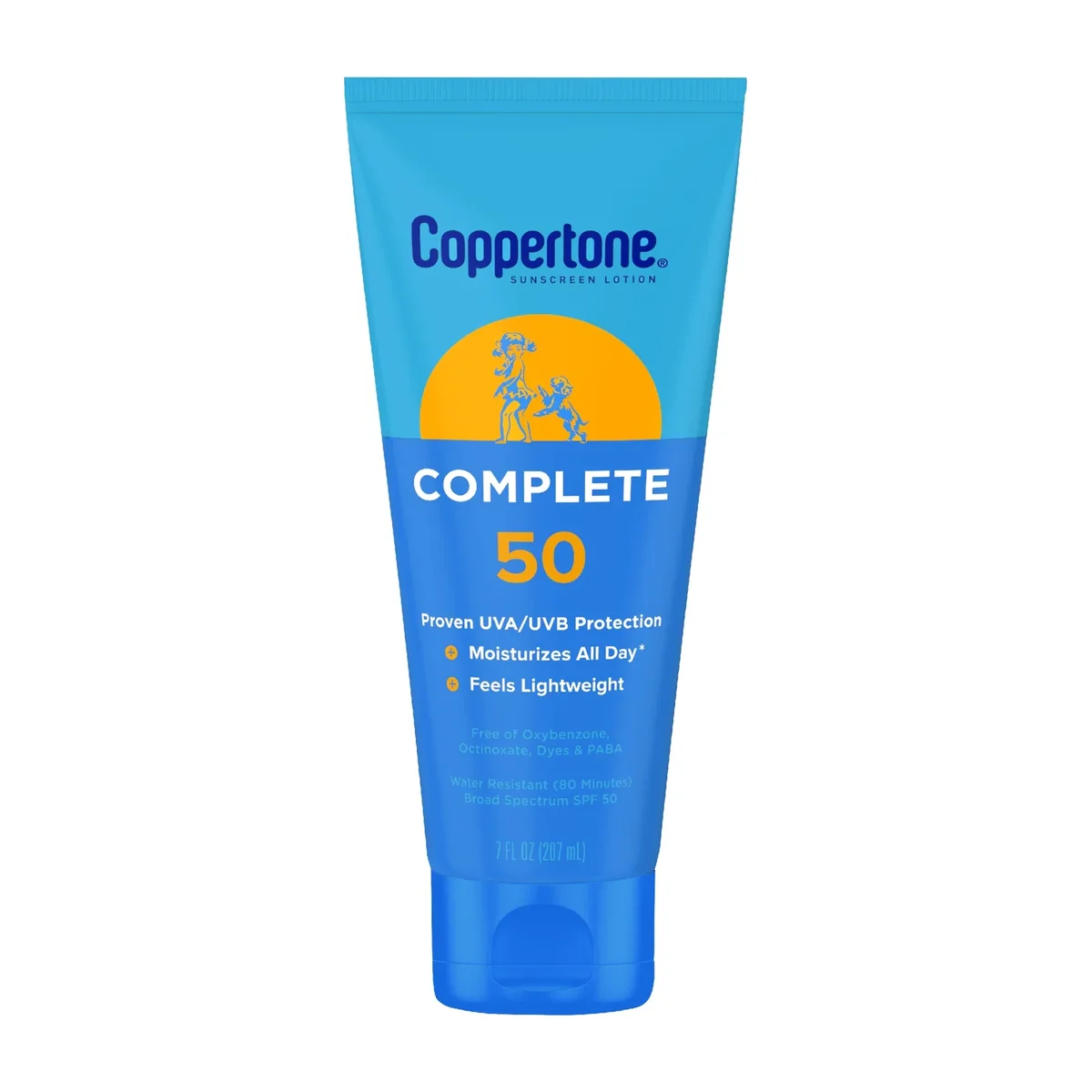
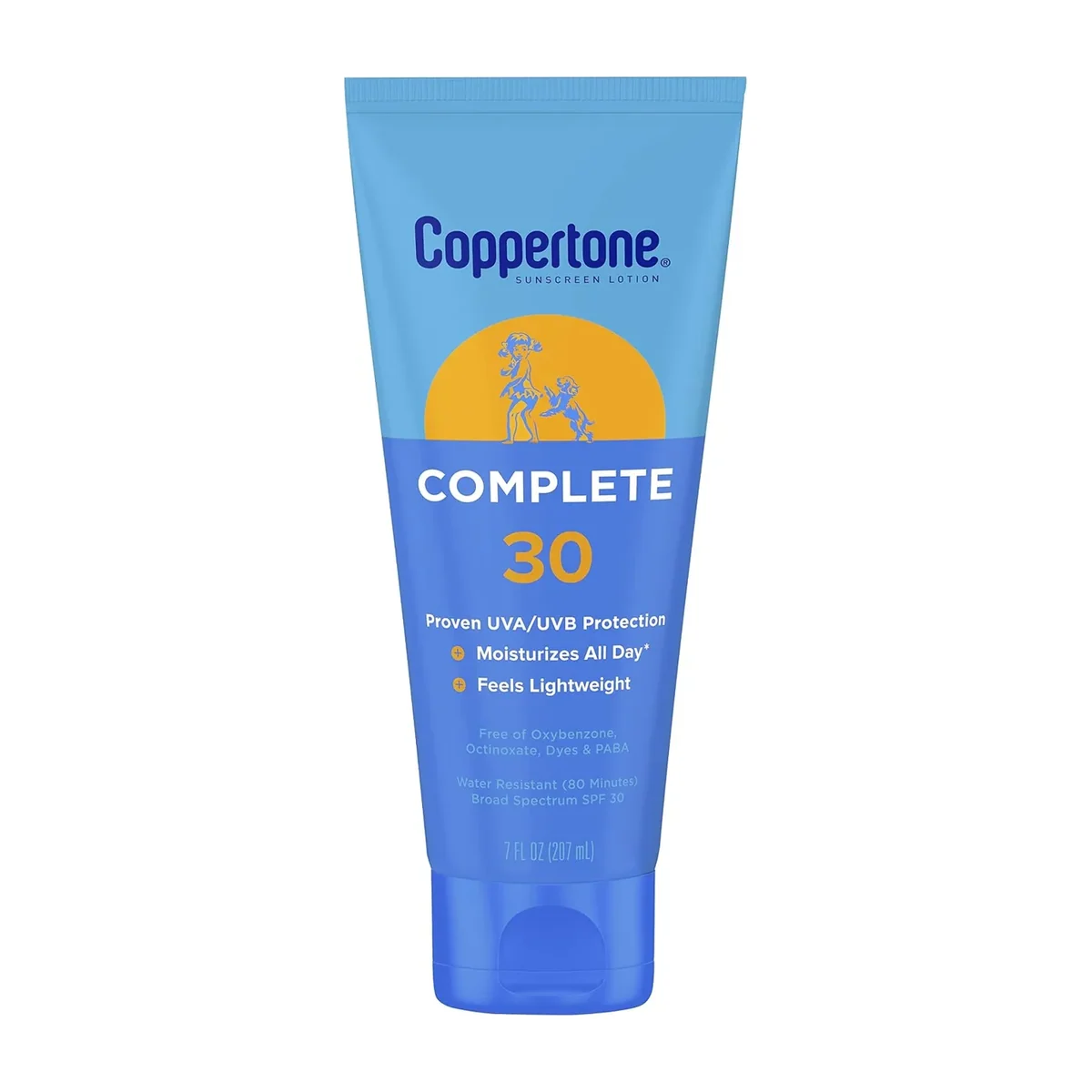
There's a moment during any outdoor workout — usually about 20 minutes in, when the first real sweat breaks — where you learn whether your sunscreen is going to stay on your face or make a slow, stinging descent toward your eyes. It's the moment that separates a sport sunscreen from a regular sunscreen wearing aspirational packaging. Coppertone Sport Face SPF 50 exists specifically for this moment.
The formula is the same four-filter chemical system that powers the entire Sport line: avobenzone (3%) for UVA, homosalate (10%) and octisalate (4.5%) for UVB, and octocrylene (8%) serving dual duty as a UVB filter and avobenzone stabilizer. There's nothing novel about this combination — it's been the American standard for high-SPF chemical protection for years. What makes the Face version distinct is the texture engineering. The inactive ingredients have been adjusted to create a lighter, less greasy feel that sits more comfortably on facial skin during physical activity. That's worth spelling out because of a common assumption running the other way: face-specific sunscreens don't protect better than their body siblings. The filters here are identical to the body Sport lotion; what you're buying in the Face version is texture, portability, and comfort — the protection itself is set by the actives and how generously you apply them.
Aluminum starch octenylsuccinate is the unsung hero of the formula — it's the ingredient that gives the sunscreen its sweat-resistant, matte-drying properties. Silica adds further oil absorption, and a styrene-acrylates film-former builds the flexible mesh that holds the whole thing in place through perspiration. The result is a lotion that applies with a slight creaminess, sets within 30 seconds to a lightweight, non-shiny finish, and largely stays put when your forehead starts sweating.
Largely. Not entirely. During intense heat and prolonged sweating — a summer half-marathon, a two-hour mountain bike ride in August — some migration is inevitable. A few reviewers report eye stinging during heavy perspiration, which is the trade-off of using chemical filters on the face during extreme activity. The formula resists this better than a standard non-sport sunscreen, but it's not immune to physics. If you're doing ultramarathons in the desert, a mineral stick sunscreen for the brow area might be a pragmatic backup. The related expectation worth correcting is the word 'waterproof,' which no sunscreen has been allowed to claim since the FDA banned the term: the 80-minute water-resistance rating means the SPF survived two 40-minute immersions in controlled testing, not that the product is permanent. Reapply every two hours regardless, a nickel-sized amount for the face each time, and immediately after toweling off.
Glycerin provides modest hydrating support, preventing the tight, dry feeling that sunscreens can create on the face during extended outdoor exposure. Tocopherol (vitamin E) adds antioxidant backup, and sodium ascorbyl phosphate (vitamin C) makes an appearance near the end of the INCI list, contributing additional photoprotection support. These are nice touches that add a sliver of skincare value to what is primarily a functional protection product.
The fragrance is the one genuinely unnecessary ingredient. In a face sunscreen designed for active use — where sweat is expected, eye proximity is a given, and sensitivity to irritants increases with exertion — adding fragrance is a choice that serves marketing rather than performance. It's a light scent that fades quickly, and it doesn't seem to cause widespread irritation based on reviews, but its presence means this product can't serve the sensitive-skinned athletes who need sport performance without fragrance. Coppertone's Pure & Simple line fills that gap, but forcing a product switch for what amounts to a perfumery decision is a minor frustration.
The compact 2.5 oz tube — flip-top cap, the Sport line's unmistakable orange and blue — is perfectly sized for the use case. It slides into a running belt, clips onto a golf bag, or fits in the small pocket of a cycling jersey. This matters more than it might seem — the best sunscreen is the one you actually have with you when you need to reapply, and a 7 oz body bottle doesn't travel well. The one routine obligation the sporty positioning doesn't advertise: the film-former that keeps it on through a workout also means a proper double cleanse at night to get it fully off.
A couple thousand reviewers put it at a steady 4.2, and their consensus reads like the formula sheet annotated: consistent praise for staying put through sweat, the light non-greasy feel, and the travel-friendly size; recurring complaints about the fragrance, occasional eye sting in extreme conditions, and a slight tackiness in the first minute. Nobody is confused about what they bought.
At roughly $10.99, the pricing is fair for a face-specific sport sunscreen — it's even HSA/FSA eligible, a quiet reminder that sunscreen is healthcare. A tube lasts one to two months of regular pre-workout application, and the cost per use is minimal. The water resistance at 80 minutes means you're covered through most workout sessions without needing to interrupt your activity for reapplication.
The Coppertone Sport Face SPF 50 is not trying to be a daily facial sunscreen. It's not trying to go under your foundation or replace your morning moisturizer with SPF. It's trying to keep your face protected during the hours when you're running, cycling, hiking, swimming, or otherwise doing things that make regular sunscreens give up and slide off. At that specific job, it performs reliably, affordably, and from a brand that's been doing sun protection since 1944 — recently enough voted America's most trusted sunscreen name — which is longer than most of us have been alive.