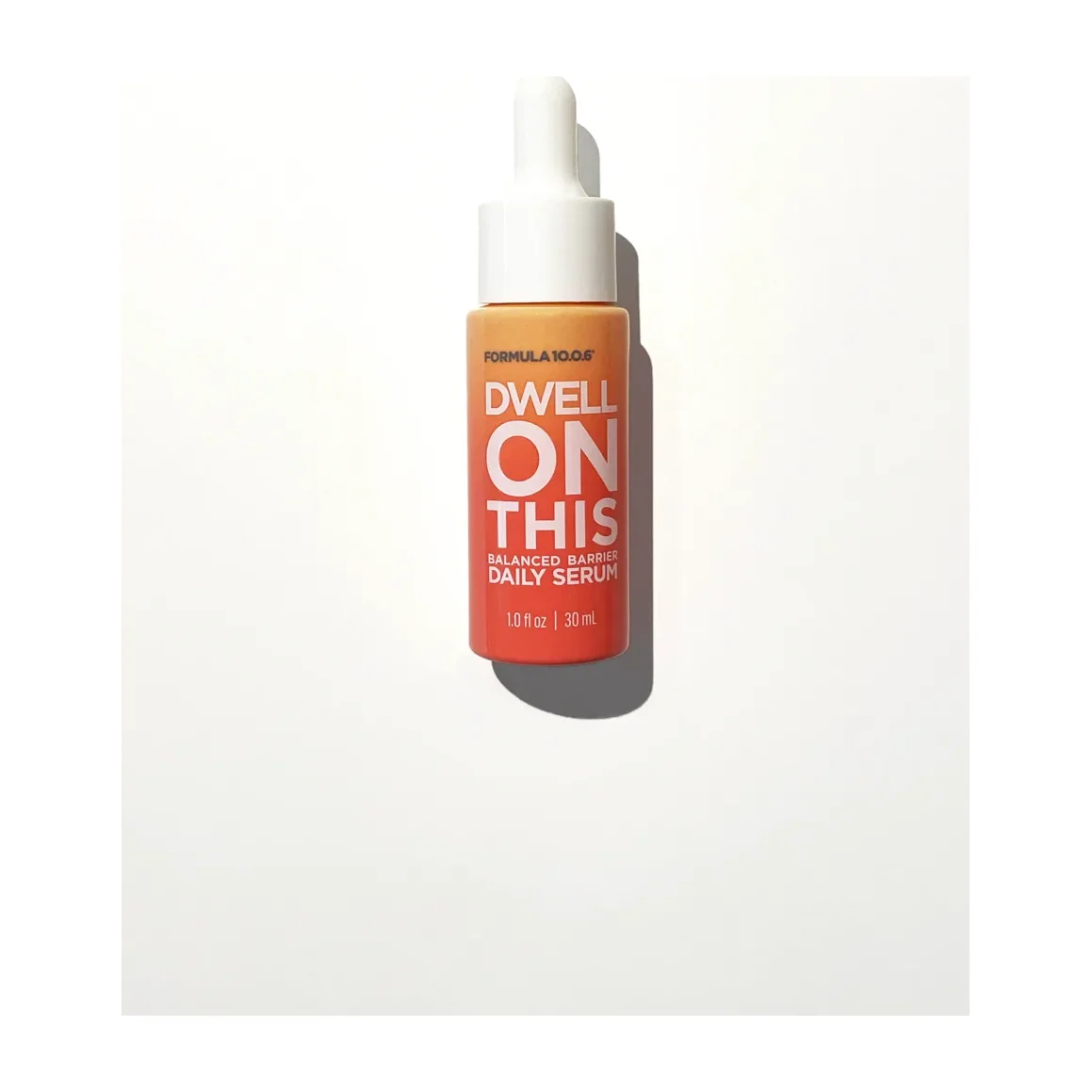
The science
The idea behind this serum has a real literature, even if the serum itself does not. A 2026 review in Skin Research and Technology on cosmetic interventions for skin microbiome modulation surveyed the current strategies — prebiotics, postbiotics and, more rarely, live probiotics — and found that prebiotic sugars such as inulin and alpha-glucan oligosaccharide can selectively support beneficial commensals over pathobionts in laboratory and small human studies, while noting that most evidence comes from ingredient suppliers, that study durations are short, and that links from a shifted bacterial ratio to a visible skin benefit remain thin. That is an honest summary of where this product's headline sits: a plausible mechanism with modest, interested evidence, and no data on this formula.
The humectants are on firmer ground. Saccharide isomerate was tested in a 2025 randomized split-face study in the Journal of Dermatological Treatment, where a moisturiser containing it accelerated barrier restoration after intense pulsed light treatment compared with control — evidence that the ingredient binds to and hydrates the stratum corneum in a way that measurably helps a stressed barrier. Hyaluronic acid's hydrating effect is documented across molecular weights, including a 2024 double-blind randomized controlled trial in Archives of Dermatological Research in older adults with xerosis, in which topical hyaluronic acid of different molecular weights improved hydration and dryness scores. Together with glycerin and propanediol, these are the reasons the serum plumps the skin on contact.
What the formula lacks is as important as what it has. Barrier 'strengthening' in the dermatological sense means restoring the ceramide-cholesterol-fatty acid lipid matrix, and there are no lipids in this serum at all; its contribution to the barrier is hydration and, speculatively, a friendlier microbial balance. The kelp, chlorella and sea water are trace-level soothers and mineral sources with no expected clinical effect, and dimethyl isosorbide, a solvent and penetration enhancer, is the only ingredient with a meaningful irritation potential, and only on compromised skin.
References 3 ShowHide
- Cosmetic Interventions for Skin Microbiome Modulation: Current Strategies and Future Directions — Skin Research and Technology (2026)
- A novel facial moisturizer containing Saccharide isomerate accelerates skin barrier restoration following intense pulsed light treatment: a randomized split-face study — Journal of Dermatological Treatment (2025)
- Effectiveness of topical hyaluronic acid of different molecular weights in xerosis cutis treatment in elderly: a double-blind, randomized controlled trial — Archives of Dermatological Research (2024)