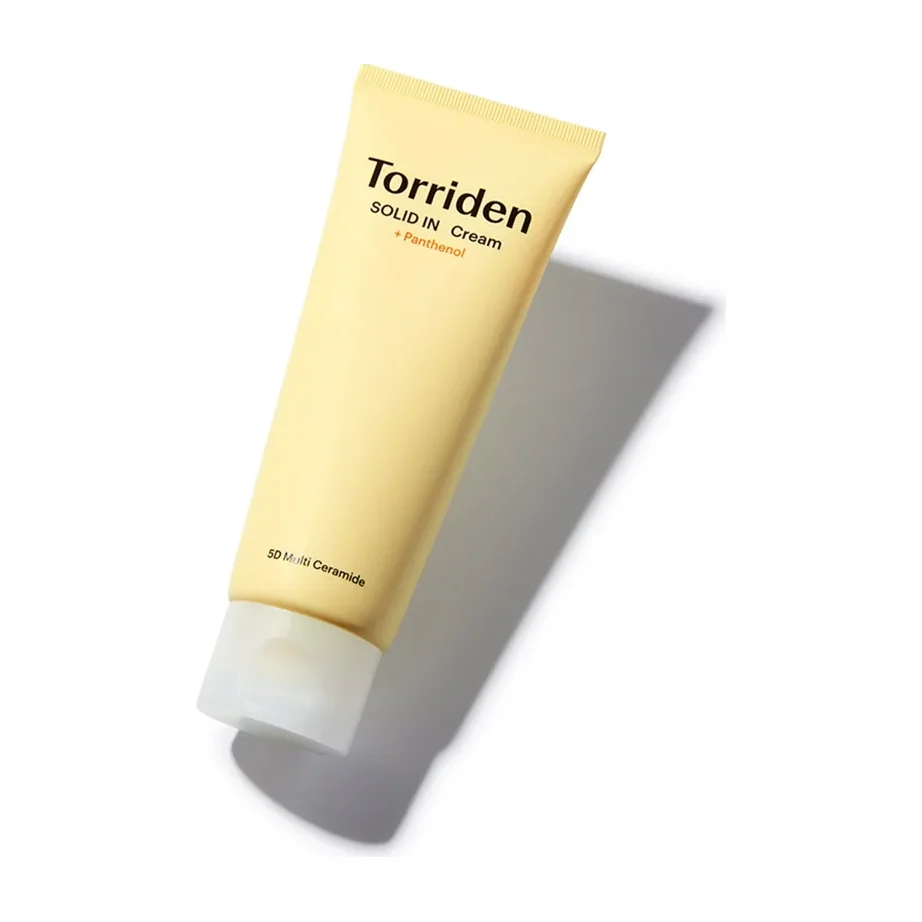
Some K-beauty brands build an entire international identity around a single ingredient, and VT Cosmetics did exactly that with Centella asiatica, with this cream as the product that started it all. Released in 2016, the Cica Cream was the formula that convinced Korean beauty retailers across the US and Europe that cica was the next major soothing active, and nearly a decade on it still holds its own against the dozens of copycats it inspired. What set it apart then and now is the same thing that makes VT's lighter Calming Cream work: rather than relying on whole-plant Centella extract alone, it builds in the four isolated triterpenoids, madecassoside, asiaticoside, asiatic acid, and madecassic acid, in controlled form on top of the extract itself. That standardization is why the soothing performance is consistent from jar to jar in a way pure-extract cica products often are not.
The Centella complex is the scientific anchor, and it is a well-supported one. These four triterpenoids have been studied individually and together for wound healing, barrier repair, and anti-inflammatory activity, with research on titrated Centella extract stretching back to the 1960s. Madecassoside in particular has drawn attention for its documented effects on fibroblast collagen production and its modulation of inflammatory cytokines. None of that is hype; it is a genuinely evidence-backed soothing platform, and it is the reason this cream behaves reliably on irritated skin rather than merely promising to.
What distinguishes this version from its lighter sibling is entirely the base. Where the Calming Cream sits on a humectant-forward emulsion tuned for combination skin, this one is built on shea butter, squalane, and a more substantial lipid complex. Shea contributes oleic, stearic, linoleic, and palmitic fatty acids plus unsaponifiable triterpenes and phytosterols with their own mild anti-inflammatory character, while squalane, a non-comedogenic sebum-mimicking lipid, replenishes the barrier without heaviness. Together they form a soft occlusive layer that slows transepidermal water loss while the triterpenoids and niacinamide work at the cellular level. Niacinamide adds barrier support and a small but real tone-evening effect, and adenosine, Korea's MFDS-approved functional wrinkle-care ingredient, contributes a subtle anti-aging angle at its regulated concentration. The result actually feels like a winter moisturizer, cushiony and press-into-dry-cheeks rich, the kind that makes chapped skin exhale, yet against expectations it does not feel greasy. The squalane and the hydrating glycerin-butylene glycol base balance the shea so it absorbs to a satin finish rather than sitting as a film.
In use, the calming action shows its lineage. On reactive skin, windburned, post-shower tight, freshly over-exfoliated, or simply flaring, the cream feels cool and comforting on first application, with visible redness tending to drop within about fifteen minutes. That is the triterpenoid complex doing its job, and over consecutive days of use baseline reactivity tends to calm, which is the real measure of a soothing moisturizer rather than a one-time sensation. Expect immediate hydration and soft skin feel, visible calming within a few uses, and barrier improvement typically settling in over two to three weeks of consistent application. The adenosine wrinkle benefit is a quiet bonus rather than the main event, and VT sensibly does not pretend otherwise, but for someone using this as barrier support on mature skin it is a welcome inclusion.
The main drawbacks are mostly about fit rather than quality. The shea-forward base is genuinely rich, which makes it a poor match for oily and acne-prone skin in warm weather, where layering it over serums on summer mornings can feel like too much; for those skin types, the lighter Calming Cream variant exists precisely for this reason and is the better default. Shea butter, while not strongly comedogenic, also nudges this away from very acne-prone skin. The 50ml size is smaller than the Calming Cream offers, so it runs out faster, and the wide-mouth jar with a plastic inner lid is the usual K-beauty packaging concession, exposing the formula to air and fingers in a way an airless pump would avoid. The phenoxyethanol preservation is standard and effective, but using clean hands or a spatula is the meticulous move if you want to protect the Centella actives over time. It is also not certified vegan despite its otherwise clean profile.
On value, $22 for 50ml is fair rather than a bargain. You are not getting a steal, but you are not paying for prestige branding either; what you are paying for is a properly formulated, standardized Centella cream in a genuinely rich base, which is a thing worth owning. For dry, sensitive, winter-battered, or barrier-compromised skin, and for anyone recovering from a procedure or a flare, this remains one of the first creams to reach for. The cream that launched VT's reputation has aged into a dependable, evidence-grounded staple, and that is a rarer outcome than its imitators would suggest.
A practical note on how to get the most from it, since texture and timing both matter here. This is a night-and-morning moisturizer for the skin types it suits, applied as the last hydrating step before sunscreen in the day or as the seal on an evening routine, and a little goes further than the rich texture suggests. Pressed into damp skin after a serum, it spreads into that satin finish and locks in the layers beneath, which is exactly how a barrier cream should behave. On acutely irritated or post-procedure skin, applying it in a slightly thicker layer as an occasional comforting mask is a reasonable move, because the triterpenoid-and-lipid combination is built precisely for those flare moments rather than just daily maintenance.
It also pairs intelligently with the kind of actives that tend to leave skin raw. Used after a retinoid or an exfoliating acid, it can blunt the sting and dryness those treatments cause, letting more sensitive users tolerate a routine they might otherwise have to abandon. That buffering role, soothing the collateral irritation of stronger actives, is one of the most useful jobs a well-built cica cream can do, and this one does it reliably thanks to the standardized triterpenoid dose. For someone slowly building tolerance to a retinoid through a cold, dry winter, a cream like this earns its keep several times over, which is a more compelling reason to own it than any single headline ingredient.