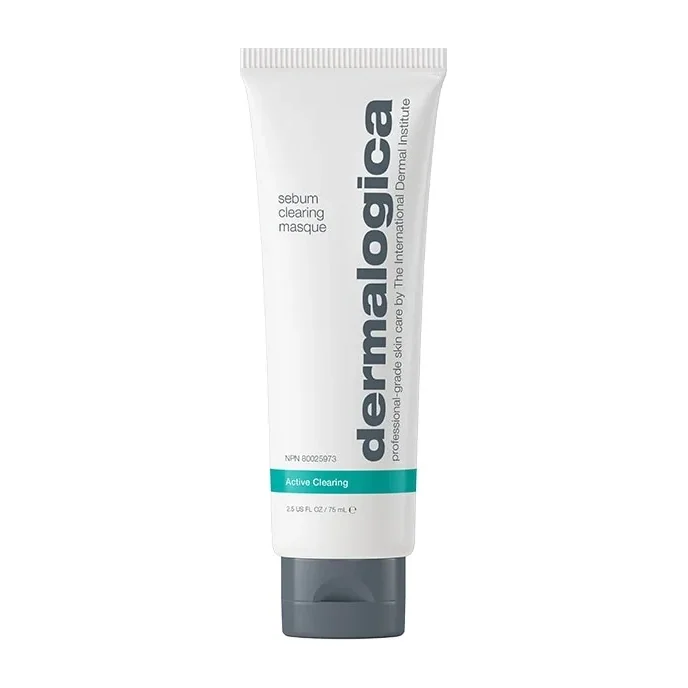
Every clay mask is a negotiation. Clay is brilliant at one thing, soaking up oil, but its great weakness is that it does not know when to stop, so the classic clay-mask experience is a tight, cracking, slightly miserable ten minutes that ends with skin so stripped it overcompensates by pumping out more oil. The Superclay Purify + Clear Power Mask is interesting precisely because it was built to win that negotiation, and for oily and combination skin, it largely does. This is the rare clay mask that treats absorbency as a starting point rather than the whole personality. The absorbent core is genuinely robust. Youth to the People stacks three clays, kaolin, bentonite and montmorillonite (French green clay), and adds charcoal powder for extra adsorptive pull. Kaolin is the mildest of the trio, bentonite and the green clay are the heavy lifters, and using them together means the mask can pull a satisfying amount of sebum and gunk out of congested pores without relying on one overly harsh clay. Spread it on and it goes cooling and smooth, dries to a matte film over about ten minutes, and rinses to leave skin visibly less shiny and noticeably cleaner. So far, so clay mask. What elevates it is everything layered around that absorbent base. There is 2% niacinamide, a properly useful concentration that helps regulate the very oil the clays are mopping up and supports a more even tone over time. There is salicylic acid, an oil-soluble BHA that actually gets into pores to loosen the plugs the clays then lift, plus a small dose of lactic acid to smooth the surface. This is the difference between a mask that just blots oil off the top and one that works on the actual mechanics of congestion. And then, crucially, there is the soothing crew: allantoin, aloe, kombucha black tea ferment and a bit of safflower oil, all there to counteract the dryness that clays and acids would otherwise cause. The formula is even fragrance-free, which is a thoughtful touch in a category that loves to add a 'detoxifying' scent. The experience reflects that engineering. On application you get a mild, cooling tingle from the acids, then a gentle tightening as it dries, but it does not crack into the desert-cracked-earth look that signals a mask is sucking your skin dry. After rinsing, skin feels clean and matte but not squeaky or stripped, which is exactly the brief. For oily and combination skin, used once to three times a week, it does a reliable job of keeping congestion, blackheads and surface breakouts in check, and the tube packaging is more hygienic and travel-friendly than the open tubs most clay masks come in. There are honest limits worth being clear about. Despite the soothing buffers, this is still a clay-and-acid mask, so dry, sensitive, rosacea-prone or eczema-prone skin should approach with caution or skip it; the absorbency that delights oily skin can leave already-dry skin uncomfortable. It is also a maintenance product, not an acne cure: it manages oil and mild congestion well, but moderate-to-severe acne needs a dedicated treatment routine, not a weekly mask. You must follow it with hydration; rinsing and walking away leaves skin thirsty and undoes some of the careful balance. And then there is the elephant in the room: Youth to the People has discontinued it. That does not change how good the formula is, but it does mean tracking it down now involves remaining retailer stock and resale, and prices and availability will be inconsistent. At its original thirty-six dollars for the full size, it sat at the premium end of clay masks but justified it with the active payload and the soothing engineering, better value than a bare kaolin mask, if not the cheapest option. The bottom line is that this is one of the better-formulated clay masks of its era, a genuine oil-control workhorse that respects the barrier instead of bulldozing it. If you have oily or combination skin, get congested or shiny, and can still find it, it is well worth using, with the simple caveats to keep sessions to about ten minutes, rehydrate afterward, and not ask a weekly mask to do a daily treatment's job. A note on technique that improves results: apply it to slightly damp skin, focus the thickest layer on your oiliest zones such as the nose, chin and forehead, and go lighter or skip drier areas entirely, since combination skin rarely needs the same treatment everywhere. You can also use it as a targeted spot mask on a single congested patch rather than across the whole face, which stretches the tube and spares drier areas the absorbency they do not need. It is a shame it is gone, because it got the hard part right: a clay mask that respects your barrier is genuinely rare, and this one managed it without sacrificing the oil-control performance that made people reach for clay in the first place.