Masks for Acne: What the Verdicts Say
Updated October 2026 · independently researched, no sponsored placements
Our top 21 picks, ranked from 65 reviewed products — ordered by each product's acne verdict, then evidence strength.
This category has no job verdict yet: what a mask product is for cannot be measured from the ingredient list, so this list is ranked on the concern verdicts and tolerability alone — it says what the verdicts say, not which is best.




How to Choose
The best masks for acne are usually the calming ones, not the stripping ones — which surprises people raised on the ritual of slathering on clay and waiting until their face feels tight. That tightness isn't deep cleaning; it's a stripped barrier, and over-dried skin responds by pumping out more oil and inflaming existing breakouts.
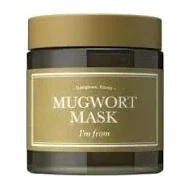
A mask is a supporting player in acne care anyway — it can't replace your daily treatment — so its most useful job is calming the inflammation that makes acne red, sore, and slow to heal. That's why soothing sheet and cream masks dominate the standouts: Mary & May's CICA Houttuynia Tea Tree mask ($26), the cult I'm From Mugwort Mask ($38), and budget heroes like Axis-Y's Mugwort sheet ($4) lean on centella, mugwort, houttuynia, and tea tree to quiet angry skin. Clay and kaolin masks still have a place for genuinely oily, congested skin — used occasionally and rinsed before they fully dry — and gentle actives like azelaic acid (Lululun Hydra AZ, $16) or a low dose of salicylic acid add mild decongesting. What to look for: soothing botanicals plus niacinamide, non-comedogenic formulas, and restraint on the harsh stuff. The honest caveat: a mask is an occasional adjunct, not a cure, and a calming mask is a treat-the-flare tool, not a daily fix. At $3 to $75, the affordable calming sheet masks punch well above their price.
Buying Guide
Decide what you want a mask to do, because acne masks split into two roles. Calming masks — built on centella, mugwort, houttuynia, tea tree, panthenol, and niacinamide — soothe the inflammation, redness, and soreness of active breakouts, and they're the better everyday choice since they won't strip the skin. Clay or kaolin masks absorb excess oil and help decongest genuinely oily, clogged skin, but they're for occasional use only and should be rinsed before they fully dry to avoid over-drying. Look for non-comedogenic formulas and gentle actives like a low dose of salicylic acid or azelaic acid for mild exfoliation, rather than harsh, tingling "deep clean" gimmicks. Sheet and cream masks suit calming and hydration, while clay masks come as rinse-off treatments; pick the format that matches your skin's needs. Above all, treat a mask as an occasional adjunct to your daily acne routine, not a replacement for it, since consistency with leave-on treatments does the real work. Prices are low, from about $3 to $75, with effective calming sheet masks among the cheapest options.
Frequently Asked Questions
Do face masks actually help acne?
Masks can support an acne routine but won't clear breakouts on their own — they're an occasional adjunct to daily treatment. Calming masks help most by soothing the inflammation and redness of active acne, while clay masks can temporarily reduce excess oil in congested skin.
Are clay masks or calming masks better for acne?
Calming masks with centella, mugwort, or tea tree are the better everyday choice, since they soothe inflamed breakouts without stripping the skin. Clay masks suit genuinely oily, congested skin used occasionally, but over-using them dries out the skin and can trigger more oil and irritation.
How often should I use a mask if I have acne?
Calming and hydrating masks can be used a few times a week or whenever skin feels inflamed, while clay masks are best limited to once or twice weekly. The key is to avoid over-masking, especially with drying clay formulas, since stripping the barrier can worsen breakouts.
Why does my skin feel worse after a clay mask?
If your skin feels tight, dry, or more irritated after a clay mask, you've likely left it on too long or used it too often, stripping the barrier. Rinse clay masks off before they fully dry, limit their use, and follow with a lightweight moisturizer to keep skin balanced.
What ingredients should an acne mask have?
Look for soothing botanicals like centella, mugwort, houttuynia, and tea tree, plus niacinamide for oil balance and tone, in a non-comedogenic base. Gentle exfoliating actives such as a low dose of salicylic or azelaic acid can add mild decongesting without the harshness of aggressive clay or scrub masks.