Best Retinol for Acne
Updated September 2026 · independently researched, no sponsored placements
Our top 21 picks, ranked from 36 reviewed products — ordered by each product's acne verdict, then evidence strength.


How to Choose
Retinol fights acne at its root, not its surface — and that's what separates it from the spot treatments most people reach for first. Acne starts deep in the follicle, where skin cells shed too fast and clump together with oil to form a microcomedone, the invisible plug that becomes every whitehead, blackhead, and cyst.
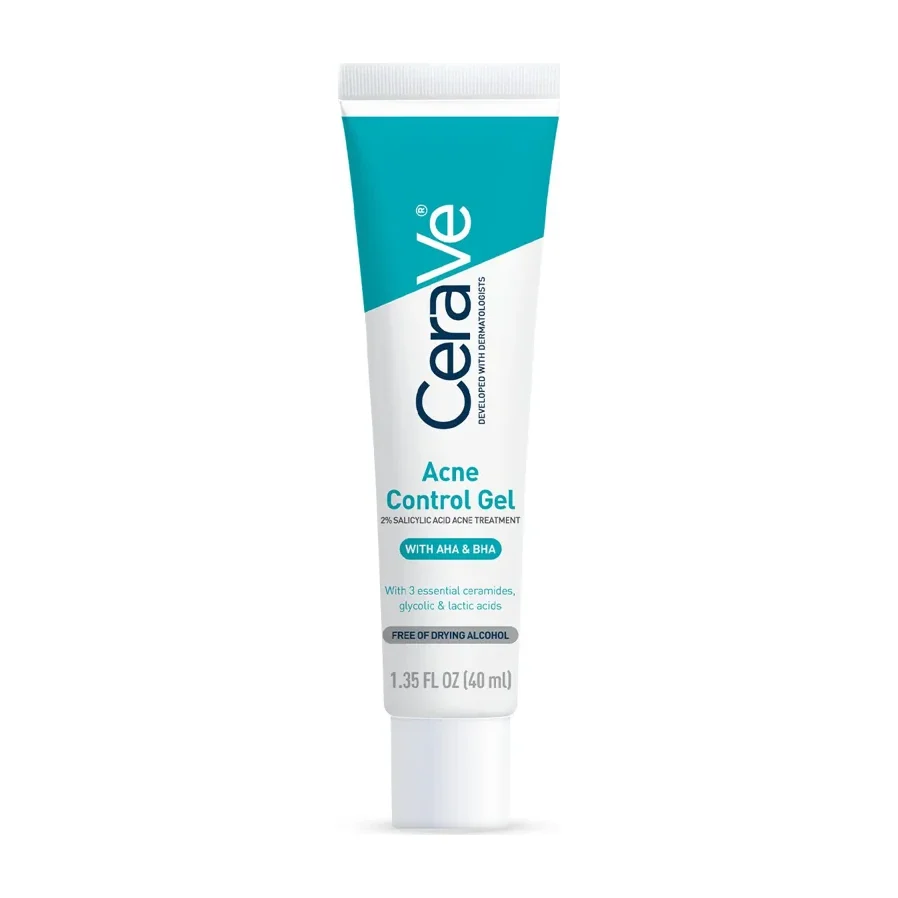
Retinol, a vitamin A derivative, normalizes how those cells turn over and shed, so the plug never forms in the first place — it's prevention at the cellular level, plus a bonus anti-inflammatory effect that calms the red, angry stuff. That's why it outperforms a benzoyl peroxide dab that only kills bacteria after a pimple has already arrived. When choosing one for acne, look for non-comedogenic formulas that pair retinol with supporting actives: niacinamide and ceramides buffer the irritation, while a formula like CeraVe's Acne Control Gel stacks retinol with salicylic and glycolic acids for a multi-angle attack at $16. 1 Retinol at $27 ease skin in without scorching it. The honest caveat that derails so many people: retinol often makes acne look worse for the first four to eight weeks. This "purge" is the deeper clogs surfacing faster, not the product failing — and quitting during it is the single most common mistake. Start two or three nights a week, layer it over moisturizer if you're sensitive, wear sunscreen daily, and give it a full twelve weeks. With retinol, consistency genuinely beats intensity.
Buying Guide
Choose the strength to your experience level: beginners and sensitive or acne-prone skin should start with a low-percentage or buffered retinol (The Ordinary Granactive 2%, COSRX 0.1%, Skintific buffered), while seasoned users can step up to higher-dose serums. Look for non-comedogenic formulas — important since clogging defeats the purpose — and supporting actives that calm irritation, like niacinamide, ceramides, centella, and squalane. For extra acne-fighting power, formulas that combine retinol with salicylic or glycolic acid (CeraVe Acne Control) hit multiple acne drivers at once, though they demand careful introduction. Avoid layering retinol with strong acids or benzoyl peroxide in the same routine until your skin is acclimated, to prevent over-irritation. On price, $12–$38 covers genuinely effective options; the jump to $72–$120 buys delivery-system and brand refinements, not necessarily better results. Sunscreen is mandatory, since retinol increases sun sensitivity.
Frequently Asked Questions
How does retinol actually treat acne?
Retinol normalizes how skin cells shed inside the follicle, preventing the microcomedone — the clogged plug that's the starting point of every breakout — from forming. It also has anti-inflammatory effects that calm existing pimples. Because it addresses the root cause rather than just killing bacteria after the fact, it works as ongoing prevention, not just spot treatment.
Why is my acne getting worse after starting retinol?
This is the well-known retinol 'purge': by speeding up cell turnover, it brings deeper clogs to the surface faster, so breakouts that were forming anyway appear sooner — usually within the first four to eight weeks. It's a sign the retinol is working, not failing, and it typically settles as your skin adjusts. Quitting during the purge is the most common mistake; push through with a gentle routine.
Can I use retinol with other acne treatments?
Yes, but introduce them carefully — combining retinol with salicylic acid, benzoyl peroxide, or strong AHAs in the same routine before your skin is acclimated can cause excessive dryness and irritation. Many people alternate nights or use a gentler combined formula. Niacinamide and ceramides, on the other hand, pair beautifully with retinol and help buffer its side effects.
How long does retinol take to clear acne?
Expect a full twelve weeks of consistent use before judging results, since cell turnover and the prevention of new clogs take time, and the early purge can mask progress. Starting two or three nights a week and building up reduces irritation while letting skin adjust. With acne, steady consistency at a tolerable strength beats aggressive use that triggers a flare and makes you quit.