Calendula Extract (Pot Marigold)
Products with Calendula Extract (Pot Marigold)
 Pediatrician's Reach-For Lotion
 Sensitive Baby Fragrance Free Daily Hydra Lotion
A genuinely well-formulated fragrance-free baby lotion that doubles as a strong sensitive-skin adult option. Colloidal oatmeal, sunflower oil, and calendula do real barrier work. National Eczema Association certified and priced reasonably for the quality.
Key Colloidal Oatmeal · Shea Butter
 Baby Eczema Workhorse
 Dream Cream Moisturizing Body Cream
A genuinely well-built baby body cream that earns the eczema-community love with colloidal oatmeal, panthenol, and allantoin carried in a rich cocoa-and-sunflower-oil base. The fragrance-free version is the one to buy for reactive newborns, and at eight ounces it will last most families well over a month of twice-daily use.
Key Colloidal Oatmeal · Cocoa Butter
 Loaded Peel-Off Mask
 Calendula Peel Off Mask
A peel-off mask with a genuinely loaded supporting cast — niacinamide, calendula in three forms, BHA, PHA and beta-glucan elevate it above the pure-extraction baseline of the category. The whole-flower visual is genuinely pretty, the immediate smoothness is real, and the per-use cost is reasonable. The peel-off format remains fundamentally a physical-extraction approach with limits, and the alcohol-and-fragrance content narrows the audience.
Key Film Formers & Texture Polymers · Calendula Extract
 Clay Mask With a Real Active
 Come Clean Detox Clay Mask
Bubble's Come Clean is a smarter clay mask than the category norm, because it does more than absorb oil. Dual clays (kaolin and montmorillonite) mattify and soak up excess sebum, but the standout is azelaic acid — a genuinely effective active that fights acne-causing bacteria, calms redness (useful for rosacea-prone skin), and fades post-acne marks and uneven tone. It's buffered with high-linoleic grape seed oil and glycerin so it's less drying than a bare clay mask, plus soothing calendula and neem, all fragrance-free. So it treats rather than just mattifies. The 'detox' name overstates what clay does, and it's rich (not fungal-acne safe), but for oily, breakout-prone, or redness-prone skin, a clay mask with a real active is a smart, worthwhile pick — and the azelaic acid is even pregnancy-safe.
Key Clays · Azelaic Acid
 Soothing Microdart
 Vegan Microdart Pimple Patch
Nolahour's original microdart takes the deep-bump-targeting microneedle format and wraps it in a soothing botanical blend, green tea, calendula, witch hazel, and licorice, around the salicylic acid and tea tree. The result is a gentler-feeling early-spot patch that calms as it treats. It is a likeable, thoughtful tool, just narrow in scope and modest at nine per pack, with witch hazel the one ingredient sensitive skin should eye.
Key Salicylic Acid · Green Tea Extract
 Tingle-Stage Herbal Gel
 Soothing Lip Care
A pharmacy-style herbal cooling gel — sage, calendula and echinacea in water and alcohol, with menthol, camphor and peppermint for the cold — built for the tingling hour before a cold sore and honest enough to say only 'suitable while cold sores'. It will not change what the virus does; it can make the prodrome feel better on an intact lip and will sting a split one. At $20 for five millilitres, it is a very expensive way to feel cool.
Key Botanical Extracts · Calendula Extract
 Natural Nappy Staple
 Calendula Diaper Cream
A properly declared 12 percent zinc oxide barrier cream in an almond-oil, beeswax and lanolin base that wipes off far more kindly than a paste, from a brand with a century of pharmacy history. The essential-oil fragrance on diaper skin is the one real reservation, and for a baby with eczema it is reason enough to pick something unscented.
Key Zinc Oxide · Calendula Extract
 100-Year-Old Anthroposophic Heritage Balm
 Skin Food
A 100-year-old iconic anthroposophic skincare balm built around substantial plant oils (sunflower, sweet almond), lanolin and beeswax with anthroposophic medicinal botanicals (viola, rosemary, chamomile, calendula). The brand heritage and documented effectiveness for severely dry skin patches are genuine strengths. The substantial fragrance load (5 named EU fragrance allergens plus parfum) and lanolin content sharply limit suitability — this is a targeted dry-patch treatment rather than a broadly recommendable daily moisturizer. Within the specific audience it serves, Skin Food earns its century-long cult status.
Key Plant & Seed Oils · Lanolin
 Glowy Mineral SPF
 Sun Serum Drops SPF 30
A gentle, fragrance-free mineral SPF 30 delivered in a glowy oil-serum format that nourishes dry skin while it protects. The shea-and-calendula base gives a genuinely dewy finish rare for a high-zinc sunscreen, with the honest trade-offs being a slight white cast, a richness that suits dry over oily skin, and a cap at SPF 30.
Key Zinc Oxide · Shea Butter
 Active Lifestyle MVP
 Oil-Free Sun Guard SPF 45
A reliable, no-fuss hybrid sunscreen built for oily skin and active lifestyles. The oil-free formula disappears on application and holds up through sweat and water, though the inclusion of octinoxate may give environmentally conscious buyers pause. At $24 for 4 oz, it's a fair deal for a well-engineered SPF that doesn't interfere with your day.
Key Zinc Oxide · Octinoxate
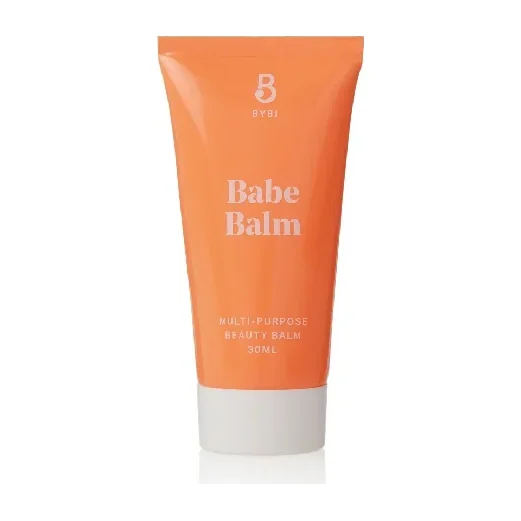 Vegan Rescue Balm
 Babe Balm
A genuinely pleasant, fully vegan multipurpose rescue balm that softens and protects dry, chapped skin head to toe, with a warm tropical scent and a nice antioxidant CoQ10-and-pequi accent. It's a lovely targeted salve — just understand it's an occlusive with no humectants, so it seals moisture rather than providing it, and the natural fragrance and coconut oil narrow its audience.
Key Shea Butter · Squalane
 NEA-Certified Honey Barrier Cream
 Honey Cloud Lightweight Barrier Repair Moisturizer
Excellent lightweight barrier-repair moisturizer from Farmacy combining Hawaiian white honey, triple hydration trio (ectoin + sodium polyglutamate + sodium hyaluronate), squalane plus ceramide NP plus glycosphingolipids barrier architecture, calendula plus chamomile soothing pair, and Leuconostoc/radish root ferment in fragrance-free NEA-certified clean-beauty formula at $48. The lightweight texture extends barrier-care to demographics where heavier creams feel too occlusive.
Key Honey · Ectoin
 Barrier Balm With a Dosed Label
 ATO Panthenol Ceramide Balm Cream
A fragrance-free rescue balm that does the two things a rescue balm should — seals a raw patch instantly and calms it by morning — with an honestly declared 1 percent panthenol doing real work underneath. The ceramide is a 0.1 percent accent rather than a repair system, the base is more silicone than skin-lipid, and the 30ml tube is small for seventeen dollars. For spot use on chapped, over-treated or eczema-prone skin it is a very good product; as an all-over cream it is an expensive one.
Key Panthenol · Ceramides
 Makeup Artist's Milk Mist
 Boum-Boum Milk
Boum-Boum Milk is a lovely, fragrance-free milky mist that hydrates, softens and preps skin for makeup, and its eczema-association acceptance makes it a safe bet for sensitive skin. But the formula is a simple mix of humectants, light oils and botanicals, the 'probiotic' label doesn't match the ingredients, and the price is high.
Key Birch Sap · Glycerin
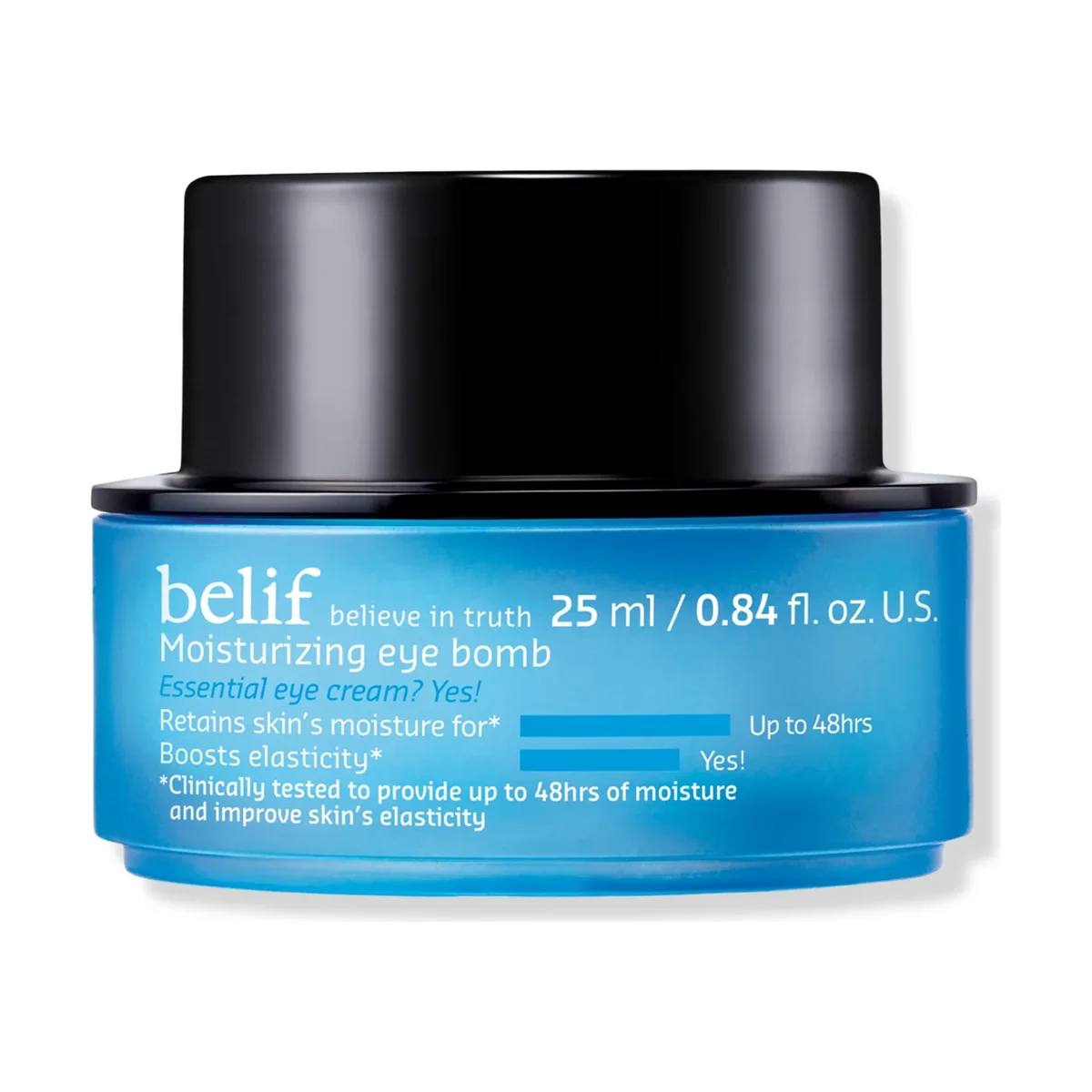 K-Beauty Hydration Eye Cream
 Moisturizing Eye Bomb
A K-beauty hydration eye cream that puts glycerin in the second INCI position and supports it with ceramide NP, two Matrixyl peptides, squalane, shea butter, and belif's signature Six-Herb Complex — fully built rather than minimalist. Worth it if you want hydration plus mild firming in one step; the added fragrance is the main reason to skip if your eye area is reactive.
Key Glycerin · Ceramides
 Family Eczema Staple
 Calendula Cream
A three-decade cult favorite that earns its reputation through genuine calendula concentration and a plant-based formula grown on the brand's own farm. The price stings for the size, and the essential oils prevent it from being truly hypoallergenic, but for eczema-prone and sensitive skin that responds well to calendula, few creams have this track record.
Key Calendula Extract · Glycerin
 Premium Shave Essential
 Supreme Cream Triple Cushion Shave Lather
The gold standard of men's shave creams — the triple-oil cushioning system delivers on its promise of reduced irritation and genuinely superior blade glide. At $24-30 depending on size, it's a premium but justifiable investment for anyone who shaves regularly and has given up on drugstore foam. The botanical essential oils are the only drawback for reactive skin types.
Key Macadamia Oil · Soybean
 Nourishing Hydration Sheet
 Active Bird's Nest Moisture Mask
A richer, well-soaked Korean hydrating sheet mask that wraps JMsolution's reliable humectant essence in the prestige of edible bird's nest. It leaves dry and dehydrated skin plumped and soft after 15-20 minutes, an affordable, slightly more indulgent moisture boost. Just treat the swiftlet nest as flavor, not function, and expect temporary results.
Key Glycerin · Hyaluronic Acid
 Botanical Gel-Cream Hydrator
 Moisture Plus Rare Rose Gel Cream
A lightweight, pleasantly dewy botanical gel-cream that hydrates normal and combination skin well, built on a genuinely smart plant-based polysaccharide humectant and Jurlique's signature rose. It is a likeable everyday moisturizer — but the actives are supportive rather than corrective, the fragrance rules it out for sensitive skin, and the prestige price asks a premium for what is essentially elegant hydration.
Key Rosehip Oil · Glycerin
 Cult Hand Cream
 Rose Hand Cream
The hand cream that launched a thousand Jurlique converts — and deservedly, because the rose scent is genuinely gorgeous and the oil-and-honey formula really does nourish dry hands. The catch is the math: it's a luxury price for a hand cream whose core moisturizing job a far cheaper tube also does. Buy it for the scent and the ritual, which are the real luxury, not for moisturizing magic a drugstore can't match.
Key Glycerin · Sweet Almond Oil
 Lightweight Hydration Pick
 Calendula Serum-Infused Water Cream
A genuinely refreshing water-gel moisturizer that hydrates oily and combination skin without weight, dressed up with hundreds of pretty suspended calendula petals. The core formula is solid if simple, but the marketing leans hard on calendula while real soothing comes from supporting players — and the fragrant essential oils plus a $58 price tag make it a qualified recommendation.
Key Calendula Extract · Bisabolol
 Organic Antioxidant Face Oil
 Rejuvenating + Hydrating Serum
A genuinely quality botanical face oil that nourishes dry skin and lends a dewy glow, built on antioxidant-rich rosehip, pomegranate and sea buckthorn oils and a cabinet of cold-pressed seed oils, wrapped in a luxurious aromatherapy blend. For dry, tolerant skin it is lovely. The honest catch is a heavy essential-oil load — neroli, rose, frankincense, myrrh — that makes it a real risk for sensitive skin.
Key Rosehip Oil · Jojoba Oil
 Sensitive-Eye Luxury
 Superkind Bio-Barrier Eye Crème
A genuinely soothing, fragrance-free eye cream with a deeper humectant set than most and a ceramide-sterol-squalane lipid base, which is exactly what reactive under-eye skin wants and what Tata Harper had never offered. It does nothing for dark circles or puffiness beyond hydrating the skin over them, its firming botanicals are trace-level supplier stories, and $142 for 15 mL is one of the highest prices in the category for a formula a clinical brand would sell for a fifth. Kind to the eyes, hard on the wallet.
Key Ceramides · Calendula Extract
 Lightweight Botanical Body Oil
 Keep It Supple Body Oil
A pleasant, fast-absorbing botanical dry oil with a sunflower-oil base and a soft ylang-ylang scent. For non-reactive skin that appreciates a lightweight glow without heaviness, it's a reasonable drugstore pick. For sensitive, eczema-prone, or fragrance-avoiding users, the essential oil and fragrance allergen content make this the wrong product — and there's no shame in choosing plain squalane instead.
Key Sunflower Oil · Caprylic/Capric Triglyceride
 Modern Facial Skin Food Reformulation
 Skin Food Face Care Nourishing Day Cream
Weleda's modern facial reformulation of the iconic 1926 Skin Food — replacing lanolin with shea butter (vegan-friendly), adding multi-humectant chassis for daily hydration, and maintaining the brand heritage through the anthroposophic botanical complex. Lighter texture appropriate for daily full-face use under sunscreen and makeup. The fragrance load and alcohol content limit suitability for fragrance-reactive sensitive skin; otherwise broadly recommendable for the daily-natural-moisturizer audience.
Key Plant & Seed Oils · Shea Butter
 Calendula Comfort Cream
 Calendula Juicy Cream
Aromatica's Calendula Juicy Cream is one of the rare calendula moisturizers where the flower is genuinely the dominant ingredient rather than a label flourish. The decoction processing, ceramide and shea butter pairing, and fragrance-free formulation make it a strong choice for dry, sensitive, or post-procedure skin. The coconut oil content is the only real disqualifier for acne-prone users.
Key Calendula Extract · Shea Butter
 Spa Classic
 Calm Skin Chamomile Moisturizer
A rich, botanically dense spa cream that feels beautiful and smells like a massage room, but whose calming positioning contradicts a long list of essential oils and plant extracts that can actually provoke the reactive skin it markets to. Best for normal, non-reactive skin that wants a herbal ritual, not for true rosacea or sensitized barriers.
Key Chamomile Extract · Calendula Extract
 Bulgarian Rose Hydration Cult Pick
 Bulgarian Rose Ultra Waterfull Ampoule
isoi's cult Bulgarian Rose ampoule delivers genuinely intensive, fast-absorbing hydration on a smart multi-humectant base, layered with real rose oil and an unusually deep roster of soothing botanicals — all free of synthetic fragrance. Dry skin drinks it up. The honest catches: a fermented alcohol fairly high in the formula, natural rose-oil allergens, and a premium $49 for just 15ml.
Key Glycerin · Essential Oils
 Organic Frankincense Day-Night Cream
 Frankincense Hydrating Cream
The gentle, hydration-first member of Neal's Yard Remedies' frankincense range — a genuinely nice organic day-and-night cream that softens and comforts dry skin with quality plant oils, hyaluronic acid, and soothing calendula, carried by the brand's grounding frankincense-and-myrrh scent. It's more straightforwardly likable than the lift serum, with a lighter essential-oil load, though the resin oils still warrant a patch test on reactive skin.
Key Frankincense · Jojoba Oil
 Indie Face Oil Pick
 Face Hero
The face oil that built a A$177 million skincare brand from scratch — and earned its place by being genuinely well-blended, deliberately light enough to layer under makeup, and priced where the average person can actually buy it. The nut-oil load is a hard no for nut allergies and the natural floral fragrance won't suit everyone, but for combination-to-dry skin wanting a multi-oil daily product with gentle vitamin-A pathway support, this is one of the cleverest indie blends on the market.
Key Jojoba Oil · Plant & Seed Oils
 Natural-Beauty Classic
 Daily Hydrating Eye Cream
A rose-scented, oil-rich eye cream that nails one job: deep, comfortable hydration for dry under-eyes. It won't touch dark circles or wrinkles, the fragrance limits it for sensitive types, and $57 for 12.5 ml is steep. For dry-skin fans of natural skincare, though, it's a genuinely lovely daily treat.
Key Avocado Oil · Calendula Extract
 Organic Night Nourisher
 Deep Moisture Regenerating Night Cream
Mádara's Deep Moisture Regenerating Night Cream is a rich, genuinely organic overnight moisturizer that does right by dry skin: jojoba, avocado, and shea nourish and seal, hyaluronic acid hydrates, and Northern antioxidant botanicals add overnight support, all certified organic and vegan. You wake softer and less tight. The honest caveats are denatured alcohol sitting surprisingly high in the list and a noticeable rose fragrance, which together make it a poor match for oily or sensitive skin.
Key Shea Butter · Hyaluronic Acid
 Botanical Smoothing Day Cream
 Beautiful Day Moisturizer
A pleasant, plant-forward day cream that softens and smooths normal-to-dry skin, pairing soothing MSM and a temporarily-firming DMAE with white tea and willow bark antioxidants. It feels light and natural. The honest catches are real: comedogenic coconut oil that can break out acne-prone skin, lavender and rosemary essential oils, no SPF despite the name, and a clean-luxury price.
Key MSM · Calendula Extract
 Modern Skin Food Night Reformulation
 Skin Food Face Care Nourishing Night Cream
Weleda's vegan night-cream extension of the Skin Food heritage — same shea butter and sunflower oil base as the Day Cream sibling, with added sacha inchi seed oil (plant-source omega-3) and centella asiatica for overnight repair support. Richer texture appropriate for evening use without the heavy lanolin-beeswax base of the original Skin Food. Fragrance load with 5 named EU allergens is the meaningful caveat that limits sensitive-skin recommendability; otherwise this earns its position as a thoughtful modern night cream within the natural-skincare audience.
Key Shea Butter · Plant & Seed Oils
 Calendula Calming Cream
 Calendula Calming Soon Cream
A comforting, well-rounded calming cream built around calendula, centella, allantoin, and squalane, with a broad soothing-antioxidant botanical cast and a cushiony, non-greasy feel. It genuinely soothes stressed, dehydrated skin — the one real caveat is the citrus essential oils, which mean the most sensitive skin the name targets should patch test before committing.
Key Calendula Extract · Centella Asiatica
 Nourishing Calming Essence
 Calendula Calming Soon Essence
A nourishing, emollient calming essence built on shea butter and oils, with calendula and green tea doing the soothing. It genuinely comforts dry, stressed skin and can stand in for a light moisturizer — but it carries the heaviest essential-oil load of its line (citrus, ylang ylang, lemongrass, limonene, linalool), which undercuts the calming claim for reactive skin and is the main reason to approach with care.
Key Calendula Extract · Shea Butter
 Pediatrician's Mineral Standby
 Baby Mineral Sunscreen Lotion SPF 50+
A 100% mineral SPF 50+ formula that has earned its pediatrician-recommended status the slow way — over twenty-five years of consistent performance on the most sensitive skin imaginable. Yes, it leaves a white cast. Yes, the texture is heavy. But for babies, post-procedure adults, and anyone whose skin has rejected every chemical sunscreen they have ever tried, this is one of the most reliable mineral options on the market.
Key Zinc Oxide · Titanium Dioxide
 Gentle Bubble Cleanser
 Sensitive Balancing Bubble Foam
The gentlest cleanser in Isntree's Sensitive Balancing line — a pure amino-acid bubble foam (no soaps or sulfates) with soothing calendula plus ceramide and amino acids, fragrance-free, that cleans with minimal friction and leaves reactive skin calm and soft. At around $22 it's fair value, and for genuinely sensitive, easily-irritated skin there's essentially nothing to fault.
Key Cleansing Surfactants · Calendula Extract
 Petal-Studded Cool Compress
 Calendula Petal-Infused Calming Mask with Aloe Vera
A cool aloe-and-humectant gel with whole calendula petals floating in it and a genuinely good soothing tail of bisabolol, centella and licorice, that calms a flushed, sensitised face in fifteen minutes and never stings. The petals are theatre and the aloe is the mechanism; forty-nine dollars is a lot for a rinse-off gel, and the hydration lasts an evening. The best mask Kiehl's makes for reactive skin, and the most overpriced way to buy aloe.
Key Aloe Vera · Calendula Extract
 No-Touch Diaper Rash Spray
 Diaper Rash Sprayable Cream
A clever no-touch take on a diaper cream, spraying an unusually high 14.9% zinc oxide barrier onto sore skin without any rubbing, all in a gentle fragrance-free base of calendula, aloe, and olive oil. Genuinely useful for raw, painful rashes where touching hurts — held back mainly by occasional uneven spraying and a small, quick-to-empty can.
Key Zinc Oxide · Calendula Extract
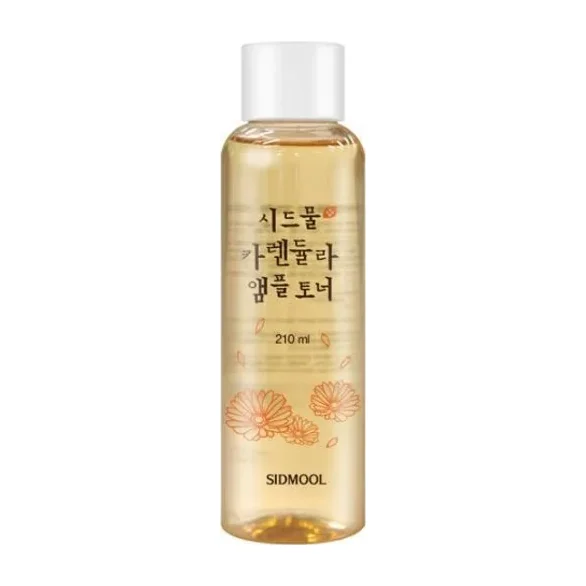 Calendula Calm Toner
 Calendula Ampoule Toner
A near-pure calendula toner that puts the soothing marigold front and center at 92%, in two forms, with only a few hydrators and calming agents alongside. Fragrance-free, gentle, and generously sized for the price, it is an easy first step for sensitive and reactive skin, as long as you want soothing and light hydration rather than active treatment.
Key Calendula Extract · Hyaluronic Acid
 Sensitive-Skin Soother
 BALANCEFUL Cica Lotion
A standout lightweight soother: Torriden's full five-part centella complex plus panthenol, allantoin and hyaluronic acid in a fragrance-free, silicone-free lotion that calms reactive skin without weighing down oily complexions. At twenty-four dollars for a generous 210ml, it is excellent value and one of the better cica lotions for the oily-and-sensitive crowd. Just don't expect it to be a rich moisturizer for very dry skin.
Key Centella Asiatica · Panthenol
 Vegan Bakuchiol Cream
 Blooming Time Bakuchiol Cream
A genuinely active gentle anti-aging cream that pairs a meaningful 0.5% bakuchiol with niacinamide and adenosine, vegan and fairly priced. It firms and smooths without retinoid irritation. The catch, for a product courting sensitive skin, is a floral roster of geranium, sage and bergamot oils plus three declared fragrance allergens — so the 'gentle' active comes wrapped in a not-so-gentle scent.
Key Bakuchiol · Niacinamide
 Beginner-Friendly Pick
 AM Moisturizer with SPF 20
A no-frills SPF moisturizer that succeeds at its real mission: getting men who would never buy sunscreen to wear sun protection every morning. The formula is basic but functional, the texture is convincingly lightweight, and the matte finish eliminates the greasiness excuse. Just know that SPF 20 is a compromise, and the essential oils are an unnecessary addition.
Key Avobenzone · Octinoxate
 Vegan Natural Anti-Aging Cream
 LL Regeneration Revitalizing Day Cream
A 25-year-old German vegan natural anti-aging day cream that takes the harder route — actually including retinyl palmitate plus ascorbyl palmitate plus tocopherol in the same formula, on a shea-and-squalane lipid base, with the standard German herbal soothing complex. The natural-fragrance allergen panel is extensive and the $63 price is steep, but the formulation actually addresses anti-aging mechanisms rather than just hydrating with marketing claims.
Key Retinyl Palmitate · Vitamin C
 Petal-Flecked Foam for Oily Skin
 Calendula Balancing Foam Gel Cleanser
A rich-foaming, fragrance-free gel for oily and combination skin wearing a sensitive-skin costume: real calendula petals and a declared three-quarters of a percent extract over a sodium C14-16 olefin sulfonate that the brand mitigates more thoroughly than most, with glycerin, allantoin and panthenol for the rinse and a fifty-three-ingredient tail of acids, hyaluronates, ectoin, vitamin C and a dozen botanicals that belongs on a serum, for fifteen dollars. It cleans well and cheaply and is the wrong wash for the reactive faces the flower attracts; oily skin gets a good deal, and everyone else should read the second line.
Key Cleansing Surfactants · Calendula Extract
 LL System Foundation Cleanser
 LL Regeneration Gentle Cleansing Milk
A gentle vegan COSMOS-certified milk cleanser positioned as Step 1 of Annemarie Börlind's flagship LL Regeneration anti-aging system. Lauryl glucoside and sucrose cocoate surfactants do the cleansing without sulfate stripping; the six-botanical LL Biocomplex contributes the brand's signature herbal soothing. The added fragrance with natural-allergen panel and the $46 price for 150ml are the limitations.
Key Caprylic/Capric Triglyceride · Calendula Extract
 Baby-Eczema Cult Favorite
 All Over Ointment
A decade-old cult favorite in baby-eczema circles, Tubby Todd's All Over Ointment earns its reputation with a simple sunflower-and-beeswax base carrying meaningful doses of calendula and chamomile. The lavender essential oil is an unnecessary asterisk on an otherwise gentle formula, but for mild flares, cradle cap, and diaper rash, it genuinely delivers.
Key Sunflower Oil · Beeswax
 K-Beauty Hydrating Cleanser
 Aqua Bomb Jelly Cleanser
A thoughtfully built K-beauty jelly cleanser that puts glycerin at the top of the formula and pairs it with an amino-acid surfactant system — genuinely non-stripping, with belif's signature Six-Herb Complex doing soothing work alongside the gentle cleansing chemistry. The citrus and rosemary essential oils are the main reason to skip it if you're fragrance-sensitive.
Key Glycerin · Coco-Glucoside
 Gentle Foaming Cleanser
 Calendula Deep Cleansing Foaming Face Wash
A genuinely pleasant sulfate-free foaming cleanser that produces a dense, satisfying lather and cleans thoroughly without the harsh, stripped feeling of cheaper foamers, thanks to gentle amino-acid surfactants and added glycerin. The catch: the namesake calendula is barely present, fragrant essential oils undercut the soothing image, and $39 is a lot for what a cleanser ultimately does.
Key Cocamidopropyl Betaine · Calendula Extract
 Oil-Free Ceramide Workhorse
 Calendula Ampoule Moisture Cream
A quietly clever oil-free barrier cream: five ceramides and cholesterol in lecithin liposomes, suspended in 85 percent calendula water, for skin that wants lipid repair without a drop of oil. Excellent for dehydrated combination, oily and reactive faces, too light alone for dry ones, and hard to buy outside Korean export shops. At under twenty dollars it is one of Sidmool's best arguments.
Key Calendula Extract · Ceramides
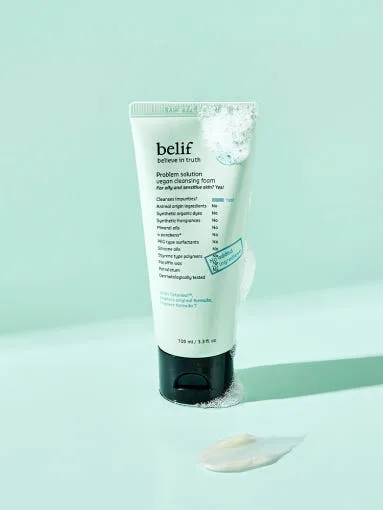 Oily-Skin Deep Cleanse
 Problem Solution Cleansing Foam
A deep-cleaning herbal soap foam that oily, congested skin will find genuinely satisfying, blending belif's botanical heritage with tea tree and willow bark for a fresh, clarifying wash. But it's a higher-pH, essential-oil-scented soap base in a low-pH world — strip-prone for dry or sensitive skin, and a slightly dated format that's been outclassed by gentler modern cleansers.
Key Tea Tree Oil · Willow Bark Extract
 Drugstore Scar-Oil Classic
 Skincare Oil
The drugstore scar-oil that became a global habit. Bio-Oil's light, fast-absorbing PurCellin base with vitamins A and E genuinely softens skin, scars, and stretch marks, and it's affordable. But the claims outpace the independent evidence, and the heavy fragrance plus mineral-oil base mean it's a conditioning oil more than a clinical fix.
Key Retinyl Palmitate · Vitamin E
 Budget Oily-Skin Wash
 Pore Face Wash
An affordable soap-based foaming cleanser that degreases oily, blemish-prone skin thoroughly and leaves it matte and refreshed, with mild citrus exfoliation and pore-minimizing botanicals. At $16 it's a decent budget oily-skin wash — but the soap base is mildly alkaline and can feel tight, and the citrus peel extracts plus limonene make it less suited to sensitive or dry skin than the 'fragrance-free' label implies. Fine for resilient oily skin, not for delicate skin.
Key Cleansing Surfactants · Botanical Extracts
 Rich Winter Balm
 Lip Balm
A dense, herbal, winter-grade soft balm with a genuinely luxurious oil-and-butter base and unusual touches like silk powder and St. John's wort. It conditions very dry lips beautifully, but a long fragrance-allergen list plus peanut oil makes it risky for sensitive or allergy-prone users, and seventeen dollars for a tiny tube is a steep ask.
Key Castor Oil · Plant Butters
 Ceramide Hydrating Serum
 Moisturizing Serum
The leave-on serum companion to ETVOS's Moisturizing Lotion — same five-human-type-ceramide chemistry plus deeper emollient stack (squalane + jojoba + shea butter), six-flower botanical complex, and plant placenta extract. Genuinely depth-rich for a sensitive-skin serum, with the trade-off of a more prominent fragrance load than the matching lotion.
Key Ceramides · Squalane
 Budget Low-pH Daily Cleanser
 Low pH Gentle Jelly Cleanser
Somethinc's jelly cleanser does the quiet, important thing well: it cleans at a barrier-friendly pH 5-6 using amino-acid surfactants instead of harsh sulfates, with centella leaf water making the wash itself soothing. The tea tree and peppermint scent and lack of fungal-acne safety hold it back for some, but as a low-pH daily cleanser at a true-drugstore price, it's an easy staple.
Key Sodium Cocoyl Isethionate · Centella Asiatica
 Plant-Oil Recovery Cream
 Golden Hour Recovery Cream
A genuinely barrier-supportive natural moisturizer built on skin-loving plant oils — sunflower, meadowfoam, and rare GLA-rich black currant seed — with sea buckthorn and calendula for antioxidant recovery. It nourishes dry skin beautifully and skips silicones and petrochemicals, but its warm rose-neroli-sandalwood essential-oil blend makes it a careful choice for sensitive or reactive skin.
Key Meadowfoam Seed Oil · Aloe Vera
 Sensitive Skin Safe Haven
 CALM Redness Relief Cleanser
A purpose-built cleanser for redness-prone and sensitive skin that does its most important job exceptionally well: it cleans without aggravating. The gentle surfactant system and soothing botanicals make it a genuine ally for rosacea-prone routines, even if it won't win awards for excitement.
Key Allantoin · Meadowfoam Seed Oil
 Oil-Balancing Emulsion
 Calendula Skin-Soothing & Stabilizing Emulsion
A lightweight emulsion with genuinely good oil-balancing actives — calendula, a vitamin B trio and zinc — for oily, blemish-prone skin. But there is a real formulating contradiction: a product named 'skin-soothing' that carries citrus and essential oils plus five fragrance allergens, which undercuts its own premise for the reactive skin it claims to calm.
Key Calendula Extract · Niacinamide
The full calendula extract (pot marigold) guide
Calendula is an extract of pot marigold, the bright orange flower that has gone into soothing balms and salves for centuries.
Its calming reputation rests on plant compounds that appear to quiet irritation, alongside antioxidant flavonoids and the carotenoids that give it its golden color. That's why it lands in gentle formulas: baby creams, barrier-repair moisturizers and cleansers for sensitive skin. Its effect is steady and soft rather than dramatic, and despite the gentle image, people allergic to ragweed or chamomile can react to it.
How it's regulated in the US
FDA does not classify ingredients — it classifies products, by what they are sold to do. The same molecule can be a drug active in one product and a cosmetic ingredient in the next, and only the claim on the label decides which. What follows is a statement about that legal standing, not about whether it works — the evidence question is answered separately above.
Cosmetic Calendula Extract (Pot Marigold) is a cosmetic ingredient in the US: no OTC monograph covers it and it is not an active in any FDA-approved drug, so a product built around it is a cosmetic rather than a drug.
Calendula's plant compounds are studied mainly for how they calm inflammation and whether they help minor wounds heal. Lab work has traced which compounds do the calming, and animal studies explore repair and collagen. Human studies are a handful of wound-healing trials rather than research on everyday concerns like eczema or redness, so those uses lean largely on tradition and mechanism. Allergy research forms its own thread, since calendula belongs to the daisy family and can cross-react with its relatives.
How it works
Most of calendula's bioactivity is concentrated in its flower heads, where several compound families overlap. The triterpenoids — faradiol and its fatty-acid esters chief among them — are regarded as the primary anti-inflammatory drivers; recent work links them to reduced interleukin-6 (IL-6) release, one signal in the cascade that keeps skin locked in an inflammatory state. By dampening that signaling, calendula appears to nudge skin away from prolonged irritation and toward repair. The flavonoid fraction — quercetin, isorhamnetin, and narcissin among others — adds a complementary layer. These polyphenols scavenge reactive oxygen species and help stabilize capillary walls, which is part of why the extract has a soothing, anti-redness reputation. Carotenoids supply the characteristic gold color along with additional antioxidant activity. From a barrier-repair standpoint, animal studies suggest calendula encourages fibroblast activity and collagen deposition, both central to closing minor wounds and restoring a disrupted barrier. It also shows mild antibacterial activity, which may help keep small breaks in the skin from becoming a bigger problem. The practical upshot is gradual rather than dramatic: less visible redness, steadier barrier recovery after disruption, and a generally calming effect. Calendula does not transform skin the way retinoids or exfoliating acids can — it works quietly and cumulatively, which is precisely why formulators reach for it in products aimed at consistently reactive skin.
Key benefits
- Soothes the look of redness in sensitive, reactive skin
- A gentle companion while a stressed barrier recovers
- Brings antioxidant care from golden flower petals
- Mild enough for baby creams and delicate skin
- Comforts dry, irritated patches without fuss
Concentration & usage
Cosmetic formulas commonly use calendula glycerite at up to around 5% in water-based emulsions. CO2 supercritical extracts are more concentrated and used at roughly 0.1–0.3%, often added during the cool-down phase to spare the heat-sensitive flavonoids. On an INCI list, look for Calendula Officinalis Flower Extract or Calendula Officinalis Extract. It can appear near the bottom of a long ingredient list even in products that market it as a hero, which is worth weighing when you judge how much active triterpenoid fraction is actually present. No validated minimum effective concentration for cosmetic use has been identified in peer-reviewed literature, so position on the label is one of the few practical signals available.
Who it's for & who should be cautious
Who it's for
Sensitive, dry, or compromised-barrier skin types are the clearest fit — anyone dealing with persistent redness, reactive flares, or mild eczema-adjacent dryness will find calendula a reliably gentle option. Its long-standing presence in infant and pediatric skincare is about as strong a "tolerated by delicate skin" signal as a botanical can offer. People rebuilding their barrier after procedures, prolonged sun exposure, or a stretch of active-heavy treatments will also find it a compatible, low-drama support ingredient that plays well alongside more demanding actives.
Who should be cautious
Anyone with a documented allergy to the Asteraceae (Compositae) family — which includes ragweed, chamomile, arnica, chrysanthemums, and echinacea — should approach calendula carefully, because sesquiterpene lactones can cross-react across members of that family and trigger contact dermatitis. The allergy rate in the general population is low but real, so patch testing before regular use is sensible for anyone with known plant allergies. Calendula also should not be applied to open wounds without professional guidance despite its wound-healing reputation in traditional medicine; over-the-counter cosmetic extracts are not equivalent to standardized pharmaceutical preparations.
Pairs with & conflicts
Myths & facts
Myth: Calendula and chamomile are basically the same ingredient.
Reality: Both are Asteraceae-family botanicals with anti-inflammatory plant compounds, but they are distinct species with different lead actives. Chamomile (Matricaria recutita) is best known for bisabolol and apigenin, whereas calendula's signature drivers are faradiol triterpenoids, which work through a different mechanism. They overlap in soothing reputation but are not interchangeable, and using one does not get you the other.
Myth: If calendula appears on the label, the formula contains a meaningful dose of it.
Reality: Botanicals like calendula frequently sit at the tail end of an INCI list, sometimes present more for the label story than to deliver the triterpenoid levels that drive the research findings. A product where calendula appears among the first several ingredients is a very different formula from one where it shows up after the preservatives. Concentration transparency is rare in cosmetic labeling, and packaging imagery is not evidence of formulation depth.
Myth: Calendula is universally safe because it's natural and has centuries of use.
Reality: Traditional use is suggestive, not a guarantee. People with Asteraceae allergies — to ragweed, chamomile, or arnica, for instance — can develop contact dermatitis from calendula, and contact sensitization is documented in the medical literature. 'Natural' does not mean 'hypoallergenic,' and anyone who reacts to related plants should treat calendula with the same caution they would give a synthetic active.
Frequently asked questions
Is calendula's anti-inflammatory effect on skin actually supported by research, or is it mostly tradition?
It falls between the two. The mechanism is increasingly characterized — faradiol triterpenoids appear to dampen IL-6 signaling in laboratory work, and a handful of human trials support a calming, wound-healing effect. But it hasn't been validated in large, well-controlled trials for everyday conditions like eczema, so describing it as 'clinically proven' for those uses would overstate things. It's a credible botanical with real mechanistic backing, not yet in the same tier as niacinamide or ceramides.
Can I use calendula if I'm allergic to ragweed or chamomile?
Be cautious. Calendula sits in the Asteraceae family alongside ragweed, chamomile, arnica, and chrysanthemums, and the sesquiterpene lactones shared across these plants can trigger cross-reactive contact dermatitis. The risk is low across the general population but genuinely higher for those with known Asteraceae sensitivity. Patch-testing a small area for a few days before regular facial use is a reasonable precaution.
Which skin types get the most out of calendula products?
Sensitive, dry, and compromised-barrier skin types benefit most clearly. Calendula's long history in infant and pediatric skincare reflects a strong tolerability profile, and redness-prone, reactive, or post-procedure skin tends to respond well too. Oily and acne-prone skin is unlikely to be harmed by it, but it isn't the targeted active those concerns call for — salicylic acid or niacinamide would do more of that specific work.
How can I tell whether a product contains enough calendula to matter?
Check where it falls on the INCI list. Ingredients listed earlier are generally present at higher concentrations, so a calendula extract buried after preservatives or fragrance is probably contributing more to the marketing than to the formula. CO2 extracts are active around 0.1–0.3% and may sit lower on the list while still delivering meaningful triterpenoid levels, but glycerite-based extracts usually need to appear in the first third of the list to be doing real work. Few brands disclose exact percentages, unfortunately.
Is calendula considered safe to use during pregnancy?
Topical cosmetic use of calendula extract at normal skincare levels is generally regarded as low-risk, and it shows up often in gentle, pregnancy-friendly product lines. Oral ingestion is a separate matter and carries traditional-use cautions around pregnancy. As with most botanicals, checking with a healthcare provider is wise if you're unsure, but a well-formulated calendula moisturizer or cleanser is not typically flagged as a concern.
Does calendula help lingering redness, or only active wounds?
Its strongest evidence covers acute wound healing, but the underlying anti-inflammatory mechanism — quieting inflammatory signals and mopping up free radicals — is plausibly relevant to general redness as well. Many formulas use it for everyday reactive skin with positive anecdotal feedback, though that use hasn't been tested as rigorously as the wound applications. Treat it as a gentle, supportive calming ingredient rather than a targeted redness treatment the way azelaic acid is.