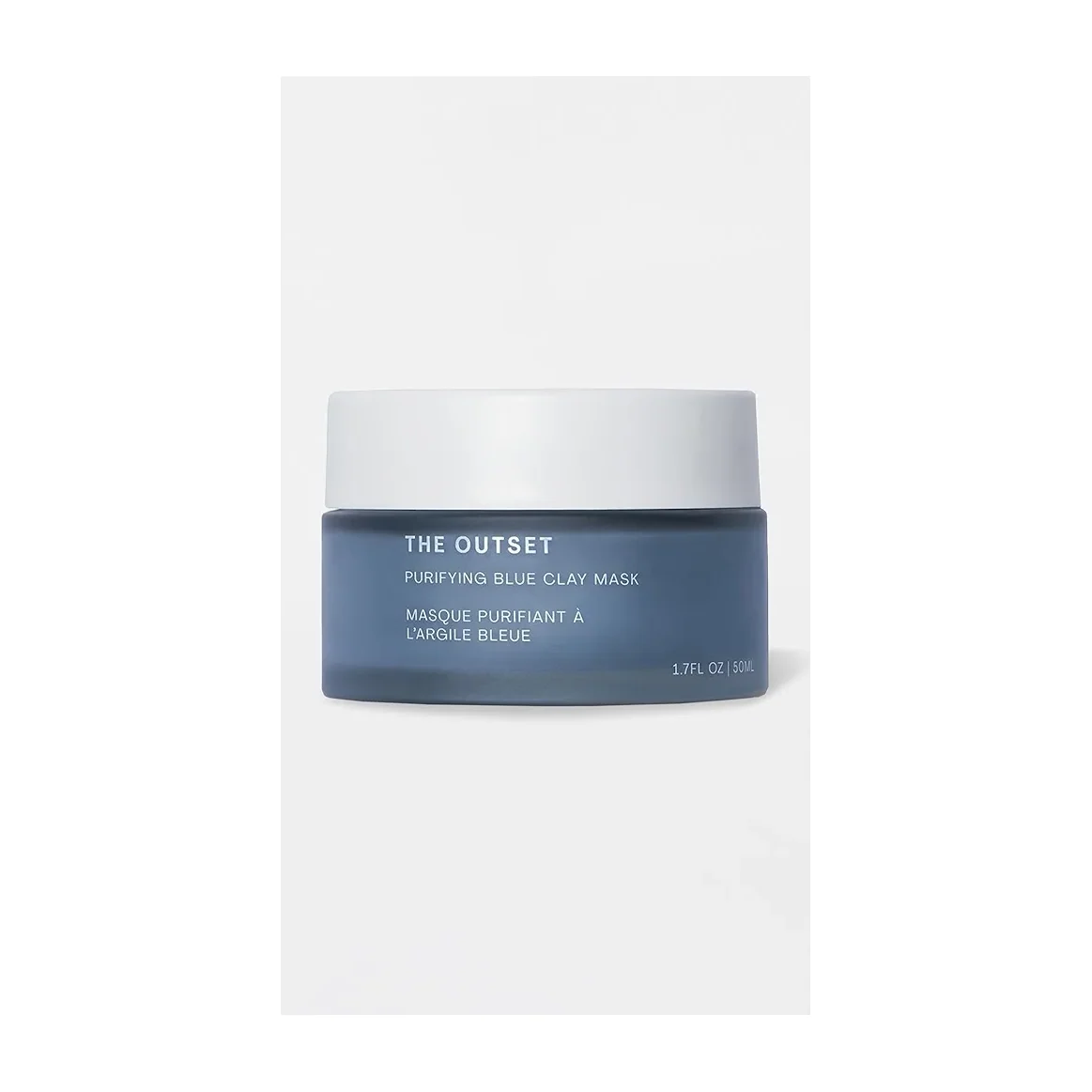
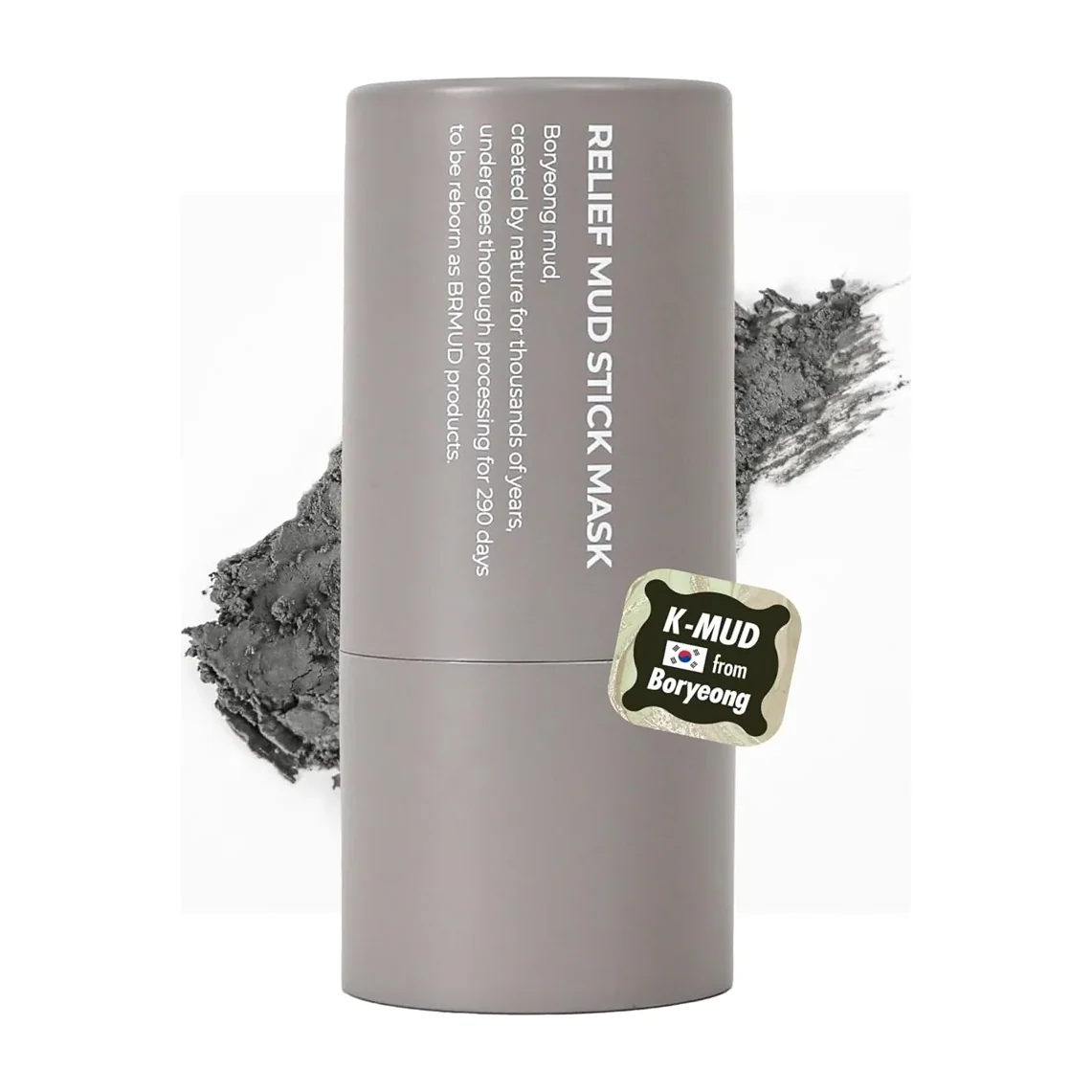
There is a specific tradition in Korean beauty that involves grinding rice into a fine powder, mixing it with honey, and spreading the paste across the face as a brightening mask. It is not a Pinterest-era invention. Women in the Joseon Dynasty were doing this — using rice left over from cooking and wild honey to achieve the porcelain complexion the era prized. Beauty of Joseon, a brand whose entire identity is built on excavating these traditions and giving them modern packaging, has taken this particular ritual and turned it into a product that manages to feel both ancient and engineered.
The Ground Rice and Honey Glow Mask sits at the intersection of three functions: clay purification, physical exfoliation, and hydrating masking. Most products attempting that kind of triple duty end up mediocre at all three. This one lands surprisingly well on each, largely because the formula understands the chemistry of compromise.
Kaolin — the primary purifying agent, sitting second on the deck — is the gentler cousin of bentonite. It absorbs oil and lifts impurities without the aggressive suction stronger clays exert. Bentonite does appear, but further down, playing a supporting role rather than driving the action. That is a deliberate calibration: enough clay to genuinely decongest pores, not so much that your face feels power-washed.
The honey, at roughly 5%, is the formula's diplomatic envoy. While the clays pull oil out, the honey pulls moisture in — a natural humectant that also brings antibacterial and anti-inflammatory properties. This dual action is why the mask never dries into a tight, cracking shell. It stays slightly moist through the ten or fifteen minutes it sits on your face, and that is not a defect. It is the entire design.
Which is worth dwelling on, because it inverts the single most persistent belief about clay masks. The instinct to leave a mask on until it cracks is exactly backwards. Past a certain point the clay stops pulling oil out of pores and starts pulling water out of skin — and dehydrated skin responds by producing more oil, not less. The purifying happens through contact with sebum, not through desiccation. A mask that stays damp is a mask that stopped at the right moment.
The physical exfoliation comes from finely ground rice hull powder and rice bran, visible as pale grains suspended through the cream. They are small enough not to feel like sandpaper and rounded enough to avoid the microtear anxieties of the walnut-scrub era. Add water and massage before rinsing and they deliver a satisfying polish that smooths surface texture and lifts the dead cells that dull a complexion.
The most interesting ingredient, though, is buried further down: rice lees extract. This is the sediment left over from brewing makgeolli, Korea's traditional rice wine. Fermentation generates natural kojic acid and related byproducts, both recognized tyrosinase inhibitors with real brightening credentials. It is a clever way to add a fermentation-derived brightening layer without a separate active on the label — and the concentration is certainly modest compared with a dedicated kojic acid product, so read it as a bonus rather than a treatment.
The supporting cast is quietly competent. Glycerin, propanediol and dipropylene glycol form the humectant spine that keeps the clay honest. Cellulose and corn starch add body and a soft-focus finish. Sodium phytate chelates. Fatty alcohols and a set of polyglyceryl emulsifiers hold the whole thing together, and they are also why the formula is not fungal-acne-safe.
Using it is genuinely pleasant. The thick, creamy texture spreads evenly and stays put without dripping. After a minute you notice a mild cooling from the menthyl lactate — a suggestion of freshness rather than a mint assault. After ten to fifteen minutes, the mask is still damp, which is your cue to wet your fingers, massage, and rinse.
The immediate results are the strongest argument for it. Skin looks noticeably brighter and feels remarkably smooth right after the first use. Pores look temporarily refined and a healthy glow carries into the next day. These are not filter-level results — they are the kind of natural luminosity that makes people ask whether you slept better than usual. Weekly use across four to six weeks builds on that: clearer skin, fewer visible blackheads, better texture.
The menthyl lactate is worth flagging for reactive skin. It is present at low concentration, but combined with the physical exfoliation from the rice hulls, this mask asks for a moderate tolerance for stimulation. If you are managing rosacea, active eczema, or a compromised barrier, this is not your mask, and nothing else in the formula compensates for that. It also should not share a day with a strong chemical exfoliant — one form of exfoliation at a time is a rule the skin enforces whether or not you agree to it. And the honey, obviously, rules it out for vegans.
At 150ml used once or twice weekly, this lasts most people four to six months — which makes the $14.40 price feel almost absurd. Comparable single-function clay masks from prestige brands routinely cost three times as much in smaller jars. The formula is not trying to be luxury; it is trying to be a reliable weekly ritual that delivers visible results without asking you to overthink it.
The Ground Rice and Honey Glow Mask succeeds because it knows exactly what it is: a clay mask with manners. It purifies without punishing, exfoliates without aggression, and hydrates while it cleans. In a category still largely convinced that skincare should hurt to work, this one makes a quietly persuasive case for the opposite.