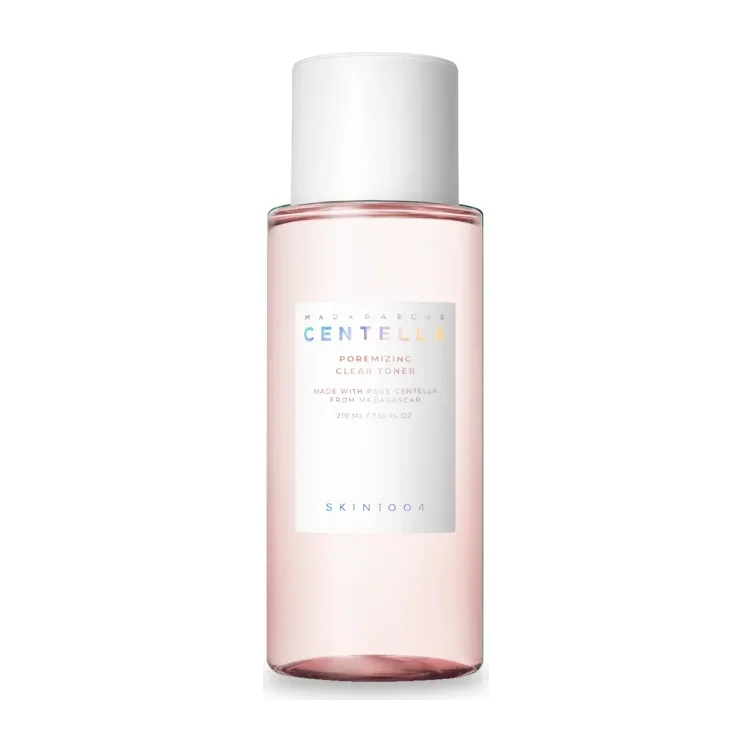
There is something deeply satisfying about shaking a bottle and watching two distinct layers swirl into one. It is a small tactile pleasure, a moment of intentionality before you have even touched your face. Clé de Peau knows this. The Essential Refining Essence is designed to be a ritual, not just a step — and in the Japanese skincare tradition from which this product emerges, that distinction matters.
The biphase design is not mere theater. The separation serves a formulation purpose: a mattifying layer containing bentonite clay and cellulose sits beneath a hydrating layer rich in trehalose, glycerin, and modified hyaluronic acid. When combined by shaking, these components form a balanced formula that attempts to solve the central paradox of oily skin care — how to control excess sebum without triggering the reactive overproduction that dehydration causes. Most mattifying toners treat oil like an enemy to be vanquished. This one treats it like a variable to be managed.
Applied with a cotton pad after cleansing, the essence delivers an immediate cooling sensation from the menthol and a visible mattifying effect that sets within seconds. The alcohol drives rapid absorption, leaving the skin feeling remarkably smooth and refreshed. Pores appear visually smaller, not because anything structural has changed, but because the clay has absorbed the sebum that was filling and stretching them, while the cellulose creates a soft-focus smoothing effect on the skin surface. The ritual itself takes discipline of the pleasant kind: three to five seconds of shaking until the layers turn uniformly milky, a coin-sized pour onto a cotton pad, a sweep across the T-zone, thirty seconds before the next step. It earns its keep most in the morning, laying a matte canvas under makeup, and it makes the most sense in the sticky months — this is a spring-and-summer product by temperament.
Beneath the mattifying action, the hydrating ingredients work to prevent the rebound oiliness that plagues so many oil-control products. Trehalose is a fascinating molecule — a disaccharide produced by organisms that survive extreme dehydration, protecting cellular structures against moisture loss. Its presence here, high in the formula, is a deliberate choice to maintain the skin's water content even as the clay removes surface oil. Sodium Acetylated Hyaluronate adds another layer of sustained hydration, while betaine — an amino acid osmolyte — helps cells maintain their natural moisture balance.
The botanical complex reads like a Japanese herbarium. Chamomile and licorice root provide anti-inflammatory action. Theanine, the calming amino acid found in green tea, appears as a skin-soothing agent. Perilla leaf extract, peony root, and hawthorn flower round out a blend that feels distinctly rooted in East Asian herbal tradition. Look closer and the list gets even more distinctively Japanese: hydrolyzed silk and hydrolyzed conchiolin — pearl protein — are classic Shiseido-school luxury signatures, Job's tears seed extract nods to traditional brightening lore, and Rosa roxburghii fruit brings a vitamin-rich botanical antioxidant. A small peptide, dipeptide-15, and panthenyl ethyl ether round out the conditioning support. None of these carry the formula, but they are the difference between a mattifying toner and a mattifying toner that reads like a luxury house wrote it.
But there are genuine concerns here, and they all cluster around the same theme: this formula is aggressive. Alcohol sits second in the INCI list — not alcohol buried at trace levels, but alcohol as a major functional component. For oily skin that tolerates alcohol well, this may be a non-issue. For combination skin that is dehydrated underneath its oiliness, the alcohol could exacerbate the very problem this product aims to solve. Menthol adds a pleasant cooling effect but is a known sensitizer. The fragrance load is substantial, with no fewer than seven individual allergens listed — hexyl cinnamal, alpha-isomethyl ionone, citronellol, limonene, linalool, geraniol, and benzyl benzoate. This is a lot of potential irritants in a product marketed by a brand that positions itself at the intersection of science and luxury.
The formula also contains methylparaben, which is worth noting for consumers who prefer paraben-free formulations. Its inclusion is somewhat surprising in a modern luxury product, as many brands at this price point have moved to alternative preservation systems.
Long-term users — and this product has devoted followers, some who have repurchased for years — consistently report sustained improvement in skin texture and pore visibility. The consistency of these reports suggests that the formula does deliver meaningful results over time, beyond the immediate cosmetic mattification. Whether this represents genuine improvement in skin function or simply the cumulative effect of consistent oil management is harder to determine. The reception among its six hundred or so reviewers averages 4.2, respectable for a product this opinionated, and the pedigree behind it is real: Clé de Peau has been Shiseido's prestige division since 1982, with formulas developed inside the company's Skin Beauty Innovation Research Center.
At one hundred and ten dollars for 5.7 ounces, the value equation is complicated. The volume is generous by luxury standards, and the product does last several months. But the core technology — clay-based oil absorption supplemented by humectants — is not proprietary or difficult to replicate. What you are paying for is the elegance of the biphase design, the quality of the Japanese botanical complex, and the Clé de Peau experience. For devotees of Japanese skincare rituals who have oily or combination skin and are not sensitized to alcohol or fragrance, the Essential Refining Essence is a distinctively pleasant addition to a routine. For everyone else, there are simpler, gentler, and far less expensive ways to achieve the same matte finish.