There is a particular flavor of frustration that comes from being a dermatology-literate American watching European pharmacies stock something that ought to be available domestically. For most of the past decade, Thiamidol — Eucerin's patented tyrosinase inhibitor — was that product. Beiersdorf launched it in Europe in 2019 after a 10-year screening program in which their scientists tested roughly 50,000 substances against actual human tyrosinase, the enzyme that drives melanin production. Most existing 'brightening' actives — kojic acid, arbutin, even hydroquinone — were originally selected against mushroom tyrosinase, which behaves differently from the human enzyme. Thiamidol was selected against the right target, and the published comparative data made it look better on that target than the alternatives. It then took until January 13, 2025 for Beiersdorf to navigate the FDA and bring the Anti-Pigment line — renamed Radiant Tone for the US — to American pharmacy shelves. The Dual Serum is the flagship of that long-delayed launch.
The formula's logic, once you see past the marketing, is the strongest thing about it. Thiamidol sits in the upper-middle of the INCI list at a concentration Beiersdorf has consistently published as around 0.2% — the exact percentage used in the clinical trials that produced the head-to-head data against hydroquinone. Below it comes sodium ascorbyl phosphate, a stable vitamin C derivative that contributes the antioxidant arm of the strategy. Glycyrrhiza inflata extract — licochalcone A — handles the inflammation pathway, which matters because post-inflammatory hyperpigmentation is the dominant pigment problem in many skin tones and inflammation is what drives it. The supporting cast includes glucosylrutin and isoquercitrin, two additional flavonoid antioxidants Beiersdorf has been using across its pigment line for years. This is a serum with a thesis: tyrosinase inhibition plus oxidative protection plus anti-inflammation, layered intentionally rather than thrown together.
The texture is where the formula's compromise becomes visible. Alcohol denat appears in the second INCI position, just after water — a placement that gives the serum its fast-absorbing, non-tacky feel and explains why it sits so cleanly under sunscreen. It also means this isn't the most gentle option for users with compromised barriers or aggressive winter dryness. Most reviewers don't experience irritation; some sensitive-skin users report a brief tightness on first application that subsides within minutes. The complete absence of fragrance is a meaningful gesture toward the same audience — a pigment-targeting product that doesn't pile additional sensitization risk on top.
Performance, in the timeline that matters, is honestly impressive. Hydration shows up immediately from the hyaluronic acid. Within four weeks, most users report softer-looking overall tone and a reduction in dullness — that's where Eucerin's clinical data benchmark sits. The substantive pigment fading happens between weeks eight and twelve: post-inflammatory hyperpigmentation from acne lesions tends to soften first, followed by sun-induced spots, and finally — slowly — the more entrenched melasma patches. Long-term users at six months and beyond report changes in pigmentation that, in the patient photos Beiersdorf has published, look comparable to non-prescription routes that previously involved hydroquinone. The catch is that none of this works without strict daily sunscreen use. Tyrosinase doesn't stop being stimulated by UV just because Thiamidol is blocking it; pile on enough new UV signal and the inhibition gets overwhelmed.
Where this serum genuinely earns the pharmacy positioning is in its tolerability profile. Compared to hydroquinone at standard 4% prescription strength, Thiamidol's mechanism doesn't generate the same oxidative byproducts that can cause hydroquinone-related ochronosis or rebound hyperpigmentation in long-term users. It can be used continuously without the 'cycle on and off' caution that surrounds hydroquinone. For melasma patients in particular, that durability is meaningful — melasma is a long-term management problem rather than a discrete fix, and routines that can be sustained without irritation tend to outperform aggressive ones the patient eventually abandons. The Beiersdorf clinical trials have run protocols of three, six, and twelve months without significant adverse events.
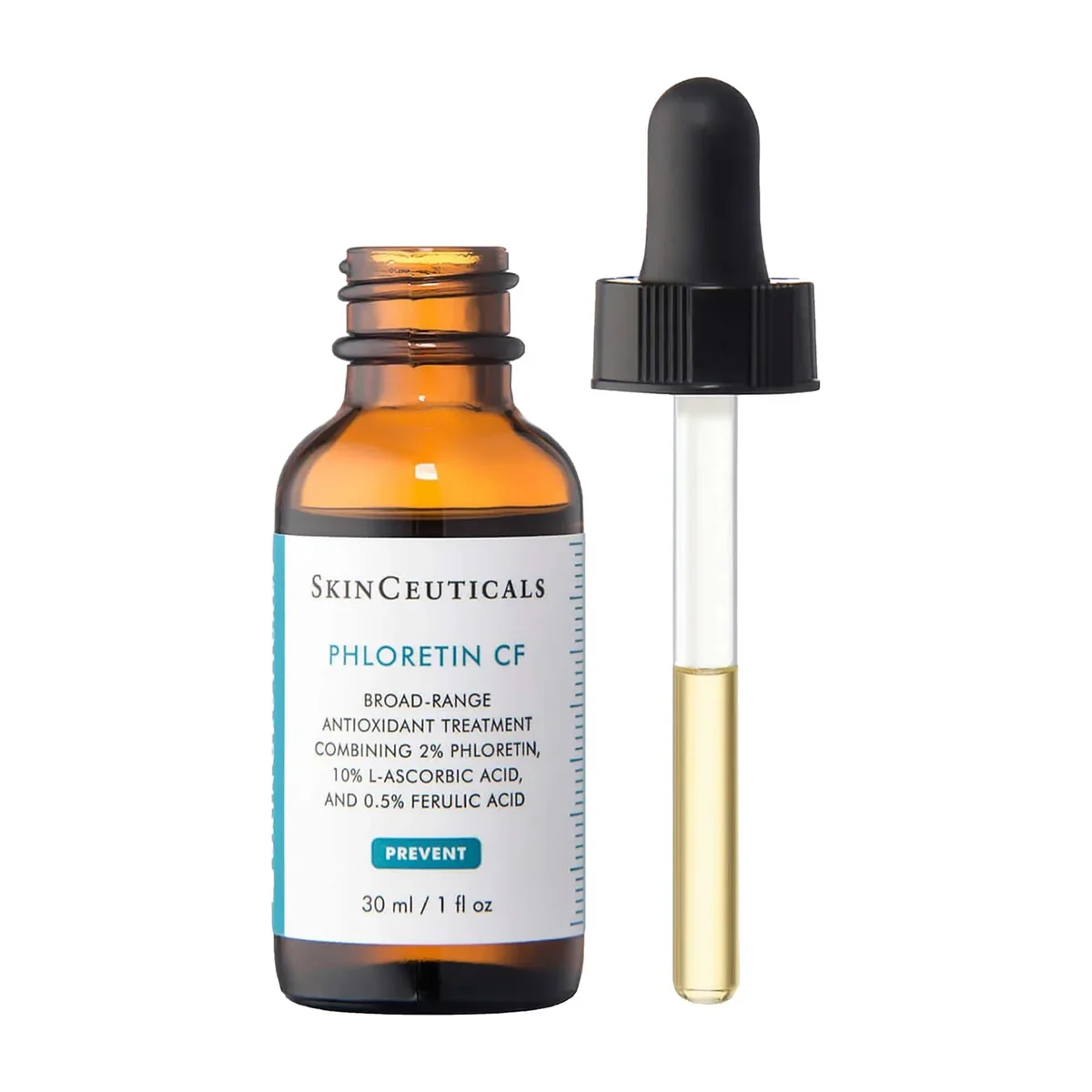
Value is the surprising part of the Radiant Tone story. At roughly $35 for 30 mL, the Dual Serum sits well below the comparable spec at SkinCeuticals, Topicals, or any of the indie brightening serums that lean on niacinamide and azelaic acid. The price is closer to drugstore than to luxury — which is unusual for a product with a patented active and serious clinical investment behind it. The 30 mL bottle is the only meaningful value pinch. At twice-daily use across the face, a bottle lasts roughly six to eight weeks, and consistent pigment fading takes months. Buying multiple bottles back-to-back is part of the math.
Who should buy: users with active hyperpigmentation, post-acne marks, melasma, or sun-induced dark spots looking for a non-prescription pathway with real clinical evidence behind it. Particularly good for users who can't or don't want to use hydroquinone (during pregnancy, for long-term management, or after a hydroquinone course ended). Who should skip: users with extremely dry, compromised, or actively eczematous skin in cold climates may find the alcohol carrier unfriendly — the Eucerin Anti-Redness or Hyaluron-Filler Sensitive line is a better starting point until the barrier is rebuilt. Anyone unwilling to commit to daily sunscreen is also wasting their money here; without SPF, the serum cannot deliver what its actives are designed to do.
The more interesting takeaway about the Radiant Tone Dual Serum is what it represents structurally. For nearly a decade, the conversation about non-prescription pigment correction in the US has been dominated by niacinamide, vitamin C, and azelaic acid — all good actives, none of them new. Thiamidol's arrival is the first time a genuinely novel small-molecule tyrosinase inhibitor with peer-reviewed comparative data has reached American consumers without prescription. Whether that translates to a long-term shift in how dermatologists approach over-the-counter pigment management is the question of the next few years. The early signs are encouraging. The patience required to get here was substantial.