The science
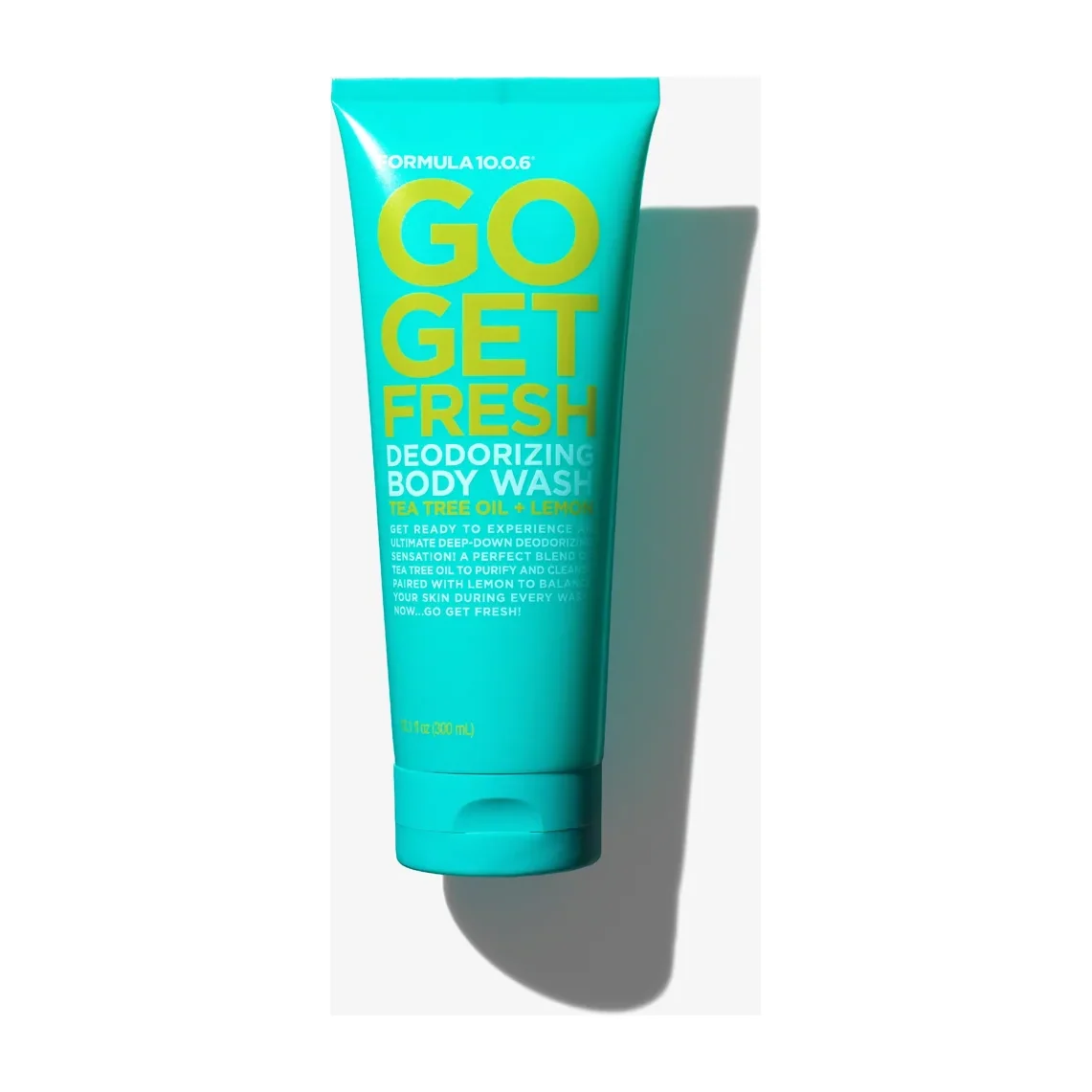
The two halves of this formula have two very different evidence bases. The surfactant system is the good news: sodium cocoyl isethionate's mildness to the skin barrier is well documented — its large micelles penetrate the stratum corneum far less than small-micelle detergents such as sodium lauryl sulfate — and pairing it with a sugar-derived glucamide, an amino-acid glycinate and an amphoteric betaine follows the standard mild-cleansing playbook of blended surfactants with added humectants. On cleansing alone, this eight-dollar wash is built the way the barrier-respecting literature recommends.
The deodorising claim rests on tea tree oil, and the reference is a 2006 review in Clinical Microbiology Reviews of Melaleuca alternifolia oil's antimicrobial and other medicinal properties, which documented broad activity against bacteria, fungi and viruses in vitro at concentrations typically of 0.5 to 5 percent, with human data mostly from leave-on preparations at those doses. A rinse-off wash with tea tree at position eleven, diluted in foam and rinsed within a minute, delivers neither the concentration nor the contact time those studies used, so the claim reduces to fragrance.
The risk side is where the literature is most emphatic. Methylisothiazolinone contact allergy rose sharply across Europe through the 2010s — a 2024 multicentre analysis in Contact Dermatitis tracked current sensitisation frequencies to methyl-, benz- and octylisothiazolinone across European patch-test clinics after the leave-on ban and rinse-off restrictions — and the methylchloroisothiazolinone/methylisothiazolinone pair remains permitted in rinse-off products at capped levels because rinsing reduces exposure, not because sensitisation has stopped. Essential oils compound the picture: a 2023 French multicentre study in Contact Dermatitis of allergic contact dermatitis from essential oils in consumer products found tea tree, lemon and other citrus oils, eucalyptus and resin oils among the relevant sensitisers, with oxidised terpenes such as limonene and linalool hydroperoxides frequently implicated. This wash contains most of the oils on that list plus added fragrance, and although rinse-off use lowers the risk for every one of them, the combination is why sensitive and allergy-prone skin should choose a plainer wash.
References 3 ShowHide
- Melaleuca alternifolia (Tea Tree) oil: a review of antimicrobial and other medicinal properties — Clinical Microbiology Reviews (2006)
- Current frequency of contact allergy to isothiazolinones (methyl-, benz- and octylisothiazolinone) across Europe — Contact Dermatitis (2024)
- Allergic contact dermatitis from essential oil in consumer products: Mode of uses and value of patch tests with an essential oil series. Results of a French study of the DAG — Contact Dermatitis (2023)