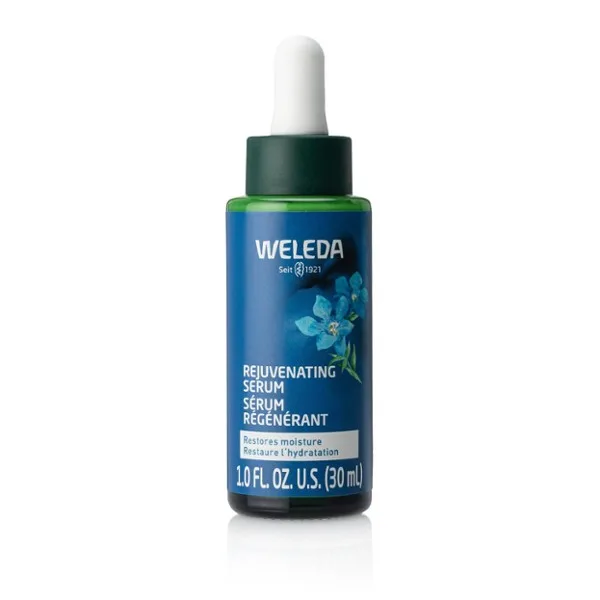
The science
The ingredient in this serum with the most substantial record is the one listed last of the three heroes. Centella asiatica has a long clinical and laboratory literature: its pentacyclic triterpenes — asiaticoside, madecassoside, asiatic and madecassic acids — promote fibroblast proliferation and collagen synthesis, support wound repair and calm inflammatory signalling, which is why it appears in medical preparations for wounds and scars and in cosmetics for reactive skin. At seventeenth in this list and at an undisclosed concentration its role is supportive, but it is the one named active whose claimed effects — soothing and barrier support — are documented in human skin rather than inferred. Edelweiss (Leontopodium alpinum) has a real phytochemical and pharmacological literature establishing potent antioxidant and anti-inflammatory activity for its leontopodic acids and flavonoids, largely from laboratory systems; in a leave-on serum with a polyunsaturated oil phase, that antioxidant capacity protects both the skin surface and the formula. Blue gentian — Gentiana septemfida and G. acaulis — is characterised by secoiridoid bitters and xanthone and flavonoid antioxidants with cell-system data and essentially no published human skin studies; the brand's four-week perception survey of 36 subjects, 86 percent of whom agreed their skin looked firmer, had no vehicle control and cannot attribute any effect to the gentian rather than the humectant base.
That base is where the reliable science sits. Glycerin at second, aloe leaf juice at fifth, marshmallow (Althaea officinalis) root mucilage and betaine bind water at the stratum corneum; a small oil phase — olive, sunflower and sacha inchi, the last roughly half alpha-linolenic acid — is emulsified by lysolecithin, a phospholipid that also improves spread and skin feel, into a fluid that deposits a trace of barrier lipid as it dries. Hydrated skin scatters light more evenly and appears smoother and tauter for hours, which accounts for the brand's 89 percent 'smoothed' result. Alcohol at third functions as solvent and preservative in a formula without synthetics and evaporates rapidly; on intact skin its net effect is minor, on compromised skin it irritates.
The fragrance is the formulation's evidence-based caution. Limonene, linalool, citronellol, benzyl benzoate, benzyl salicylate, geraniol, citral and farnesol are eight of the 26 fragrance allergens the EU requires to be declared above threshold concentrations; their presence at declarable levels, from essential oils rather than synthetic perfume, carries the same contact-sensitisation risk, and the count is the highest in the Rejuvenating line.
References 1 ShowHide
- Centella asiatica in cosmetology — Postępy Dermatologii i Alergologii (2013)