
Rebuilding Your Skincare Routine in Your 40s
Updated November 2026 · picks refresh with our database
Decades of sun exposure start sending invoices in your 40s. The UV damage banked in your 20s surfaces as sun spots, uneven tone, and lines that no longer smooth out by mid-morning — photoaging stops being theoretical and becomes something you can point to in the mirror. This routine is organized around the two jobs that matter most now: managing pigment and rebuilding what cell turnover used to handle on its own. Pigment gets a multi-front approach, because dark spots respond best to a team — daily sunscreen so existing spots stop darkening, brightening actives like vitamin C or niacinamide to interrupt new pigment formation, and a nightly retinoid to speed the turnover that lifts marked cells out.
Meanwhile, your barrier is quietly getting less forgiving. Products you tolerated at thirty can suddenly sting, recovery from an over-exfoliation mistake takes longer, and dryness creeps in where there wasn't any. So while the actives here genuinely work, the routine surrounds them with more support than a younger one would need — a cleanser that leaves your lipids alone, a moisturizer doing real barrier repair rather than just sitting on top, and a cadence that respects a slower reset time. The honest framing: consistent retinoid use, rigorous sun protection, and pigment-directed actives can visibly improve tone and texture over months, and prevention from here forward still compounds. What they can't do is subtract twenty years — any product promising that is selling packaging. These picks assume normal skin, some experience, and patience measured in months.
Rebuilding Your Skincare Routine in Your 40s
dermington.com/routines/in-your-40s/ · November 2026
Morning Routine


Serum
Eva Naturals
Eva Naturals Anti Aging 10 Actives Serum
Works best in the morning, layered under sunscreen.


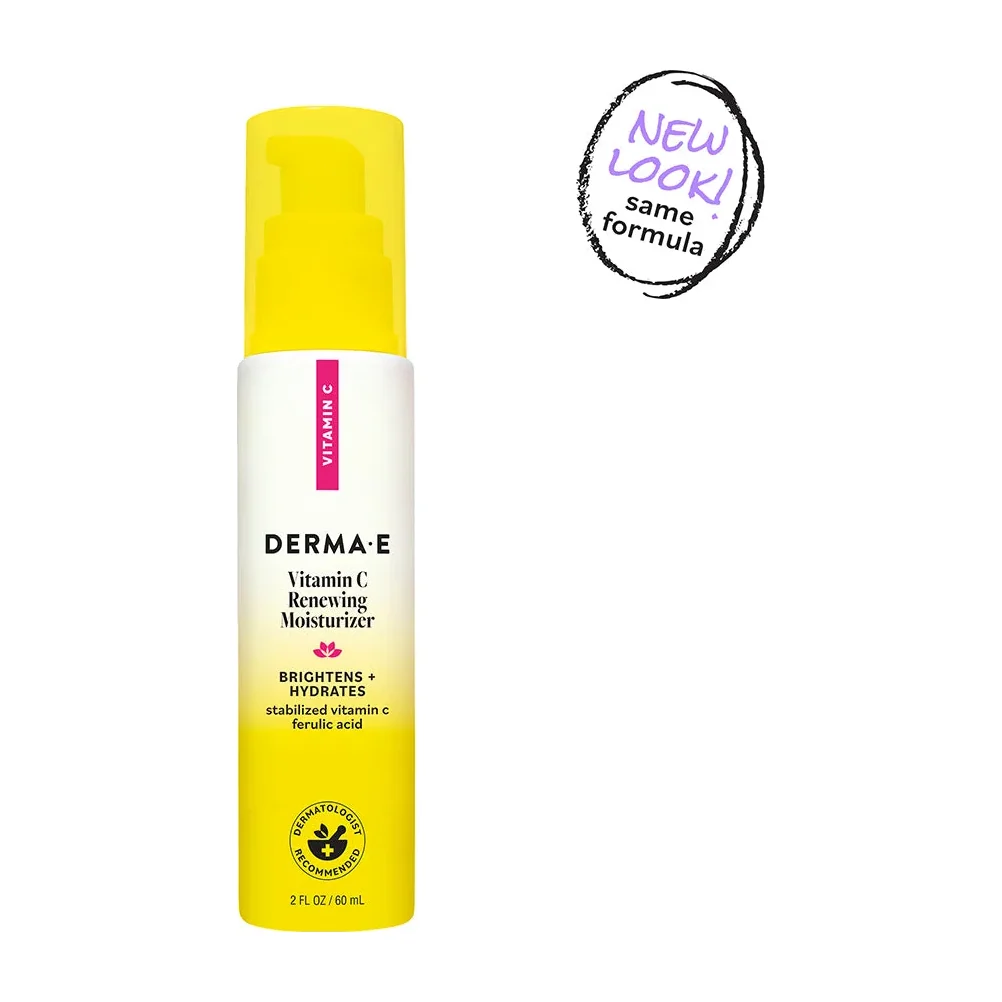
Moisturizer
Derma E
Derma E Vitamin C Renewing Moisturizer
Retinoid — start 2–3 nights a week and increase as your skin adjusts.


Sunscreen
Nécessaire
Nécessaire The Sunscreen
Final morning step — apply generously and reapply every two hours in direct sun.


Evening Routine
Cleanser Glytone Mild Gel Cleanser — same as your morning cleanser

Treatment
Dermatica
Dermatica Tretinoin 0.025% Cream
Retinoid — start 2–3 nights a week and increase as your skin adjusts.


Moisturizer Derma E Vitamin C Renewing Moisturizer — same as your morning moisturizer
Your Week at a Glance
| Evening active | Mon | Tue | Wed | Thu | Fri | Sat | Sun |
|---|---|---|---|---|---|---|---|
| Retinoid Dermatica Tretinoin 0.025% Cream | ✓ | ✓ | ✓ |
Everything else in the evening routine runs nightly, and the full morning routine runs every day. On unscheduled nights, just cleanse and moisturize.
Independently scored — dermington.com
Not quite your skin?
This routine is one profile. Answer six quick questions and our engine rebuilds it around your exact skin type, concerns, budget, and experience with actives.
Frequently Asked Questions
Why are dark spots suddenly showing up on my face in my 40s?
They aren't sudden — they're old UV damage finally surfacing. Melanocytes injured by sun exposure decades ago gradually become overactive, and by the 40s that accumulated damage produces visible spots even if your current sun habits are good. It's also why sunscreen now still matters: it stops existing spots from darkening further.
Can sun spots actually fade, or can you only cover them?
Many genuinely fade with months of combined treatment — sunscreen to stop reinforcement, a retinoid to accelerate turnover, and brightening actives to slow new pigment production. Expect gradual lightening over three to six months rather than erasure. Deep or stubborn spots may need in-office options like lasers, which a dermatologist can assess.
Is it worth starting retinol at 45?
Absolutely — retinoids stimulate collagen and improve tone at any starting age, and studies showing improvement in photoaged skin were largely done on people in their 40s and beyond. The difference from starting younger is the baseline you begin from, not whether it works. Start gently; mature skin adapts a bit more slowly.
Why do products I've used for years suddenly irritate my skin?
Barrier function declines with age — lipid production drops and the skin's recovery from small insults slows — so a formula that was comfortably tolerated at 32 can genuinely sting at 45. It's a signal to add barrier support and space out strong actives, not necessarily to abandon them.
Do I need a separate eye cream at this point?
Need is strong — the skin around the eyes is the thinnest on the face and often shows aging first, but what it needs is the same evidence-backed ingredients, gently delivered. If your facial retinoid and moisturizer are well tolerated near the orbital bone, they cover most of the job; a dedicated eye product mainly buys a gentler formulation for that zone.
Products are selected by our matching engine from independently scored reviews. Recommendations are not a substitute for professional dermatological advice; if you have a diagnosed skin condition, consult your dermatologist before starting a new routine.