Best Pregnancy-Safe Moisturizers
Updated September 2026 · independently researched, no sponsored placements
Our top 40 picks, ranked from 1332 reviewed products — ordered by how well each product does its category’s job.




How to Choose
The best pregnancy-safe moisturizers are defined as much by what they leave out as what they contain: no retinoids, no high-dose salicylic acid, no hydroquinone — the actives most dermatologists ask expecting parents to pause. The reassuring part is that a great pregnancy moisturizer isn't a compromise.
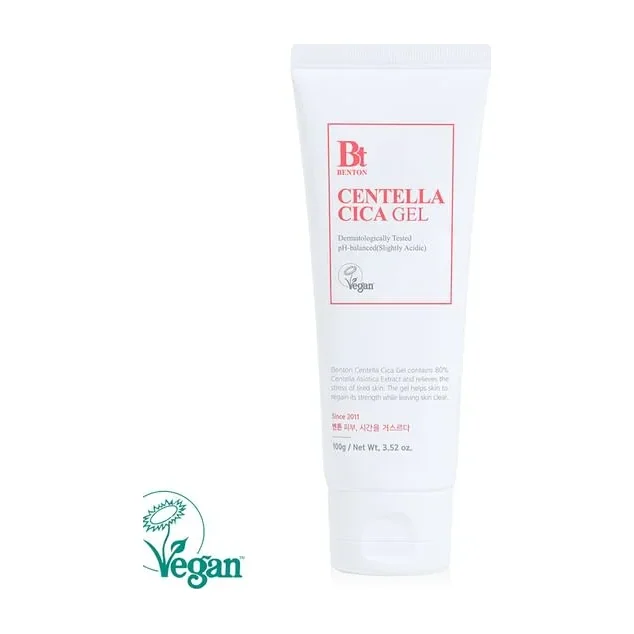
The same barrier-repair ingredients that anchor the best creams overall — ceramides, cholesterol, glycerin, hyaluronic acid, panthenol, centella — are all considered safe during pregnancy, so you're not trading effectiveness for caution. That matters because pregnant skin genuinely changes: hormones can leave it drier, more reactive, and prone to itching as the belly stretches, which is when a rich, fragrance-free barrier cream earns its place. Look for ceramide-and-cholesterol formulas like CeraVe Moisturizing Cream ($19) or the Tocobo Multi Ceramide Cream ($24), or a soothing centella-led option like Atopalm Cicarelief ($28) if your skin is reactive. Versed's Daily Recovery Rich Barrier Cream ($20) tops the list for a clean, no-drama build. The traps to screen out: retinol and retinaldehyde, retinyl palmitate hiding in "anti-aging" creams, and essential-oil-heavy "natural" products that can irritate sensitized skin. The honest caveat: ingredient safety in pregnancy is an evolving, individual conversation — this is general guidance, not medical advice, and your OB or dermatologist should sign off on anything you're unsure about. When in doubt, simpler is safer: a short, fragrance-free ingredient list you can actually read beats a long one promising miracles.
Buying Guide
Build your shortlist by elimination first. Rule out leave-on retinoids (retinol, retinaldehyde, retinyl palmitate), prescription vitamin A, hydroquinone, and high-strength salicylic acid, all commonly flagged for pregnancy — then choose from the large field of barrier-focused creams that remain. The actives you want are the gentle, well-tolerated ones: ceramides and cholesterol to rebuild the barrier, hyaluronic acid and glycerin to hydrate, panthenol and centella to soothe the itch and reactivity that often come with pregnancy. Favor fragrance-free formulas, since heightened sensitivity and nausea can make scented products unpleasant or irritating, and be cautious with essential-oil-rich "natural" creams, which aren't automatically safer. Match richness to your skin's new state — many people get drier and want a true barrier cream, while others stay combination and prefer a gel-cream. Price is a non-issue: the top pregnancy-safe picks run $9–$38, with several excellent options around $12–$20. Above all, treat any ingredient you're unsure about as a question for your OB or dermatologist rather than a guess.
Frequently Asked Questions
Which skincare ingredients should I avoid in a moisturizer while pregnant?
The most commonly avoided are retinoids (retinol, retinaldehyde, retinyl palmitate, and prescription tretinoin), hydroquinone, and high-concentration salicylic acid. Many people also limit strong essential oils, which can irritate sensitized pregnancy skin. Barrier ingredients like ceramides, hyaluronic acid, glycerin, panthenol, and niacinamide are generally considered safe, but confirm anything you're unsure about with your OB or dermatologist.
Is hyaluronic acid safe to use during pregnancy?
Hyaluronic acid is widely regarded as pregnancy-safe — it's a humectant that hydrates the skin's surface and isn't associated with the concerns that surround retinoids or hydroquinone. It's a smart choice for the dryness and tightness that often accompany pregnancy. Pair it with a sealing moisturizer so the hydration lasts, and as always, run new products past your healthcare provider if you have specific concerns.
Can I keep using my anti-aging moisturizer if it has peptides but no retinol?
Peptides, like those in Naturium's Multi-Peptide Rich Cream, are generally considered safe in pregnancy and aren't subject to the retinoid warnings — so a peptide moisturizer without retinol is usually fine. The key is to check the full ingredient list for hidden retinyl palmitate or other flagged actives that sometimes appear in anti-aging formulas. When a product blends multiple actives, it's worth a quick review with your dermatologist.
Why does my skin feel drier and itchier during pregnancy?
Hormonal shifts can reduce the skin's oil production and barrier resilience, while stretching skin over a growing belly adds to the itch and tightness. A rich, fragrance-free barrier cream with ceramides and soothing centella or panthenol helps replenish lipids and calm the irritation. If itching becomes severe or widespread, mention it to your doctor, since intense itching in pregnancy occasionally signals something that needs evaluation.