Best Moisturizers for Eczema
Updated October 2026 · independently researched, no sponsored placements
Our top 28 picks, ranked from 140 reviewed products — ordered by each product's eczema verdict, then evidence strength.






How to Choose
The best moisturizer for eczema rebuilds the skin barrier with ceramides and seals it with an occlusive, while leaving out the fragrance and botanical extracts that send eczema-prone skin into a flare. Eczema isn't simply dry skin — it's a compromised barrier paired with an over-reactive immune response, which is why the skin loses water too fast, cracks, and itches in a maddening cycle.
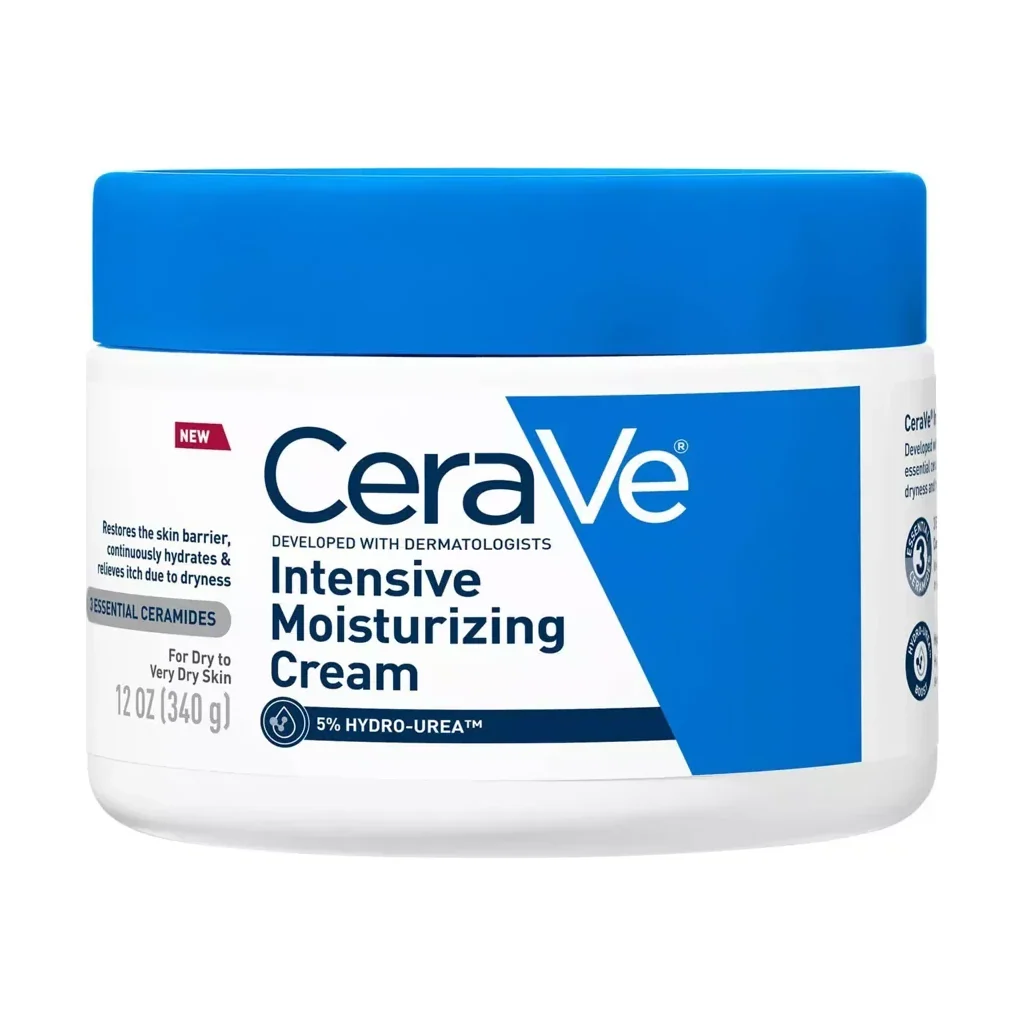
A good moisturizer interrupts that cycle on two fronts: it replaces the barrier's missing lipids and it physically traps moisture so the skin can calm down and repair. That's why the ingredient list matters more here than in almost any other category. Look for ceramides, cholesterol, and fatty acids in roughly the ratio healthy skin uses (CeraVe Moisturizing Cream's ceramide-and-petrolatum blend at $19 is the benchmark, and Versed's Rich Barrier Cream at $20 and Tocobo's Multi Ceramide Cream at $24 follow the same logic), plus colloidal oatmeal — an FDA-recognized skin protectant that genuinely soothes itch — in picks like Prequel's Barrier Therapy ($18) and CeraVe's Baby Eczema Relief ($14). Just as important is what's absent: fragrance, essential oils, and botanical extracts are common eczema triggers, so fragrance-free is non-negotiable, not a preference. The honest caveat: moisturizer is the foundation of eczema care, but moderate-to-severe flares often need a prescription anti-inflammatory alongside it — a rich cream manages the barrier, it doesn't switch off the immune overreaction. Apply generously, especially within minutes of a shower, and reapply whenever skin feels tight. At $9 to $54, the most effective options here are among the cheapest.
Buying Guide
Prioritize barrier repair above everything. The most effective eczema moisturizers supply the three lipids healthy skin is missing — ceramides, cholesterol, and fatty acids — and back them with an occlusive like petrolatum or shea butter to lock water in; CeraVe, Versed, and Tocobo all follow this blueprint. Colloidal oatmeal is a meaningful bonus, since it's a recognized skin protectant that calms itch, which is why it anchors dedicated eczema creams like Prequel's and CeraVe's Baby Eczema Relief. Now the screening: go strictly fragrance-free (including no "natural fragrance" or essential oils), and be wary of long botanical extract lists, because eczema-prone skin reacts to sensitizers that other skin shrugs off. Match richness to severity and season — a thicker balm or ointment-style cream for cracked, very dry, or winter skin; a lighter ceramide lotion when things are calmer. Texture should feel cushioning, not tacky or stripped. Apply within three minutes of bathing to seal in water, and don't ration it. On price: a $12–$20 ceramide cream competes head-to-head with anything pricier, so spend your money on using enough, often.
Frequently Asked Questions
What ingredients should I look for in an eczema moisturizer?
Look for ceramides, cholesterol, and fatty acids to rebuild the barrier, an occlusive like petrolatum or shea butter to seal in moisture, and colloidal oatmeal to soothe itch — it's an FDA-recognized skin protectant. Just as important, choose fragrance-free formulas without essential oils or long botanical extract lists, since those are common eczema triggers. Niacinamide and glycerin are helpful supporting ingredients.
Why does fragrance matter so much in an eczema moisturizer?
Fragrance — including "natural" fragrance and essential oils — is one of the most common triggers for eczema flares and contact reactions, because compromised, reactive skin is far more prone to irritation than normal skin. Even products marketed as soothing can flare eczema if they're scented. Always choose fragrance-free (not just "unscented," which can still contain masking fragrance).
When and how often should I apply moisturizer for eczema?
Apply generously at least twice a day, and crucially within about three minutes of bathing or showering, while skin is still damp — this "soak and seal" timing traps water before it evaporates. During flares or in dry winter weather, reapply any time skin feels tight or itchy. Consistent, liberal use is what keeps the barrier stable between flares.
Can a moisturizer alone clear up an eczema flare?
Moisturizer is the foundation of eczema management and can control mild dryness and itching, but it works by supporting the barrier, not by calming the immune overreaction that drives moderate-to-severe flares. Those often need a prescription anti-inflammatory like a topical steroid alongside daily moisturizing. If flares are frequent, painful, or widespread, see a dermatologist rather than relying on cream alone.
Is a thick cream or a lotion better for eczema?
Thicker creams, balms, and ointment-style formulas are generally better for eczema because their higher occlusive content seals in moisture more effectively on cracked, very dry skin. Lighter lotions can work for mild or well-controlled eczema, or in humid weather, but tend to be too thin during active flares. Match the richness to how dry and irritated your skin is at the moment.
- Eczema & DermatitisDelgocitinib: The First JAK Approved for Chronic Hand EczemaHands have been treated with steroids and hope for decades. A topical pan-JAK inhibitor is the first drug approved specifically for the condition — and in a head-to-head it outperformed the oral alternative on both efficacy and side effects.
- Eczema & DermatitisEczema Beyond Steroids: What the Rungs Above Hydrocortisone Actually DoModerate eczema has quietly become one of the best-served conditions in medicine — and an enormous number of people are still cycling the same mid-potency tube they were handed years ago.