Film Formers & Texture Polymers
Products with Film Formers & Texture Polymers
 Max-Strength BP Spot
 Spot Acne Cream 10%
A cheap, no-frills 10% benzoyl peroxide spot cream in a bare, greaseless vanishing base that dries up individual pimples fast — the leave-on partner to Asepxia's salicylic acid bars. For oily, resilient skin that wants to zap a blemish directly, it's a solid, affordable pick. The maximum strength runs drying, the tube is small, and it bleaches fabric like any benzoyl peroxide, but as a straightforward spot treatment it does exactly what it promises.
Key Benzoyl Peroxide · Film Formers & Texture Polymers
 Eight Ingredients, One Drug
 BARE Sensitive Scalp Dandruff Shampoo
Eight ingredients, one of which is a federally defined antidandruff drug. No sulfate, no fragrance, no dye, no silicone, no cooling agent — every ingredient class responsible for scalp contact dermatitis has simply been deleted. Slightly less potent than the heavy hitters and it leaves hair bare, but for a scalp that reacts to everything else, this is the one to buy.
Key Zinc Pyrithione · Sodium Cocoyl Isethionate
 Dermatologist-Backed Daily Fighter
 Stubborn Acne AM Treatment 2.5% Benzoyl Peroxide
A no-nonsense morning acne fighter that proves you don't need a complicated formula to get results. The micronized 2.5% benzoyl peroxide delivers clinical-grade efficacy without the redness and flaking that scare people away from stronger concentrations, and the invisible finish actually makes it wearable under sunscreen and makeup.
Key Benzoyl Peroxide · Glycerin
 Percentages On The Label
 Salicylic Acid Exfoliating Scalp Treatment
Fifteen ingredients, three published percentages, and a real two-percent keratolytic dose — this is what a scalp exfoliant looks like when nobody is trying to make it feel like something. No fragrance, no menthol, no tingle, and consequently no theatre. For oil-bound flaking and buildup it works, it costs seventeen dollars, and the bottle lasts months.
Key Salicylic Acid · Panthenol
 Sensitive Scalp Standard
 Dandruff Shampoo
Monograph-maximum zinc pyrithione in a base that behaves like a sensitive-skin cleanser — no sulfates, no fragrance, no dye, nothing to react to. It is the rare medicated shampoo that does not punish the scalp it is treating. Twice the drugstore price, and zinc pyrithione is still not the strongest active in the aisle, but for reactive scalps this is close to the ideal compromise.
Key Zinc Pyrithione · Coco-Glucoside
 No-Frills BP Gel
 Acne Treatment Gel
A no-frills 10% benzoyl peroxide gel that treats pimples effectively in an unusually minimal, fragrance- and alcohol-free base — just five inactive ingredients around the proven active. It's a solid, honest pick for oily, resilient, acne-prone skin that wants the acne fighter with as little else on the skin as possible. The maximum strength runs dry and flaky, the tube is small, and it's priced a touch above some drugstore rivals, but the bare-bones formula is the point.
Key Benzoyl Peroxide · Film Formers & Texture Polymers
 Dermatologist Gold Standard
 Effaclar Adapalene Gel 0.1%
The same prescription-strength adapalene that dermatologists recommended for decades, now available over the counter under a trusted pharmacy brand. It's a genuinely effective acne treatment with long-term anti-aging benefits — but it costs more than identical OTC alternatives, and the adjustment period is real.
Key Adapalene · Film Formers & Texture Polymers
 The Evidence-Based Standard
 Anti-Dandruff Shampoo
The one product in the dandruff aisle whose active ingredient is a genuine pharmaceutical antifungal rather than a cosmetic ingredient with antifungal properties. Ketoconazole 1% has decades of clinical literature behind it, the formula around it is competent and conditioning, and the only real skill required is using it twice a week rather than daily.
Key Ketoconazole · Cleansing Surfactants
 Invisible Liquid Patch
 Paint & Peel Liquid Pimple Patch
An inventive paint-on pimple patch: a liquid that dries into a near-invisible, customizable film, sealing 1% salicylic acid against a blemish for real leave-on treatment, at up to 100 uses for around $10. It's more invisible, flexible, and economical than a sticker patch and genuinely gentle. The honest trade-off is drawing power — unlike a hydrocolloid sticker, it doesn't absorb fluid or flatten a whitehead nearly as well. A great invisible treat-and-protect, a weaker 'draw-it-out.'
Key Salicylic Acid · Film Formers & Texture Polymers
 Gen Z Acne Icon
 Hydro-Star + Salicylic Acid Pimple Patches
The pimple patch that made acne treatment feel like a fashion statement rather than a medical intervention. The 1% salicylic acid gives it a genuine edge over plain hydrocolloid patches, but the premium price means you are paying for branding as much as for blemish-fighting.
Key Salicylic Acid · Film Formers & Texture Polymers
 Unseen, Sweetened, Pricey
 Unseen Sunscreen Lip Protector SPF 30
The Unseen idea — invisible, glossy, wax-free — genuinely works on the lips, and that is the whole case for this stick. Against it: four chemical filters including 9% homosalate on the one body site where sunscreen gets swallowed, a sweet flavour that divides people, a slip that wears off in an hour or two, and 3.5 g for $22. Supergoop's own customers rate it 3.4 stars, and they are being fair.
Key Avobenzone · Homosalate
 Mochi-Skin Drugstore BHA
 2% BHA Exfoliating Hydra Serum
A declared 2 percent salicylic acid in a twelve-ingredient, fragrance-free, oil-free gel that Kao has built as a texture play, bouncy, bubble-flecked and cushiony, so the acid stays on the skin while a glycerin, butylene glycol and sorbitol trio keeps the finish soft. It unclogs and smooths oily, congested skin well for seventeen dollars and is one of the cleanest drugstore BHAs on the shelf; denatured alcohol second is what dissolves the acid and what will tighten drier faces, and a month-old product has no track record yet.
Key Salicylic Acid · Alcohol Denat.
 Deep-Pimple Targeter
 Deep Relief Acne Treatment
A smart, well-built spot treatment that treats max-strength 2% salicylic acid like a liquid patch — an invisible film holds the active on the blemish longer, with soothing extras to limit dryness. It genuinely calms painful, under-the-surface pimples, though deep cysts still take days. The catch is value: $45 for a 1 fl oz spot-only bottle is a steep ask.
Key Salicylic Acid · Film Formers & Texture Polymers
 Thin K-Beauty Spot Patch
 Ac Rescue Ampoule Spot Patch
A thin, nearly invisible hydrocolloid patch that does what every good hydrocolloid patch does — draws the fluid out of a whitehead or an opened spot overnight, keeps fingers off it and lets it heal cleaner — at eight dollars for 42, which undercuts most medicated patches. The salicylic acid and tea tree in the adhesive are the 'ampoule' story and probably marginal; the hydrocolloid is the product. Tea tree and rosin are the two things a reactive face should know about.
Key Film Formers & Texture Polymers · Salicylic Acid
 Best-in-Category Lip SPF
 UV Lip Color Splash SPF 35 PA+++
Shiseido's UV Lip Color Splash is one of the rare lip products with genuinely meaningful broad-spectrum SPF 35 PA+++ protection — addressing the chronic UV under-protection of the lip area through the brand's Clear Defense Technology. The Oxybenzone presence is the formula's significant concern (both for individual sensitivity and reef-safety reasons), but for routines that need lip SPF and don't conflict with those constraints, this is one of the few products in the category that genuinely works.
Key Avobenzone · Silicones
 Medicated Hydrocolloid Hybrid
 Zitproof Spot Pimple Patches
Zitproof Spot is the medicated counterpart to the simple hydrocolloid patch — embedding salicylic acid, tea tree oil, and centella triterpenes into the absorbent matrix so a single overnight application addresses both the fluid in a whitehead and the surrounding inflammation. The tradeoff is sensitization risk, so users with reactive skin should reach for an additive-free patch instead.
Key Film Formers & Texture Polymers · Salicylic Acid
 Loaded Peel-Off Mask
 Calendula Peel Off Mask
A peel-off mask with a genuinely loaded supporting cast — niacinamide, calendula in three forms, BHA, PHA and beta-glucan elevate it above the pure-extraction baseline of the category. The whole-flower visual is genuinely pretty, the immediate smoothness is real, and the per-use cost is reasonable. The peel-off format remains fundamentally a physical-extraction approach with limits, and the alcohol-and-fragrance content narrows the audience.
Key Film Formers & Texture Polymers · Calendula Extract
 Nine-Cent Hydrocolloid Dot
 Tea Tree Cica SOS Spot Patch
A thin, sticky hydrocolloid dot in three useful sizes at nine cents apiece, and that is its real value. The tea tree oil and centella triterpenes are declared at a few hundred parts per million and the salicylic acid is undisclosed and low, so the actives add little. As a cheap, dependable dressing for open whiteheads and picked spots, it is hard to beat.
Key Film Formers & Texture Polymers · Salicylic Acid
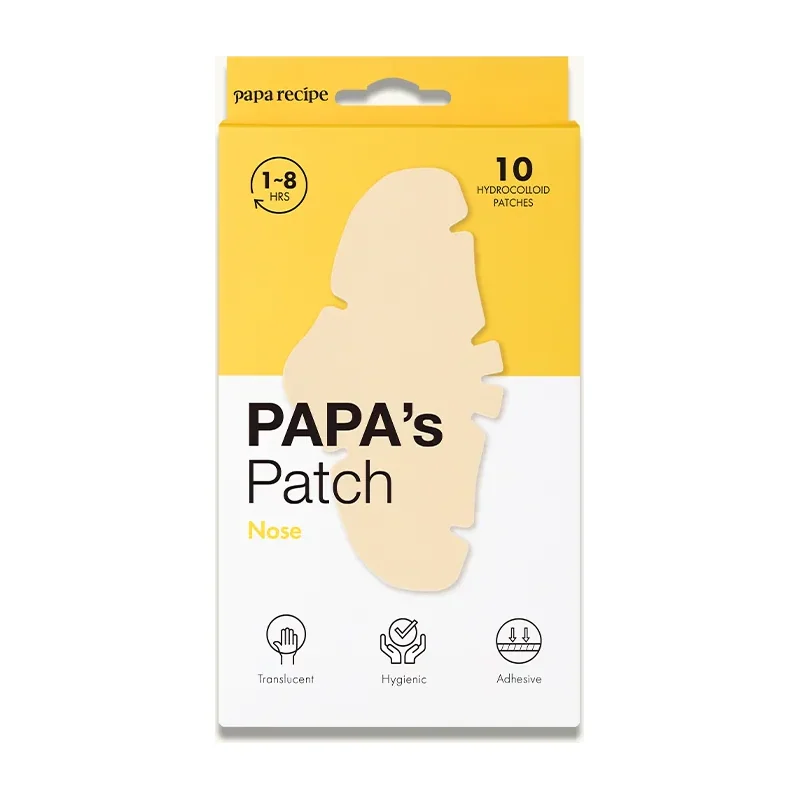 Nose-Shaped Hydrocolloid Patch
 Papa's Patch Nose
A well-designed, nose-shaped hydrocolloid patch that covers the whole nose, sticks well and helps open, weeping breakouts heal protected from picking. It is simple and fragrance-free, but its salicylic acid and tea tree are minor, and — despite the location — it won't touch blackheads. Buy it for nose breakouts, not pores.
Key Film Formers & Texture Polymers · Salicylic Acid
 No-Frills Lip Glaze
 Bamboo Hyalu Lip Essence
A cheap, fragrance-free petrolatum ointment in a glossy, squeezable costume, and a very effective one. The hyaluronic acid and bamboo on the label barely register in the formula, but the petrolatum base is exactly what chapped lips need. Bought as a plain, well-textured lip ointment rather than a hydration serum, it is one of the easier recommendations in lip care.
Key Petrolatum · Film Formers & Texture Polymers
 Tar You'll Actually Keep Using
 Tar Gel Shampoo
The same 0.5 percent coal tar and the same psoriasis indication, thickened into a gel and given a lemon note — a formula engineered around the reason people quit tar, which is never efficacy. Worth it if smell is what has defeated you before. Not worth it if your scalp reacts to fragrance, since an identical unscented version exists.
Key Coal Tar · Film Formers & Texture Polymers
 Unscented Caviar Night Balm
 Caviar Night Cream
A dense petrolatum, polyisobutene, ceresin and beeswax night balm with cocoa butter and lanolin-derived sterols that seals very dry skin overnight as well as any modern occlusive, and, unusually for the brand's old creams, without fragrance. The caviar, collagen and nucleic acids are 1980s spa garnish at trace positions, the tail carries a formaldehyde releaser, parabens and four dyes, and it is far too heavy for anyone but the dry. For that skin, and only that skin, a decent cheap buy.
Key Petrolatum · Film Formers & Texture Polymers
 Shine in a Painted Bottle
 Treatment Dancheong
A conventional, well-executed shine conditioner — behentrimonium chloride, cetearyl alcohol and a generous dimethicone dose — dressed in temple-pattern artwork, essential oils and a roster of botanicals that do nothing in a rinse-off. It detangles beautifully and leaves dry lengths glossy, it is too heavy for fine hair and too fragranced for the brand's core audience, and at twenty-four dollars the formula does not justify the premium over the many conditioners built the same way.
Key Dimethicone · Film Formers & Texture Polymers
 In-Shower Time-Saver
 Hydra Therapy Fragrance Free Wet Skin Moisturizer
A genuinely clever in-shower moisturizer that solves the most common reason people stay dry: they skip the lotion. You apply it to wet skin, rinse, towel off, and step out already hydrated — with real ceramide barrier repair built in. Fragrance-free and NEA-sealed, it is a smart pick for dry, sensitive skin and lotion-skippers. The trade-offs are a small price premium and a couple of minor potential irritants.
Key Ceramides · Petrolatum
 Acne Starter Kit Essential
 Daily Deep Cleanser
A brilliantly minimalist benzoyl peroxide cleanser that does exactly one thing — kill acne bacteria — with less collateral damage to your skin than virtually any competing BPO wash. The clever dual-action polymer technology makes it the ideal gentle on-ramp for anyone building an adapalene-based acne routine.
Key Benzoyl Peroxide · Film Formers & Texture Polymers
 Azelaic Acid That Doesn't Pill
 10% Azelaic Acid Serum for Redness Relief
One of the best-behaved cosmetic azelaic serums on the market: a declared 10 percent in a smooth gel that absorbs invisibly and does not pill, a real 0.3 percent allantoin to blunt the first-week sting, and a sheer green tint that cancels pink on contact — fragrance-free, oil-free, pregnancy-safe, $20. It calms redness within a couple of weeks and fades marks over two months. It tingles at first, 10 percent is slower than prescription strengths, and the four-day claim is the brand's own; but for redness-prone skin that has given up on azelaic acid because of the texture, this is the one to try again with.
Key Azelaic Acid · Allantoin
 Outdoor Athlete's SPF
 Sport Mineral Sunscreen SPF 50+
Blue Lizard's most durable formula — engineered for athletes who need sunscreen that stays put through sweat, water, and friction. The hybrid mineral-chemical approach trades 100% mineral purity for real-world spreadability and enhanced film-forming technology that outperforms many chemical-only sport sunscreens on adhesion. At $15 for 5 ounces, the value is hard to beat for regular outdoor athletes.
Key Zinc Oxide · Titanium Dioxide
 Refillable Kids' Spray
 Kids 360 Coverage Advanced Control Mist Sunscreen SPF 50
The best reason to buy a Banana Boat kids' spray in years is the bottle, not the sunscreen: a quiet, non-aerosol, any-angle, refillable sprayer that covers a squirming child in three sweeps without a cloud to breathe or a can to bin. The formula is the adult Sport mist minus the fragrance — standard four-filter SPF 50+, eighty minutes of water resistance, an alcohol base that stings scrapes. Rub it in, keep it off the face, and reach for a mineral lotion if the child has eczema.
Key Avobenzone · Homosalate
 Water-Resistant Japanese Sunscreen
 UV Aqua Rich Watery Hold Cream SPF 50
The cult Aqua Rich texture, finally built to stay put. This 2025 'Hold' version pairs advanced UV filters unavailable in the US with a film-forming polymer system for genuine water and sweat resistance — all at a budget price. The trade-off is a high alcohol content that makes it less comfortable for dry or sensitive skin. For oily and combination skin, it is outstanding value.
Key Tinosorb · Zinc Oxide
 Australian Affordable Retinol
 Baby Face Retinol Serum
Bondi Sands Baby Face Retinol Serum combines 0.5% retinol with hydroxypropyl cyclodextrin encapsulation, watermelon fruit water, glycerin, squalane, and gluconolactone in a minimalist fragrance-free serum at 22 dollars for 30ml.
Key Retinol · Watermelon Extract
 Sport Face SPF Flagship
 Sport Face Lotion SPF 60
Coppertone's Sport Face Lotion SPF 60 is the Sport line's facial flagship — 80-minute water resistance with US chemical filter quartet at maximum allowed concentration, supplemented by Vitamin C and E antioxidants plus Oxynex ST photostabilizer. At $12.99 for 2.5oz, drugstore value with sport-grade resistance. Genuinely engineered for active conditions.
Key Avobenzone · Vitamin C
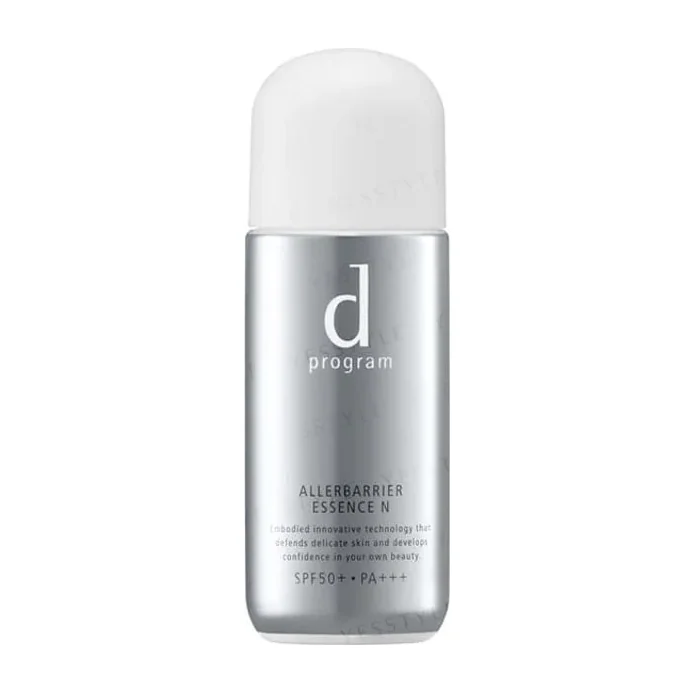 Japanese Sensitive Mineral SPF
 Allerbarrier Essence (SPF 50+ PA+++)
An exceptional Japanese pharmacy mineral sunscreen that integrates three concerns — UV protection, particle protection, and sensitive-skin tolerance — in one product. SPF 50+ PA+++ mineral protection through titanium dioxide + zinc oxide, integrated Allerbarrier anti-adhesion technology against pollen and PM2.5, and the d program sensitive-skin formulation discipline throughout. Earns its premium pricing for the multi-functional sophistication and the Japanese sunscreen expertise behind it.
Key Zinc Oxide · Film Formers & Texture Polymers
 European-Filter K-Beauty Bounce SPF
 Dragon Fruit Bounce Sunscreen SPF 50+ PA++++
Dot & Key's Dragon Fruit Bounce Sunscreen SPF 50+ PA++++ combines European-tier hybrid filter framework (Tinosorb S + Uvinul A Plus + avobenzone + octocrylene) with meaningful niacinamide and K-beauty centella-aloe soothing cast in bounce-jelly texture. Genuinely sophisticated SPF chemistry at 19-dollar emerging-brand pricing.
Key Avobenzone · Niacinamide
 Best Under-Makeup Matte
 Ultra Sheer Invisible Gel Face Sunscreen SPF 40
A water-free silicone gel that dries to a genuinely invisible matte film and primes foundation better than most primers, with four organic filters at ceiling doses doing the protecting. Oily, combination and deeper-toned skin will love it; anyone whose skin reacts to chemical filters, or who wants to stay under Europe's homosalate limit, should look at the brand's mineral gel instead.
Key Avobenzone · Homosalate
 SPF 70 Mineral That Spreads
 Ultra Sheer Mineral Face Liquid Sunscreen SPF 70
An SPF 70 mineral face sunscreen that genuinely spreads and sets sheer for its twenty-one percent zinc-and-titanium load, fragrance-free, sting-free and thirteen dollars, with glass microspheres and film-formers doing the elegant work. The cast on deeper skin tones is real, the bottle is small, and the '100 percent mineral' label sits over a UV-absorbing salicylate ester in the inactives; for fair to medium sensitive, rosacea-prone or melasma-prone faces it is one of the best mineral buys on a drugstore shelf.
Key Zinc Oxide · Film Formers & Texture Polymers
 Nu-Derm's Sheer Step Six
 Healthy Skin Protection Broad Spectrum SPF 35
The Nu-Derm sunscreen patients actually wear: a sheer hybrid of nine percent zinc and octinoxate that vanishes into the skin, does not sting a hydroquinone face, and carries the Skin Cancer Foundation's seal. Its loyal reviewers are right about how it feels and wrong to overlook the label, which pairs an organic filter banned in Hawaii with five parabens, comedogenic esters and a DEA emulsifier; it is a 2000s formula Obagi would rather geo-fence than rebuild.
Key Zinc Oxide · Octinoxate
 Tanning Oil, Reformed
 Glow Oil SPF 50 Body Oil
The tanning-oil experience with a real sunscreen inside it: a fast-spreading, dry-touch, glossy body oil whose SPF 50, doubly stabilised avobenzone and 80-minute water resistance are properly engineered and monograph-tested. The costs are the ones the format demands — maximum-dose homosalate and octocrylene over a lot of skin, alcohol second, an oil that is easy to under-apply, and $40 for 148 ml that a properly dosed beach week will empty. Better than it has any right to be; still an oil.
Key Homosalate · Avobenzone
 The Family Zinc That Blends
 PLAY Mineral Lotion SPF 30
The family zinc lotion that actually blends: 16% coated zinc oxide, no chemical filters, no fragrance, no alcohol, a genuine 80-minute water-resistance rating, and bisabolol, glycerin and astaxanthin to keep it kind on children and reactive skin. The cast on deeper tones and the salicylate booster are the honest footnotes, and the alphabetical ingredient list defeats the usual reading habit. At $28 for 100 ml it is fair for what it is, and what it is is one of the better mineral body lotions at the price.
Key Zinc Oxide · Film Formers & Texture Polymers
 Body SPF That Feels Like Nothing
 Unseen Sunscreen Body SPF 40
The most pleasant body sunscreen to actually wear: a water-free silicone gel with a full four-filter SPF 40 that spreads over a limb in a few strokes, sets clear and dry in a minute, and never ends up on a shirt. It is built for the days people skip body SPF — the commute in shorts, the terrace lunch — and it wins those days. It loses the beach: forty-minute water resistance, a price per ounce that stings at a proper body dose, and an avobenzone system that reactive skin will notice.
Key Avobenzone · Homosalate
 Reapply-Over-Makeup Stick
 Unseen Sunscreen Stick SPF 40
The reapplication problem, solved as well as a stick can solve it: an anhydrous, wax-free SPF 40 that glides over makeup without moving it, mattifies as it goes, and lives in a pocket so the midday application actually happens. Four filters with a heavy stabiliser load, no fragrance, no cast. The catches are the format's — a stick is hard to dose, $32 for 0.7 oz vanishes with generous use, water resistance is forty minutes, and the avobenzone will find sensitive eyes — but as the second and third application of the day, it earns its place.
Key Avobenzone · Homosalate
 Sport Sunscreen Workhorse
 Skin Armor SPF 50 Sunscreen
Art of Sport's Skin Armor is one of the better sport sunscreens at any price — and it's a drugstore product. Avobenzone is maxed at 3%, photostabilized by 8% octocrylene, and locked in by a real water-resistance polymer. The fragrance and alcohol denat keep it out of sensitive-skin territory, but for athletes who actually sweat, it earns the name.
Key Avobenzone · Octocrylene
 Refillable Sport Spray
 Sport 360 Coverage Advanced Control Mist Sunscreen SPF 50
Buy it for the bottle. The sunscreen inside is Banana Boat's ordinary four-filter sport formula — SPF 50+, eighty minutes of water resistance, alcohol base, tropical fragrance — but the non-aerosol, refillable dual-mode sprayer is a real improvement on the propellant cans it replaces: no cloud, no chill, no inhalation, any angle, and a refill that costs less than a new one. Rub it in, keep it off the face, and know the alcohol will sting a shaved leg.
Key Avobenzone · Homosalate
 Budget Sport Lotion
 Sport Sunscreen Lotion SPF 30
A cheap, light, sweat-resistant SPF 30 body lotion that does what a budget sport sunscreen should — rubs in clear, holds through a swim, costs little enough to reapply without thinking. The catch is the fine print on the 2026 bottle: the 'New & Improved' reformulation cut every filter below the Sport Ultra it replaced, the base changed, and recent reviews are cooler than the thousand-review record the old formula built. Apply it generously, keep it off reactive faces, and read the new label as 'lighter', not 'stronger'.
Key Avobenzone · Homosalate
 Matte SPF Daily Driver
 Ultra-Light Moisturizing Lotion SPF 30
The daily SPF that oily skin types will actually wear — and that is the highest compliment a sunscreen can receive. The matte finish is genuine, the ceramide barrier support is a thoughtful bonus, and the lightweight texture makes skipping sun protection feel like a choice rather than a necessity. Just accept the chemical sunscreen scent and the modest 1.7-ounce size.
Key Avobenzone · Ceramides
 Luxury Skincare Sunscreen
 UV Protective Cream SPF 50+
The rare sunscreen that makes you look forward to applying SPF. The cream texture is genuinely indistinguishable from a luxury moisturizer, the luminous finish is beautiful, and the skincare ingredients — vitamin C derivative, Lipidure, trehalose — provide real benefits beyond UV blocking. Whether any sunscreen is worth $150 is a fair question, but if the answer is yes for anyone, this is one of the strongest contenders.
Key Homosalate · Vitamin C
 Family Daily SPF
 Essence Sunscreen SPF43+
The sensible one in Missha's US sun line: fragrance-free, alcohol-free, cast-free and cheap enough to slather on a whole family every morning, with its avobenzone properly stabilised. It has no glamour and an odd number on the front, and octocrylene means eczema-prone skin should patch test, but as an everyday lotion it simply works.
Key Homosalate · Avobenzone
 PLAY, Minus the Octocrylene
 PLAY Everyday Lotion SPF 30
The best-selling PLAY lotion with one filter removed: no octocrylene, avobenzone stabilised by a dedicated photostabiliser instead, and a rating of 30 rather than 50 at exactly the same price. For anyone avoiding octocrylene it is the version to buy, and it keeps everything that made PLAY the family sunscreen — hydrating, no cast, 80-minute water resistance, a clean citrus scent. For everyone else the SPF 50 in the matching tube is the better number, and the six essential oils keep both off reactive skin.
Key Avobenzone · Homosalate
 Homosalate-Free Body Mist
 Classic Spray SPF 30
A fast, light, homosalate-free body spray that makes covering backs and legs quick and nearly residue-free. The three-filter system is sound and water-resistant, and the non-aerosol pump is a nice touch. Like all spray sunscreens, it only protects as well as you apply it, and the alcohol and fragrance make it a poor match for sensitive or eczema-prone skin.
Key Avobenzone · Octocrylene
 Reapply-Over-Makeup Cushion
 CICA Moisture Sun Cream Cushion SPF50+/PA++++
A hybrid sun cushion whose titanium tone-up hides a genuinely modern filter set, with DHHB, ethylhexyl triazone and bisoctrizole doing the protecting and a water-in-oil base that holds over makeup. As a midday top-up it is excellent and fragrance-free; as a sole sunscreen the format under-doses by design, the 15 g sponge is expensive per gram, and the cica is a name on the lid rather than a dose.
Key Titanium Dioxide · Uvinul A Plus
 Lightweight Eczema Daily
 Atoderm Intensive Gel-Cream
A cleverly engineered lightweight alternative to heavy eczema balms that delivers patented anti-bacterial adhesion technology and meaningful niacinamide levels in a gel-cream you'll actually want to wear daily. It won't replace the Baume during severe flares, but for everyday maintenance and warm-weather eczema management, it fills a gap that most brands ignore.
Key Niacinamide · Licorice Root Extract
 Best J-Beauty Sunscreen
 UV Aqua Rich Watery Hold Cream
Biore's UV Aqua Rich Watery Hold Cream delivers Japan's modern UV filter set (zinc oxide plus ethylhexyl methoxycinnamate plus Tinosorb S plus Tinosorb M plus Uvinul A Plus) at SPF 50+ PA++++ in the brand's signature watery-elegance texture. Superior filter technology unavailable in US-formulated sunscreens, at accessible import pricing.
Key Zinc Oxide · Centella Asiatica
 Budget Beginner Retinol
 Retinol Cream
An affordable, gentle beginner retinol in a nourishing botanical-oil base — a genuinely easy and inexpensive way to ease into retinol, and a longtime Amazon bestseller for good reason. It hydrates well, rarely over-irritates, and won't break the bank. But it's worth going in clear-eyed: the retinol dose is undisclosed and likely low, some of the 'natural' marketing (like 'botanical hyaluronic acid') is more clever than accurate, and fragrant botanicals add a little irritation risk. A fine value starter retinol, so long as you take the label with a grain of salt.
Key Retinol · Emollients
 360° Biocellulose Retinol Eye Patch
 Retinol Eye Lift Patches
Peace Out Skincare 360° biocellulose eye patches with encapsulated retinol + substantial 5-peptide complex + triple-HA pool + anti-inflammatory pair + multi-humectant pool + biocellulose delivery format. Substantive multi-active eye-area treatment. The 360° coverage including brow-bone area distinguishes from standard under-eye-only patches. $29 for 5 pairs is premium per-application pricing.
Key Retinol · Matrixyl
 Best-Value Sport Sunscreen
 Sunplay Super Block SPF 50+ PA++++
Sunplay Super Block is Mentholatum's highest-protection sunscreen — hybrid mineral-and-chemical UV filter system with Uvinul A Plus for UVA-1 coverage, water-resistant polymer film, and skincare actives (magnesium ascorbyl phosphate, panthenol, dipotassium glycyrrhizate) in a fragrance-free, alcohol-free formula at around 16 dollars. The price-to-formulation-quality ratio is essentially unmatched in the global sunscreen market.
Key Zinc Oxide · Film Formers & Texture Polymers
 Spot-Targeted Brightening Tool
 Eraser Patch
An odd little spot-tool that borrows from peel-off mask chemistry — niacinamide and tranexamic acid trapped under a thin polyvinyl film for 15 minutes, peeled off, repeat nightly. It outperforms leave-on TXA serums on individual dark spots because the format concentrates the actives where you want them. The ethanol-driven film is the trade-off; barrier-compromised skin should look elsewhere.
Key Niacinamide · Tranexamic Acid
 Sweat-Proof Sport Reapplication
 UV Athlizm Protect Mist
A sixteen-ingredient alcohol mist that does the one thing a sport reapplication sunscreen must, land evenly on sweaty skin and hair, dry in seconds and stay through sweat and rubbing, with four modern filters at SPF 50+ PA++++ set in Kao's Tough Boost film and a quiet, non-gas pump that works upside down and travels in a cabin bag. Alcohol first and a fragrance make it wrong for dry or reactive skin, it must never be sprayed at the face, three filters keep it off US shelves, and at twenty-three dollars for 70 ml it empties fast on a body; for the gym bag and the tennis court it is the best of its kind.
Key Uvinul A Plus · Alcohol Denat.
 J-Beauty Sport Sunscreen MVP
 UV Athlizm Skin Protect Essence SPF 50+
One of the most capable sport sunscreens on the global market — a Japanese essence loaded with next-generation European filters that holds up through sweat, swimming, and sunshine without feeling like armor. If you can import it, it belongs in any runner, cyclist, or swimmer's bag; if you're buying for calm daily office wear, the regular Aqua Rich line is a better fit.
Key Tinosorb · Ethylhexyl Triazone
 Natural-Coverage Drugstore SPF
 Skin Aqua Tone Up UV Essence SPF 50+ PA++++ (Latte Beige, 80g)
The neutral shade in Rohto's cult Skin Aqua Tone Up lineup, Latte Beige trades color correction for a natural skin-tone veil — a sheer, foundation-like finish with light coverage on top of genuinely strong SPF 50+ / PA++++ protection from a Tinosorb-anchored filter system. At drugstore pricing, it's the most universally wearable shade in the range.
Key UV Filters · Iron Oxides
 Best-Value Japanese Tone-Up SPF
 Sunplay Skin Aqua Tone Up UV Essence SPF 50+ PA++++
Rohto's Sunplay Skin Aqua Tone Up combines Japan/EU-only newer-generation UV filters (Tinosorb S, Uvinul A Plus) with mint green color correction and a polymer film system at drugstore pricing — making it one of the best-engineered sunscreens at any price tier on the Asian market. The alcohol, fragrance, BHT, and synthetic colorants are real limitations, but the price-to-formulation-quality ratio is genuinely outstanding.
Key Titanium Dioxide · Shimmer Pigments
 Redness-Correcting Drugstore SPF
 Tone Up UV Essence Mint Green SPF 50+
Rohto's mint green variant of the popular Skin Aqua Tone Up UV Essence delivers SPF 50+ / PA++++ broad-spectrum protection plus visible redness neutralization at outstanding drugstore pricing. Particularly valuable for rosacea-prone or post-inflammatory erythema users seeking accessible redness-correcting daily sunscreen.
Key UV Filters · Algae Extract
The full film formers & texture polymers guide
Film formers are polymers that coat the skin in a thin, flexible layer instead of sinking in.
They're the invisible scaffolding of modern skincare: the reason sunscreen stays put through a swim, a serum feels silky rather than sticky, and some eye creams give an instant tightening effect that lasts until you wash your face. They range from plant-derived options like pullulan and cellulose to synthetic acrylates, and nearly everything they do is physical rather than biological.
How it's regulated in the US
FDA does not classify ingredients — it classifies products, by what they are sold to do. The same molecule can be a drug active in one product and a cosmetic ingredient in the next, and only the claim on the label decides which. What follows is a statement about that legal standing, not about whether it works — the evidence question is answered separately above.
Cosmetic Film Formers & Texture Polymers is a cosmetic ingredient in the US: no OTC monograph covers it and it is not an active in any FDA-approved drug, so a product built around it is a cosmetic rather than a drug.
Film formers are mostly a matter of physics and formulation: how polymer layers form as a product dries, how they keep sunscreen filters spread evenly and in place through sweat and water, and how they change the feel of a cream. Their instant smoothing is a surface effect from the film tightening as it dries, with nothing changing deeper in the skin. Safety reviews by an industry-funded expert panel have looked at the acrylate family at normal use levels. A separate question, unrelated to skin safety, is environmental, since some synthetic polymers break down slowly once washed away.
How it works
When you apply a product containing a film former, the polymer is dissolved or dispersed in the formula's water or solvent phase. As the product spreads and the carrier evaporates, the polymer chains come into proximity and entangle — or, in crosslinked systems, lock into a three-dimensional mesh — forming a thin, continuous layer that adheres to the skin surface. This happens at room temperature with no chemical reaction required from the skin itself. The resulting film is semi-permeable rather than fully occlusive. Moisture still moves through it at a reduced rate, which is partly why some film formers contribute mild moisturizing effects, and gas exchange is not meaningfully blocked. What the film does restrict is the physical displacement of whatever it was co-formulated with: UV filters stay more evenly distributed rather than migrating into sweat droplets, active ingredients remain in contact with the stratum corneum longer, and pigments in makeup adhere more durably. Texture polymers like carbomer and hydroxyethylcellulose play a different role — their primary job is controlling the viscosity and rheology of the base, the difference between a serum that flows and a gel that stays put. Carbomer, a crosslinked polyacrylic acid, needs a neutralizing base to reach peak viscosity; hydroxyethylcellulose is nonionic and pH-tolerant, making it compatible with sensitive actives. And that faint tightening sensation from a film-heavy serum? It is simply the polynetwork contracting as it dries — perceivable, but purely mechanical.
Key benefits
- Helps sunscreen stay put through sweat, swimming and rubbing
- Keeps sunscreen filters spread evenly across the skin
- Gives an instant, temporary smoothing of fine lines
- Creates silky textures without heavy oils or waxes
- Plant-derived options like pullulan suit eco-minded shoppers
Concentration & usage
Film formers and texture polymers span a wide functional range, so usage levels vary by job. Carbomer and hydroxyethylcellulose typically appear at 0.1–2% — small amounts generate significant viscosity. Acrylates copolymer can range from under 1% in a lightweight serum base to very high levels in specialized products like nail extensions, though face-product usage sits at the low end. PVP commonly appears at 1–10% in setting and hold products, while pullulan in tightening serums is typically used at 1–5%. On an INCI list these ingredients almost always appear after the actives but before the preservatives; their position reflects concentration, not importance. Look for them listed as Carbomer, Acrylates Copolymer, Acrylates/C10-30 Alkyl Acrylate Crosspolymer, Hydroxyethylcellulose, Polyvinylpyrrolidone (or PVP), VP/VA Copolymer, Pullulan, or Polyacrylate Crosspolymer-6.
Who it's for & who should be cautious
Who it's for
Anyone using a daily sunscreen benefits from film formers whether they realize it or not — polymer-boosted SPF formulas hold up better against rubbing, sweating, and water than film-former-free versions. People who want a serum or moisturizer that gives immediate visible smoothing, especially around the eyes and forehead, will find pullulan- or acrylate-rich formulas deliver that effect quickly. Oily and combination skin types often tolerate film-former-heavy formulas well, since the light polymer matrix provides hold and finish without the weight of heavy occlusives.
Who should be cautious
Those with a known sensitivity to acrylate-based polymers — which sometimes overlaps with acrylic-nail or dental-cement reactions — should patch-test products that list acrylates copolymers prominently. People who deliberately avoid synthetic polymers on environmental grounds have a legitimate reason to seek out cellulose- and polysaccharide-based alternatives, though that is a values choice rather than a skin-safety one. And because a film-former-heavy occlusive layer can occasionally trap already-present irritants against compromised skin, anyone mid-flare with eczema or contact dermatitis should be cautious with products that feel particularly sealing.
Pairs with & conflicts
Myths & facts
Myth: Film formers prevent your skin from breathing, suffocating pores and causing breakouts.
Reality: Skin does not 'breathe' the way lungs do — it gets the vast majority of its oxygen through circulation, not surface diffusion. The semi-permeable films from cosmetic polymers do not meaningfully block transepidermal gas exchange, and common film formers like acrylates copolymer, dimethicone, and pullulan are generally noncomedogenic at typical use levels. Breakouts blamed on a product usually trace back to other formula components or a skin-type mismatch.
Myth: The 'instant tightening' from film-former serums means the product is actually repairing your skin.
Reality: That tightening is entirely mechanical: as the polymer film dries on the surface, it contracts slightly, physically compressing the look of fine lines and pores. It is not stimulating collagen, remodeling the dermis, or repairing the barrier. The effect is real and perceptible, but it is also reversible — it comes off with your evening cleanser.
Myth: Synthetic film formers like acrylates copolymer are microplastics that accumulate in your body.
Reality: Microplastics are generally defined as solid plastic particles; soluble or film-forming polymers like acrylates copolymer are a different category from rinse-off particulate microplastics. The legitimate concern is aquatic persistence after wash-off, not absorption or buildup in the user's body. CIR safety assessments have not identified systemic toxicity for cosmetic-grade acrylates at relevant use concentrations.
Frequently asked questions
Do film formers genuinely make sunscreen water-resistant, or is that just a marketing line?
There is genuine science behind it. Film-forming polymers help distribute and physically anchor UV filters across the skin, reducing the displacement that occurs when sweat or water dilutes the filter layer. Formulation studies show that film formers measurably improve SPF retention and water resistance, including after immersion. A 'water resistant (80 minutes)' label still requires specific immersion testing to earn, so the film former is part of what makes that standard achievable.
Why does my carbomer gel serum go runny when I layer it under an acidic vitamin C?
Carbomer (crosslinked polyacrylic acid) relies on neutralization to reach peak thickness — it is pH-sensitive by design. Push the pH well below its working range and the polymer network loosens, thinning the product and potentially releasing trapped actives unevenly. Layering rather than physically mixing your serums avoids this; alternatively, look for hydroxyethylcellulose-thickened formulas, which are nonionic and hold viscosity across a broad pH range.
Is the pullulan in an 'instant lift' serum actually doing something, or is it a gimmick?
Pullulan produces a real, immediate effect — but it is purely physical. The fermentation-derived polysaccharide forms a thin film that contracts as it dries, mechanically tightening the surface and blurring the look of fine lines. It does not stimulate collagen, increase elastin, or alter skin structure. Treat it as an honestly described cosmetic tool, not a treatment that changes your skin over time.
If I react to acrylic nails, can I still use skincare containing acrylates copolymer?
Acrylate reactions from nails are typically triggered by uncured liquid acrylate monomers during application, not by fully polymerized acrylates. The acrylates copolymers in skincare are already fully formed polymers with a very different exposure profile. Cross-reactivity has been reported in some sensitive individuals, though, so a patch test before regular use is a sensible precaution if you have a known acrylate allergy.
How is a film former different from an emollient like dimethicone — don't they both just sit on the skin?
Both stay on the surface rather than penetrating, but they behave differently. A film former builds a cohesive polymer network that anchors ingredients, resists wear, and contracts as it dries. An emollient like dimethicone fills microscopic surface gaps and adds slip but never forms a rigid network — it stays fluid and can be rubbed away. Plenty of well-built products use both: the film former for hold, the emollient for feel.
Are 'clean beauty' brands right to tell people to avoid synthetic film formers?
On skin safety, the case for properly formulated synthetics like acrylates copolymer is solid — the CIR has assessed them as safe at cosmetic use levels, with no credible evidence of skin harm or endocrine disruption in leave-on products. The more defensible concern is aquatic persistence, since some synthetic polymers are not readily biodegradable. If environmental footprint matters to you, cellulose derivatives, pullulan, and other bio-based film formers are legitimate alternatives that perform comparably.
Sources
- https://www.cir-safety.org/sites/default/files/acryco092018TAR.pdf
- https://journals.sagepub.com/doi/10.1080/10915810290169800
- https://pubmed.ncbi.nlm.nih.gov/16154914/
- https://www.personalcaremagazine.com/story/15162/film-forming-polymers-aid-sun-protection
- https://pmc.ncbi.nlm.nih.gov/articles/PMC11644281/