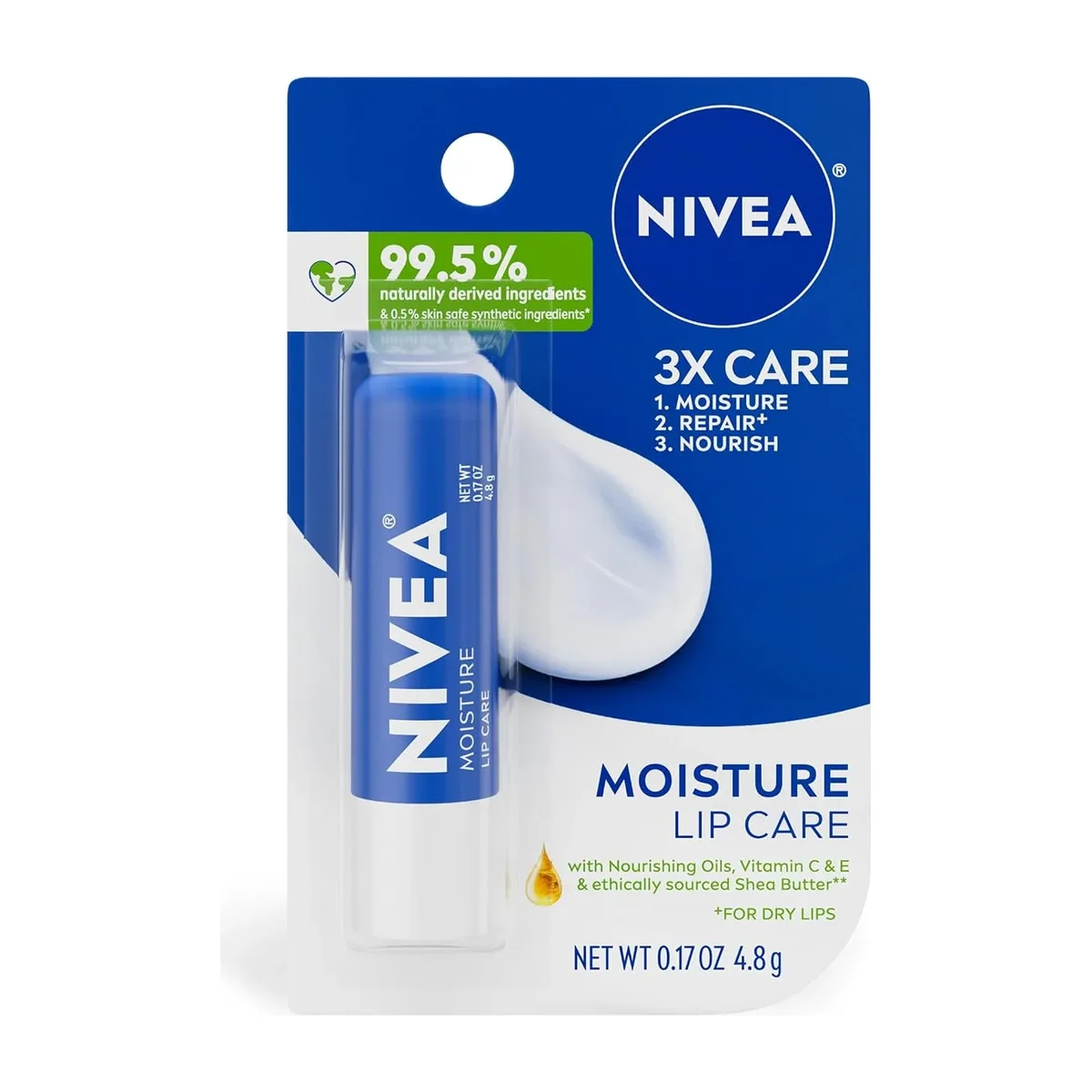
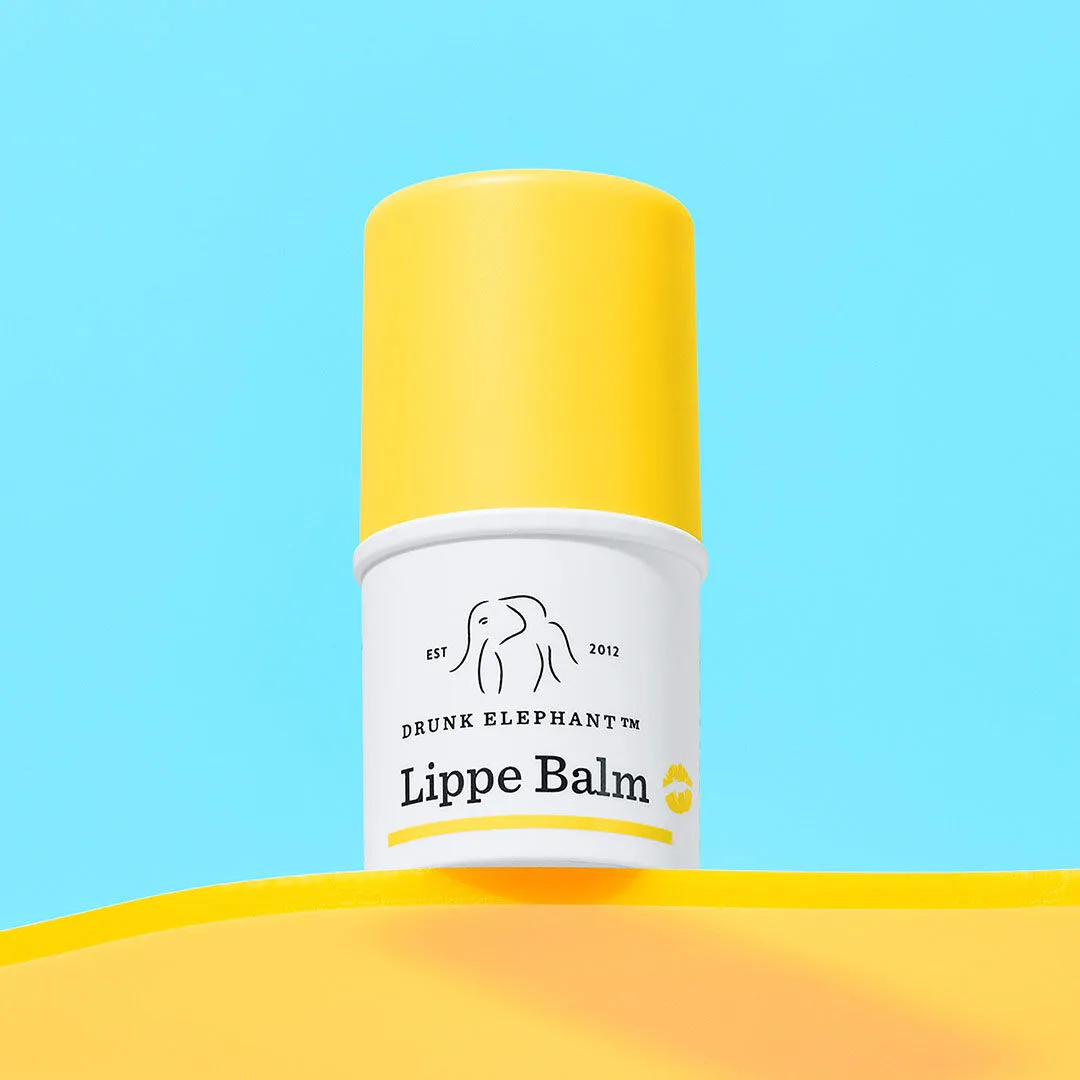
In dermatology offices across the country, there is a particular conversation that happens with remarkable frequency. A patient mentions dry, cracking lips. The dermatologist, without hesitation, recommends Aquaphor Lip Repair. Not a prescription treatment, not a compounding pharmacy formulation — a product available at every CVS, Target, and gas station in America. This tells you something about either the product or the state of lip care innovation, and in this case, it tells you about both.
The formula is not what most people assume it is. If you have used Aquaphor Healing Ointment — the thick, petrolatum-heavy ointment that comes in a tub — the Lip Repair is a fundamentally different product. It shares a brand name and a blue color scheme, but the formulation starts from scratch. Where the Healing Ointment is 41% petrolatum with lanolin and mineral oil, the Lip Repair uses octyldodecanol as its base — a lightweight fatty alcohol that provides emollient slip without the heavy greasiness of petrolatum. Castor oil provides the primary occlusive function, while shea butter adds substantive conditioning.
The two ingredients that justify the dermatological endorsement are panthenol and bisabolol, and a 2024 clinical study in the International Journal of Dental Hygiene provided direct evidence for their combination in lip care. In patients with mild-to-moderate cheilitis, panthenol and bisabolol lip care produced significant improvements in all clinical parameters as early as week two, with benefits sustained through week eight. The study concluded this combination could serve as monotherapy, potentially replacing the topical corticosteroids that dermatologists otherwise prescribe for persistent lip inflammation. For a cosmetic lip balm to have clinical evidence suggesting it can substitute for a prescription treatment is genuinely unusual.
Panthenol converts to pantothenic acid in tissue, where it becomes a component of coenzyme A — the enzyme critical for fatty acid and sphingolipid synthesis. On lip tissue, which lacks the sebaceous glands that keep facial skin naturally moisturized, this means panthenol helps the lips build their own moisture barrier from the inside rather than just coating the surface. Bisabolol, derived from chamomile, provides anti-inflammatory activity that calms the redness and irritation of chapped lips while the panthenol handles the structural repair.
The texture lands in a sweet spot between gloss and ointment. It is smoother and less waxy than traditional beeswax-based balms, lighter than petrolatum, and more substantial than a lip oil. It glides on with a silky slip and leaves a noticeable glossy sheen — translucent, not tinted, with the kind of healthy-looking shine that has earned it a quiet cult following among people who like the "glass lips" aesthetic without the commitment of a cosmetic lip product.
The glossy finish is both a strength and a limitation. If you prefer an invisible, matte lip balm that disappears completely, this is not it. The sheen is always present, and for some users — particularly those who wear matte lipstick — the finish can interfere with the desired look. The stick format (0.17 oz) provides slightly less shine than the tube, if that matters to your preference.
Longevity varies significantly by user. Many report hours of lasting moisture, particularly when applied as a thick overnight layer. Others find they need to reapply every couple of hours, especially in dry or windy conditions. It's not a criticism specific to Aquaphor — lip tissue has the highest cell turnover rate of any body surface, and no lip product truly "lasts all day" in the way that marketing suggests. What Aquaphor Lip Repair does well is provide meaningful hydration that improves lip condition over time rather than simply creating temporary comfort that evaporates.
The ingredient list includes a vitamin C and E complex (sodium ascorbyl phosphate, tocopheryl acetate, and tocopherol) that provides antioxidant protection for the lip tissue against environmental oxidative stress. This is a thoughtful inclusion that most lip balms skip — lip tissue is highly exposed to UV, wind, and pollution, and antioxidants support the repair process that the panthenol is driving.
At .79-6.79 for the tube format, the pricing is accessible without being so cheap that you question the quality. The dual packs offer slight savings. The stick format provides a traditional lip balm application experience for those who prefer it, though the tube's narrow tip allows more precise application to specific cracked areas.
Fifteen years of market presence and over fifty thousand reviews create a data set that is hard to argue with. The 4.7 average rating across retailers with that volume of reviews indicates a product that delivers on its promise for the vast majority of users. The dermatological recommendation is not aspirational branding — it reflects genuine clinical confidence in the panthenol-bisabolol healing mechanism, validated by published research.
It is not the most exciting lip product on the shelf. It is not the most luxurious, the most innovative, or the most Instagram-worthy. It is the one your dermatologist keeps in their coat pocket.