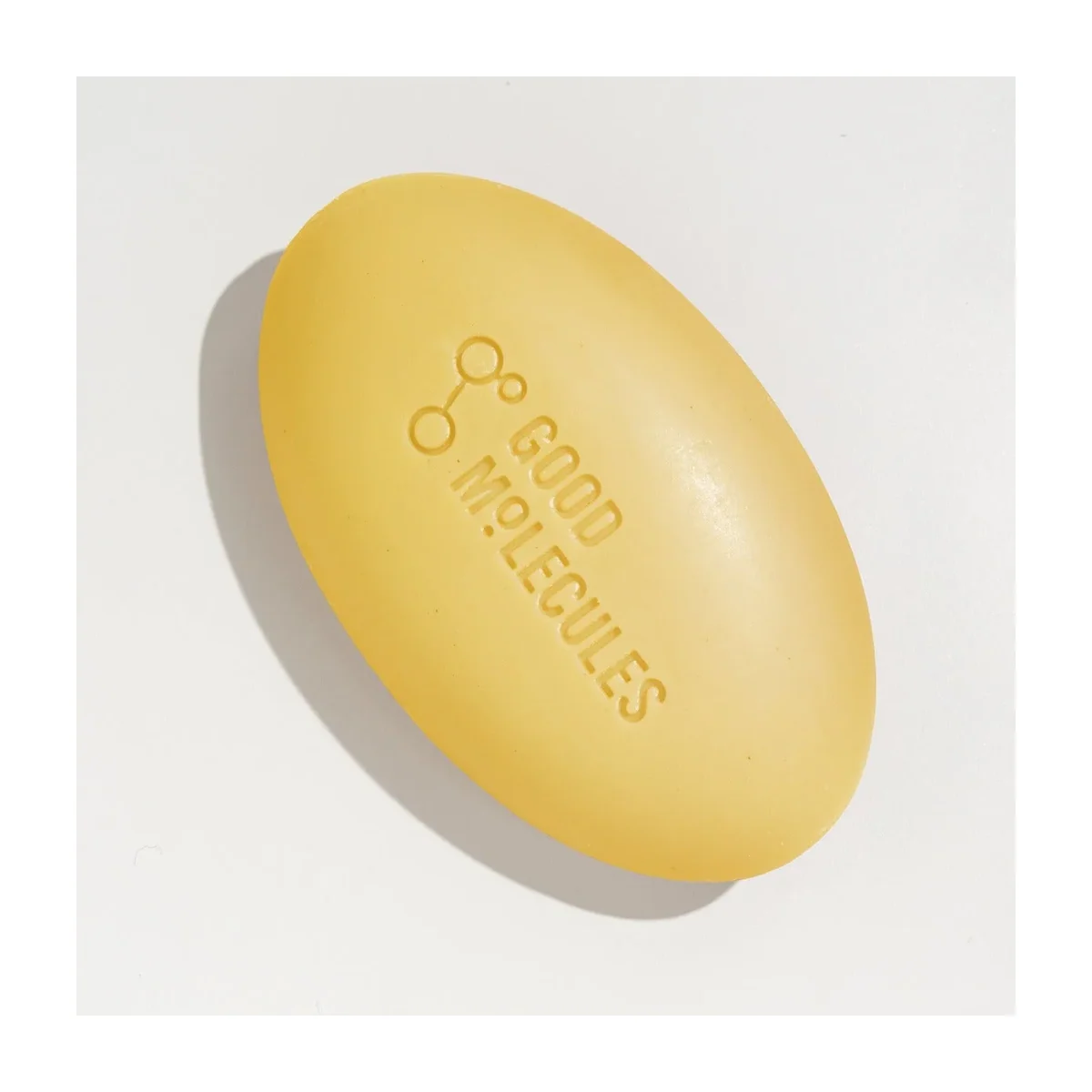
Beauty Pie Plantastic Apricot Butter Cleansing Balm 50ml glass jar
Supporting role for Dryness
What makes this different

Beauty Pie's membership model lets the brand use contract manufacturers that also make prestige-tier balms, so you get lanolin, cocoa butter, apricot and rosehip oils alongside the castor-oil base at a fraction of luxury prices. Few cleansing balms at this price point have this level of emollient complexity, and fewer still commit to a proper melt-to-oil-to-milk phase change.

Beauty Pie

Beauty Pie Plantastic Apricot Butter Cleansing Balm Review

Prestige-Grade Member Pick Cleansers balm indie Paraben free Cruelty free

A genuinely luxurious cleansing balm that lives or dies on whether you are a Beauty Pie member. For members, it is one of the best-value prestige-grade balms you can buy in the UK; for non-members, the maths gets trickier. Dry and normal skin types will love it, sensitive and acne-prone users should probably keep scrolling.

Price $35.00 50ml
Shopper rating 4.6 ★★★★★ 2,100 reviews
On the market 2019 Made in United Kingdom
Best for drynormal
Buy at Amazon ♥
Verdicts

How well it fits each concern

One verdict per concern. Open a row for the reasoning; the receipt has every source.

The scaleRecommendedGoodSupportingEarly evidenceNot for thisAvoidhow it works

Supporting rolefor DrynessRinse-off balm: Lanolin gets seconds of contact, so this supports a routine for dryness rather than treating it.Receipt§ 347.50 Labeling of skin protectant drug products (indications for § 347.10 actives, incl. lanolin) (opened Jul 27, 2026) · concentration not declared; studied range 1–30% · row checked Jul 27, 2026 · rule R6, same reading on 2,083 products · open the receipt

The case for it

  1. Lanolin is an approved or monograph active for this concern.
  2. It is in a rinse-off product, so it gets seconds of contact rather than the leave-on exposure the evidence assumes.
  3. The formula carries no trigger this concern is sensitive to, with the cautions noted.

Limited evidenceStandard tolerabilityNo reviews read yet

Cautions: fragrance.

What would change this: The same active in a leave-on form would be judged on its evidence rather than its contact time.

Same rule for everyone. “Supporting role” is the verdict on 7,796 of 45,446 concern verdicts across the catalog; rule R6 decided 2,083 of them. Unchanged since September 5, 2026, engine 5.2.0.

Brand or formulator? Disclose a concentration or correct a fact →

The full receipt: rule, row, sources, dates →All dryness products →

Also listed for Dehydration and Winter Skin — the actives here (Lanolin, Castor Oil, Apricot Kernel Oil, Cocoa Butter) are in our research queue for those concerns; there is no verdict until their evidence rows are written. That is a gap in our table, not a mark against the product.

As a cleanserNot judged: what a cleanser is for — surfactant mildness, pH match to skin, rinses clean without stripping — cannot yet be measured from the ingredient list (only puts something back can).

A verdict is Dermington’s assessment of how well a product’s ingredients fit a concern — never a claim about what the product treats. Evidence dots and collected reviews sit beside it and are never blended in. Rules 0.5.1 · evidence table ev-2026.10-r231 · engine 5.2.0 · how we decide · this product’s receipt

Reader poll · Town SquareQuestion 1 of up to 3

Have you used Plantastic Apricot Butter Cleansing Balm?

One tap counts. A couple of optional follow-ups come next.

No account neededOne answer each, change it any timeCounted only in anonymous totalsHow the Square counts →
Assessment

Pros & cons

What it does well 7

  • Luxurious melt-in-balm texture that rivals prestige brands
  • Effective at removing long-wear makeup and mineral SPF
  • Lanolin and cocoa butter make it excellent for dry winter skin
  • Emulsifies into a true milk and rinses cleanly
  • Warm apricot scent is pleasant and fades on rinse-off
  • Strong value relative to prestige balms at member pricing
  • Solid glass jar packaging with integrated spatula

Where it falls short 5

  • Contains lanolin, a hard no for some users and strict vegans
  • Parfum rules it out for fragrance-sensitive skin
  • Not suitable for oily or acne-prone combination skin
  • Not fungal-acne safe due to plant oils and esters
  • Full non-member pricing narrows the value advantage
Review

The full review

Marcia Kilgore spent the first two decades of her career building Bliss Spa and Soap & Glory into brands that everyone else eventually bought, and somewhere along the way she started asking the question that inevitably haunts anyone who has seen the inside of a contract manufacturer: why do these jars cost this much on the shelf. Beauty Pie is her answer — a membership club that charges an annual fee and then sells products at something close to cost-plus, using the same labs that make the prestige brands most shoppers assume are in a different universe. The Plantastic Apricot Butter Cleansing Balm, launched in 2019 as the anchor cleanser of the brand's plant-forward range, is one of the clearest demonstrations that the model actually works. If you handed this jar to someone blindfolded, they would assume it cost three times what it does.

The first thing to understand about this balm is that it is unapologetically old-school. The base is castor oil. The third ingredient is lanolin. There is cocoa butter, microcrystalline wax, a dusting of lauric lysine to keep the texture stable, and an actual parfum for warm, comforting apricot notes. It's not a modern squalane-and-silicone minimalist cleanser trying to feel light on the skin — it is a thick, buttery, melt-on-contact balm that wants to give you the kind of five-minute ritual you associate with a spa facial. Scooping it with the little spatula, warming it between your fingers, and letting it transform into a slippery oil as it meets warm skin is pure tactile pleasure. For the right user, this is half the point.

The functional performance is similarly old-school in the best possible way. Castor oil is one of the most effective single ingredients for dissolving long-wear foundation, mineral SPF and waterproof mascara, and the ratio here is high enough that you can remove a full face of makeup in under a minute without scrubbing. Adding water slowly is the key move — the formula emulsifies into a milky cleanser thanks to the ceteareth surfactants tucked into the middle of the INCI list, and it rinses away cleanly rather than leaving the greasy film that some pure-oil balms do. Post-rinse skin feels soft and comfortable rather than stripped, which is the entire promise of a first cleanse done right.

Where things get more interesting, and more complicated, is in the ingredient hierarchy. Lanolin at the third spot is unusual in modern skincare and makes this balm a genuinely divisive product. Dermatologists generally love lanolin — it is one of the most effective emollients in the cosmetic pantry, well-studied for its effects on transepidermal water loss, and it is a significant part of why very dry winter skin feels so comfortable after using this cleanser. But lanolin is also a recognised contact allergen for a minority of users, and wool-derived ingredients remain a non-starter for strict vegans. Beauty Pie is transparent that the balm is cruelty-free rather than vegan, and the Plantastic naming is a little ironic given the animal-derived supporting cast. If lanolin is a non-issue for you, the balm is wonderful; if it is a hard no, you have your answer.

The other complication is that several of the rich emollients here — lanolin, castor oil, cocoa butter — sit in the comedogenic column for acne-prone skin. In a rinse-off product the practical comedogenic risk is lower than in a leave-on cream, but the surfactants in this formula are not aggressive, and oily users sometimes report residual heaviness. This is emphatically not the cleansing balm for combination oily skin with active breakouts. It is a balm for dry, mature, or just slightly dehydrated skin that wants comfort and an easy end-of-day ritual. Deployed inside its lane, it performs beautifully.

The rosehip oil deserves a brief, skeptical mention. Cold-pressed rosehip does contain trace carotenoids that can technically metabolise into retinoic acid, and the marketing copy sometimes leans a little hard on that fact. In a wash-off cleanser with thirty seconds of contact time, any retinoid-like benefit is essentially notional. What rosehip actually delivers here is a lightweight, linoleic-acid-rich top note that improves the balm's skin feel and contributes some antioxidant residue after rinsing. Useful, just not a wrinkle-erasing miracle.

The sensory experience is the part most reviews focus on, and it is indeed one of the most pleasant cleansing balms I have tried at any price. The scent is genuinely warm — think baked fruit and a faint confectionery sweetness — without the sharp top notes of cheaper fragranced balms, and it fades on rinse rather than clinging to the skin. The 50ml glass jar with the internal spatula feels solid and considered, and the little wax-paper lid under the cap shows the same attention to detail you find in prestige brands priced far higher. It is, in a quiet way, a very luxurious product.

Value is the part that bends around the Beauty Pie model. For members paying the subscription, this balm consistently ranks as one of the best-value cleansers in the UK skincare market — it legitimately competes with cleansing balms priced two or three times higher. For non-members paying full retail, the calculation is different, and whether it makes sense depends entirely on whether you would use enough Beauty Pie products in a year to justify the membership. If you would, add this balm to your basket without hesitation. If you only want one product and no membership, Elemis, Clinique Take The Day Off, or any number of drugstore balms will get you most of the way there for less mental overhead.

The science

Castor oil's efficacy as a makeup-removing vehicle is well documented in cosmetic chemistry literature, owing to its high ricinoleic acid content and unusually strong affinity for other lipids. It is the reason castor-oil-based balms have dominated the professional makeup-removal category since the earliest cold creams of the twentieth century, and the reason contemporary prestige balms continue to rely on it as a base.

Lanolin is one of the most clinically studied occlusive emollients in dermatology. Published research on lanolin for transepidermal water loss, cracked skin repair, and winter dryness spans decades, and it is routinely recommended by dermatologists for conditions ranging from chapped lips to eczematous hands. Its notorious reputation as a contact allergen is mostly a relic of older, less-refined lanolin; modern pharmaceutical-grade lanolin has a very low sensitisation rate in the general population, though it remains a recognised allergen for a minority of users and is typically patch-tested by dermatologists when contact dermatitis is suspected.

Rosehip seed oil has a real, if modest, evidence base. Its high linoleic acid content supports barrier function and skin feel, and small clinical studies have looked at its use in post-procedure healing and mild photoaging. The much-repeated claim that cold-pressed rosehip contains meaningful amounts of 'natural tretinoin' is overstated — trace carotenoids exist, but they do not behave like prescription retinoids in topical use, and the concentration in a rinse-off balm is not clinically relevant. What the rosehip here contributes is improved skin feel and antioxidant residue.

The apricot kernel oil and cocoa butter components are both well-supported emollients with fatty acid profiles that complement the castor and lanolin base. None of this constitutes a clinical trial on the finished formula — contract-manufactured cleansing balms rarely have that — but the formulation principles here are textbook dermatological cleansing, not novel or unproven chemistry.

The clinical view

Dermatologists generally view well-made cleansing balms as an excellent first step in a double cleanse for dry, mature, or winter-stressed skin. The rationale is that a lipid-based cleanser removes sebum, oil-soluble pollutants, and waterproof makeup far more effectively than a water-based cleanser alone, while leaving the skin's lipid barrier intact. Lanolin-containing balms are often recommended for patients with compromised dry skin, though patch testing is sometimes suggested for anyone with a history of contact allergies. Many dermatologists typically caution against cleansing balms for acne-prone or fungal-acne-prone patients, where the heavy emollient load can aggravate comedones or feed Malassezia yeast — this balm is not well suited to those cases. For the target audience of dry to normal skin, it falls squarely within what most dermatologists would consider a reasonable evening cleansing step.

Formula

Key ingredients

  1. Apricot Kernel Oil (Prunus Armeniaca)

    The headline emollient and the reason this balm earns its apricot branding. Apricot kernel oil is rich in oleic and linoleic acids plus natural vitamin E, and here it is dosed alongside cocoa butter and rosehip to create a slippery, melty base that dissolves makeup and SPF without the tight aftermath of harsher micellars. Its natural scent blends with the composed parfum to give the balm its distinctive warm-fruit aroma.

    Not yet assessed
  2. Cocoa Butter (Theobroma Cacao Seed Butter)

    Provides the rich, melt-on-contact body of the balm and delivers polyphenol antioxidants alongside emollient fatty acids. Paired with lanolin and apricot oil in this formula, it creates the waxy-yet-pliable texture that lets the balm sit on dry skin without dripping, then transform into a silky oil once worked in with warm fingers.

    Not yet assessed
  3. Rosehip Seed Oil (Rosa Rubiginosa)

    Cold-pressed rosehip adds linoleic acid, natural carotenoids and trace retinoic acid to what would otherwise be a purely occlusive balm, nudging it toward a cleanser with a faint anti-ageing whisper. Because this is a rinse-off product, the benefits are modest — mostly antioxidant residue and improved skin feel — but it signals that Beauty Pie wanted the balm to be more than a simple makeup melter.

    Not yet assessed
  4. Lanolin

    Sits unusually high on the list, just third after the castor oil base, and it is what gives this balm its distinctive occlusive richness and staying power on very dry skin. Lanolin is one of the best-studied emollients in dermatology for transepidermal water loss and is particularly at home in a thick balm like this one.

    Regulator-recognised for Dryness · established mechanism
  5. Castor Oil (Ricinus Communis Seed Oil)

    The base of the balm and the reason it is so effective at dissolving long-wear foundation and mineral SPF. Castor oil's high ricinoleic acid content makes it unusually grippy against oil-based makeup, a formulator's trick borrowed from traditional cold creams.

    Not yet assessed
Full ingredient list 27 ingredients ShowHide

Ricinus Communis Seed Oil, Hydrogenated Polydecene, Lanolin, Cetearyl Alcohol, Caprylic/Capric Triglyceride, Diphenylsiloxy Phenyl Trimethicone, Glyceryl Stearate, Ethylhexyl Palmitate, Hydrogenated Castor Oil, Ceteareth-20, Cera Microcristallina, Rhus Verniciflua Peel Cera, Rhus Succedanea Fruit Cera, Rhus Succedanea Fruit Wax, Lauroyl Lysine, Ceteareth-12, Cetyl Palmitate, Prunus Armeniaca Kernel Oil, Theobroma Cacao Seed Butter, Rosa Rubiginosa Seed Oil, Parfum, Hydrogenated Vegetable Oil, Tocopheryl Acetate, Pentaerythrityl Tetra-Di-T-Butyl Hydroxyhydrocinnamate, Ascorbyl Palmitate, Tocopherol, BHT

Safety & formulation facts

  • Pregnancy safe
  • Not fragrance free
  • Alcohol free
  • Not oil free
  • Not silicone free
  • Paraben free
  • Sulfate free
  • Cruelty free
  • Not vegan
  • Not fungal-acne safe
Pore-clogging (comedogenic) LanolinCastor OilCocoa Butter
Potential irritants ParfumBHT
Common allergens LanolinParfum
Compatibility

Skin types & routine

Routine step cleanser
Time of day Night
Best season fall & winter
Finish non-greasy, velvety

Layering

Use as step one in a double cleanse. Massage onto dry skin, emulsify with warm water, then follow with a water-based cleanser to remove the final residue.

When to expect results

Immediate: effortless makeup and SPF removal with no tight after-feel. Short-term (1-2 weeks): softer, more comfortable skin in dry weather. Full benefits (4-8 weeks): reduced end-of-day dehydration and a noticeably gentler makeup-removal routine.

Pairs well with gentle gel second cleansershydrating tonersceramide moisturizers
Don't combine with leave-on as a moisturizer — it is designed to rinse off

A routine built around it

Morning

  1. Gentle gel cleanser
  2. Hydrating toner
  3. Serum
  4. Moisturizer
  5. SPF

Night

  1. Beauty Pie Plantastic Apricot Butter Cleansing Balmthis product
  2. Gentle gel second cleanser
  3. Treatment
  4. Moisturizer
Guidance

How to use it, and who it's for

How to use

At the end of the day, scoop a small amount with the integrated spatula (about the size of a grape) onto dry fingertips, warm the balm between your palms, and massage onto dry skin for 30 to 60 seconds, working over the eye area gently to dissolve mascara and SPF. Add a splash of warm water and continue massaging until the balm emulsifies into a milky texture, then rinse thoroughly. Follow with a gentle gel or cream second cleanser to remove any residue, then proceed with your usual evening routine. Use once nightly — it is not needed in the morning.

Is it worth the price?

At member pricing, this balm consistently outperforms its cost and sits among the best-value prestige-adjacent cleansing balms in the UK market. The 50ml jar lasts about two to three months with nightly use, and the per-use cost at member pricing is genuinely low for the category. The comparison shifts at non-member pricing, where the value advantage narrows against options like Elemis and Clinique Take The Day Off. The broader Beauty Pie membership is the real consideration — if you intend to buy several products across a year, the balm becomes a compelling anchor for the basket; if you only want this one item, the maths is less convincing.

Who should buy it

Dry, normal, and mature skin types who want a genuinely luxurious first-cleanse experience at a fair price, particularly existing Beauty Pie members or people considering joining. Ideal for anyone who wears heavy makeup or mineral SPF and wants something more comforting than a micellar water.

Who should skip it

Anyone with oily, acne-prone, or fungal-acne-prone skin, as the heavy emollient and plant oil load can aggravate congestion. It is similarly a skip if you have a known lanolin allergy, are strictly vegan, or are highly fragrance-sensitive — there are fragrance-free balms better suited to reactive skin.

Ready to try it?Beauty Pie Plantastic Apricot Butter Cleansing Balm · $35.00 · 50ml
Details

The product, in detail

Texture
Dense, buttery balm that melts into a silky oil on contact with warm skin
Scent
Warm, sweet, comforting — apricot and faint confectionery notes
Packaging
Screw-top glass jar with integrated spatula
How long it lasts
Approximately 2-3 months of nightly use as a first cleanse
Once opened
Use within 12 months · track your toss-by date →
Size
50ml
Made in
United Kingdom
Launched
2019
Certifications
Cruelty-Free · Leaping Bunny

What the first two weeks feel like

First use is sensory-led — scoop, warm between the fingers, and the balm turns into a slippery oil that lifts mascara and SPF within about thirty seconds. Adding water emulsifies it into a milky cleanser that rinses cleanly. There is no adjustment period, and most users notice how comfortable their skin feels immediately. The rich apricot scent is obvious on first open and fades on rinse.

The story behind it

Why it exists

Marcia Kilgore founded Beauty Pie in 2016 after years running Bliss Spa and Soap & Glory, with the goal of flattening the markup between contract manufacturer and retail shelf by charging an annual membership fee instead. The Plantastic collection launched in 2019 as the brand's plant-forward range, with this apricot balm as the anchor cleanser — a direct riposte to prestige cleansing balms that had been dominating luxury skincare aisles for years.

About Beauty Pie Established Brand (5–20 years)

Beauty Pie was founded in 2016 by Marcia Kilgore (of Bliss Spa and Soap & Glory fame) as a membership-based 'buyer's club' for luxury-grade skincare. The brand works with established contract manufacturers used by high-end labels, and while it does not publish independent clinical studies, its formulations are widely reviewed and respected in the beauty press.

Brand founded 2016 · This product since 2019

Myth vs. reality

What people get wrong about it

MythCleansing balms with lanolin are too heavy for modern skincare routines.

RealityLanolin is a well-studied emollient that rinses cleanly when emulsified properly. In a double-cleanse this balm functions like any other, and the lanolin's slow-release emollient effect is part of why skin feels so comfortable after.

MythBecause it contains rosehip oil, this balm delivers real retinoid benefits.

RealityRosehip's trace retinoic acid content is often overstated in marketing, and a rinse-off cleanser gives it no meaningful contact time on skin. The benefits here are antioxidant and emollient, not retinoid.

FAQ

Questions people ask

Is Beauty Pie Plantastic Apricot Butter Cleansing Balm worth the membership price?

For members, yes — the formula competes directly with prestige cleansing balms priced two to three times higher. At full non-member pricing, the value proposition narrows, and you should consider whether the broader Beauty Pie membership makes sense for you.

Can I use this cleansing balm as a moisturizer?

No — it is designed to be rinsed off. Lanolin and castor oil are heavy on the skin if left on, and the formula contains surfactants that help it emulsify with water. Use it strictly as step one of your cleanse.

Does the cleansing balm remove waterproof makeup and SPF?

Yes, reliably. The castor oil base is particularly effective on long-wear foundation and mineral sunscreens. Massage onto dry skin for 30-60 seconds, add water slowly, then rinse and follow with a gentle second cleanser.

Is it safe for acne-prone skin?

It can be hit or miss. The balm contains several comedogenic ingredients including lanolin, castor oil and cocoa butter. Combination and oily acne-prone users often prefer a lighter, gel-based first cleanser, while dry or balanced skin tolerates this formula well.

Is the cleansing balm safe during pregnancy?

Yes — it is a rinse-off cleanser with no actives that carry pregnancy concerns. Rosehip's trace retinoic acid content is negligible, especially in a wash-off product.

Can Plantastic Apricot Butter Cleansing Balm be used by those prone to fungal acne?

No — the balm contains multiple esters and plant oils that feed Malassezia yeast. If you have fungal acne, choose a pure-oil or oil-free cleanser instead.

How does it compare to Elemis Pro-Collagen Cleansing Balm?

The two balms share a lot of DNA — both are castor-oil-based with similar emollient supporting casts. Beauty Pie's is markedly less expensive at member pricing and performs comparably on makeup removal, though Elemis has the longer track record and more elaborate botanical blend.

Reviews

What shoppers tend to say

Recurring themes our editors read across retailer reviews — summaries in our words, not quotations, and not a substitute for a patch test.

Common praise

  • Luxurious melt-in texture
  • Removes stubborn makeup and SPF easily
  • Leaves skin soft rather than stripped
  • Warm, comforting apricot scent
  • Competes with £60+ prestige balms

Common complaints

  • 50ml is small for the price once non-member pricing is considered
  • Parfum bothers sensitive users
  • Lanolin rules it out for some shoppers
  • Not suited to oily or acne-prone skin
Notable endorsementsVogue UK product recommendationsRed magazine beauty features
Next stepCheck it against what you already useClashes, spacing and the right order, with everything on your shelf.