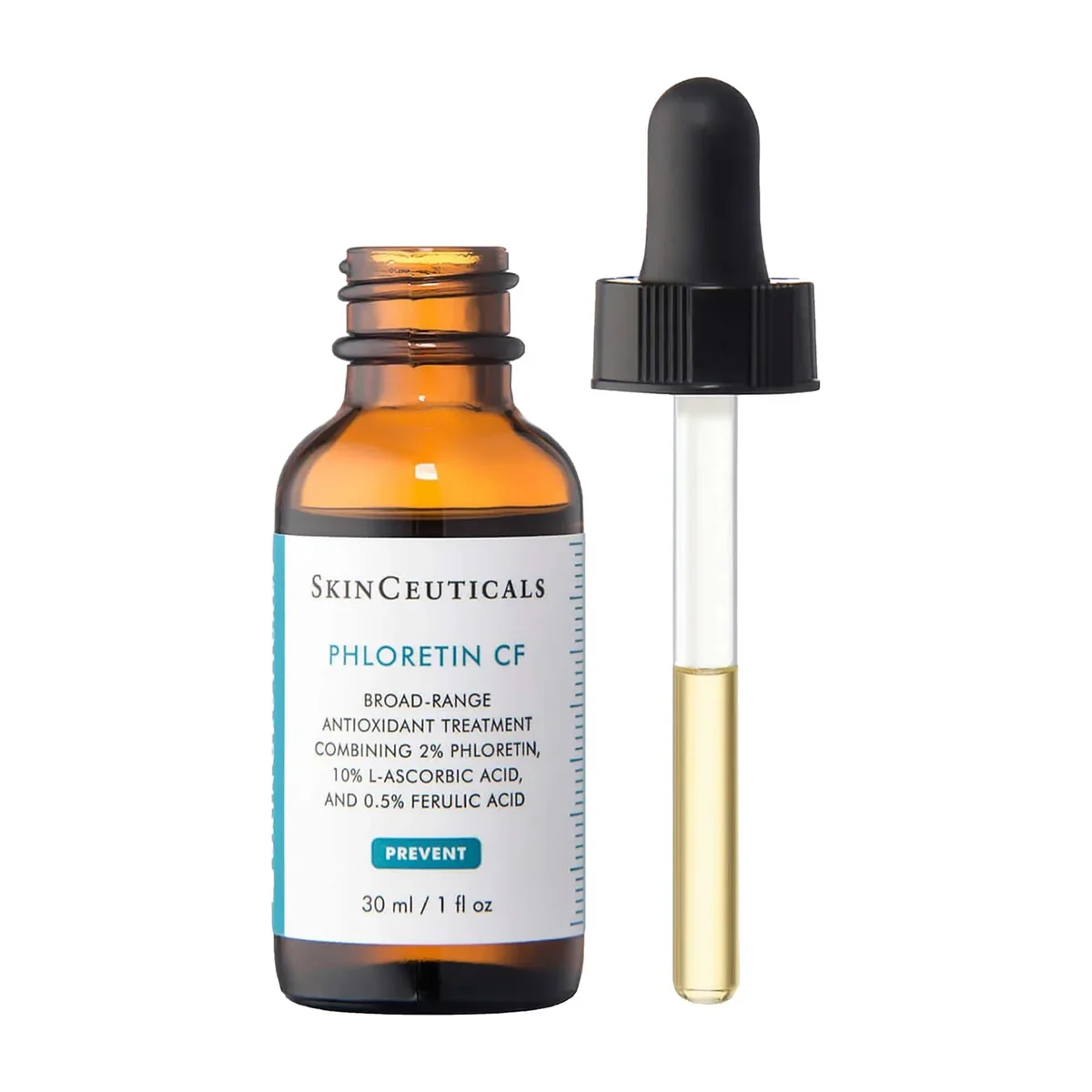
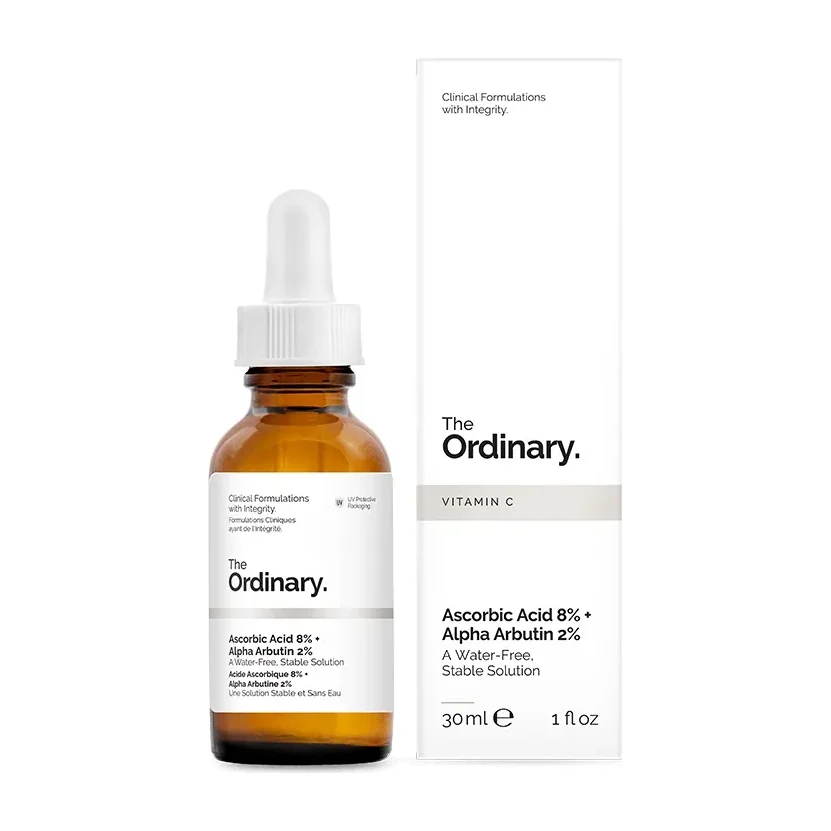
When this serum launched in 2017, the high-strength L-ascorbic acid market was essentially a Skinceuticals monopoly. CE Ferulic was the gold standard, the formulation everyone benchmarked against, and the price tag — north of a hundred and seventy dollars — was the price you paid for the only serum in the category that had real, replicated clinical data behind it. Other brands sold 20% vitamin C serums, but most were either oxidized brown by the time you opened them or used cheaper, less-studied derivatives like sodium ascorbyl phosphate. The serious users either paid for Skinceuticals or made their own ascorbic acid solutions in their kitchens. Then By Wishtrend dropped this 21.5% L-ascorbic acid serum in a frosted glass bottle for around thirty dollars, and the K-beauty side of Reddit collectively raised an eyebrow. Was this real? Was the percentage honest? Could a Korean indie brand actually formulate stable vitamin C at this concentration?
The answer, after eight years of community testing, is yes. The percentage is honest. The pH is honest — somewhere around 2.8, well within the active range for L-ascorbic acid. The formulation is genuinely stable when stored correctly and used within the recommended three-month window. And the brightening and dark-spot-fading effects are real and consistent across thousands of users with thousands of different skin types. This is not a Skinceuticals clone, and it is not pretending to be. The base is sea buckthorn water rather than propylene glycol. The supporting cast is allantoin, panthenol and sodium lactate rather than ferulic acid and vitamin E. The intent is the same — high-percentage L-ascorbic acid in a stable, low-pH carrier — but the execution is its own thing.
The sea buckthorn water choice is the part nobody talks about enough. Sea buckthorn is one of the more carotenoid-and-flavonoid-rich botanicals in skincare, and using its hydrosol as the base of the serum rather than plain water means the formula is smuggling additional polyphenols into the bottle alongside the headline ascorbic acid. Whether this meaningfully changes the clinical outcome compared to a plain-water-based 21.5% formula is impossible to say without a head-to-head study, but the formulation logic is consistent with the brand's broader interest in polyphenol-stack approaches, and it is at least more interesting than another generic ascorbic-acid-in-water serum.
The ingredient list is minimal in the best way. Ten items total: sea buckthorn water, ascorbic acid, sodium lactate, 1,2-hexanediol, sodium hyaluronate, panthenol, cassia obtusifolia seed extract, allantoin, xanthan gum, ethylhexanediol. No fragrance. No essential oils. No fatty alcohols. No surfactants. No PEGs that would disqualify it for fungal acne. This is one of the rare high-strength vitamin C serums that Malassezia-prone users can apply without anxiety, which is a small but meaningful gift to a population that gets locked out of most active serums in this category.
Application is exactly what you would expect from a 21.5% acid load. Two or three drops on dry, cleansed skin in the morning. There is a brief, real sting in the first few uses — a quick warm tingle that fades within 30 to 60 seconds. If you have never used a high-strength L-ascorbic acid serum before, the sensation can be alarming, but it is the active doing what it is supposed to do, not damage. Buffering with a thin moisturizer applied first reduces the sting if it bothers you. After the first week or two, most skin acclimates and the sting fades to almost nothing. Wait one to two minutes before layering moisturizer to avoid pilling, and finish with sunscreen. The vitamin C and the SPF compound their photoprotection benefits — that is the morning routine logic.
Results follow the timeline of every honest L-ascorbic acid serum: subtle brightening and a slight glow shift within two weeks, more obvious tone evenness around week four to six, and meaningful fading of dark spots and post-inflammatory hyperpigmentation over 8-12 weeks of consistent daily use. It's not a bleach. It is a tyrosinase inhibitor and an antioxidant, and it works gradually and cumulatively. The users who get the best results are the ones who use it every morning without skipping, who layer it under daily SPF without exception, and who stay on it for three or four months before judging it. The users who are disappointed are usually the ones who used it sporadically, skipped sunscreen, or expected it to lift true scars.
The limitations are honest and significant. Sensitive, rosacea-adjacent or actively-compromised skin should not start here — the 21.5% load is too much, and a milder 10-15% L-ascorbic acid serum or a derivative like ascorbyl glucoside will be a better starting point. The 30ml bottle is small for a daily-use serum, and you will finish it in about six to eight weeks, which means the per-month cost is higher than the sticker suggests. The three-month shelf life after opening is real — vitamin C oxidizes whether you use it or not, and a half-used bottle that has been sitting on the counter for five months has lost most of its potency, regardless of how it looks. The slight pilling-under-sunscreen issue can be fixed by waiting longer between layers, but new users sometimes struggle with it. And anyone planning to combine this with retinol needs to keep them at separate times of day to avoid stacking too much irritation.
For combination, oily, normal and resilient dry skin chasing a brightening, anti-pigmentation, antioxidant routine without paying Skinceuticals prices, this is one of the best vitamin C serums in production. It is not the cheapest. It is not the gentlest. It does not have the marketing budget or the clinical-paper ecosystem of the Western brands it implicitly competes with. But it has eight years of consistent community results behind it, an honest formulation, and a price-to-percentage ratio that nothing in the Western prestige category can touch. For the right skin type, it is a flagship purchase. And for the wrong skin type, it is the wrong serum — which is its own form of honesty.