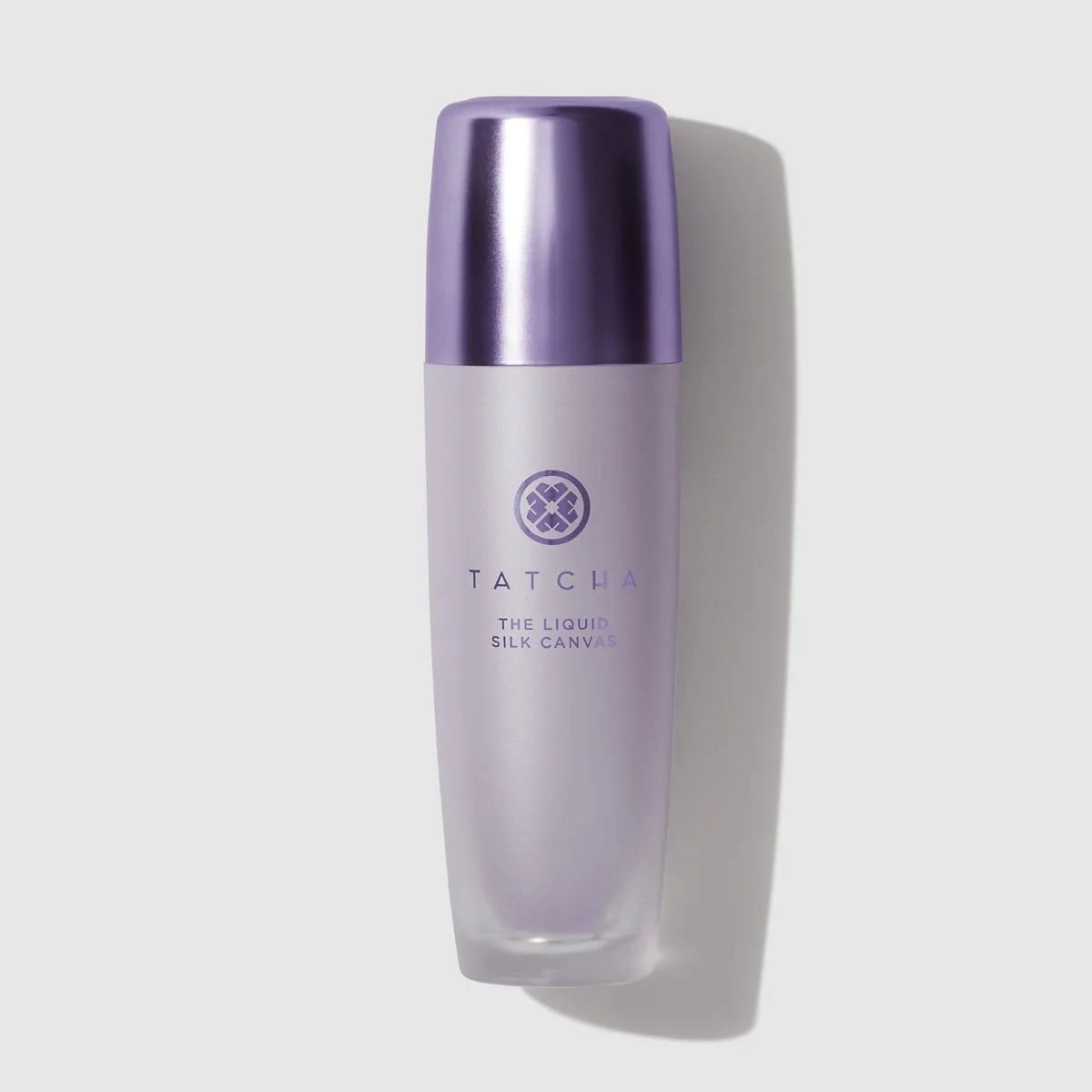
There is a particular cruelty in the beauty industry's discontinuation cycle. A product earns a following over years — sometimes decades — of quiet, consistent performance. It becomes someone's holy grail, the one product they never have to think about because it simply works. And then, one day, without ceremony or adequate replacement, it vanishes from the shelves. The Estée Lauder Idealist Pore Minimizing Skin Refinisher, launched in 2007 and discontinued sometime in the early 2020s, is a case study in this phenomenon.
The formula was, by pore-product standards, genuinely smart. While most products in the category rely on either harsh acids to strip the pore lining or silicone slip to blur the surface, Idealist attempted something more nuanced: a three-mechanism approach that addressed pore concerns from the surface, the lining, and the source simultaneously. Acetyl glucosamine, estimated at 2-3% concentration, provided gentle exfoliation — promoting the shedding of dead skin cells that accumulate in and around pore openings without the irritation or sensitivity associated with AHAs or BHAs. Saw palmetto fruit extract targeted sebum production at the androgen-receptor level, theoretically reducing the excess oil that stretches pores over time. And a silicone backbone — cyclopentasiloxane, dimethicone, polysilicone-11, phenyl trimethicone — delivered the immediate gratification of a smooth, soft-focus finish that filled in textural irregularities on contact.
The experience of using Idealist was distinctive. The first pump dispensed a silky, almost weightless serum that glided into skin with the frictionless ease of a high-end primer. Pores appeared to vanish — not permanently, not structurally, but visually, in the way that a quality primer fills in texture and creates a smooth canvas. Under foundation, it was exceptional. On bare skin, it gave the complexion a soft, refined quality that looked like good genes rather than good product.
With consistent use over several weeks, the active ingredients added genuine value beyond the cosmetic blurring. Acetyl glucosamine's exfoliating action kept pore openings clearer, reducing the accumulation of dead cells and sebum that makes pores look larger than they are. A 2007 study in the Journal of Cosmetic Dermatology confirmed that topical N-acetyl glucosamine at 2% reduces facial hyperpigmentation — relevant for the post-inflammatory darkening that often accompanies enlarged pores in oily and combination skin. The saw palmetto extract addressed oil production from the source, with a 2007 study in the same journal showing a saw palmetto-containing formulation reduced sebum by 20% after four weeks.
But Idealist was not without significant flaws, and understanding them helps explain both why it was discontinued and why you should think carefully before hoarding leftover stock from Amazon resellers.
The fragrance situation was concerning. Limonene, linalool, lavender extract, grapefruit extract, and methyldihydrojasmonate created a pleasant floral scent but also introduced multiple known sensitizers into a product applied twice daily to the face. Limonene and linalool oxidize on air exposure, becoming increasingly irritating over time — particularly problematic in an opened bottle sitting on a bathroom shelf. For a product targeting oily and combination skin, which often overlaps with sensitivity and acne-proneness, this was a formulation choice that prioritized sensory appeal over skin safety.
The comedogenic ingredients added further irony. A pore minimizing product containing wheat germ extract (high comedogenic potential), laminaria extract (algae flagged for pore-clogging), and isohexadecane asked its users to accept potential pore-clogging agents in a formula designed to address exactly that concern. For many users, the acetyl glucosamine and saw palmetto outweighed these risks. For some, particularly those with acne-prone skin, the formula created the very problems it promised to solve.
At approximately $72 for 50 mL at its last retail price — now inflated to $94-108 on secondary markets — the value proposition was always stretched. The silicone base that provided the immediate visual improvement is functionally identical to what a $15 primer delivers. The active ingredients, while genuinely interesting, were present at uncertain concentrations (magnesium ascorbyl phosphate was estimated at just 0.05-0.15%, too low for significant clinical benefit). You were paying prestige prices for a sophisticated concept executed with moderate ingredient commitment.
The discontinuation itself tells a story about market evolution. Pore products in 2026 increasingly rely on niacinamide, salicylic acid, and retinoids — ingredients with deeper evidence bases and broader skin benefits. The acetyl glucosamine and saw palmetto approach, while clever, perhaps lacked the marketing simplicity and the clinical backing needed to compete in a market where consumers now read INCI lists and expect published studies behind every claim.
For those who loved Idealist, the loss is real. It was a product that filled a specific niche with quiet competence — the daily pore treatment that doubled as a primer, that felt luxurious without trying too hard, that delivered visible results within a month and maintained them with continued use. The beauty industry moves on quickly from its discontinued. The people who relied on them do not.