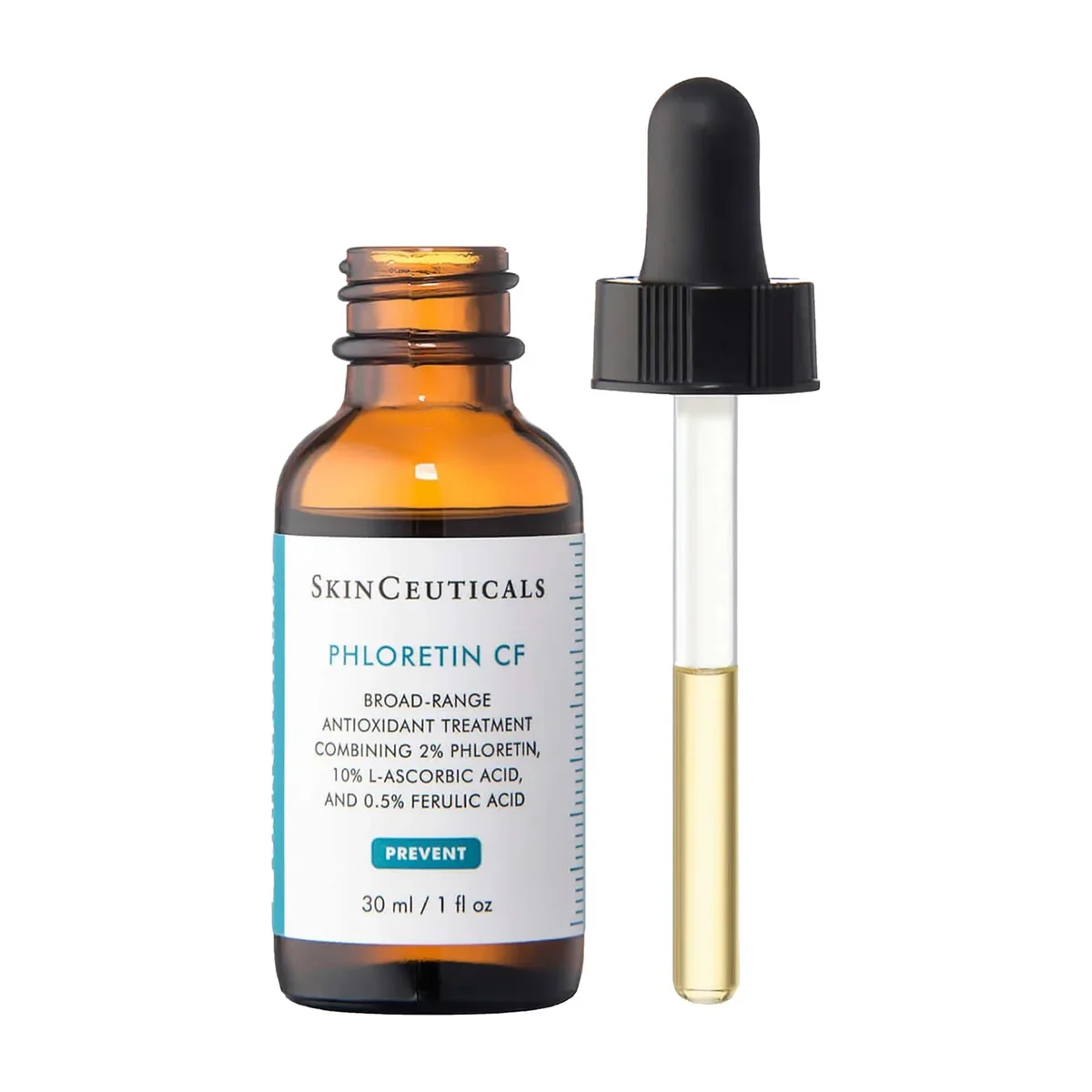
OSEA built its reputation on seaweed-infused body oils and ocean-scented cleansers. The Brightening Serum is something different entirely — a concentrated facial treatment that reads more like a prescriptive dermatology protocol than a clean beauty indulgence. When you look at the INCI list, you find not one but four distinct mechanisms targeting hyperpigmentation, all sitting alongside OSEA's signature seaweed extracts. It is the most scientifically ambitious product in the brand's lineup, and it raises an interesting question: can a Malibu clean beauty brand compete in the vitamin C serum arena dominated by clinical heavyweights?
The answer starts with the formulation architecture. Most vitamin C serums follow a simple playbook: dissolve L-ascorbic acid in water, add some vitamin E and maybe ferulic acid, bottle it, and charge accordingly. OSEA's approach is more layered. The formula contains both pure L-ascorbic acid and magnesium ascorbyl phosphate, a more stable vitamin C derivative. This dual form strategy means you get the immediate potency of pure ascorbic acid alongside the sustained, gentler activity of the phosphate form. Ferulic acid sits in the formula as the now-famous stabilizer and potentiator — a nod to the Pinnell patent research that demonstrated ferulic acid doubles the photoprotective capacity of vitamins C and E.
But it is the ingredients beyond vitamin C that make this serum genuinely interesting. Bearberry leaf extract contains natural arbutin, a tyrosinase inhibitor that reduces melanin production at the enzymatic level. Nonapeptide-1 takes a different approach entirely, blocking the alpha-melanocyte-stimulating hormone signal that triggers pigment production in the first place. Tetrahydrocurcuminoids — a bioavailable derivative of turmeric's curcumin — add anti-inflammatory and anti-pigmentation effects through yet another pathway. And dipotassium glycyrrhizinate, derived from licorice root, provides both skin-brightening and anti-inflammatory support.
This multi-pathway approach is what dermatologists call a cocktail strategy, and it mirrors what many prescribe through multiple separate products. Having it compressed into a single serum is genuinely convenient, though the individual concentrations of each active are not disclosed — the standard limitation of cosmetic formulations.
Keep reading down the list and the density holds up. Rumex occidentalis, amla fruit, green tea leaf, and olive leaf all pile antioxidant and pigment-modulating pressure onto the same problem from the botanical side, while Polygonum multiflorum root and matsutake mushroom extract fill out the conditioning cast. Honeysuckle extracts sit near the bottom alongside potassium sorbate, doing quiet preservation duty in a formula that has to stay clean without conventional preservatives. Even the montmorillonite clay is functional rather than decorative — a mineral suspension agent that helps hold this many botanicals in a single stable liquid. Nothing here reads like filler, which is not something you can say about most brightening serums at any price.
The seaweed extracts — Undaria Pinnatifida, Macrocystis Pyrifera, and Gigartina Skottsbergii — are not brightening agents in the traditional sense, but they serve an important supporting role. Their antioxidant and anti-inflammatory properties help prevent new pigmentation from forming while the active brighteners work on existing discoloration. It is smart formulation: treating the problem and preventing recurrence simultaneously.
Texture is where this serum earns everyday-use credibility. It is a lightweight, slightly golden liquid that absorbs in seconds without tackiness, stickiness, or that filmy feeling that plagues many vitamin C serums. Under sunscreen, it disappears completely. Under makeup, it provides a subtle luminosity that photographers call a natural bounce. This is not a serum that announces its presence — it simply makes your skin look better and gets out of the way. Most people report no sting on the first application, and the golden cast vanishes into the skin rather than sitting on it, which is more than several higher-priced ascorbic acid serums manage.
The fragrance-free formulation is a smart choice for a product containing L-ascorbic acid. Essential oils and fragrance compounds can destabilize vitamin C and add unnecessary irritation risk to what is already a pH-sensitive active. By keeping the formula clean of fragrance, OSEA maximizes both stability and tolerance — a decision that prioritizes function over the sensory experience the brand is typically known for. The buffering cast helps too: licorice derivative, green tea, and the seaweed trio are all there partly to keep the acid from reading as harsh on skin that would normally flinch at it.
The stability question looms over any L-ascorbic acid product, and this one is no exception. Even with ferulic acid support, L-ascorbic acid in an aqueous solution will oxidize over time. The opaque glass dropper bottle helps, but the six-month period-after-opening on the label is not a suggestion — plan to finish it within three to six months, keep it out of a sunny bathroom windowsill, and pay attention to what the liquid is telling you. If it darkens significantly or develops a metallic smell, the vitamin C has degraded and you are applying oxidized ascorbic acid, which can paradoxically contribute to free radical formation.
Routine placement is straightforward but has two real rules. It goes on clean, dry skin before moisturizer, and it does not want company from benzoyl peroxide or a strong AHA/BHA in the same sitting — stack those and the irritation you get will be blamed on the serum rather than the collision. Push acids to the evening and this stays comfortable. As for timing expectations: the hyaluronic acid gives you a hydrated glow on day one, general radiance tends to arrive around the two-to-three-week mark, and actual dark spots need six to eight weeks of daily use before the change is worth photographing.
Value is the toughest sell. At approximately seventy-eight dollars for one ounce, this competes with clinical-grade vitamin C serums from brands with decades of published research on their specific formulations. At three or four drops each morning the bottle runs two to three months, which lands the real cost somewhere in the high twenties to high thirties per month — a subscription, not a purchase. The multi-pathway approach justifies some of the premium, and a travel size exists if you would rather test the tolerance question before committing. What price-sensitive shoppers can find elsewhere is an effective vitamin C and ferulic serum for less; what they will not easily replicate is the specific combination of nonapeptide-1, bearberry, curcuminoids, and triple seaweed extract — that cocktail is genuinely proprietary. Reviews remain in the low hundreds, so the enthusiasm around it should be read as encouraging rather than conclusive.
The serum works best as a morning treatment followed by broad-spectrum sunscreen. Vitamin C enhances photoprotection, and sunscreen prevents the UV-triggered melanogenesis that creates new dark spots. Without daily SPF 30 or higher, any brightening serum is fighting with one arm tied behind its back.