The science
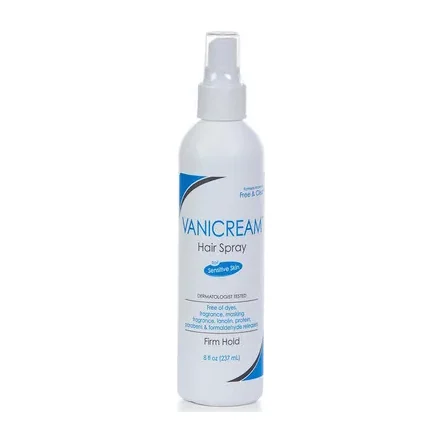
A pump hairspray is one of the simplest cosmetic formulations there is, and this one shows the anatomy without decoration. The hold comes from two anionic acrylate resins dissolved in an ethanol-water base: acrylates/octylacrylamide copolymer, a hydrophobic film-former whose octylacrylamide segments resist humidity and give the characteristic firm-but-brushable set, and a plain acrylates copolymer that lowers the blend's stiffness so the dried film flexes rather than fractures into flakes. Because these resins are carboxylic acids, they must be neutralised to dissolve and to be washable; aminomethyl propanol, an alkanolamine, converts them to their soluble salt form, and the degree of neutralisation is what tunes the balance between hold and rinse-out. A 2015 overview of hair cosmetics in Int J Trichology describes this resin-plus-neutraliser construction as the basis of both aerosol and pump fixatives and notes that alcohol-based sprays dry faster and are less prone to microbial contamination than water-based ones — the reason this formula needs no preservative, since ethanol at the concentrations used in hairspray is itself antimicrobial. Phytantriol is a synthetic triol used as a plasticiser and humectant within the film, and PEG-12 dimethicone, a water-dispersible silicone, provides slip and a little gloss without residue. The dermatological picture is one of absence: the 2024 Cureus review of hair-product allergy and the 2021 German consensus on diagnosing contact dermatitis from hair cosmetics both identify fragrance, preservatives, dyes, permanent-wave chemicals and surfactant impurities as the relevant allergens, with fixative resins essentially absent from patch-test series — so a spray containing only resins, solvent and neutraliser removes the category's sensitisers wholesale. Ethanol remains an irritant on compromised skin and a drying agent on hair, but not a contact allergen. The choice of a pump over an aerosol has a separate rationale: occupational studies of hairdressers have linked chronic aerosol hairspray exposure to obstructive lung symptoms, and the 1997 Respiration case report of interstitial pneumonitis after heavy hairspray inhalation, while extreme, illustrates why larger-droplet non-aerosol delivery is preferred for asthmatic users. No efficacy trial of the finished product exists; dermatologist tested refers to tolerance evaluation.
References 4 ShowHide
- Hair cosmetics: an overview — International Journal of Trichology (2015)
- Hair Product Allergy: A Review of Epidemiology and Management — Cureus (2024)
- Contact dermatitis to hair cosmetics: Current diagnostic recommendations — Journal der Deutschen Dermatologischen Gesellschaft (2021)
- Interstitial pneumonitis and fibrosis associated with the inhalation of hair spray — Respiration (1997)