Best Dermatologist-Recommended Exfoliants
Updated September 2026 · independently researched, no sponsored placements
Our top 27 picks — ranked by our overall assessment of formula, safety and value.


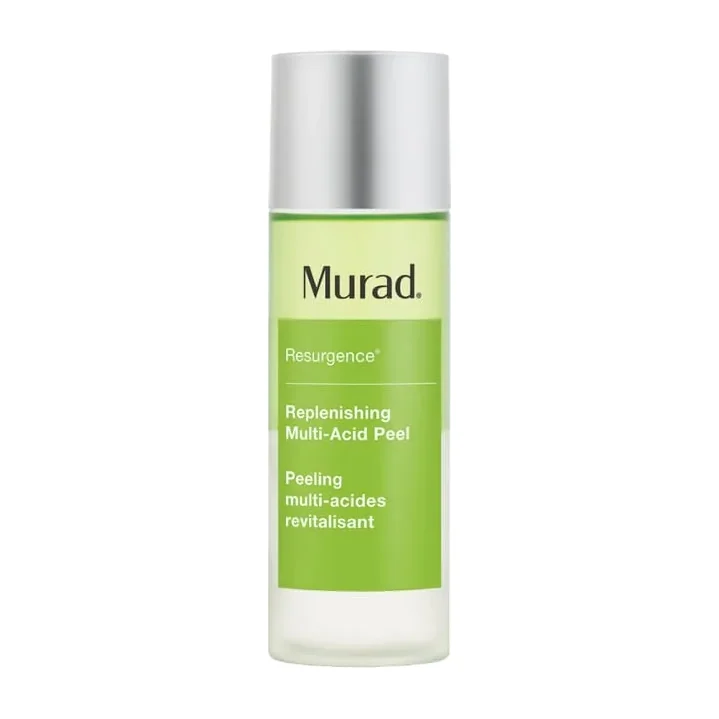


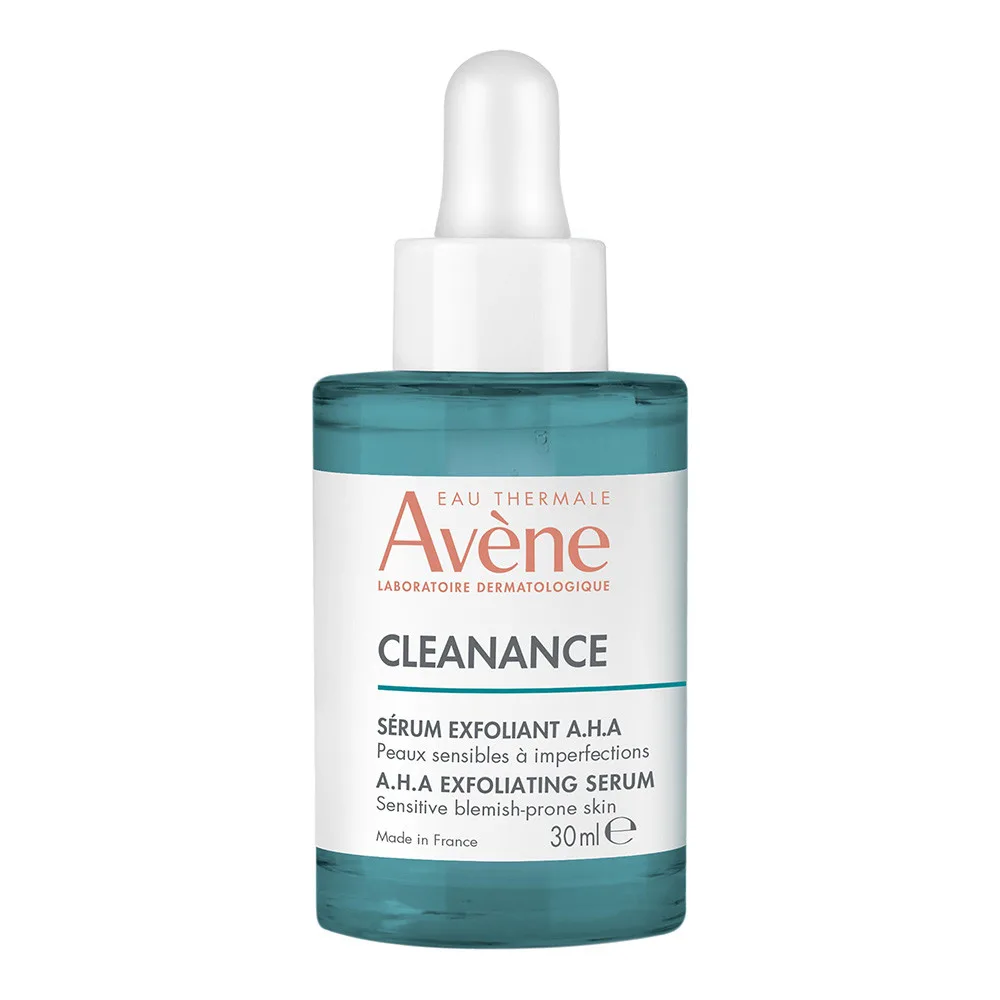


How to Choose
What makes an exfoliant "dermatologist-recommended" isn't raw acid strength — it's control. The exfoliants derms point patients toward are the ones engineered to be hard to misuse: buffered formulas, pre-measured single-use pads, and two-step peels that take the guesswork out of how much acid your skin gets.
That design philosophy matters because the most common exfoliation injury isn't from a weak product; it's from an enthusiastic user over-applying a strong one and wrecking their barrier. A pre-dosed pad delivers a known, even amount every time, which is exactly why the at-home peel category — pioneered by Dr. Dennis Gross's Alpha Beta two-step pads — became a derm-office staple despite the $88–$95 price. The acids themselves are familiar: glycolic and lactic AHAs for surface renewal, salicylic BHA for congestion, mandelic and gluconolactone for gentler resurfacing. The dermatologist's edge is in the blend and the buffering — combining several mild acids at controlled pH tends to resurface more evenly and with less irritation than one acid cranked high. Look for that multi-acid, buffered approach plus soothing partners like niacinamide, centella, and green tea. The honest caveat: those iconic at-home peel pads are genuinely excellent, but you're paying a premium for the convenience and the name. Buffered multi-acid alternatives like Prequel's $23 Milk Peel or Neutrogena's $18 multi-acid exfoliant deliver remarkably similar, derm-approved chemistry for a quarter of the cost. The smartest move is a controlled, well-formulated exfoliant used sparingly — not the strongest one you can find.
Buying Guide
Prioritize controlled, buffered delivery over sheer potency: pre-measured pads and two-step peels (Dr. Dennis Gross) and milk- or amino-acid-buffered formulas (Prequel, Avène) give an even, predictable dose that's harder to overdo. Favor multi-acid blends — combinations of glycolic, lactic, mandelic, and salicylic acids at a sensible pH — which resurface more uniformly and with less irritation than a single high-strength acid. Look for soothing companions like niacinamide, centella, and green tea that offset the acids' sting. Match the acid mix to your skin: salicylic and mandelic for oily or congested skin, lactic and gluconolactone for dry or sensitive skin. On price, the famous at-home peel pads run $65–$96 and are excellent but premium; buffered alternatives at $18–$38 offer very similar chemistry for far less. Whatever you pick, exfoliate only a couple of times a week and pair with daily sunscreen, since acids increase sun sensitivity.
Frequently Asked Questions
What makes an exfoliant dermatologist-recommended?
It's usually about controlled, predictable delivery rather than the strongest possible acid — pre-measured pads, two-step peels, and buffered multi-acid blends are designed to give an even dose that's hard to overuse. Dermatologists favor these because the most common exfoliation problem is over-application damaging the barrier. The reassuring signal is a well-formulated, buffered product with soothing ingredients, not a high percentage on the front of the box.
Are at-home peel pads worth the higher price?
The iconic two-step peel pads are genuinely effective and convenient, delivering a precise, even dose every time, but you're paying a premium for that convenience and the brand. Buffered multi-acid alternatives like Prequel's Milk Peel or Neutrogena's multi-acid exfoliant use very similar chemistry for a fraction of the cost. If budget matters, the cheaper buffered options give most of the benefit.
Is a multi-acid exfoliant better than a single acid?
For many people, yes — combining several mild acids at a controlled pH tends to resurface more evenly and with less irritation than one acid cranked to a high concentration. The blend lets each acid work at a gentler level while covering different needs, like surface renewal and pore clearing. That balanced approach is part of why derm-favored exfoliants so often use multi-acid formulas.
How often should I use a dermatologist-recommended exfoliant?
Even with gentle, buffered formulas, a couple of times a week is plenty to start, increasing only if your skin tolerates it well — daily peels exist but suit acclimated skin, not beginners. Watch for redness, stinging, or tightness as signs to scale back. Always follow with daily sunscreen, since exfoliated skin is more vulnerable to UV damage.