Emulsifiers
Products with Emulsifiers
 Daily Body SPF Pick
 Daily 50 Body Lotion
Sun Bum's Daily 50 Body Lotion extends the brand's 2026 daily-skincare-SPF strategy to body care — a fragranced chemical SPF 50 with glycerin and antioxidants positioned for everyday rather than beach use. At $23.99 for 5oz, the per-ounce math is better than the face-format siblings. Signature Sun Bum fragrance is the main sensitivity asterisk.
Key Avobenzone · Glycerin
 One-Sheet Plug Softener
 Tea Tree Cica One-Step Scaling Nose Pack
A genuinely kinder way to empty a congested nose: soften the plugs, then wipe them out with the back of the same sheet, no adhesive involved. It works on soft filaments, not on entrenched blackheads, the acids are trace-level, and the lavender oil will rule it out for some. As an occasional reset for oily skin, it earns its box.
Key Emulsifiers · Willow Bark Extract
 Drugstore Hydration Hero
 Hydro Boost Gel-Cream
The moisturizer that proved hyaluronic acid belongs in the drugstore aisle. Neutrogena's Hydro Boost Gel-Cream delivers genuine, lasting hydration in a lightweight, fragrance-free formula that dry and sensitive skin can trust. With 60,000+ reviews and a National Eczema Association seal, the evidence is not theoretical — it is overwhelming. The jar packaging remains its biggest flaw.
Key Hyaluronic Acid · Dimethicone
 Ceramides for the Cot
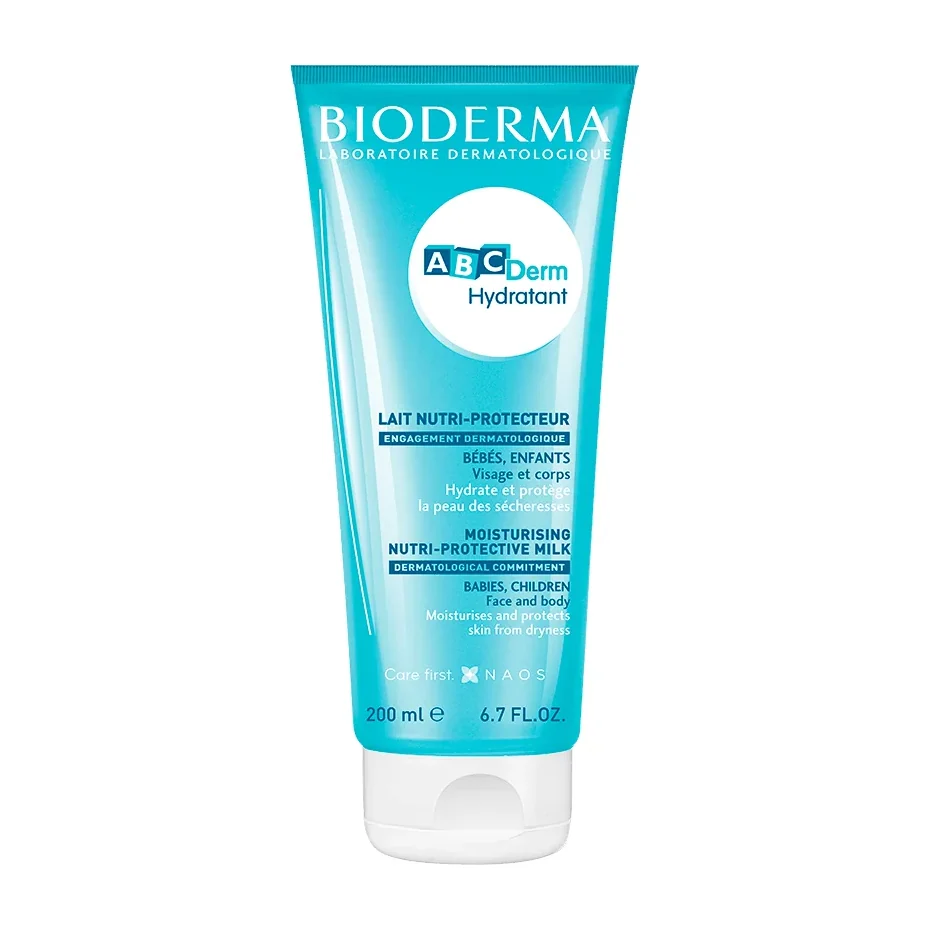
 ABCDerm Moisturizing Milk
A better infant lotion than its gentle blue tube lets on — three ceramides, cholesterol and phytosphingosine in a lamellar base, light enough to absorb before the sleepsuit goes on, at six cents a millilitre in the pump size. The fragrance at ninth position, above every one of those ceramides, is the single reason it is not the automatic recommendation for eczema-prone babies.
Key Ceramides · Mineral Oil
 Thirteen-Dollar Night Cream
 Holy Hydration! Nourishing Night Cream
A plush, fragrance-free, silicone-and-shea night cream that seals in moisture overnight and leaves skin softer by morning for thirteen dollars, with an olive-derived emulsifier as a quiet sign of decent formulation. It has no actives and the jar is a jar, but as a budget evening basic for dry to normal skin it is one of the easier recommendations in the e.l.f. Skin range.
Key Dimethicone · Shea Butter
 Clean Mineral SPF Pick
 Supernatural SPF50+ Ceramide Silk Facial Sunscreen
Antipodes' first sunscreen is also one of the best clean-formulated mineral SPF50+ products on the market — TGA-certified, 22.75% zinc oxide, fragrance-free, with ceramide and antioxidant support. The oil-rich base is the trade-off that lets it disappear without white cast on dry-to-normal skin, but it reads heavy on oily complexions. For the right skin type, this is a genuinely impressive debut.
Key Zinc Oxide · Ceramides
 Vegan Mineral Sun Serum
 Daily Liquid Sun Serum SPF 30 Mineral Sunscreen
Derma E's Daily Liquid Sun Serum delivers 22 percent zinc oxide SPF 30 in unusual serum-format mineral sunscreen with jojoba esters, aloe, vitamin E, and bisabolol at 24.95 dollars. Strong vegan, fragrance-free, reef-safe positioning. White cast on deeper skin tones is the persistent mineral sunscreen consideration.
Key Zinc Oxide · Jojoba Oil
 Nu-Derm's Sheer Step Six
 Healthy Skin Protection Broad Spectrum SPF 35
The Nu-Derm sunscreen patients actually wear: a sheer hybrid of nine percent zinc and octinoxate that vanishes into the skin, does not sting a hydroquinone face, and carries the Skin Cancer Foundation's seal. Its loyal reviewers are right about how it feels and wrong to overlook the label, which pairs an organic filter banned in Hawaii with five parabens, comedogenic esters and a DEA emulsifier; it is a 2000s formula Obagi would rather geo-fence than rebuild.
Key Zinc Oxide · Octinoxate
 Hypoallergenic Line's Plain Mineral
 Physical Defense Broad Spectrum SPF 40
A plain, well-mannered two-mineral SPF 40 from a hypoallergenic dermatology line: zinc and titanium on a glucoside emulsion with aloe and licorice, and nothing else to react to. It is light, fragrance-free and genuinely gentle on rosacea-prone and post-procedure skin, which is the whole job; it casts on deeper tones, its blue-light claim is botanical decoration, and sixty dollars is dispensed-sunscreen pricing for a formula with a thin and lukewarm review record.
Key Zinc Oxide · Titanium Dioxide
 Water-Feel Reapply Stick
 Refreshing Water Hydration Stick
The most interesting sunscreen stick in COOLA's range: a glycerin soap gel rather than a wax bar, so it swipes on cool and wet, leaves a humectant film and carries a stabilised four-filter SPF 50 with no cast. It is scented with a dozen aroma molecules, built on octocrylene, and $30 for 0.8 ounces goes fast at a real dose, which keeps it a reapplication stick rather than a whole-face answer.
Key Avobenzone · Homosalate
 Budget AHA+BHA Cleanser Pick
 Tamagohada Face Wash
Hada Labo's daily exfoliating cleanser pairs glycolic and salicylic acid with an amino-acid surfactant base, producing one of the most usable sub-fifteen-dollar AHA+BHA foaming washes on the market. The methylparaben and cocamide DEA holdovers will steer away ingredient-focused shoppers, but for combination or blackhead-prone routines the formula delivers the 'egg skin' surface smoothing the line name promises.
Key Glycolic Acid · Salicylic Acid
 Clinic-Dressed Drugstore Cleansing Oil
 Clinfinite Black Salt and Charcoal Blackhead Deep Cleansing Oil
A light ester-based cleansing oil in a clinic-black bottle: cetyl ethylhexanoate and isononanoate dissolve sunscreen and oxidised sebum, sorbeth-30 tetraoleate emulsifies it fast, and a little salicylic acid gives the blackhead claim its one real mechanism, for seventeen dollars a 200 ml pump. The charcoal and black salt are colour, the fruit acids are rinsed off before they could act, the fragrance and citrus extracts rule out reactive skin, and the blackhead change is modest; but as a cheap, non-greasy first cleanse for oily and combination skin it does its job well.
Key Emollient Esters · Emulsifiers
 The Green Balm That Doubles as a Pore Mask
 Mugwort Calming Deep Cleansing Balm
A wax-structured cleansing balm that puts salicylic acid, its lipophilic derivative and a polyhydroxy acid into the Mugwort line's ester-and-plant-oil base, so a rolling massage softens blackheads and smooths the T-zone while it removes sunscreen; used once or twice a week and double cleansed, it is a genuinely useful pore step at $20 for 100 ml. Its acids are undeclared and mild, its base leads with a flagged ester, its green is mineral pigment and its herbal scent is tea tree and mugwort oil, and 'calming' is the line's word for a product that exfoliates.
Key Salicylic Acid · Emulsifiers
 Pore-Targeted Cleanser
 Fresh Pore Clarifying Gentle Cleansing Oil
A pore-targeted cleansing oil built around an oil-soluble salicylic acid (LHA) that can actually travel into pores during the cleansing massage. Distinctive and well-engineered for the blackhead and enlarged-pore crowd, though fragrance, cooling agents, and comedogenic esters narrow the user profile.
Key Salicylic Acid · Emulsifiers
 Oily-Skin Cleansing-Oil Pick
 Skin Purifier POREfinist Sakura Refreshing Cleansing Oil
A genuinely targeted cleansing oil for oily and congested skin — the inclusion of capryloyl salicylic acid plus menthoxypropanediol cooling makes this the most pore-focused entry in Shu Uemura's prestige lineup, with a lighter ester base than the Classic or Ultime8 lines. The cinnamon-spice fragrance and cooling sensation rule it out for reactive skin.
Key Salicylic Acid · Propanediol
 Clean Baby Staple
 Baby Lotion Fragrance Free
A lightweight, biomimetic baby lotion that proves you do not need mineral oil, silicones, or fragrances to deliver serious hydration. The squalane-ceramide-glycerin core provides evidence-based barrier support, and the olive-derived emulsifier system ensures it integrates into skin rather than sitting on top. At under $12 for 5.7 ounces with EWG Verified certification, the value is genuinely remarkable.
Key Squalane · Glycerin
 Cooling Oat-Aloe Body Soother
 Calm + Restore Gel Body Moisturizer
The lighter of Aveeno's two sensitive-skin body moisturisers, a fragrance-free, silicone-free gel-cream that stacks oat oil, oat extract and colloidal oat in a row with aloe and panthenol behind them, cools on contact and keeps itchy, distressed or sunburnt body skin comfortable for a day or two. Not a true gel, not rich enough for deep winter, a note for acne-prone backs, and priced more erratically across retailers than any Aveeno product should be.
Key Colloidal Oatmeal · Glycerin
 Fragrance-Free Family Lotion
 Shea Butter and Coconut Body Lotion
A plain, fragrance-free shea lotion that does what its name says, which for years it did not: the 2025 reformulation put the coconut oil in and took the essential oils out, and the result is a rich, gentle, family-safe body moisturiser with real fat and humectant content. It is priced a little high for its size and dressed in 'no controversial ingredients' marketing it does not need, but the tube itself is one of Benton's more honest products.
Key Shea Butter · Coconut Oil
 Budget Shea Hand Cream
 Shea Butter and Coconut Hand Cream
A rich, fragrance-free shea hand cream that sinks in cleanly enough for a desk and works as an overnight glove pack, for eleven dollars. The coconut smell is natural and faint, the 'wrinkle care' stamp is a regulatory label for a trace of adenosine, and the anti-silicone marketing is unnecessary; the cream itself is one of the better cheap hand creams around and Benton's most straightforward body product.
Key Shea Butter · Coconut Oil
 Fragrance-Free Budget Benchmark
 Holy Hydration! Face Cream Fragrance Free
The unscented twin of e.l.f.'s best-selling cream and, for most people, the version to buy: niacinamide, squalane, trehalose, peptides and panthenol at real positions, an olive liquid-crystal base, no fragrance, thirteen dollars. It pills if you use too much and its ester emollients do not suit every acne-prone face, but as a fragrance-free daily cream it sets the budget benchmark.
Key Niacinamide · Squalane
 Daily Body SPF Workhorse
 Daily Hydration Lotion SPF 30
A solid mainstream chemical-filter body sunscreen with the meaningful glycerin humectant load, licorice extract supplementation, and skin-identical fatty acid emollient complex that puts it above generic body SPF alternatives. The 8 oz tube at $17 is reasonable mainstream pricing. Reef-safety and octocrylene concerns are the main formulation friction points.
Key Avobenzone · Glycerin
 Fragrance-Free Belly Lotion
 Essential Care Multi-Purpose Lotion
A light, fragrance-free, organic-certified pregnancy lotion built on sunflower oil, glycerin and maracuja seed oil, with a mild PEG-free emulsion and a preservative system as inert as they come — it relieves the itch and tightness of a stretching belly quickly and is about as low-risk as a leave-on gets. It costs $30 for 200 mL, a premium for a simple emollient, and it's sold on preventing stretch marks, which no lotion has ever been shown to do.
Key Sunflower Oil · Glycerin
 Sensitive-Skin Comfort Wash
 Comfort Cleanse Body Wash
Comfort Cleanse is body wash done thoughtfully — ultra-mild glucoside surfactants instead of harsh sulfates, an unusually high 25% glycerin, and a sugar-derived hydration complex, all fragrance-free. It cleans without stripping, leaves skin soft rather than squeaky, doubles as a shave lube, and is gentle enough for the most reactive skin. The soft lather and premium price are the only trade-offs in an otherwise near-universally suitable wash.
Key Cleansing Surfactants · Glycerin
 Fragrance-Free Comfort
 Hydrating Milky Toner
The Thayers for people Thayers never suited: no witch hazel, no fragrance, no alcohol, just tremella polysaccharide, hyaluronate and glycerin in a light milk that ends post-cleanse tightness on contact and keeps dry, sensitive skin comfortable all day. It's a Korean-style milky toner at a drugstore price in three sizes, and one of the easiest recommendations on the shelf for anyone but the very oily.
Key Tremella · Hyaluronic Acid
 Kid-Approved Quick Moisturizer
 Kids Sensitive Skin Face & Body Gel Cream
A fast, cool, oat-forward gel-cream that a squirming child will actually let you finish applying, with a preservative system more considered than most of the children's aisle. It hydrates well for its weight, costs eight dollars, and is let down by one decision: there is fragrance in a tube labelled for sensitive skin. Great for ordinary kid skin, a caveat for eczema.
Key Colloidal Oatmeal · Glycerin
 Creamy Scented Wash
 Ceramide Calming Ato Cream Body Wash
A thick, creamy, sulfate-free body wash at a skin-friendly pH that leaves ordinary skin soft and smells pleasant, sold under a name and a label that promise far more: ceramides declared down to a tenth of a part per billion, nine peptides in a rinse-off, and an 'ato' badge over a formula with fragrance sixth in the list. Good everyday wash, poor eczema wash, and the small print says so.
Key Cleansing Surfactants · Ceramides
 Galen's Recipe, Nursery Edition
 ABCDerm Cold-Cream Face and Body
Galen's oil-and-beeswax recipe rebuilt for infants — mineral oil, glycerin, beeswax and almond oil in a mild sugar-ester emulsion — that protects wind-chapped cheeks and rough winter hands for under ten cents a millilitre. It is a classic done properly; its two caveats are equally classic, a fragrance on a leave-on baby cream and a nut-derived oil, and they are enough to send eczema-prone and nut-allergy families elsewhere.
Key Beeswax · Glycerin
 Pumpable Cold Cream, Scented
 Nourishing Lotion with Cold Cream
Cold cream you can pump one-handed: beeswax and hydrogenated coconut oil for a light overnight film, sunflower oil and glycerin for barrier support and hydration, and a ceramide-plus-precursor pair at the tail that at least gets the chance to work in a leave-on. It softens everyday dry baby skin quickly and pleasantly. The whole-body, all-night fragrance is what stops it being the dry-skin lotion for atopic or sensitive babies, and the ceramides are a smaller dose than the label implies.
Key Beeswax · Sunflower Oil
 Skin Food in a Spray
 Skin Food Hydrating Face Mist
A better face mist than most: alcohol-free, faintly milky from a trace of sunflower oil, with hyaluronate and glycerin high enough to leave skin softer rather than tighter as it dries, and the Skin Food botanicals and scent for good measure. It is still a mist, so its hydration is a surface refresh that lasts an hour or two, and twenty-two dollars is a lot for one. Dehydrated and sensitive skin that actually uses a mist will like it.
Key Hyaluronic Acid · Glycerin
 The Oil That Actually Rinses Out
 Scalp Revival Rosemary Pre-Wash Oil for Hair and Scalp
The most carefully built of the prestige rosemary oils, and the only one that solves the problem that makes pre-wash oils annoying — it lifts out in a single shampoo. Ceramide NG and bisabolol are real choices, not label decoration. Just don't buy it expecting the hair-growth outcome the ingredient became famous for, because the format works against that.
Key Rosemary · Emulsifiers
 The Original Micellar Water
 Sensibio H2O Micellar Water
The product that launched an entire skincare category remains, three decades later, one of the gentlest and most effective no-rinse cleansers available. Bioderma Sensibio H2O earns its cult status through radical simplicity — 10 ingredients, zero fragrance, and a formula so mild it was originally dispensed by prescription.
Key Emulsifiers · Probiotics & Prebiotics
 Budget-Friendly Gentle Cleanser
 Heartleaf Low pH Deep Cleansing Water
A refreshingly simple, generously sized micellar water that does the basics right — gentle cleansing with heartleaf soothing and barrier-supporting squalane at a price that makes daily use guilt-free. Not revolutionary, but exactly what a good first cleansing step should be.
Key Houttuynia Cordata · Panthenol
 Minimalist Cleansing Oil
 Ethereal Cleansing Oil
A refreshingly minimalist cleansing oil that does one thing extremely well: melt away waterproof makeup and sunscreen, then rinse off completely clean thanks to a double-emulsifier complex. Its radical simplicity — just seven ingredients, no fragrance or essential oils — makes it a rare oil cleanser genuinely suited to sensitive skin, and it's well-priced. It's gentle, non-tugging, and effective. The only real caveats are that it isn't fungal-acne safe (inherent to oil cleansers) and offers no skincare extras beyond a clean, gentle removal.
Key Emollients · Emulsifiers
 Gentle Everyday Cleanser
 Soft Wash Cleanser
A genuinely gentle, well-formulated sulfate-free jelly cleanser — mild glucoside and polyglyceryl surfactants, pH-balanced, with glycerin so it cleans without stripping. It does the one job a cleanser should do, and does it well, for all skin types. A modest premium over drugstore gentle cleansers is the only real quibble.
Key Cleansing Surfactants · Emulsifiers
 Sensitive Skin MVP
 Soft Wash Gentle Cream Cleanser
About as gentle as a cleanser gets — a fragrance-free jelly built on mild non-ionic and sugar-derived surfactants that cleans thoroughly without ever leaving skin tight or stripped. It is a near-ideal pick for sensitive, dry, or barrier-compromised skin. The only real quibble is a price that sits slightly above comparable gentle cleansers.
Key Cleansing Surfactants · Emulsifiers
 Japanese Drugstore Classic
 Mild Cleansing Oil
A two-decade-old Japanese drugstore staple that still outperforms most modern cleansing oils on the single metric that matters: does it remove sunscreen cleanly without leaving a film. The fragrance-free, ester-based formula is gentle enough for reactive skin and thoughtfully augmented with vitamin C and plant oils. Quietly one of the best first-cleanse options on the market.
Key Emollient Esters · Emulsifiers
 Sensitive Skin MVP
 Mighty Melt Cleansing Balm
The fragrance-free sibling to Jelly Joker, and genuinely the better choice for reactive skin. Bisabolol, allantoin, and panthenol push it beyond 'unscented' into actively soothing territory, at a price most premium sensitive-skin balms can't touch.
Key Caprylic/Capric Triglyceride · Shea Butter
 Gentlest Foam in the Black Bottle Line
 Clinfinite Fermented Brown Rice pH Balance Bubble Cleansing Water
The gentlest cleanser in Holika Holika's clinic-styled line and one of the gentlest at its price anywhere: an all-polyglyceryl-ester foam that cleans without binding to the skin, a full natural-moisturising-factor blend of PCA, lactate and ten amino acids that stays behind after the rinse, allantoin, a ceramide-and-sterol tail, no fragrance, no alcohol, for seventeen dollars a 300 ml pump. The rice ferment is the name rather than the function and the eight hyaluronates are a label count, it cannot take off heavy makeup and it bores oily skin; for sensitive, dry and barrier-stressed faces it is close to ideal.
Key Emulsifiers · Probiotics & Prebiotics
 French Pharmacy Sensitive-Skin Staple
 Make-up Remover Water with Soothing Cornflower
A six-ingredient micellar water from one of France's oldest botanical pharmacy brands — fragrance-free, gentle around the eyes, and priced for daily use. Three months of cleansing for less than the cost of a single luxury serum.
Key Urea · Poloxamer 184
 Garden-Compostable Newborn Wipe
 Home Compostable Fragrance-Free Wipes
Six ingredients, no fragrance, no phenoxyethanol, and a plant-fibre cloth certified to break down in a garden compost bin: this is about as gentle and as honest as a baby wipe gets. The trade is a thinner cloth and a price around fifteen cents a wipe, two to three times mainstream, and the compost claim only pays off for families who actually have a heap.
Key Emulsifiers · Avocado Oil
 Sensitive Skin Everyday Cleanse
 Daily Care Micellar Solution
A quietly competent, fragrance- and alcohol-free micellar water that does exactly one thing well: removing makeup and grime without setting off reactive, redness-prone skin. The nine-ingredient formula won't excite anyone chasing actives, and pharmacy-import pricing makes it dearer than drugstore rivals, but for sensitive skin it's a dependable, low-drama daily cleanse.
Key Emulsifiers · Glycerin
 Sensitive-Skin Friendly Micellar
 All Clear Water Cleansing Water
A gentle, fragrance-free Japanese micellar water that handles daily light makeup and morning cleansing without the sting harsher cleansing waters cause. Amino-acid surfactant base, Senka brand-signature humectants, fair drugstore price — a sensible no-fuss addition to a sensitive-skin routine or a morning convenience for users who don't need a full foam wash every day.
Key Cleansing Surfactants · Emulsifiers
 Eczema Warrior's Arsenal
 Atoderm Intensive Baume
The most therapeutically loaded OTC eczema balm you can buy — triple ceramides, a dedicated anti-itch active, and a patented anti-bacterial adhesion technology, all backed by a 130-patient randomized trial showing 76% of users remained flare-free over six months. At $30 for 500 ml, the science-to-price ratio is exceptional.
Key Ceramides · Phytosphingosine
 Gentle First-Cleanse Pick
 Micellar Solution
A refreshingly minimal micellar water that removes makeup cleanly without the tacky residue many leave behind. Filorga keeps the formula short and gentle, and zinc PCA is a smart touch for oilier skin. The sticking point is price: you're paying a premium for what is, at heart, a very competent cleansing step.
Key Zinc · Trehalose
 Oily Skin's Micellar Match
 Sebium H2O Micellar Water
A micellar water that actually does something for oily skin beyond basic cleaning. Bioderma Sebium H2O combines the brand's signature gentle micelle technology with zinc and copper purifying actives — a combination that makes it less of a passive cleanser and more of a treatment step disguised as makeup removal.
Key Zinc · Emulsifiers
 Lightweight Sunscreen Remover
 Green Tea Purifying Cleansing Oil
A thin, quick-rinsing cleansing oil that does the job of removing sunscreen and makeup with less fuss than most in its tier, thanks to an unusually high placement of its emulsifiers. It is let down by an added perfume, a moderately comedogenic lead ester and a green tea story that is more label than formula. Good for oily and combination skin; skip it if fragrance bothers you.
Key Emollient Esters · Sunflower Oil
 No-Rinse Pore Wipe
 Pro Trouble Pore Cleansing Water Pad
A gentle, fragrance-free cleansing pad that removes sunscreen and light makeup without stripping, with zinc salts, willow bark and soothing agents for oily and breakout-prone skin. It is pleasant and practical, but the 'plant salicylic acid' is mild willow bark rather than true BHA, and the price is steep for what is essentially micellar water on cotton.
Key Emulsifiers · Willow Bark Extract
 Ice Cube on a Stick
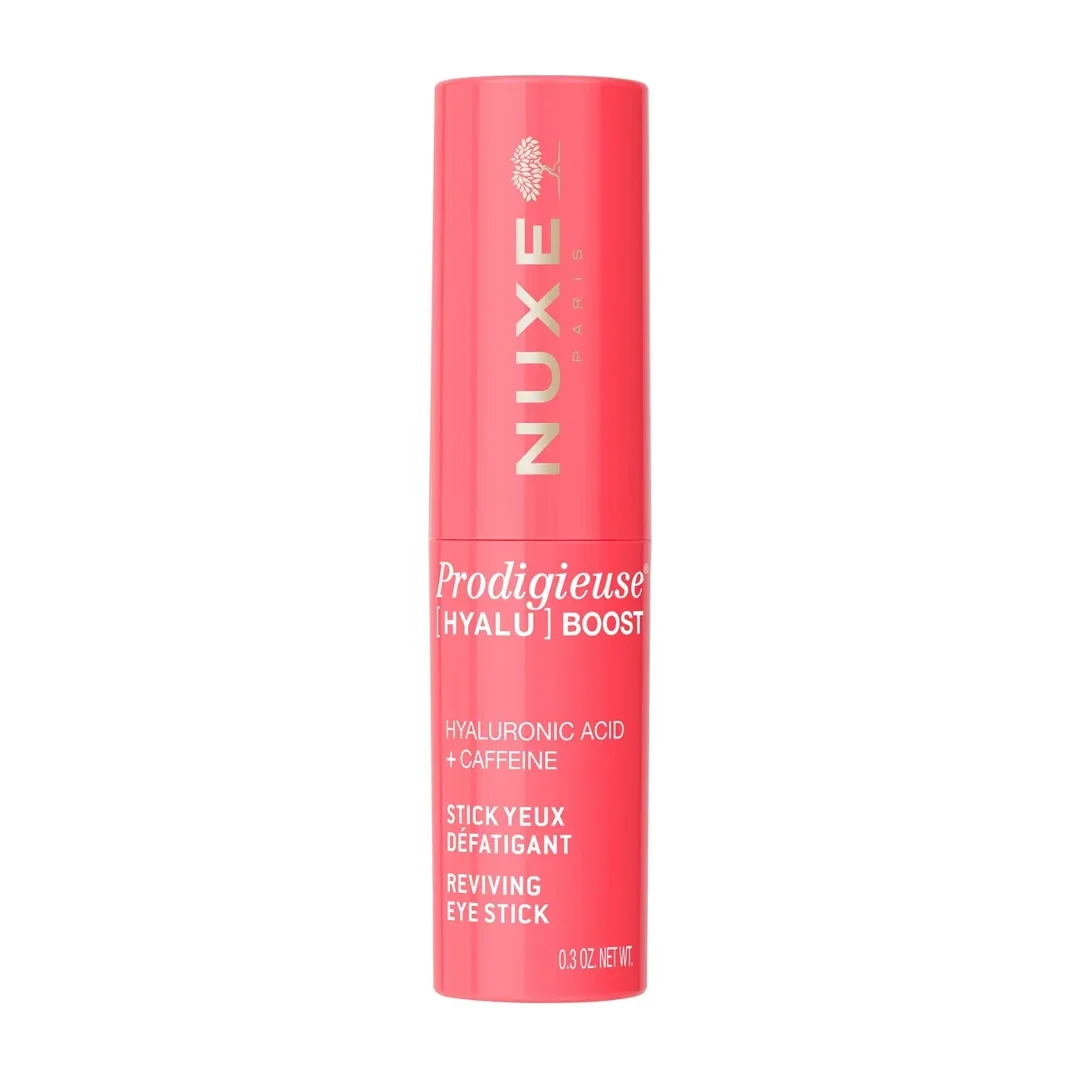
 Reviving Eye Stick
A ten-ingredient, fragrance-free glycerin-gel stick with caffeine high enough to matter and a genuinely cold, reviving glide — the most stripped-down and most honest eye product Nuxe sells, and priced like it. It de-puffs fluid-type morning swelling for a few hours and hydrates for fewer; it does nothing lasting for dark circles, leaves a faint soap-gel film, and its evidence is brand-new and panel-sized.
Key Caffeine · Glycerin
 Snail 92 Alternative
 Black Snail Mucin 92% Face Cream
A genuine challenger to COSRX's category-defining Snail 92 All-In-One Cream — same 92% mucin concentration, broadened with adenosine (KFDA-approved wrinkle care), propolis, and an olive-derived emulsifier system that produces a lighter feel. Strong recommendation for users wanting more multi-active utility than the COSRX original; the propolis adds a small allergy caveat.
Key Snail Mucin · Adenosine
 NEA-Certified Drugstore Cleanser
 Hydrating Cream-to-Milk Cleanser
A genuinely well-formulated drugstore cream-to-milk cleanser combining 5% rice milk complex, dual hyaluronic acid, high-position glycerin, and gentle non-sulfate surfactants in a National Eczema Association certified, fragrance-free formula at $19 for 240ml. The NEA certification reflects clinical validation that drugstore cleansers rarely achieve. The comedogenic emollient content limits fungal-acne suitability, but for the broader sensitive-to-dry-skin demographic this is among the most thoughtful drugstore cleansers currently available.
Key Hydrolyzed Rice Protein · Hyaluronic Acid
 Sensitive Skin First Cleanse
 Black Rice Moisture Cleansing Oil
A nine-ingredient cleansing oil that does exactly one job — melting sunscreen and makeup without stripping — and does it with unusual restraint. Sensitive skin gets the biggest payoff from the fragrance-free, certification-backed formula. At $25 it costs more than drugstore oils that cleanse comparably, but few of those match its short, calm ingredient list.
Key Rice Bran Oil · Emulsifiers
 Bubble-Free Hydrating Cleanser
 Licorice pH Balancing Bubble Free Cleansing Gel
A genuinely gentle, fragrance-free gel cleanser that deliberately skips the foam and packs in eight forms of hyaluronic acid, so it cleans without ever leaving skin tight. For dry, sensitive, or dehydrated skin it is a standout daily wash; the only adjustments are getting used to no lather and pairing it with an oil cleanser for heavy makeup.
Key Emulsifiers · Hyaluronic Acid
 SPF-Removal Oil Cleanser
 Sunscreen Cleanser
Australian Gold's Sunscreen Cleanser is the brand's oil cleanser specifically positioned for SPF removal — combines sunflower seed oil, squalane, olive oil, and tea tree oil at $18.99 for 3oz. Effective SPF breakdown chemistry with antibacterial support. Plant oils and tea tree limit fungal-acne and sensitive-skin use.
Key Sunflower Oil · Squalane
 Brightening Micellar Multitasker
 Micellar Cleansing Water Bright Up
Bifesta's Bright Up micellar water is the multitasker of the lineup: it removes makeup like the rest of the range but folds in a stable vitamin C derivative and a whisper of lactic acid for a gradual brightening, pore-clearing edge. The effect is subtle, not dramatic, but at twelve dollars for 400ml of fragrance-free formula, it's a low-stakes way to bundle two mild actives into your first cleanse.
Key Vitamin C · Lactic Acid
 Drugstore Micellar Holy Grail
 Micellar Cleansing Water Moist
Bifesta's Micellar Cleansing Water Moist is a quietly excellent drugstore makeup remover: fragrance-free, alcohol-free, and genuinely hydrating thanks to two hyaluronic acid forms, in a generous 400ml bottle that undercuts Western micellar brands. It won't conquer heavy waterproof mascara alone, but as a gentle daily first cleanse, it's hard to beat for the money.
Key Emulsifiers · Hyaluronic Acid
 Gentle Daily Wipe Cleanser
 Makeup Remover Cleansing Water
A polite, well-mannered Japanese take on the European micellar water category, with gentler surfactants and a more humectant-loaded base than typical drugstore cleansing waters. It excels at light cleansing tasks and travel use, but is not the right tool for removing the heavy hybrid sunscreens Japanese consumers wear daily.
Key Emulsifiers · Castor Oil
 Gentle Barrier-Preserving Cleanser
 Milky Lotion Cleanser
A genuinely gentle, barrier-preserving cream cleanser built around the principle that cleansing should not be the moment in the routine that damages the skin. The petrolatum-and-glycerin minimal-surfactant approach makes it one of the better cleansers for dry, sensitive, eczema-prone, or post-procedure skin. The price is steep relative to CeraVe Hydrating Cleanser, which delivers the same basic philosophy at a fraction of the cost.
Key Petrolatum · Glycerin
 Hydrating Micellar Water
 Hydro Derma Cleansing Water
A gentle, fragrance-free micellar water that does more than wipe away makeup, folding in a triple hyaluronic acid complex, glutathione, and soothing centella so skin feels hydrated rather than stripped. It is a comfortable, low-fuss cleansing step for sensitive and dry skin, best understood as a convenient first wipe rather than a complete nighttime cleanse.
Key Emulsifiers · Minerals & Salts
 Honey Ferment Cleansing Gel
 The Clear Cleansing Gel
FAS's Clear Cleansing Gel is an oil-free, humectant-rich makeup-removing gel that cleans everyday makeup and sunscreen in one step while leaving skin soft. Its ferments, including a Kyoto honey ferment, add a gentle touch. It contains fragrance, struggles with heavy waterproof makeup and carries a luxury price for a cleanser.
Key Emulsifiers · Probiotics & Prebiotics
 Drugstore Balm That Behaves
 Erase It All Hyaluronic Acid Makeup Cleansing Balm
A fifteen-dollar cleansing balm that does the one thing a cleansing balm must do — melt a full face of waterproof makeup and sunscreen and rinse to milk without a film — and does it with no fragrance and no eye sting. Shea and jojoba leave dry skin soft; the emulsifiers are the real story. The hyaluronic acid on the front is a trace at the bottom of a rinse-off and the 24-hour hydration claim is a stretch, but as a first cleanse it is one of the best things on the drugstore shelf.
Key Emollient Esters · Emulsifiers
The full emulsifiers guide
Emulsifiers are the ingredients that let oil and water blend into a smooth, stable cream instead of separating into a greasy puddle.
Each molecule has a water-loving end and an oil-loving end, so it sits where the two meet and holds them together. Nearly every cream, lotion and gel-cream depends on them, from plant-derived lecithin and cetearyl glucoside to synthetic PEG-based types. Nobody shops for them, but they shape how a product spreads, sinks in and feels on skin.
How it's regulated in the US
FDA does not classify ingredients — it classifies products, by what they are sold to do. The same molecule can be a drug active in one product and a cosmetic ingredient in the next, and only the claim on the label decides which. What follows is a statement about that legal standing, not about whether it works — the evidence question is answered separately above.
Cosmetic Emulsifiers is a cosmetic ingredient in the US: no OTC monograph covers it and it is not an active in any FDA-approved drug, so a product built around it is a cosmetic rather than a drug.
Emulsifiers are mostly studied for chemistry and safety: how they hold oil and water together, and how safety panels have judged individual types at normal use levels. The more interesting work asks what they do to the skin barrier once applied, and it shows the specific emulsifier matters far more than the category, since some loosen the skin's own fats while others leave them alone. Washing studies look at emulsion cleansers and barrier function, and patch-test research tracks allergy to the glucoside family, which turns up more often in eczema-prone skin.
How it works
Oil and water don't mix on their own because the two phases have fundamentally different molecular polarities — water molecules form hydrogen bonds with each other, and oily molecules form weaker van der Waals interactions, so the two phases always want to separate. Emulsifiers resolve this by being amphiphilic: each molecule has a hydrophilic (water-loving) head group and a lipophilic (oil-loving) tail. They migrate to the interface between oil droplets and water, orienting their tail in the oil and their head in the water, dramatically reducing the interfacial tension that would otherwise push the phases apart. Oil droplets become enveloped in a thin film of emulsifier molecules and dispersed stably throughout the water phase — or vice versa, depending on emulsion type. The Hydrophilic-Lipophilic Balance (HLB) value describes which direction an emulsifier leans. High HLB values (8–18) favor oil-in-water emulsions — the lightweight lotions and serums where small oil droplets float in a water matrix. Low HLB values (3–6) favor water-in-oil emulsions — richer, more occlusive creams where water droplets are encased in oil. Most real formulations blend high- and low-HLB emulsifiers to dial in both stability and skin feel, often anchored by co-emulsifiers like fatty alcohols and stearic acid that add structural rigidity to the interfacial film. On skin, residual emulsifier in a leave-on product continues its job: it helps spread the product evenly and contributes to a softer feel. The tradeoff — more pronounced for rinse-off products and certain PEG ethers — is that some emulsifiers can bind stratum corneum lipids and carry them out with water, a phenomenon formulation chemists call the wash-out effect.
Key benefits
- Keeps oil and water blended in a smooth, stable cream
- Shapes textures from featherlight gels to rich creams
- Helps a product spread evenly and sink in comfortably
- Lets oil-loving and water-loving ingredients share one formula
- Fatty-alcohol types add a soft, cushiony feel
Concentration & usage
Emulsifiers typically appear in leave-on products at 1–8% of total formula weight, with most lotions and creams sitting at 3–5%; rinse-off cleansing creams can run higher. On an INCI list, look for them in roughly positions 5–15, after the main water and humectant phases but before minor actives — common entries include Glyceryl Stearate, Cetearyl Alcohol, Ceteareth-20, Steareth-20, Polysorbate 20, Polysorbate 80, Cetearyl Glucoside, Cetearyl Olivate (and) Sorbitan Olivate (the Olivem 1000 system), and PEG-100 Stearate. There's no active-concentration threshold governing emulsifier choice; what matters is the HLB value required by the oil phase, usually matched by pairing a high-HLB and low-HLB emulsifier. Fragrance-free, sensitive-skin formulations tend to favor glyceryl stearate, cetearyl alcohol, and glucoside-based emulsifiers over PEG ethers, reflecting their gentler lipid-interaction profiles in barrier research.
Who it's for & who should be cautious
Who it's for
Anyone who uses a cream, lotion, gel-cream, or serum is already using emulsifiers — there's no meaningful "opting in." For practical purposes, people with dry, combination, or sensitive skin benefit most from knowing which emulsifier systems run gentler: formulations built on glyceryl stearate, cetearyl alcohol, or the olivate/sorbitan systems tend to be well-tolerated and mild. Those drawn to richer textures and barrier-repair products will find these emulsifiers in most ceramide creams, body lotions, and prescription moisturizers precisely because of their long tolerability record.
Who should be cautious
People with a confirmed contact allergy to alkyl glucosides (coco-glucoside, cetearyl glucoside, lauryl glucoside) — a sensitization documented in patch-test series and reported more often in those with atopic dermatitis — should scan INCI lists carefully and steer clear of glucoside-family emulsifiers. A smaller subset reacts to polysorbates or PEG-based emulsifiers, most commonly as persistent facial redness or stinging on application. Pinning down a true emulsifier allergy requires patch testing to identify the specific culprit, since switching between emulsifier classes often resolves the issue entirely rather than requiring emulsifier-free products.
Pairs with & conflicts
Myths & facts
Myth: Emulsifiers damage your skin barrier and should be avoided entirely.
Reality: The wash-out effect is real but heavily dose- and type-dependent: rinse-off products and certain PEG-ether emulsifiers show more measurable lipid disruption than leave-on formulas built on glyceryl stearate or olivate systems. A 2020 confocal Raman spectroscopy study found polysorbate 80 produced no measurable change in stratum corneum lipids, while PEG-20 glycerol monostearate did. The blanket 'emulsifiers are harmful' narrative conflates very different chemistries and ignores concentration and contact time.
Myth: Natural or plant-derived emulsifiers are automatically gentler than synthetic ones.
Reality: Origin doesn't predict skin tolerance. Cetearyl glucoside and coco-glucoside — both plant-derived — are among the more frequently flagged emulsifiers in patch-test allergy series. Meanwhile, several PEG-based emulsifiers carry strong safety records at cosmetic concentrations. What matters is the specific molecule and the individual's sensitization history, not the 'natural' label.
Myth: If a product contains emulsifiers, it must be making your skin oilier.
Reality: Most oil-in-water emulsions — the dominant type in lightweight moisturizers, serums, and many SPFs — produce a non-greasy, sometimes mattifying finish precisely because the oil phase is dispersed in a water matrix. The emulsifier's job is stabilization, not lubrication; it doesn't add oiliness and in well-formulated products is barely perceptible on skin.
Frequently asked questions
Why do so many skincare products list more than one emulsifier?
A single emulsifier rarely produces both stability and good skin feel, so formulators typically pair a high-HLB emulsifier (like Steareth-20 or Ceteareth-20) with a low-HLB co-emulsifier (like Glyceryl Stearate or Cetyl Alcohol) to build a reinforced interfacial film. The blend controls droplet size, shelf stability, and whether the finished product reads as rich or lightweight on skin.
Is the emulsifier in my leave-on cream actually washing out my skin's lipids?
The wash-out concern applies mostly to rinse-off products and specific emulsifier types — particularly PEG-ether systems at higher concentrations. Raman spectroscopy work found polysorbate 80 caused no measurable lipid disruption, while a PEG-20 glycerol ether was more disruptive. Leave-on lotions use emulsifiers at low concentrations, where residual disruption is minimal for most skin types.
My skin reacts to some creams but not others — could the emulsifier be the cause?
Quite possibly. Alkyl glucoside sensitization (to cetearyl glucoside, coco-glucoside, or lauryl glucoside) accounts for a meaningful share of cosmetic contact dermatitis, especially in people with atopic skin. A dermatologist-administered patch test can pin down whether a glucoside, a polysorbate, or a PEG ether is the trigger, which makes label-reading far more actionable than trial and error.
Are emulsifier-free products genuinely better for sensitive or compromised skin?
For the narrow subset of people with confirmed emulsifier sensitization, emulsifier-free formulas (stabilized with alternatives like hydrogenated phospholipids or film-forming polymers) can genuinely help. For everyone else, including most sensitive-skin users, there's no evidence they outperform a well-formulated conventional cream — and emulsifier-free marketing tends to overstate the risk to the general population.
Do emulsifiers change how well actives like retinol or vitamin C absorb?
Often in a helpful way. Emulsifiers solubilize lipophilic actives (retinol, certain antioxidants, oil-soluble vitamin C derivatives) into water-based formulas, spreading them more evenly across the skin. Some systems — particularly those using phospholipids or glyceryl stearate — can also mildly enhance penetration by temporarily loosening the outermost lipid layer, nudging up delivery of the actives riding alongside them.
What does 'self-emulsifying' mean when I see it on a formulation ingredient?
Self-emulsifying grades (such as Glyceryl Stearate SE or Emulsifying Wax NF) are pre-blended mixes of a primary emulsifier with a hydrophilic co-emulsifier, designed to form a stable emulsion with little extra help. They simplify the formulation process but carry the same underlying chemistry — the 'SE' label just signals to the formulator that the blend is ready to use at relatively low addition rates.
- J-BeautyIf Your Cleansing Oil Never Turns White, You Are Rinsing It Off WrongJapanese bottles print an instruction that Western packaging drops in translation — and skipping it is behind most of the complaints that cleansing oils leave a film, clog pores, and fail to remove sunscreen.
- How We RateWhat 'Fungal-Acne Safe' Claims Are Actually WorthA real mechanism, a 1976 culture experiment, a community spreadsheet and no regulator anywhere — here is exactly how much weight that badge on the bottle can carry.
- Routines & MythsOil Cleanser vs Balm vs Micellar Water: The First Step, ComparedThree formats, one job, and three completely different mechanisms for doing it. The one that fails most often fails for a reason printed on its own bottle — which almost nobody follows.
- J-BeautyDouble Cleansing Isn't a K-Beauty Invention. It's Japanese Chemistry.The two-step ritual everyone credits to Seoul actually runs on a Japanese cleansing-oil tradition and one line of high-school chemistry — and that same line tells you when the second step is pointless.