Growth Factors (EGF)
Products with Growth Factors (EGF)
 K-Beauty Acne + EGF Serum
 EGF Blue AC Calming Serum
Dear, Klairs K-beauty acne-prone calming serum with niacinamide + sh-Oligopeptide-1 EGF equivalent + capryloyl salicylic acid LHA + tea tree + multi-botanical anti-acne pool + comprehensive 18+ amino acid pool + adenosine. Substantive multi-active loading. Tea tree oil and LHA limit sensitive routines.
Key Niacinamide · Growth Factors
 Calm-the-Breakout Pick
 Blue AC Calming Serum
An acne serum that works by calming rather than stripping — niacinamide, guaiazulene, centella and a deep soothing roster settle the inflammation behind breakouts, while gentle LHA and PHA handle congestion. Genuinely well-suited to reactive, blemish-prone skin and excellent value; the tea tree oil is the one note that pulls against its gentle promise.
Key Niacinamide · Tea Tree Oil
 Starter Retinol Eye Cream
 Firming Retinol + Peptides Eye Cream
A sensible starter retinol eye cream: an undisclosed but eye-appropriate dose of encapsulated retinol cushioned in shea and coconut, the Matrixyl 3000 peptides behind it and caffeine unusually high for a night product, fragrance-free, in a tube, for fifteen dollars. Too rich for oily eyes, too new to have a record, and no percentage on the label, but the construction is sound and the price is honest.
Key Retinol · Matrixyl
 Beginner-Friendly Pick
 Milky Piggy EGF Elastic Retinol Cream
A cheap, soft-landing way to dip into retinol, bundled with an EGF peptide and niacinamide for good measure. The retinol dose reads gentle and the buffered cream base is forgiving, which makes it genuinely beginner-friendly — just don't expect clinical results, full transparency on strength, or a fragrance-free formula.
Key Retinol · Growth Factors
 K-Beauty Dark Spot Treatment Cream
 No. 5 Vitamin Glutathione Dark Spot Laser Cream
An audaciously ingredient-dense dark spot treatment cream that packs glutathione, triple vitamin C, arbutin, eight growth factor peptides, and ceramide barrier support into a fragrance-free formula. The 70-ingredient INCI list raises concentration questions, but the multi-mechanism approach and clean formulation make this a compelling option for dry to normal skin dealing with stubborn hyperpigmentation.
Key Glutathione · Niacinamide
 Botanical Brightener
 Kakadu Plum Blemish Cream
A botanical-first brightening cream that does something surprisingly few K-beauty pigmentation products attempt — it builds the entire formula around naturally occurring vitamin C from Kakadu plum extract rather than layering synthetic actives. The texture is comfortable, the brightening is gentle but real, and the price is fair for what you're getting.
Key Kakadu Plum · Botanical Extracts
 Post-Procedure Favorite
 Growth Factor Serum
ZO Growth Factor Serum is one of the smarter products in the category because it hedges the growth factor evidence base with a supporting-dose retinol, a real peptide, and a comfort-focused delivery system. The plant growth factor story is overhyped, but the full formula earns more respect than the marketing suggests.
Key Growth Factors · Retinol
 Budget Luxury Dupe
 Resurrection Polypeptide Cream
A genuinely impressive clean beauty moisturizer that delivers luxury-level texture and real hydration at a drugstore-adjacent price. The biotech peptide and resurrection plant story are compelling if still scientifically emerging, but the cream earns its viral reputation on sheer sensorial pleasure and honest effectiveness for dry skin.
Key Growth Factors · Squalane
 Blue Line Lip Seal
 Blue EGF Barrier Lip Balm
A well-made, fragrance-free, flavour-free gloss-balm that does what a lip balm should and adds two things most do not: polyisobutene and a lanolin-like ester over a declared ten percent shea seal the lip, urea softens the dead edges of a chapped one, and panthenol, ceramide NP and squalane support the thin lipid layer underneath, with a guaiazulene salt for the Blue calm. The EGF is a trace at the very end of the list and the badge on the tube, chamomile oil is the one allergen note, there is no SPF, and a month-old balm has no record; at ten dollars it is a good lip balm with a story attached.
Key Shea Butter · Film Formers & Texture Polymers
 Dry Skin Rescue Serum
 Hyaluronic + Hydration Cream Serum
The smartest pick in Dove's Cream Serum lineup — fragrance-free, pregnancy-safe, and built on a bulletproof dual-humectant-plus-occlusive moisture strategy that addresses dry body skin from every scientific angle. At $10, it democratizes the hyaluronic acid body care trend that prestige brands have been gatekeeping at $35+.
Key Hyaluronic Acid · Niacinamide
 Multi-Weight HA Serum
 Hyla3D HA Activating Complex
A genuinely well-built multi-weight hyaluronic acid serum with a peptide-and-CoQ10 supporting cast and a fragrance-free, paraben-free formula — a real step up from older Jan Marini products. It plumps immediately and layers with anything. The catch is the $140 price, which is two to three times what comparable HA-and-peptide serums cost.
Key Hyaluronic Acid · Growth Factors
 Barrier Cream, Trend Label
 Madagascar Centella PDRN 1.5 Cream
Strip away the two buzziest actives of the moment — 1.5% PDRN and an eight-growth-factor complex — and you're left with one of the better fragrance-free cica barrier creams at this price. Squalane, ceramide, centella, madecassoside, and jojoba make a genuinely soothing, well-built moisturizer. The PDRN (refreshingly, vegan here) and growth factors are trendy topical question marks, but the base earns the $22 on its own.
Key PDRN · Growth Factors
 Multi-Peptide Barrier Serum
 Barrier+ Triple Lipid Activating Serum
A sophisticated serum that bridges the gap between barrier repair and anti-aging — delivering ceramides, peptides, and polyglutamic acid in a lightweight format that works for nearly every skin type. The formulation is genuinely impressive, but the $69 price tag for a tiny 1 oz bottle makes it a commitment that your skin needs to justify.
Key Ceramides · Growth Factors
 Post-Procedure Barrier Cream
 TNS Ceramide Treatment Cream
The cream SkinMedica's own clinics reach for after a laser: a pseudo-ceramide fourth in the list with sterols and plant fatty acids, squalane, a four-part soothing cast and the TNS growth factors unusually high for a moisturizer, all fragrance-free. It calms stripped skin quickly and stays comfortable. Plant oils make it too rich for oily faces and $72 is a lot for a moisturizer, but for dry, sensitive or freshly treated skin it earns its place.
Key Ceramides · Growth Factors
 Two-Ounce Eye Bargain
 5-in-1 Multi-Correcting Eye Serum
A thirteen-dollar, two-ounce, fragrance-free under-eye moisturizer that hydrates well, calms puffiness a little thanks to licorice extract, and sits beautifully under concealer. Two of its five promised corrections are real — hydration and mild de-puffing — and the other three belong to a retinoid or a clinic. Judged as what it is, it is one of the best-value eye products on any shelf.
Key Squalane · Hydrolyzed Collagen
 Snail Mucin In A Jar
 Snail Bee High Content Steam Cream
A legitimately well-built snail cream with a readable niacinamide dose, a four-oil botanical lipid base, and a urea addition that lifts it above most competitors in the category. Fragrance-free, alcohol-free, and clearly designed for dry, acne-prone, or compromised skin in winter conditions. The tradeoffs are the usual Snail Bee caveats — bee venom at the end of the INCI and a richness that oily skin won't appreciate.
Key Snail Mucin · Jojoba Oil
 Gel Toner Pad Original
 Collagen Gel Toner Pads
A very good hydrating toner pad wearing a firming costume. The thick, cool, collagen-water gel is a genuine pleasure and one of the gentlest first steps in the category — no acid, no alcohol, no fragrance — and the plumped, pore-blurred look it leaves is real for a few hours. The elasticity story rests on trace growth factors and does not survive a second read of the label.
Key Hydrolyzed Collagen · Growth Factors
 K-Beauty Vegan Anti-Age Pick
 EGF Time Recovery Solution
A genuinely interesting Korean vegan anti-aging cream that pairs modern biotech peptides and EGF with a lush plant-oil base most clinical competitors ignore. Lovely on dry skin, credible as part of an anti-aging routine, but priced like a flagship K-beauty product when the clinical evidence base for its hero ingredients is still emerging.
Key Growth Factors · Bakuchiol
 Blue Line Barrier Cream
 Blue EGF Intensive Pro Cream
A genuinely well-built barrier cream sold on the wrong ingredient: three percent dexpanthenol declared and dosed as the active, a seventeen-amino-acid natural moisturising factor with sodium PCA and trehalose, a real ceramide-cholesterol-phytosphingosine-linoleic lipid set, guaiazulene at 300 ppm for the Blue calm, and a light water-in-silicone texture that sensitive and acne-prone skin can both wear under sunscreen, fragrance-free and alcohol-free for twenty-five dollars. The EGF at Korea's 10 ppm ceiling is the badge on the tube and adds nothing separable from the panthenol; a month-old product has no track record yet, and on the label it deserves one.
Key Panthenol · Growth Factors
 Professional Post-Procedure Serum
 HA + Peptide Complex Serum (Restorative HA Serum)
A genuinely soothing, fragrance-free HA-and-peptide serum positioned for post-procedure recovery and sensitive skin, sold mostly through dermatology offices. The bioengineered hexapeptide and calming botanicals are well chosen, but at $120 for one ounce, you are paying a steep premium for proprietary branding that is hard to independently verify. Strong formula, hard-to-justify price.
Key Hyaluronic Acid · Growth Factors
 Novel Stick-Format Serum
 Hydration+ Serum Stick
RoC's Hydration+ Serum Stick is novel category innovation — multi-form hyaluronic acid plus copper tripeptide-1 plus Sh-polypeptide-121 in a portable stick format. 32.99 dollars for 20ml at drugstore-plus pricing. Useful for travel and on-the-go hydration; not a replacement for dedicated liquid serums.
Key Hyaluronic Acid · Copper Peptides
 Plant PDRN Comfort Cream
 Phyto PDRN Repair Cream
A light, fragrance-free, very calming hydrator with a headline that outruns its evidence: plant-derived PDRN at 0.05 percent and four growth factors whose benefit through intact skin is unproven. As a seventeen-dollar soothing cream for reactive, marked or recently irritated skin it is genuinely good. As the regenerative treatment the tube implies, it is a hypothesis.
Key PDRN · Growth Factors
 Growth-Factor Sleeping Mask, Modest Price
 Skin Source Liposome BioTOX Overnight Mask
A pleasant, fragrance-free hyaluronic sleeping gel that plumps skin overnight and costs under twenty dollars, wrapped in a story about a botulinum-mimetic peptide and three growth factors that no independent study supports. Buy it as a gentle hydrating mask with an intriguing ingredient list, not as Botox in a tube, and it is fair value.
Key Peptides · Growth Factors
 Unscented Overnight Lip Seal
 Timeless Ferment Snail Lip Sleeping Mask
A dense, unscented, tasteless overnight lip balm that seals lips well with a polymer-and-cocoa-butter film and wakes them up soft, carrying a serum's worth of hyaluronates, growth factors and snail filtrate that a wax base cannot put to use. Good at its job and gentle on the most reactive lips, ordinary among its peers at $17, and the snail on the pot is decoration.
Key Film Formers & Texture Polymers · Cocoa Butter
 K-Beauty Barrier Builder
 DIVE IN 5D Hyaluronic Acid Intensive Cream
Torriden's DIVE-IN line finally has a real winter cream. The Intensive Cream pairs the 5D hyaluronic acid system with jojoba, macadamia, and argan seed oils plus Ceramide NP, Sh-Oligopeptide-1 and cholesterol — delivering a barrier-rebuild chassis at K-beauty pricing. Best for genuinely dry or compromised skin; oilier complexions should stay with the lighter Watery Cream.
Key Hyaluronic Acid · Jojoba Oil
 Vegan Collagen Hydrator
 Filling Good Hyaluronic Acid Plumping Serum
A HA serum that distinguishes itself through ingredient ambition — vegan collagen peptides, encapsulated thyme extract, and a triple honey complex give it genuine depth beyond basic hyaluronic hydration. The rich texture and immediate plumping are satisfying, though the $52 price and presence of Flavor/Aroma undercut its clean beauty credentials.
Key Hyaluronic Acid · Growth Factors
 Premium Exosome Sheet Mask
 Hydra EX Mask
Lululun's September 2025 premium-tier sheet mask brings exosome and EGF peptide technology to the accessible sheet mask category. Combined with quad hyaluronic acid complex and glutathione antioxidant, the formulation delivers premium anti-aging actives at sheet mask convenience.
Key Exosomes · Hyaluronic Acid
 Nutrient-Dense Hydration Powerhouse
 Nutrient-Charged Water Gel
A gel moisturizer with the ingredient density of a luxury cream — three ceramides, five peptides, five mineral ferments, and a deep humectant complex all packed into a lightweight, oil-free format. The fragrance and dyes are disappointing inclusions, but the sheer formulation ambition makes this one of the most overachieving gel moisturizers on the market.
Key Ceramides · Growth Factors
 Maximalist Honey Hydrator
 Royal Honey Peptide Deep Moisture Sleeping Pack
A maximalist, fragrance-free overnight hydrator that piles 40% honey on top of hyaluronic acid, aloe, peptides, propolis, royal jelly, and even growth factors — and genuinely delivers next-morning plumpness for around fifteen dollars. The honey-and-humectant hydration is the real, reliable star; the growth-factor anti-aging claims outrun the evidence, and bee ingredients mean allergic skin must tread carefully.
Key Honey · Growth Factors
 Declared-Dose Vegan PDRN
 Triple PDRN Barrier Boost Serum
A clean, fragrance-free, vegan soothing serum built on niacinamide and a trehalose-glycerin-urea humectant bank, with a genuinely declared 0.15 percent plant-derived PDRN that is more than most competitors carry and still a surface ingredient. Calms redness fast, supports the barrier over weeks and suits almost any skin; the NAD+, exosome and EGF are trace stories, the shimmer is theatre, and the five-hundred-percent test figures should be read as a soothing serum doing what soothing serums do.
Key PDRN · Niacinamide
 Barrier-Repair Value Pick
 Calm Down! Skinpair Barrier Serum
Somethinc's Skinpair Barrier Serum is a quietly smart soothing serum that leans on isolated madecassoside, panthenol, and a five-peptide complex instead of a generic centella extract, in a watery fragrance-free base that's fungal-acne safe. It won't transform your skin overnight, but for reactive, over-exfoliated barriers it delivers genuine calm at a price that undercuts most rivals.
Key Centella Asiatica · Panthenol
 Budget Morning Eye Cream
 Brightening Vitamin C + Caffeine Eye Cream
The most purposeful eye product Advanced Clinicals makes: two forms of vitamin C and caffeine placed high in a rich, fragrance-free shea-and-coconut cream, with a plant-expressed peptide and astaxanthin behind them, for fifteen dollars. It is too rich for oily or milia-prone eyes, the peptide is unproven, and its 2025 track record is short, but as a budget morning eye cream it is a real step up from the brand's serums.
Key Vitamin C · Caffeine
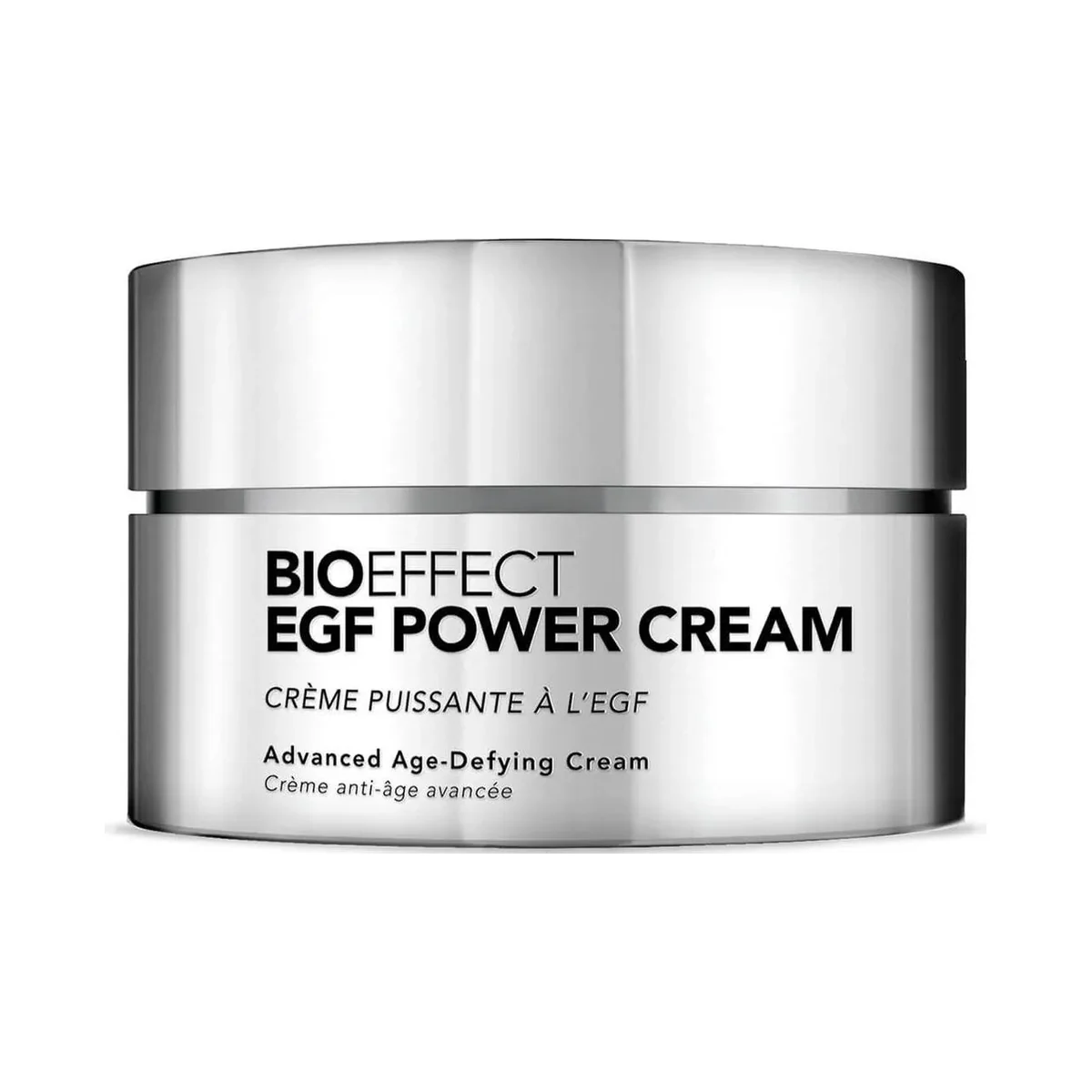 EGF + Niacinamide Power Cream
 EGF Power Cream
The more justifiable of Bioeffect's EGF products: it surrounds the barley-grown growth factor with genuinely proven actives — niacinamide, beta-glucan, antioxidants — in a nourishing, fragrance-free base. That makes it a substantive cream that does real work on tone and barrier, not just a hopeful EGF bet. It is still a luxury price, and the EGF efficacy remains debated, but unlike the bare serum, you are not paying purely for the growth factor.
Key Growth Factors · Niacinamide
 Vegan Growth Factor Cushion Cream
 Squalane + Growth Factor Firming Moisturizer
Biossance's Squalane + Growth Factor Firming Moisturizer combines biomimetic vegan growth factor (sh-polypeptide-76) with cyclic peptides, vegan collagen, 11-amino-acid framework, and brand-signature sugarcane squalane in fragrance-free cushion cream. 64 dollars for 50ml is reasonable indie luxury value for the bioengineering innovation.
Key Growth Factors · Squalane
 PDRN Recovery Cream
 PDRN 12% + EGF Peptide Cream
A genuinely well-built, fragrance-free recovery cream that stacks 12% PDRN and a three-peptide growth-factor complex with niacinamide, ceramides, and adenosine — engineered for post-procedure and sensitive skin at a budget price. The gentle formulation is its real strength; the caveats are an unproven new brand and the inherent limits of topical PDRN and growth factors versus their in-clinic counterparts.
Key PDRN · Growth Factors
 Growth-Factor Cream
 EGF Cream
A rich, nourishing anti-aging cream built around buzzy EGF (epidermal growth factor) — a real signaling protein, but with emerging skincare evidence, questionable topical penetration, and limited long-term data. Its most reliable benefits are actually the rich olive-and-shea base and the genuine vitamins A, C, and E; the EGF is a premium bet on promising-but-unproven science. At $80, it's a comfortable, interesting cream for the growth-factor-curious, but a retinoid does proven anti-aging for far less.
Key Growth Factors · Antioxidants
 Menopausal-Skin Specialist
 MGF Age Renewal Cream
PCA Skin built the MGF Age Renewal Cream for a demographic skincare long ignored: estrogen-depleted, menopausal skin that thins and loses collagen fast. The formula is genuinely loaded, with recombinant growth factors, a stack of signal peptides, wakame extract, ceramide-precursor lipids and antioxidants, and it is a rich, comfortable cream. But it is $161, the standout Micro Growth Factor penetration claims rest on the brand's own data, and it is a recent launch with little independent track record.
Key Growth Factors · Algae Extract
 Vegan Collagen Pioneer
 Polypeptide-121 Future Cream
An ambitiously formulated peptide moisturizer that pairs an innovative vegan collagen peptide with a supporting cast of tetrapeptides, ceramides, and niacinamide. The texture is luxurious without being impractical, and the formula is genuinely sophisticated — though the sixty-eight-dollar price tag requires faith in an ingredient with limited independent research.
Key Growth Factors · Ceramides
 Indie Goat Milk Anti-Aging Cream
 Milk RX Cream
Beekman 1802 indie brand anti-aging cream with goat milk signature platform + substantial 5-ceramide + cholesterol pool + Nicotiana Benthamiana hexapeptide + bifida ferment lysate + niacinamide + multi-emollient pool. Substantive multi-active loading especially the 5-ceramide depth. Milk-allergy + bergamot oil + multi-comedogenic emollients limit some demographics.
Key Goat Milk · Ceramides
 Peptide Powerhouse
 Protini Polypeptide Cream
A genuinely innovative nine-peptide moisturizer that combines growth factor analogs, copper peptide complex, and Matrixyl 3000 with amino acid building blocks in a lightweight, universally wearable gel-cream. The 'signal plus supply' formulation philosophy is smart science — but the premium price and emerging evidence base for several of its peptides keep it from being a slam dunk.
Key Matrixyl · Copper Peptides
 Clinical Growth Factor Cream
 Transformation Face Cream
A genuine multi-growth-factor cream with a real barrier-and-hydration backbone — niacinamide, ceramide NP, and sodium hyaluronate underneath the TGF-beta and thymosin beta-4 signaling actives. The formula is legitimate. The $144 price for 57 grams is the hard part: most of the practical anti-aging benefit is available from far cheaper peptide creams, and only growth-factor believers will feel the premium is earned.
Key Growth Factors · Peptides
 Peptide Firming Cream, Exosome Hype
 Essential Shock Revolution Pro-Exo Collagen Cream
Natura Bissé's Essential Shock Revolution Pro-Exo Collagen Cream is a genuinely well-formulated, nourishing, peptide-rich firming cream for mature and menopausal skin — dressed in a trendy 'pro-exosome' headline that overstates part of it. The real substance is solid: proven Matrixyl peptides, niacinamide, a rich amino-acid and NMF hydration complex, nourishing shea and fatty acids, a prebiotic, and a growth-factor-like biotech peptide genuinely hydrate, nourish, and support firmness appearance. The honest caveats: the 'pro-exo/exosome' framing rides a buzzword (no proven topical exosome benefit; it's a synthetic peptide), the collagen and elastin are hydrating not rebuilding, it contains fragrance, and at $165 it's a luxury price. But as a sophisticated peptide firming cream, it's a solid, thoughtful choice.
Key Peptides · Amino Acids
 Budget Peptide Powerhouse
 Radically Rejuvenating Whipped Night Cream
An ingredient deck that has no business being on a $25 jar — five growth factor analogs, a copper peptide, ferulic acid, marine ferment, marula oil, and a slow-release AHA. Not a luxury equivalent, but the most ambitious peptide formulation you can find in the drugstore tier.
Key Growth Factors · Copper Peptides
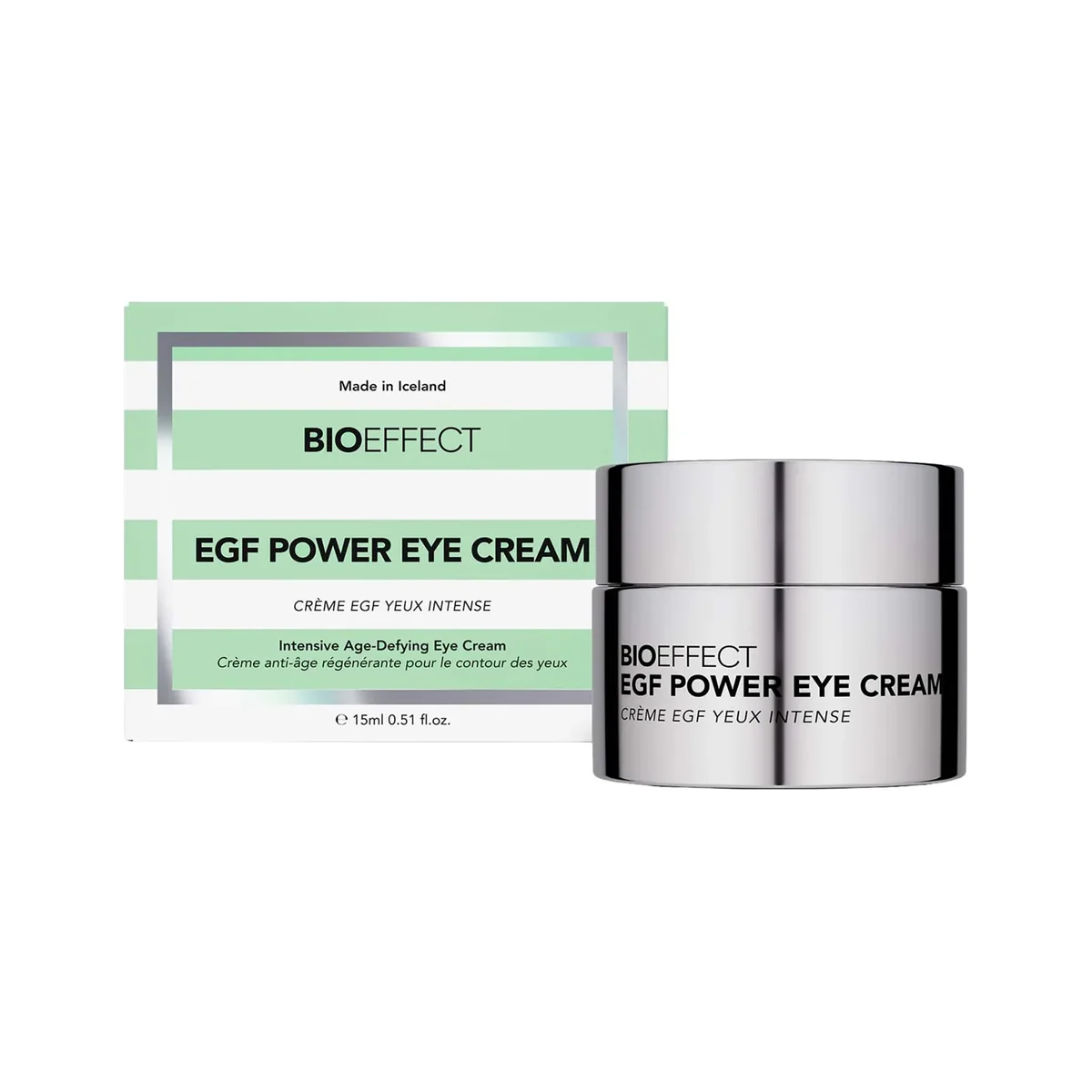 Loaded EGF + Bakuchiol Eye Cream
 EGF Power Eye Cream
The most genuinely loaded, evidence-backed product Bioeffect makes: an eye cream that surrounds its barley-EGF with proven actives — caffeine for puffiness, bakuchiol as a gentle retinol alternative, niacinamide and ceramides for tone and barrier. Here the growth factor is a bonus, not the whole pitch, so the cream earns its keep regardless of where you stand on EGF. The luxury price and a faint citrus-peel note are the main caveats.
Key Caffeine · Bakuchiol
 Made-to-Order KP Cream
 Urea7 Repair Cream
A gentle, fragrance-free 7 percent urea cream built on a fermented centella base that softens keratosis pilaris bumps over a few weeks without the sting of stronger formulas. The growth factors are decoration, the 80 gram tube is small for body use, and nearly thirty dollars imported is a lot for urea. For sensitive, mildly bumpy skin it is a nice option; for severe KP, stronger and cheaper urea exists.
Key Urea · Centella Asiatica
 Barrier-First Eye Treatment
 Barrier+ Triple Lipid Brightening Eye Cream
A genuinely thoughtful eye cream that treats the undereye area like the structurally distinct skin it actually is. The triple ceramide-cholesterol-phytosterol foundation addresses the root cause of undereye aging — barrier thinning — while caffeine and peptides handle the visible symptoms. Worth the premium for anyone serious about the long game around their eyes.
Key Ceramides · Niacinamide
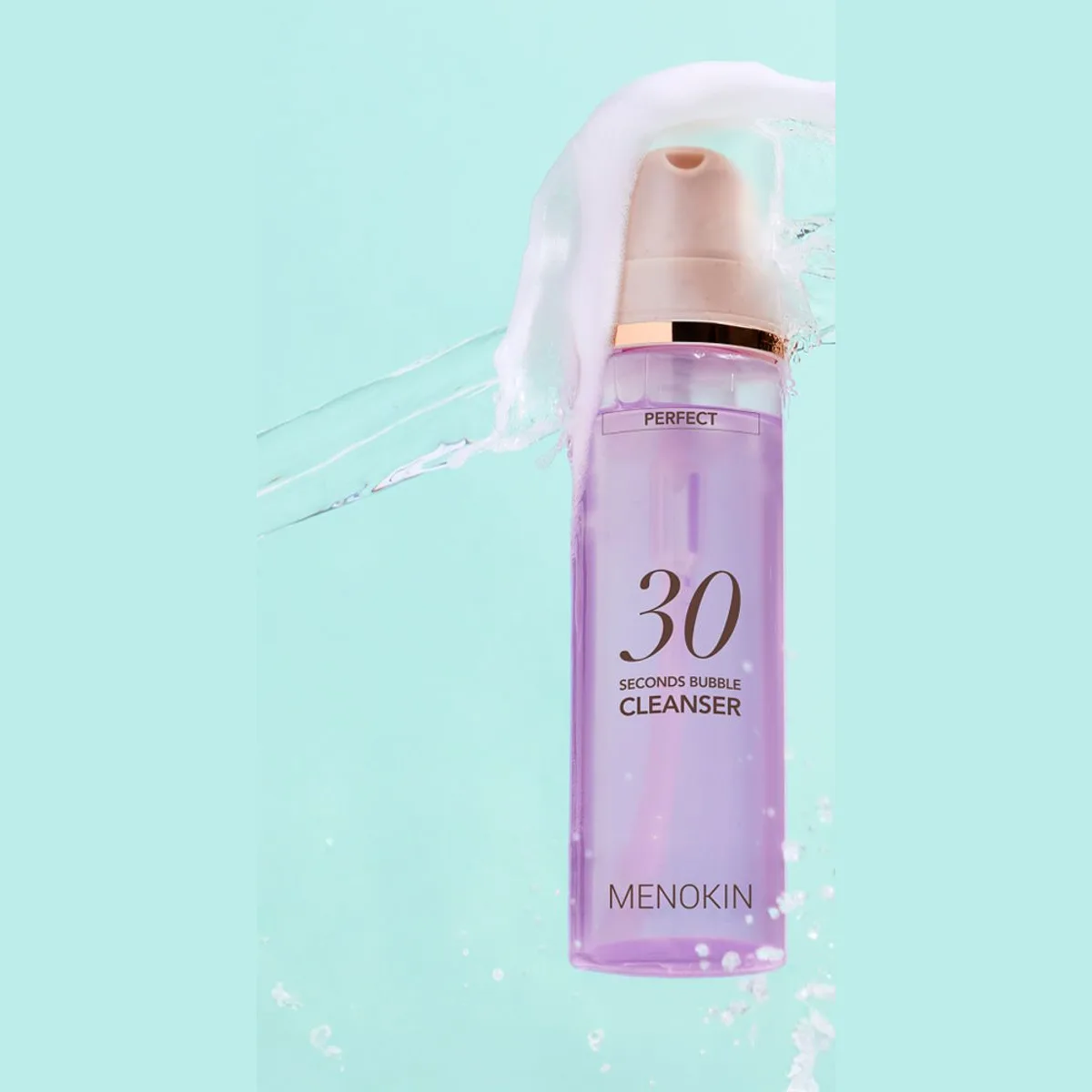 Gentle Everyday Pump Foam
 30 Seconds Bubble Cleanser Perfect
Perfect is the gentle all-rounder of MENOKIN's bubble cleansers: a fragrance-free pump foam that puts glycerin ahead of mild, sulfate-free surfactants and leaves skin soft rather than squeaky. It suits sensitive, dry and normal skin and works as an everyday or second cleanse. The peptides are window dressing, and it is not a makeup remover on its own.
Key Glycerin · Cleansing Surfactants
 Cult-Franchise Daily Sealer
 Snail Bee High Content Lotion
The lotion chapter of K-beauty's founding ingredient-first cult: snail secretion in literal first position, niacinamide and trace EGF and venom riding the franchise's eccentric arsenal, fragrance-free to Benton's standing discipline, twenty dollars. The bee-allergic are categorically excluded and the everything-soup invites audit anxiety — but as daily mark-fading hydration with a decade of receipts, the cult was always right about this line.
Key Snail Mucin · Bee Venom
 Blue Line Cooling Reset
 Blue EGF Calming Mist
A well-built bi-phase cooling mist that does what a calming spray should and most do not: a thin triglyceride-and-rosehip oil layer carrying a declared 300 ppm of guaiazulene shakes into a sugar-alcohol humectant water with allantoin, ectoin, madecassoside, bisabolol and zinc PCA, so hot, oily-dehydrated or freshly stressed skin is cooled, hydrated and settled without shine, sting or scent, for fifteen dollars. The EGF and FGF at five parts per million are the Blue line's badge on a format where they cannot work, and the honest reading is that the mist is excellent without them.
Key Azulene · Growth Factors
 Skin-Booster Trend, Topical Dose
 Multi PDRN Collagen EGF Serum
A gentle, fragrance-free, two-phase hydrating serum whose ceramide, sterol, centella and postbiotic backbone makes it a good calming layer for sensitive skin at twenty-five dollars. The three names on the front, PDRN at nine parts per billion, EGF at two parts per million and a trace of vegan collagen, are the Korean skin-booster trend in label form, and at those doses they are not why anyone's skin will look better.
Key PDRN · Growth Factors
 Big-Bottle Soothing Gel
 24K Snail Everywhere Repair Gel
A surprisingly likeable big-bottle soothing gel: fragrance-free, fast-absorbing, and built around a sensible core of snail filtrate, polyglutamic acid and centella for comfortable all-over hydration. The 24K gold and tail-end peptides are marketing more than function, but at 300ml for twenty dollars the value and versatility are genuinely good. A smart summer staple for skin that likes light hydration.
Key Snail Mucin · Polyglutamic Acid
 Pure Calm Pad
 Blue Calming Toner Pads
A toner pad with the discipline to do one thing — a purely calming, purely hydrating pad with no exfoliating acids, built on guaiazulene, a full centella complex and a 13-form hyaluronic acid blend, fragrance-free. Genuinely gentle, safe for twice-daily use, and a sound, well-priced comfort step for reactive skin.
Key Guaiazulene · Centella Asiatica
 Peptide Powerhouse
 Multi Peptides & GF Advanced Lifting Serum
A genuinely impressive peptide flagship from Allies of Skin that stacks more than ten peptides and lab-synthesized growth factors into a single serum. Results are subtle but real over 2-3 months, and the soothing, fragrance-free base keeps it wearable for most skin types. The price is the only real sticking point.
Key Matrixyl · Growth Factors
 K-Beauty Growth Factor Pick
 Blue Youth Activating Drop
Klairs Blue Youth Activating Drop is the brand's flagship anti-aging ampoule combining EGF and FGF at 10ppm each (the highest concentrations allowed by Korean MFDS), guaiazulene for calming, adenosine for documented anti-aging action, and blueberry for antioxidant support. Fragrance-free, alcohol-free, vegan, and cruelty-free. At 39 dollars for 20ml, this is one of the best-formulated K-beauty growth factor serums.
Key Growth Factors · Guaiazulene
 EGF Peptide Ampoule
 EGF Crystal 10 PPM Origin
A short, fragrance-free and oil-free ampoule that pairs EGF with a generous hyaluronic acid dose and three peptides at meaningful positions, leaving skin plump and smooth. It is gentle and well built; the thin evidence for topical EGF, bee venom for allergy-prone users and uncertain US pricing are the main caveats.
Key Growth Factors · Hyaluronic Acid
 Minimalist Growth-Factor Ampoule
 Min Jung Gi Fibroblast Anti-Wrinkle Ampoule
A study in minimalist restraint: six ingredients, a recombinant fibroblast growth factor dosed at 20ppm, and a proven adenosine anti-wrinkle active in a near-inert, fragrance-free base. It is exceptionally gentle and admirably transparent, but you are paying a premium partly for a growth-factor mechanism whose topical anti-aging evidence is still genuinely contested — the adenosine is the part doing the dependable work.
Key Growth Factors · Adenosine
 Gentle Acne Healer
 AC Collection Blemish Spot Clearing Serum
This propolis-first serum takes the road less traveled in acne care — healing and calming instead of stripping and exfoliating. With 4% niacinamide, centella triterpenoids, and EGF supporting the propolis, it's a thoughtful formula for sensitive acne-prone skin that's tired of being punished by harsh treatments. Just know that gentle means gradual — this is a marathon runner, not a sprinter.
Key Propolis · Niacinamide
 The Original Growth Factor Serum
 TNS Recovery Complex
The serum that invented growth-factor skincare, ninety-four percent human fibroblast conditioned medium with a founder's biopsy study and twenty-seven years of loyal use behind it, now relabelled around the exosomes it has always contained. It smooths texture and softens fine lines modestly over three months and helps treated skin settle; it smells of the culture it came from, carries six fragrance allergens it did not need, and costs two hundred and thirty dollars an ounce, which no amount of history makes cheap.
Key Growth Factors · Glycerin
 Indie Goat Milk Dual Eye Treatment
 Milk RX Advanced Better Aging Dual Eye Treatments
Beekman 1802 indie brand dual-application eye treatment combining goat milk + Nicotiana Benthamiana hexapeptide + tetrapeptide-1 + tripeptide-29 + 5-ceramide pool + bifida ferment lysate + niacinamide + multi-component supporting matrix. Substantive multi-active loading especially in the eye serum. Dual eyelid + under-eye application format is distinctive. Goat milk excludes vegan + milk-allergy routines.
Key Goat Milk · Growth Factors
 Ferment-Dupe Eye Staple
 Fermentation Eye Cream
Double ferments in the first two positions, ceramide-lipid sealing, trace EGF romance, tube hygiene, no fragrance — the prestige ferment eye cream's architecture printed honestly at twenty-two dollars. It conditions crepe and civilizes concealer on the weeks-tier schedule all competent rich creams keep, restructures nothing as none do, and asks only a nut-and-lichen allergy read at the door. The forum-era dupe argument, eight years on, still closes.
Key Galactomyces Ferment Filtrate · Probiotics & Prebiotics
The full growth factors (egf) guide
Growth factors are signaling proteins that tell skin cells when to multiply, move and build structural proteins like collagen.
The one most often seen in skincare is epidermal growth factor, made by biotech methods and listed on labels as sh-Oligopeptide-1 or rh-Oligopeptide-1. Skin makes less of its own growth factors as the years pass, and these products aim to top that supply back up. The catch is size: the proteins are large, so getting them past the skin's surface is a real hurdle. They're most at home around in-office procedures like microneedling.
Where the evidence stands, by concern
Evidence for an ingredient is not one grade — it differs concern by concern. Each row below was researched separately against regulatory approvals, clinical guidelines, and trials our team opened and verified; the band and dots rank how central growth factors (egf) is to treating that concern, from first-line therapy down to supportive care, at treatment-level doses and vehicles. A product's own grade weighs its actual formula.
Researched, not established: Aging. We looked at this concern and the current evidence does not clear our bar for a treatment standing — that is a finding, not a gap in our research.
How it's regulated in the US
FDA does not classify ingredients — it classifies products, by what they are sold to do. The same molecule can be a drug active in one product and a cosmetic ingredient in the next, and only the claim on the label decides which. What follows is a statement about that legal standing, not about whether it works — the evidence question is answered separately above.
Cosmetic Growth Factors (EGF) is a cosmetic ingredient in the US: no OTC monograph covers it and it is not an active in any FDA-approved drug, so a product built around it is a cosmetic rather than a drug.
Growth factors lead a double life in the science, split between wound care and cosmetics. Medical work looks at how lab-made growth factors help skin close and resurface after burns, ulcers and procedures like laser. Cosmetic studies ask whether serums change texture and the look of lines, and reviews of that work point to small, varied studies, often without a comparison group. The biggest open question is delivery: these proteins are far larger than what normally passes through intact skin, so researchers are testing carriers and pairing them with microneedling. How the aging question looks right now is laid out in the evidence panel below.
How it works
These proteins dock onto specific receptors on keratinocytes and fibroblasts and set off a chain of intracellular signaling that drives cell proliferation, migration, and the build-out of collagen, elastin, and extracellular matrix. EGF in particular binds the EGF receptor (EGFR), a tyrosine kinase, which switches on synthesis of the structural proteins that thin out with age and UV exposure. Native EGF levels fall over time and receptor responsiveness drops alongside them, which is what makes topping the supply back up an appealing idea on paper. The catch is delivery. Native EGF weighs over 6,000 Da, far above the roughly 500 Da ceiling usually cited for meaningful passage through an intact stratum corneum, so most of what reaches living cells likely arrives through hair follicles and sweat glands rather than straight across the surface. Formulators lean on nanoemulsions, liposomal encapsulation, and transfersome-style carriers to improve uptake in lab models, and intradermal routes such as microneedling or mesotherapy outperform surface application by physically bypassing that barrier. Unsurprisingly, EGF paired with microneedling — where the channels do the penetration work — shows the most consistent results in the literature, which tells you the vehicle and the application method matter at least as much as how much protein is in the bottle.
Key benefits
- Comforts skin in the days after laser or microneedling
- A gentle option for skin that can't tolerate retinoids
- Helps skin look smoother and more refreshed over time
- A low-irritation pick for reactive, easily upset skin
- Pairs naturally with in-office skin procedures
Concentration & usage
Cosmetic brands rarely disclose growth factor concentrations, but the wound-healing literature has worked with rhEGF in the 0.001%–0.01% range — nanogram-to-microgram quantities, so high percentages are neither expected nor necessary. On the label, sh-Oligopeptide-1 and rh-Oligopeptide-1 are the EGF identifiers; both denote biotech-derived versions made in microbial or plant hosts. Placement is telling — an oligopeptide sitting near the end of the list is present in trace amounts. Because of the penetration problem, the delivery system can outweigh nominal strength: a well-built liposomal or nanoemulsion serum may get more active to living cells than a richer cream with a higher number on paper. One formulation note worth respecting — EGF is sensitive in acidic conditions, so products are usually buffered near physiological pH (about 6.5–7.5); avoid stacking it immediately over low-pH acids before your skin's surface pH has had time to recover.
Who it's for & who should be cautious
Who it's for
This suits anyone working on long-game firmness, lingering dullness, or uneven texture that other actives haven't fully resolved. It's an especially logical pick around in-office procedures — laser, peels, microneedling — where speeding recovery is the priority. And for reactive skin that can't make peace with retinoids or strong acids, an EGF-based product is often a calmer way to dip into cell-renewal territory without the sting.
Who should be cautious
Anyone with a current or past cancer diagnosis — particularly epithelial or hormone-sensitive types — should clear growth factor products with their oncologist first; no study has tied topical cosmetic EGF to cancer in healthy skin, but the EGFR pathway is clinically meaningful in oncology, so caution is reasonable. Pregnant and breastfeeding people should check with their provider given the thin safety data in those groups. And skin with an active infection, an open wound outside a supervised post-procedure setting, or a badly compromised barrier is better stabilized before adding growth factor signaling into the mix.
Pairs with & conflicts
Pairs well with: Hyaluronic Acid, Ceramides, Peptides, Panthenol (Pro-Vitamin B5), Niacinamide (Vitamin B3), Centella Asiatica (Cica), Glycerin, Copper Peptides (GHK-Cu), Snail Mucin (Snail Secretion Filtrate), Exosomes, PDRN (Polydeoxyribonucleotide)
Use with care alongside: Alpha Hydroxy Acids (AHA), Salicylic Acid (BHA), Vitamin C (L-Ascorbic Acid), Retinol, Azelaic Acid, Benzoyl Peroxide
Myths & facts
Myth: EGF can cause cancer because EGFR drives some tumors
Reality: The EGF receptor pathway is implicated in certain cancers, but topical cosmetic EGF has not been shown to cause cancer in healthy skin in published safety reviews. The genuine caution is about using these products if you already have a cancer diagnosis — where derms and oncologists advise checking first — not a reason for the general population to avoid them.
Myth: Applying growth factors topically works the same as injecting them
Reality: Route changes everything. Intradermal delivery via microneedling or mesotherapy consistently beats surface application in studies because it bypasses the stratum corneum, while a serum on intact skin runs into a real molecular-weight barrier that caps how much active protein ever reaches fibroblasts and keratinocytes.
Myth: EGF is the new retinol — a straight swap for retinoids
Reality: They run on different pathways and carry very different evidence. Retinoids have decades of rigorous trials; growth factors have smaller, less standardized data. EGF can be a gentler partner for skin that can't handle retinoid irritation, but framing it as a replacement oversells where the science currently stands.
Frequently asked questions
How soon might an EGF serum show results?
Most clinical studies run 8–12 weeks and report measurable, if modest, gains in texture and fine lines within that window. Improved skin feel and radiance often show up around the 4-week mark, while any structural collagen change takes longer. Expect gradual regeneration rather than a dramatic before-and-after.
Can EGF and retinol share a routine?
They can coexist, just not necessarily in the same layer at the same minute. EGF dislikes acidic, disrupted surfaces, so a clean approach is vitamin C in the morning, retinol at night, and the EGF product applied once the retinol has absorbed or on the off-nights. If retinol is leaving skin raw, layering an EGF moisturizer that same evening can help support recovery.
What does sh-Oligopeptide-1 on the label mean — is it actually EGF?
Yes. sh-Oligopeptide-1 is the INCI name for biotech-derived EGF, with 'sh' signaling a synthesis route that reproduces the human protein sequence using plant or microbial hosts. The closely related rh-Oligopeptide-1 denotes recombinant human EGF made by bacterial or plant fermentation. Both are built to mimic the body's own epidermal growth factor.
Is EGF a sensible choice for easily irritated skin?
Usually, yes — it has a low irritation profile and doesn't exfoliate or sensitize the way acids and retinoids can, and trials generally report few adverse events. The two things to watch: don't apply it straight over freshly laid low-pH actives, which can destabilize the protein, and patch-test any new product, especially blends that combine growth factors with several other actives.
Does microneedling really make a growth factor serum work better?
Meaningfully so. The stratum corneum is a genuine size barrier for EGF, and microneedling opens channels that let the protein reach the viable epidermis and upper dermis where its receptors live. The literature repeatedly shows intradermal delivery beating surface-only application for fine lines and laxity, which is exactly why so many clinics apply these serums right after needling.
How do plant- or fermentation-derived growth factors differ from human-cell-derived ones?
At the level of the target molecule they aim to be functionally equivalent, both reproducing the human EGF sequence. Human-cell-derived versions (from conditioned media of cultured cells) can carry a broader secretome of cytokines and growth factors, which some researchers count as a plus. Plant or bacterial fermentation yields a cleaner single-protein product and sidesteps the ethical and endotoxin-contamination concerns tied to cell-culture material.
- Anti-Aging'Regenerative' Serums: Growth Factors, Exosomes, and PDRN Meet the 500-Dalton WallThe language of regenerative medicine has flooded the serum aisle — but most of these molecules are far too big to get through intact skin, and the fine print knows it.
- Regenerative AestheticsPRF vs PRP: Why the 'Vampire Facial' Quietly Got an UpgradePlatelet-rich fibrin is the newer, additive-free cousin of the blood-based facial that built the hype. The improvement is real, but smaller than the marketing suggests.