Mineral Oil (Paraffinum Liquidum)
Products with Mineral Oil (Paraffinum Liquidum)
 Flare Spot-Treatment Standard
 Eczema Relief Flare-Up Treatment
A thick, targeted flare cream that does the two things a cracked eczema patch needs, calm it and seal it, with a monograph oatmeal active, licochalcone A and a ceramide inside a mineral-and-castor-oil film, plus a menthol derivative for instant cooling. It is greasy by design, meant for patches rather than limbs, and it will not replace a steroid on a serious flare, but for the everyday cracked knuckle or itchy elbow it is one of the most dependable tubes in the drugstore.
Key Colloidal Oatmeal · Ceramides
 Drugstore Itch Reliever
 Skin Calming Cream
A long-standing colloidal oatmeal body cream that does exactly what its name promises — calms itchy, irritated, dry skin at a drugstore price. Not a substitute for medicated eczema treatments, but as a daily soothing moisturizer for general sensitive skin, it earns its dermatologist endorsement.
Key Colloidal Oatmeal · Glycerin
 Keratosis Pilaris Pick
 Intensive Repair Lotion
One of the rare drugstore body lotions that combines clinical-grade alpha hydroxy acid exfoliation (lactic acid + sodium lactate) with urea 5% and substantial mineral oil occlusion — at $13-15 for nearly 17 oz, the per-ounce value is among the best in derm-recommended skincare. The dermatologist's go-to for keratosis pilaris, very dry body skin, and rough flaky patches that simple moisturizers can't resolve.
Key Lactic Acid · Urea
 Big-Jar Dry Skin Rescue
 Collagen Body Cream
Ignore the word collagen and this is a fragrance-free, mineral-oil-and-glycerin body cream that rescues very dry skin for pocket money and lasts half a year. The collagen is a surface film, the firming is hydration, and the only real caution is an IPBC preservative; for dry arms, legs and hands it is one of the best-value jars on the shelf.
Key Mineral Oil · Hydrolyzed Collagen
 Dry Skin Workhorse
 Ultra Hydrating Body Cream
A no-frills, pharmaceutical-grade body cream that takes the fight to extreme dryness with 15% lactic acid and a heavy occlusive seal. It's not glamorous, it's not Instagram-worthy, and it smells faintly of pancakes — but it works, and it has nearly four decades of dermatological credibility to prove it.
Key Lactic Acid · Petrolatum
 Hygienic Slugging & Aftercare Tool
 Healing Ointment with Touch-Free Applicator
The legendary Aquaphor Healing Ointment, unchanged, in a hygienic roll-on applicator that lets you seal wounds, tattoos, and post-procedure skin without touching the product. The petrolatum-glycerin-panthenol formula remains a gold-standard occlusive for barrier repair. You pay a per-ounce premium for the no-touch convenience, and lanolin-sensitive users should still steer clear, but the format genuinely earns its place for aftercare.
Key Petrolatum · Mineral Oil
 Boring on Purpose
 Atoderm Lip Balm
A plain, unflavoured, unfragranced occlusive balm — mineral oil, microcrystalline wax and volatile silicones with shea, soybean sterols and avocado oil on top — that stops cracked lips stinging in minutes and has them smooth within a week. It has no gimmicks, no SPF and no surprises, and at $12 for 15 ml it costs more than a drugstore stick; for eczema-prone or perpetually split lips it is worth every cent.
Key Mineral Oil · Dimethicone
 Cracked-Skin Daily Repair
 Cracked Skin Repair Lotion
A solid, no-nonsense repair lotion for very dry, cracked skin — a dimethicone skin-protectant active plus mineral oil to seal, and urea and lactate humectants to hydrate and prevent re-cracking. It genuinely works, the 16oz bottle is excellent value, and the formula is effective if basic, with parabens and a dated ingredient set.
Key Dimethicone · Mineral Oil
 Dry-Skin Emulsion Pick
 Moisturizing Emulsion
The richer, more protective half of Chifure's classic emulsion duo — a mineral-oil-and-beeswax seal with a solid glycerin dose that genuinely nourishes dry skin, all fragrance-free and near-cost. It's the winter and dry-skin pick, and quietly gentler than the Light version since it drops the lanolin and alcohol. Too rich for oily skin, and it uses beeswax and parabens.
Key Glycerin · Mineral Oil
 Acne-Treatment Rescue Cream
 Keracnyl Repair Cream
A purpose-built rescue cream for the dryness, flaking, and itch that retinoids and benzoyl peroxide leave behind. Fragrance-free, richly emollient, and very gentle, it does one job — keeping medicated skin comfortable enough to stay on treatment — and does it reliably. Too heavy for oily zones and a touch plain, but exactly right for its mission.
Key Glycerin · Shea Butter
 Backside Barrier Spray
 Aquaphor Ointment Body Spray
The classic Aquaphor Healing Ointment formulation — 41% petrolatum, mineral oil, panthenol, lanolin alcohol — in an aerosol can that solves the practical problem of applying ointment to hard-to-reach body areas. The format is the innovation; the underlying formulation has been a dermatology-office staple for decades.
Key Petrolatum · Mineral Oil
 Century-Old Skincare Standard
 Original Healing Cream
The 125-year-old foundational Eucerin product — a deliberately simple seven-ingredient occlusive cream descended directly from the original 1900 Eucerit emulsion. Petrolatum and mineral oil at high positions, lanolin alcohol for substantive feel, fragrance-free and gentle for sensitive compromised skin. The kind of product that newer 'clean-beauty' alternatives can't replicate without sacrificing the substantive occlusive effect that's the entire point.
Key Petrolatum · Mineral Oil
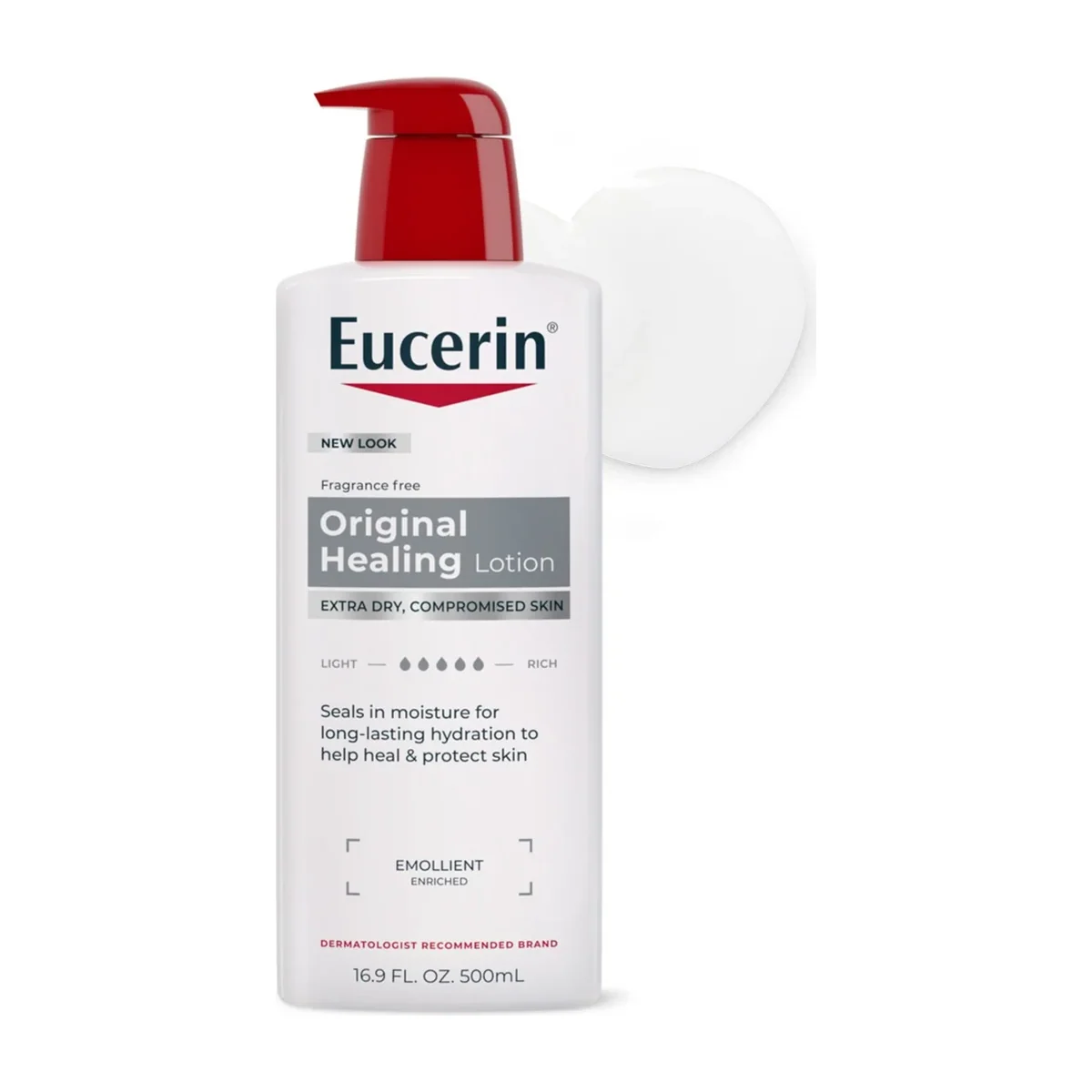 Daily Driver Body Lotion
 Original Healing Lotion
Eucerin's daily-use body lotion counterpart to the Original Healing Cream — same century-old heritage formulation philosophy in a lighter texture appropriate for whole-body application. Mineral oil and lanolin-alcohol-based emollient lotion with sorbitol and propylene glycol humectants. Exceptional drugstore pricing for clinical-grade body lotion; same lanolin allergen consideration as the Cream.
Key Mineral Oil · Sorbitol
 Sofa-Night Heel Softener
 I'm Lovely Peach Foot Mask
The better of TONYMOLY's two peach sheet masks, because urea in fifth place gives these booties something the hand version lacks: a real softening action on heel skin that twenty minutes of occlusion amplifies. No peeling, no shedding, just smoother feet for a day or two. The peach is scent, the ingredient declaration is oddly truncated, and singles are pricey, but as a weekly sofa-night treat it works.
Key Urea · Glycerin
 Jumbo Jar Basic
 Aloe Vera Body Cream
A pound of perfectly competent mineral-oil-and-glycerin body cream for sixteen dollars, with aloe, olive oil and a light fragrance layered over a base that does the actual moisturizing. It softens dry skin quickly, lasts for months and has two thousand happy Amazon reviewers behind it. It is not the aloe gel its name evokes, the fragrance carries five declared allergens, and it is the wrong choice for eczema or acne-prone skin.
Key Mineral Oil · Aloe Vera
 Scented Jumbo Jar
 Bulgarian Rose Body Cream
A pound of silky, convincingly rose-scented mineral-oil body cream for sixteen dollars, and three thousand reviewers are right that it is a pleasure to use. The anti-aging framing is unsupported by anything above position twenty on the list, the rose extract sits below the preservatives, and the fragrance carries three declared allergens. Buy it as a scented basic; do not buy it as a treatment.
Key Rose Water · Mineral Oil
 The Original Jumbo Jar
 Coconut Oil Body Cream
The original Advanced Clinicals jar, and still the most sensible: coconut oil high enough to share the occlusive work with mineral oil, a glycerin core, a short list and fifteen thousand ratings behind it. It moisturizes dry legs and arms well for about a dollar an ounce. Fragrance, lavender and two pore-cloggers near the top mean it is not for sensitive, eczema-prone or acne-prone skin, and the natural framing overstates what is a good conventional cream.
Key Coconut Oil · Mineral Oil
 Budget Heel Rescue
 Cracked Heel Foot Cream
A properly built keratolytic foot cream — urea and lactic acid above the shea on the list, mineral oil to seal it — sold by the half-pound for about $13. It softens cracked heels in a few nights under socks and outperforms most foot creams costing twice as much. The fragrance and the undisclosed urea percentage are the only reasons to hesitate.
Key Urea · Lactic Acid
 Cellulite-Claim Jumbo Jar
 Green Coffee Bean Oil Body Cream
A competent mineral-oil-and-glycerin body moisturizer wearing a cellulite claim it cannot support: the coffee seed oil is eleventh, nothing warms, and the taut feel is a collagen film drying on hydrated skin. Five thousand reviewers give it the lowest rating in the brand's range because they tested the promise. As a scented, tinted basic body cream for seventeen dollars it is fine; as a firming treatment it is not.
Key Plant & Seed Oils · Mineral Oil
 Hyaluronic Cream for Thirsty Legs
 Hyaluronic Acid Body Cream
A hyaluronic product designed for how body skin actually loses water: hyaluronate and panthenol sealed under mineral oil, coconut oil and shea, with squalane and a whisper of polyhydroxy acid thrown in. It is rich, effective on dry legs and arms, and costs about a dollar an ounce; fragrance and comedogenic oils are the only reasons to hesitate.
Key Hyaluronic Acid · Mineral Oil
 Winter Rescue Jar
 Manuka Honey Body Cream
The heavy-duty jar in the Advanced Clinicals range and the best-reviewed of them, with honey placed high, beeswax doubling the occlusive seal and a base that rescues cracked winter skin for sixteen dollars a pound. The honey is not identified as manuka, the collagen is surface decoration, and the fragrance, rose, chamomile and iodopropynyl butylcarbamate rule it out for sensitive skin. For tolerant dry skin in a cold month, it is the one to buy.
Key Honey · Mineral Oil
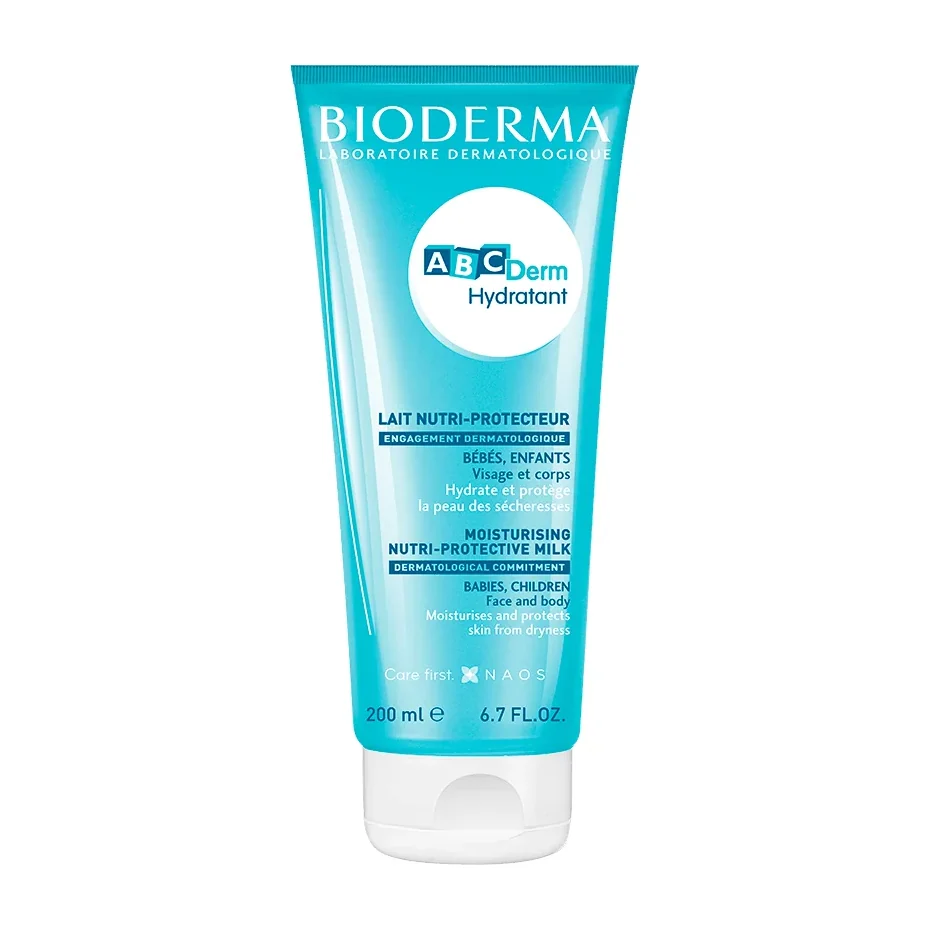 Ceramides for the Cot
 ABCDerm Moisturizing Milk
A better infant lotion than its gentle blue tube lets on — three ceramides, cholesterol and phytosphingosine in a lamellar base, light enough to absorb before the sleepsuit goes on, at six cents a millilitre in the pump size. The fragrance at ninth position, above every one of those ceramides, is the single reason it is not the automatic recommendation for eczema-prone babies.
Key Ceramides · Mineral Oil
 Iconic Body Milk
 Lait Corporel Anti-Drying Body Milk
A genuine icon: a light, fast-absorbing body milk with a beloved orange-and-grapefruit scent that has moisturized skin effectively for nearly four decades. It hydrates well and feels lovely, but that signature citrus fragrance is also its biggest liability, packed with sensitizers that make it a poor choice for sensitive or reactive skin.
Key Glycerin · Mineral Oil
 Everyday Eight Hour Lotion
 Eight Hour Daily Hydrating Body Lotion
A properly made everyday body lotion, glycerin and mineral oil doing the work with shea, beta-glucan and panthenol in support, that absorbs in a minute and keeps normal-to-dry skin soft all day. Its problem is the perfume: eight declared allergens plus bergamot, lemon and orange peel oils in a lotion applied over the whole body twice daily is a lot to ask of skin, and $45 for a pump of it is Eight Hour money for a formula a pharmacy brand would sell for a third. Good lotion, loud scent, luxury price.
Key Glycerin · Mineral Oil
 Pocket Horse-Oil Hand Saver
 Mayu Hand Cream
A cheap, pocket-sized hand cream that works for the most traditional reasons: glycerin draws water in, while mineral oil, stearic acid and beeswax seal it there. The horse oil gives the tube its identity and a softer feel, but it is a supporting ingredient rather than the star. Added fragrance keeps it off the list for eczema-prone hands.
Key Glycerin · Mineral Oil
 Nourishing Ferment Face Cream
 Rice & Bifida Complexion Cream
A richly nourishing rice-and-ferment face cream that pairs a proven mineral-oil occlusive base with niacinamide for gradual brightening, a real disclosed ferment complex for soothing, and multi-weight hyaluronic acid for hydration. At around fourteen dollars it is a comforting, effective moisturizer for dry and normal skin — but the heavy occlusive base and fragrance make it the wrong pick for oily, acne-prone, or sensitive skin.
Key Niacinamide · Probiotics & Prebiotics
 Drugstore Fragrance-Free Hydration MVP
 Hatomugi Skin Conditioning Milk
The emulsion step that completes Naturie's cult Hatomugi routine — genuinely fragrance-free, generously sized, and priced at the kind of drugstore tier that makes daily repurchase guilt-free. The mineral-oil-and-glycerin architecture is competent rather than sophisticated, but for hydration-focused users who want a hatomugi-line moisturizer without prestige markup, this delivers exactly what the name promises.
Key Glycerin · Mineral Oil
 Rich Barrier Cream for Dry Skin
 Moringa Ceramide Collagen Enriched Moisturizer
A rich, affordable occlusive cream that does an honest, unglamorous job well: sealing and repairing dry skin. Behind the mineral-oil base sit genuine ceramide and phytosphingosine barrier ingredients, with moringa oil, shea and centella for nourishment and comfort. The catches are straightforward — the 'collagen enriched' headline is a token 98ppm, it contains fragrance, and the rich formula is too heavy for oily or fungal-acne-prone skin.
Key Mineral Oil · Ceramides
 Shower Shortcut Moisturizer
 Wet Skin Moisturizer with Coconut Oil
A clever in-shower moisturizer that leverages sound dermatological science — apply to wet skin to lock in moisture — at a drugstore price. The formula itself is basic, and the parabens and fragrance are notable downsides, but the convenience factor alone makes this worth trying for anyone who consistently skips body lotion.
Key Coconut Oil · Glycerin
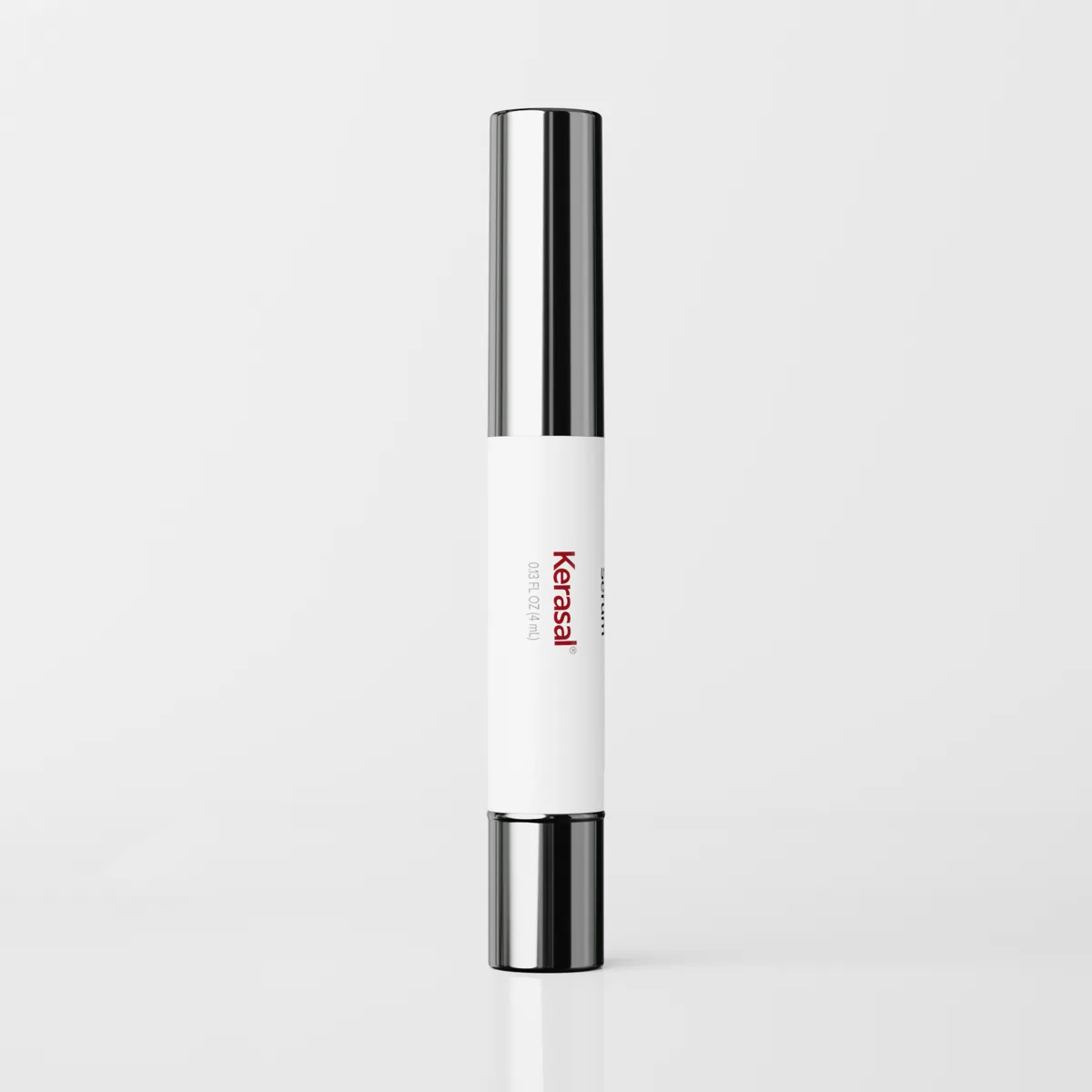 Desk-Drawer Convenience
 Cuticle Cure
A tidy, pocketable occlusive pen that keeps cuticles pliable and stops hangnails catching — genuinely useful, genuinely conventional. The marketing sells vitamin C and celery seed science; the ingredient list is mineral oil, esters and a heavy fragrance load. Buy it for the format and the barrier effect, not for the botany, and skip it entirely if your hands react to scent.
Key Mineral Oil · Emollient Esters
 The Luxury Skincare Icon
 Crème de la Mer Moisturizing Cream
An unmatched sensory experience wrapped around a remarkably simple formula. Crème de la Mer delivers genuine, deep moisturization through old-school occlusives, but the gulf between its ingredient list and its price tag is the widest in skincare. Your dry skin will love it. Your wallet will need therapy.
Key Algae Extract · Mineral Oil
 Luxe Body Nourisher
 Nutrix Royal Body Butter
A genuinely rich, well-built body butter that nourishes very dry skin with a generous squalane-and-shea base and absorbs better than its thickness suggests. It's a step above typical drugstore butters in feel, but fragrance, parabens and a luxury price for body care temper the appeal. A nice treat for dry-skinned people who want their body care to feel special.
Key Squalane · Shea Butter
 Salon Post-Shave Lotion
 After Shave Moisturizer
A light mineral oil and glycerin lotion with allantoin at a working position that takes the sting out of a fresh shave within a minute or two and moisturises the jaw without grease, which the small review record confirms. It then applies a lavender-citrus fragrance with five declared allergens, two dyes and a formaldehyde-releasing preservative to skin a blade has just opened, adds comedogenic esters for a product used on the beard line, and charges eighteen dollars for two ounces; a competent post-shave moisturiser for resilient, non-oily skin, and an easy one to beat.
Key Allantoin · Mineral Oil
 Salon-Era Lactic Lotion
 Buttermilk Moisturizer
A light, silky salon-era lotion of isopropyl myristate and mineral oil with an undeclared, neutralised lactic acid for its resurfacing story, finished with a sweet fragrance, two parabens, a quaternary preservative and two dyes. It feels lovely on dry, resilient skin and smooths mildly over weeks; the myristate makes it a bad bet for congestion-prone faces and the tail rules out sensitive ones. Pleasant, dated, and easy to outdo.
Key Lactic Acid · Emollient Esters
 Unscented Cellufirm Cream
 Cellufirm Moisturizer
A comfortable, fragrance-free mineral oil, myristate and squalane cream that hydrates dry skin well and sets velvety, carrying the same unproven peptide and 1980s surface proteins as its serum sibling for a firming claim it cannot support. The lack of scent makes it one of the more tolerable old creams in the range; the myristate rules out congestion-prone skin, and a formaldehyde releaser, parabens, borax and three dyes date it. Buy it for the feel, not the firming.
Key Squalane · Mineral Oil
 Balmy Herbal Eye Cream
 Ceramide Herbal Eye Cream
A balmy mineral oil, rosehip, safflower and petrolatum eye cream with silicones for slip that softens dry, crepey under-eyes overnight and costs twenty dollars, sold on ceramides that are a trace of glycolipids and a herbal name that is a trace of eyebright. The rosehip is a thoughtful touch and the comfort is real; a fragrance and a formaldehyde releaser in an eyelid product are the wrong decisions, and they cost it the sensitive skin it would otherwise suit.
Key Rosehip Oil · Mineral Oil
 Eight-Dollar Handbag Staple
 Rose Hand Cream With Vitamin E
An eight-dollar rose-scented tube of the brand's oldest hand cream, mineral oil, corn oil and wheat germ oil under a fast-absorbing emulsion with vitamin E acetate placed fifth, that leaves hands soft and dry to the touch in two minutes and keeps them that way through a day of washing. The rose is a real charm and carries five declared fragrance allergens onto hands that are often already cracked, the vitamin A is a trace for the label, and a heavier balm does more for badly split knuckles; as a handbag staple for ordinary dry hands it is hard to beat at the price.
Key Vitamin E · Mineral Oil
 Drugstore Dry-Skin Staple
 Cocoa Butter Body Lotion
A nostalgic, sweet-smelling drugstore body lotion that does exactly what a good emollient should: hydrate dry skin and lock it in for under ten dollars. The cocoa butter is more scent than substance and the fragrance plus parabens rule it out for sensitive skin, but as an everyday body moisturizer it is excellent value.
Key Cocoa Butter · Glycerin
 Everyday Drugstore Staple
 Original Moisture Body Lotion with Vitamin E
An honest, cheap, do-the-job daily body lotion that leans on mineral oil and glycerin with a vitamin E flourish. It softens normal-to-dry skin without grease and costs almost nothing, but the fragrance, parabens, and dated formula mean it's a maintenance lotion, not a treatment.
Key Vitamin E · Mineral Oil
 International Dry Skin Classic
 Rich Nourishing Body Lotion
The international sibling of Nivea's US Essentially Enriched, distinguished by glyceryl glucoside — an ingredient that activates the skin's own moisture transport channels rather than just applying hydration topically. A genuinely effective dry skin treatment from a brand with 110+ years of emollient expertise, though the fragrance allergen load and import pricing make the domestic equivalent a more practical choice for most US consumers.
Key Humectants · Glycerin
 Lightweight Shea Pick
 Shea Nourish Body Lotion
A shea-butter body lotion engineered to feel light: it pairs shea with glycerin and hyaluronic acid for real hydration, then keeps the texture fast-absorbing and non-greasy. Paraben-free and great value, though the fragrance and mineral-oil base mean it is not for sensitive skin or facial use.
Key Shea Butter · Glycerin
 Pocket-Sized Moisture Icon
 Cocoa Butter Swivel Stick
A gloriously simple, oversized cocoa butter stick that costs less than a coffee and does more than most products ten times its price. The ten-ingredient formula is pure pragmatism — cocoa butter, mineral oil, vitamin E, and a wax base that glides on anything dry and makes it better.
Key Cocoa Butter · Mineral Oil
 Generational Dry Skin Staple
 Dry Skin Cream
Pond's Dry Skin Cream is the kind of product that makes you question whether the skincare industry needed to get complicated at all. An 80-year-old formula of petrolatum, mineral oil, and glycerin does exactly one thing — seal moisture in like a vault — and it does it better than most products at ten times the price.
Key Petrolatum · Glycerin
 The One That Works On Living Tissue
 Vitamin E Nail & Cuticle Oil
The one product in this brand's nail range that works on living tissue and by a mechanism dermatology actually recognizes. Lipids slow water escaping the nail plate, and a more hydrated plate bends instead of snapping. Vitamin E sitting second is a genuinely high dose. Cheap, effective, and the least glamorous thing on the shelf.
Key Safflower Oil · Vitamin E
 Budget Moisturizing Staple
 Renewing Collagen & Elastin Moisturizer
A brutally honest product: it's an effective mineral oil moisturizer for dry skin at an almost absurdly low price, but the collagen and elastin in the name are decorative — present at trace levels that do nothing meaningful for aging. Buy it for hydration, not for the promise on the label.
Key Mineral Oil · Hydrolyzed Collagen
 Budget Hydration Classic
 Timeless Skin Moisturizer Collagen Elastin
An honest, no-pretense moisturizer that delivers reliable hydration at a price that borders on absurd. The collagen and elastin are cosmetic window dressing rather than anti-aging workhorses, but the mineral oil and propylene glycol base genuinely keeps dry skin soft and comfortable all day.
Key Hydrolyzed Collagen · Hydrolyzed Elastin
 Winter Hand Rescue Gloves
 I'm Lovely Peach Hand Mask
Twenty minutes in these peach-scented plastic gloves leaves dry hands genuinely softer for a day or two, and the reason is the format, not the fruit: glycerin and mineral oil under occlusion do what no hand cream manages in the same time. The peach content is declared at a thousandth of the advertised figure and the fragrance is loud, but as a weekly winter treat it earns its five dollars.
Key Glycerin · Mineral Oil
 Dry-Patch Quick Fix
 Dry Skin Gel
A clever oil-in-gel that delivers real, comfortable hydration for dry and flaky skin without the greasy weight you'd expect from the ingredient list. The added urea and lactate give it a gentle smoothing edge. Just know it's fragranced, so sensitive and acne-prone skin should approach with caution.
Key Glycerin · Mineral Oil
 Budget Snail Cream
 Snail Mucus Moisture Cream
An inexpensive, comforting older-generation snail cream that softens dry skin well for a few dollars. But the dated mineral-oil base, mid-list snail content, and a citrus-floral perfume that includes photosensitizing bergamot oil keep it firmly in basic-budget territory and off the table for sensitive skin.
Key Snail Mucin · Mineral Oil
 Budget Snail Lotion
 Snail Mucus Moisture Emulsion
The lightweight lotion step of Farm Stay's older Snail Mucus line — a cheap, mildly emollient snail emulsion that hydrates and softens normal-to-dry skin. Like its siblings, it is held back by a dated mineral-oil base, a low snail content, and a citrus-floral fragrance that includes photosensitizing bergamot oil, making it a basic-budget pick rather than a standout.
Key Snail Mucin · Mineral Oil
 Heritage Hand-Cream Icon
 Creme Tin
A 1911 icon that still earns its place as a heavy-duty occlusive for dry hands, lips, elbows, and wind-chapped skin. The dense water-in-oil formula seals and softens beautifully and costs almost nothing per use. The catch is a hefty fragrance-and-allergen load that rules it out for sensitive or acne-prone skin.
Key Lanolin · Mineral Oil
 Foundational French Pharmacy Daily Moisturizer
 Essentials Light Ultra-Moisturizing Face Cream
Topicrem's foundational daily moisturizer built around the brand's signature 1% urea + 5% glycerin disclosed combination, with mineral oil occlusion and a substantial 75 mL size at affordable French pharmacy pricing. The 30+ year track record and dermatologist-developed credibility add trust factors. The added parfum and isopropyl isostearate limit fragrance-reactive and acne-prone use; otherwise this is a broadly recommendable foundational daily moisturizer at exceptional per-volume value.
Key Urea · Glycerin
 Mass-Market Retinol Body Staple
 Retinol Body Cream
The most-used retinol body cream in the mass market, and its list explains why: retinol tenth in a buffering, fragrance-free mineral-oil-and-glycerin base, a pound for eighteen dollars. It softens crepey arms, sun-thickened chests and rough, bumpy skin over months, and seventeen thousand reviewers broadly agree. The undisclosed percentage and the wide-mouth jar, which lets the retinol fade, are the two honest reasons to want more for the money.
Key Retinol · Mineral Oil
 Budget Holy Grail
 Kind to Skin Hydrating Light Moisturizer
A shockingly well-composed budget moisturizer that does the unglamorous work of multi-humectant hydration, barrier support, and soothing reactive skin — for under $10. The formula is more sophisticated than the price suggests, and for sensitive skin on a budget, there are few better everyday picks.
Key Glycerin · Mineral Oil
 Drugstore Sheet-Mask Standby
 I AM Hydrating Sheet Masks
A $3 drugstore sheet mask with one real idea, matching a water-type or a light mineral-oil essence to each of five fruit variants, and a lot of cartoon packaging around it. It hydrates for an evening, longer in the emulsion variants, and is perfumed in all of them; a cheerful standby for normal and dry skin rather than anything reactive skin should wear for half an hour.
Key Glycerin · Mineral Oil
 J-Beauty Hydration Classic
 Hada Labo Gokujyun Premium Hyaluronic Acid Milk
A five-form hyaluronic acid emulsion from Japan's best-selling skincare brand, anchored by a practical squalane-plus-mineral-oil occlusive layer that actually traps what the HA pulls in. It's one of the most cost-effective hydration systems in J-beauty, as long as you're not avoiding parabens or mineral oil on principle.
Key Hyaluronic Acid · Mineral Oil
 Lightweight Emulsion Pick
 Moisturizing Emulsion Light
The light-finish half of Chifure's classic seal-in emulsion, trading heavier oils for skin-mimicking squalane so the moisture-locking milk step never feels greasy. It's a gentle, fragrance-free, near-cost way to round out a Japanese lotion-and-emulsion routine — ideal for combination skin, though lanolin alcohol and a basic formula mean it's not for everyone.
Key Squalane · Hyaluronic Acid
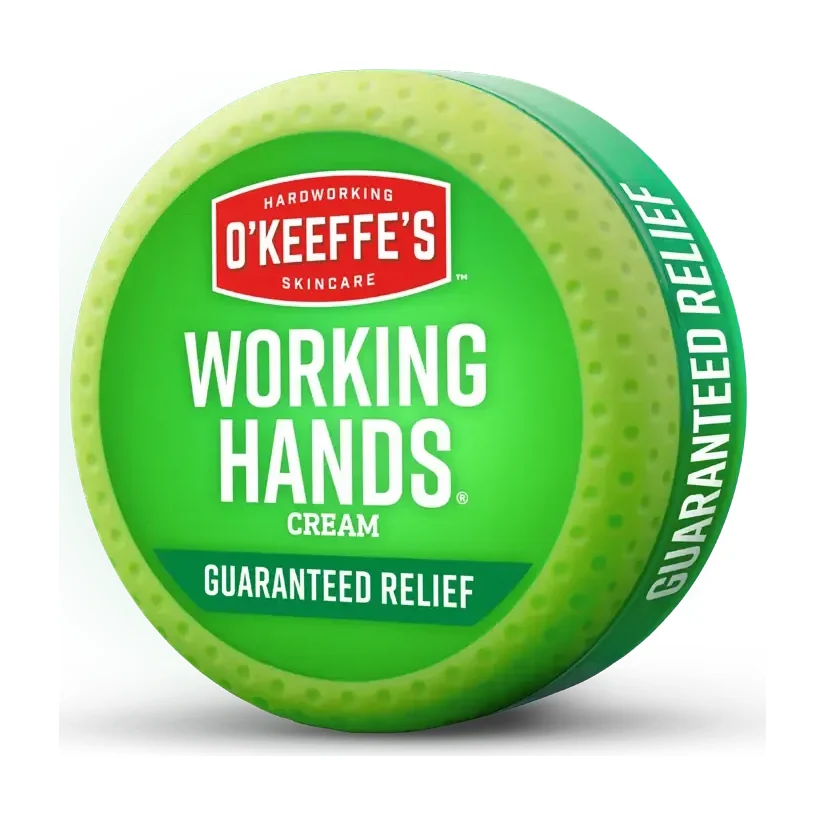 The Original Cracked-Hands Fix
 Working Hands Hand Cream
The hand cream that built an empire from a kitchen and a father's cracked hands. Nearly three decades later, Working Hands remains America's best-selling hand cream for one simple reason — a 13-ingredient formula that does exactly what it promises, every single time, for the price of a coffee.
Key Glycerin · Allantoin
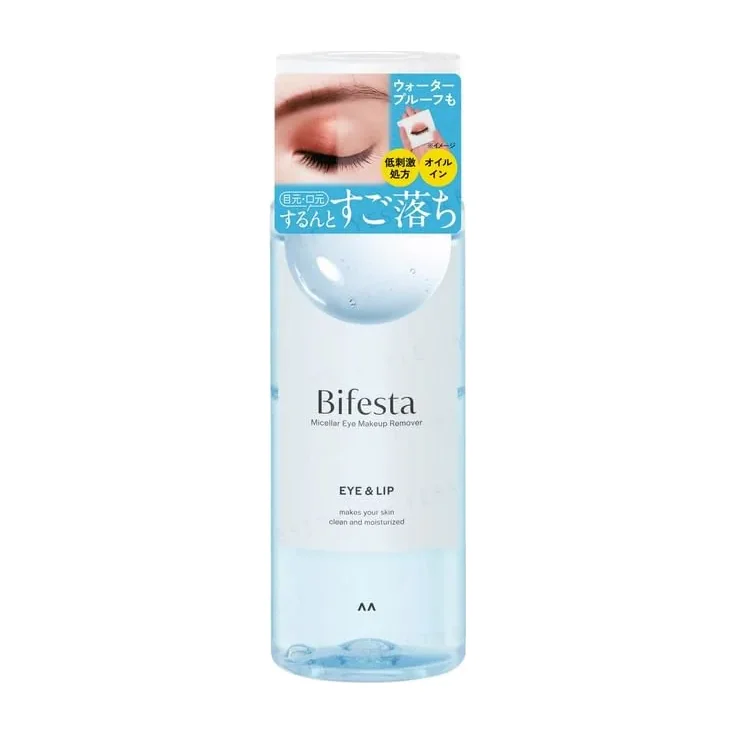 Waterproof-Mascara MVP
 Eye Makeup Remover
Bifesta's bi-phase Eye Makeup Remover is the specialist your micellar water calls when it gives up: an oil-and-water formula that melts waterproof mascara and long-wear liner with a few seconds of pressing and almost no rubbing, conditioned with panthenol and vitamin E. It leaves a slight oily film and has a touch of alcohol, but for the toughest eye makeup at a drugstore price, it's a cult favorite for good reason.
Key Mineral Oil · Dimethicone
 KP Treatment Specialist
 KP Bumps Be Gone Lotion
A no-nonsense, dermatologist-backed KP treatment that delivers on its core promise: smoothing stubborn keratosis pilaris bumps with a potent 15% lactic acid formula. The small tube and premium price sting almost as much as the first application, but for people who've tried every scrub on the shelf, this chemical approach actually works.
Key Lactic Acid · Petrolatum
The full mineral oil (paraffinum liquidum) guide
Mineral oil is a highly purified, colorless oil refined from petroleum, listed as Paraffinum Liquidum outside the US.
Few ingredients have been criticized so loudly by clean-beauty marketing while remaining such a steady dermatologist favorite. It forms a light film on the surface that slows water loss, sinking nowhere and reacting with nothing, which is why it suits even very reactive skin. It's a staple of cleansing balms, baby oils, body lotions and barrier creams, and its pore-clogging reputation belongs to a different, industrial grade.
Where the evidence stands, by concern
Evidence for an ingredient is not one grade — it differs concern by concern. Each row below was researched separately against regulatory approvals, clinical guidelines, and trials our team opened and verified; the band and dots rank how central mineral oil (paraffinum liquidum) is to treating that concern, from first-line therapy down to supportive care, at treatment-level doses and vehicles. A product's own grade weighs its actual formula.
How it's regulated in the US
FDA does not classify ingredients — it classifies products, by what they are sold to do. The same molecule can be a drug active in one product and a cosmetic ingredient in the next, and only the claim on the label decides which. What follows is a statement about that legal standing, not about whether it works — the evidence question is answered separately above.
OTC drug active Mineral oil needs 50 percent to be a drug active on its own, or 30 to 35 percent alongside colloidal oatmeal. A serum listing it fifth is not making a drug claim and could not.
- skin protection OTC monograph 50 to 100 percent; 30 to 35 percent in combination with colloidal oatmeal
Generally recognized as safe and effective under an FDA order — marketed without FDA approval
Permitted label wording “Temporarily protects minor cuts, scrapes and burns; Helps prevent and temporarily protects and helps relieve chafed, chapped or cracked skin and lips”
Mineral oil has been examined mainly as a surface film: how much it slows water loss, how it softens dry skin, and whether the refined cosmetic grade clogs pores or passes into the body. Reviews drawing on human and animal data address the pore-clogging question, and studies in children with eczema have compared it with other oils. A recurring theme is the difference between highly refined cosmetic grades and crude industrial material, which is where most safety worries began. For how the dryness question stands, the evidence panel lower on the page has the details.
How it works
A highly purified liquid hydrocarbon mixture derived from petroleum distillation, mineral oil works exclusively at the skin's surface — its large, inert molecules do not cross the stratum corneum in any meaningful quantity. Instead, they form a semi-occlusive film across the outermost layer. That film slows the passive outward diffusion of water vapor (transepidermal water loss), effectively trapping the skin's own moisture beneath it. The hydration boost that follows isn't because mineral oil adds water; it's because it keeps the water already present from evaporating. This same surface action explains its emollient quality. By settling into the microscopic gaps between corneocytes — the flattened dead cells of the stratum corneum — it temporarily smooths texture and softens the rough, scaly look of dry or compromised skin. And because it carries no bioactive components (no fatty acids, ceramides, peptides, or vitamins), it doesn't react with skin chemistry or other actives. That inertness is exactly why it ranks among the most hypoallergenic moisturizing ingredients in the pharmacopeia. The cosmetic grade undergoes extensive refining to strip trace contaminants, including polycyclic aromatic hydrocarbons, which sets it categorically apart from industrial-grade material. This refined form turns up in pharmaceutical barrier products, neonatal skincare, and wound care precisely because its non-penetrating predictability makes it well-tolerated across sensitive populations.
Key benefits
- Helps dry, flaky skin hold on to its own moisture
- Rarely irritates, even on very reactive skin
- Smooths the rough, scaly look of dry patches
- Lifts makeup away gently in cleansing balms
- Stays stable alongside other skincare actives
Concentration & usage
Mineral oil appears across a wide range depending on the product. Leave-on body creams and barrier ointments may run it at 30–80% of the formula; facial moisturizers and cleansers more often sit around 5–20%. On an INCI list it reads as "Mineral Oil" (US labeling) or "Paraffinum Liquidum" (EU/international). Light mineral oil has lower viscosity and is favored in lotions and cleansing oils for spreadability, while heavier grades (often blended with paraffin wax) anchor lip balms and ointments. There is no defined minimum effective concentration — even modest amounts contribute occlusive benefit — and no pH dependence, since mineral oil stays stable across the full cosmetic pH range.
Who it's for & who should be cautious
Who it's for
Anyone wrestling with chronically dry, flaky, or barrier-compromised skin tends to benefit most — mineral oil delivers reliable, predictable moisture retention without the sensitization risk some plant-based oils carry. It is a smart pick for eczema-prone or reactive skin that has reacted badly to fragrant botanicals before. And for those who find heavier occlusives like petrolatum too thick for daily wear, lighter-viscosity mineral oil grades offer a comfortable middle ground in body lotions, cleansing balms, and nighttime barrier products.
Who should be cautious
People with active, inflammatory acne should be a little cautious using it on the face — not because mineral oil is inherently comedogenic (the evidence says it isn't), but because any occlusive film can trap sebum, makeup residue, and debris underneath if the skin isn't cleansed thoroughly first. Those prone to fungal acne (Malassezia folliculitis) should likewise take care, since occlusion in general can aggravate that condition. There's also an environmental angle: mineral oil is a petrochemical byproduct with poor biodegradability, so shoppers who prioritize sustainably sourced formulas may reasonably look elsewhere even though the dermatological safety profile holds up.
Pairs with & conflicts
Pairs well with: Glycerin, Ceramides, Petrolatum (Petroleum Jelly), Dimethicone, Panthenol (Pro-Vitamin B5), Colloidal Oatmeal, Shea Butter, Fatty Alcohols
Myths & facts
Myth: Mineral oil clogs pores and causes acne
Reality: A 2005 DiNardo review in the Journal of Cosmetic Dermatology concluded that cosmetic-grade mineral oil is noncomedogenic in humans, drawing on combined animal and human data plus AAD guidance. The pore-clogging reputation traces back to industrial-grade mineral oil — a chemically distinct, unrefined material never used in skincare. The real-world caveat is that any occlusive can trap debris if applied over un-cleansed skin, which is a technique issue, not a property of the oil.
Myth: Mineral oil is absorbed into the skin and accumulates in the body
Reality: The hydrocarbon molecules in cosmetic-grade mineral oil are too large to penetrate the stratum corneum to any meaningful degree. They stay on the surface, which is exactly what makes the ingredient effective as an occlusive and reassuring from a systemic-exposure standpoint. Accumulation concerns relate to very-short-chain hydrocarbons and to mineral oil ingested in food-grade products — not to topical cosmetic-grade material.
Myth: Natural plant oils are always safer or better than mineral oil
Reality: Plant oils are complex blends of free fatty acids, triglycerides, and bioactive compounds that can trigger allergic contact dermatitis or oxidize into irritants. Mineral oil is chemically inert with one of the lowest sensitization rates of any cosmetic ingredient — a real clinical advantage for compromised or reactive skin. 'Natural' and 'safe' aren't synonyms, and several plant oils carry higher documented sensitization rates than refined mineral oil.
Frequently asked questions
Can I use a mineral-oil product on my face every day?
For most skin types, yes — cosmetic-grade mineral oil is non-irritating, non-sensitizing, and was found noncomedogenic in published review. Daily use in facial moisturizers and cleansing balms is long-standing, with no known long-term safety concerns. The one group that should take extra care is people with active acne, not because mineral oil itself triggers breakouts but because its occlusive film can trap sebum and debris over incompletely cleansed skin.
How does skincare mineral oil differ from the industrial kind?
Completely different purity. Cosmetic-grade mineral oil must meet USP (United States Pharmacopeia) or BP (British Pharmacopeia) standards, which require contaminants like polycyclic aromatic hydrocarbons to be removed down to trace levels. Industrial-grade material skips that refinement and can retain PAHs linked to carcinogenicity — the basis for concerns that simply don't apply to the cosmetic grade. When a label reads 'Mineral Oil' or 'Paraffinum Liquidum,' you're getting the refined pharmaceutical version.
Will mineral oil help eczema or a damaged skin barrier?
There's clinical evidence it can. A 2014 randomized controlled trial in the International Journal of Dermatology (n=117 children with atopic dermatitis) found that twice-daily mineral oil over 8 weeks cut disease severity scores by over 38% and meaningfully lowered transepidermal water loss. It won't rebuild the barrier the way ceramides or fatty acids do — it contributes no structural lipids — but as an occlusive that holds moisture in, it offers real symptom relief.
Why does mineral oil keep landing on 'ingredients to avoid' lists?
Largely marketing, amplified by clean beauty messaging that equates 'petrochemical-derived' with 'unsafe.' The reflex against petroleum-sourced ingredients is understandable but isn't borne out by the toxicology for cosmetic-grade mineral oil. Decades of pharmaceutical use in wound care, neonatal skin protocols, and dermatology long predate those objections. The genuinely valid concerns — poor biodegradability and petrochemical sourcing — are environmental rather than dermatological.
Does mineral oil block other skincare from absorbing?
In theory, laying down a heavy occlusive film first could slow water-soluble actives, which is why mineral oil generally belongs toward the end of a routine rather than the start. In practice, most mineral-oil moisturizers are designed to go on after serums, and the concentrations used don't form an impermeable seal. Cleansing balms actually exploit this property, using oil-loving chemistry to dissolve and lift makeup and debris during a double cleanse.
Is mineral oil okay to use while pregnant?
Topical cosmetic-grade mineral oil is generally considered safe in pregnancy; it doesn't absorb through intact skin, so there's no meaningful systemic exposure. It's routinely used in neonatal and pediatric products, which speaks to the confidence pediatric dermatologists and regulators place in its profile. Running any new product past your own healthcare provider during pregnancy is still sensible practice.
- J-BeautyIf Your Cleansing Oil Never Turns White, You Are Rinsing It Off WrongJapanese bottles print an instruction that Western packaging drops in translation — and skipping it is behind most of the complaints that cleansing oils leave a film, clog pores, and fail to remove sunscreen.
- Clean Beauty & MarketingThe App Scoring Your Moisturiser a 7 Has Never Seen the FormulaYuka's published rule is that the single worst ingredient sets the score. Not how much of it there is, not what it does in that base — its presence. Here is why that is a defensible design choice and a bad safety verdict.
- Clean Beauty & Marketing'Hypoallergenic' Means Whatever the Brand Decided It MeansA federal court struck down the only attempt to define it — not because the science was wrong, but because nobody could prove what shoppers thought the word meant.
- DIY & At-HomeCoconut Oil Is Genuinely Good at One Job and Genuinely Bad at AnotherIt beat mineral oil in a randomised eczema trial and it still breaks out a lot of faces. Both are true, and the usual explanation for the second one is wrong.