The science
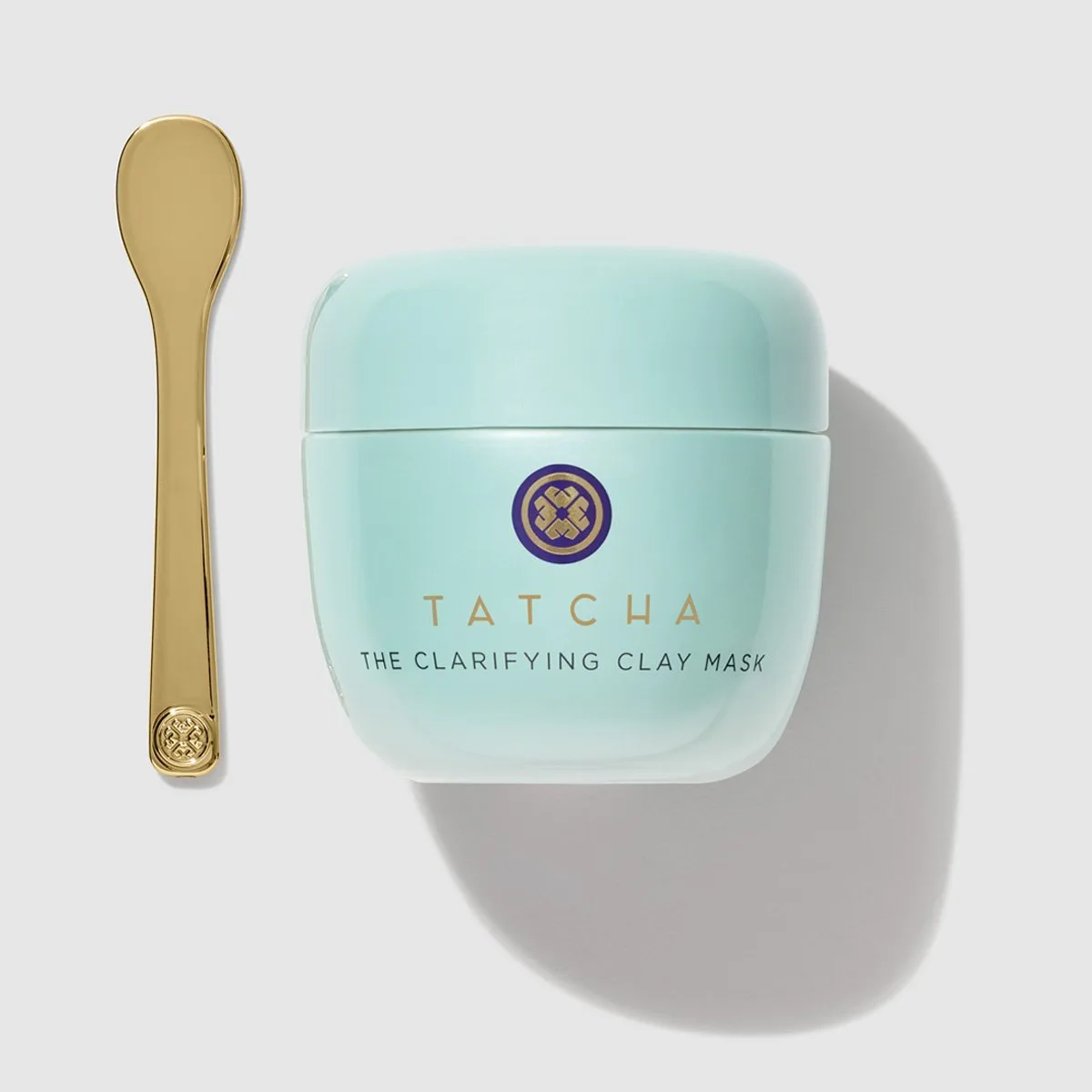
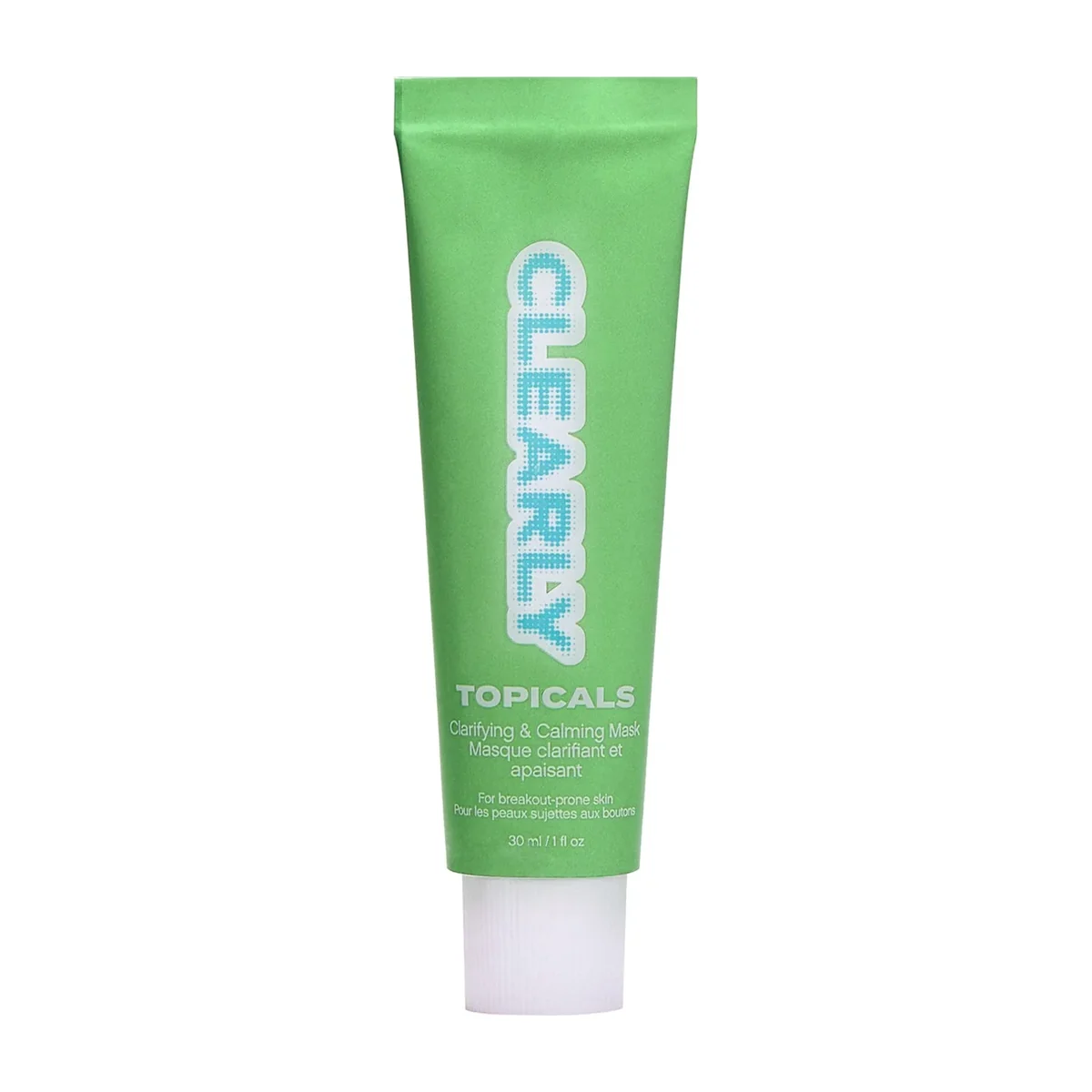
This mask leans on two complementary, well-evidenced mechanisms. Clays such as kaolin and bentonite are long established for their ability to adsorb sebum and surface debris, which is why clay masks remain a staple for oily and congested skin. Layered onto that is a short-contact dose of alpha-hydroxy acids — glycolic, lactic and mandelic — plus the polyhydroxy acid gluconolactone, all extensively studied for smoothing texture, loosening pore-clogging material and improving the look of photoaged skin; delivering them in a rinse-off format limits contact time, which reduces the irritation potential relative to leave-on acids. Niacinamide, prominent here, has strong support for reducing sebum, improving the appearance of pores and reinforcing the barrier, and azelaic acid is well validated for both blemishes and post-inflammatory hyperpigmentation, making it the logical bridge for skin that's marking from breakouts. Zinc salts add reasonable evidence for sebum modulation and soothing. The synergy that distinguishes this product is the pairing of deep-cleansing clay with brief acid resurfacing and azelaic acid in a single weekly step, so oily, aging, blemish-prone skin gets decongestion and mild renewal together. The weak link, as across Filorga's range, is the proprietary NCEF tail of amino acids and vitamins at the bottom of the list, for which robust evidence of topical anti-aging benefit at trace levels is lacking. The honest read: results come from established clay and acid chemistry, not the branded complex.