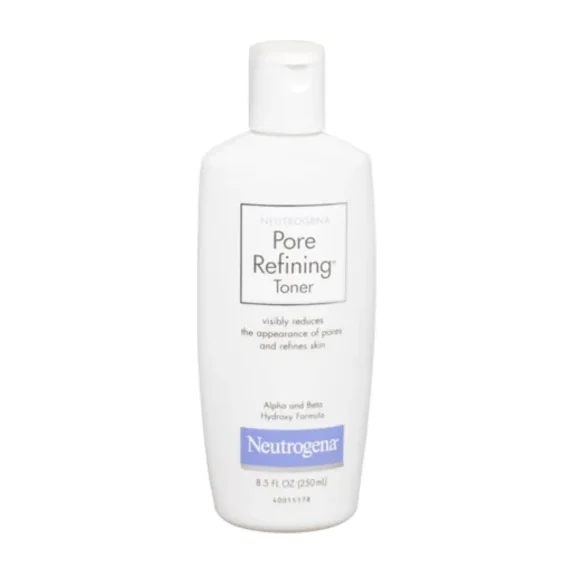
There was a time, not so long ago, when a toner meant exactly one thing: an alcohol-soaked astringent you swept over your face after cleansing to feel really, truly clean. That category has largely been replaced by hydrating, essence-style toners packed with humectants and gentle actives, but a few survivors from the old guard are still on the shelf, and this is one of them. The Olay Cleanse Toner is a time capsule, and reviewing it fairly means judging it against what it actually is, a cheap astringent, rather than against the treatment toners that have moved the genre forward. On those terms, it is honest about its job, even if that job is one most skin types no longer need.
The ingredient list is refreshingly, almost startlingly, short, and it tells you everything. After water comes SD alcohol, then witch hazel, then a little aloe and allantoin, a touch of menthyl lactate for that cooling sting, fragrance, and two colorants to give it its tinted look. That is essentially the whole formula. The alcohol and witch hazel are the working duo, and together they do exactly what an astringent is supposed to do: dissolve and lift away surface oil, leaving skin feeling matte, tight, and squeaky-clean within seconds. For someone with genuinely oily skin who loves that stripped-clean sensation, especially in hot, humid weather, the effect is immediate and, in a narrow sense, satisfying.
The problem is that the very mechanism that makes it feel effective is also its biggest liability. SD alcohol is a fast-evaporating solvent that degreases enthusiastically, and on oily skin in summer that can feel great, but it does not discriminate; it pulls moisture from the skin as readily as it pulls oil. On normal, dry, or combination skin, that translates to tightness, flaking, and a compromised barrier over time. Witch hazel adds its own mild astringency, the menthyl lactate brings a cooling tingle that some people mistake for efficacy, and the fragrance and dyes are pure cosmetic extras that add irritation potential without adding benefit. The aloe and allantoin are there to soften the blow, and they help a little, but they are a small soothing footnote on an otherwise drying formula.
It is worth being clear about what this toner does not do, because the modern expectation of a toner is so different. It does not hydrate in any lasting way, it does not deliver antioxidants or treatment actives, and it does nothing to address aging, tone, or texture over time. The pore-tightening it produces is temporary, a transient effect of the astringent that fades within hours and has nothing to do with permanently changing pore size, which is largely genetic. If you are looking for a toner to nourish or treat your skin, this is simply the wrong product, not because it is poorly made for its purpose, but because its purpose is narrow and dated.
It also helps to understand why this style of toner felt necessary in the first place. Decades ago, cleansers were harsher and often left a residue, so an alcohol-based swipe genuinely had a cleanup role to play, lifting the last of the grime and any leftover soap film. Modern cleansers rinse far more cleanly, which is a big part of why the astringent step became redundant; the job it was invented to do mostly does not exist anymore. Viewed in that light, this toner is not so much a bad product as a solution to a problem that better cleansing has largely solved. Who, then, is it for? The honest answer is a fairly specific person: someone with genuinely oily, resilient, non-sensitive skin who wants an inexpensive way to feel freshly degreased, perhaps after a workout or on a sweltering day, and who follows it promptly with a good moisturizer to put back what the alcohol takes out. Used that way, sparingly and on the right skin, it is a harmless cheap thrill. The cooling, matte finish is genuinely pleasant on oily skin, and the enormous bottle costs next to nothing and lasts for ages, so the value, on its own terms, is real.
For nearly everyone else, though, it is a pass. Sensitive, rosacea-prone, dry, and barrier-compromised skin should steer well clear, because the alcohol, menthol, fragrance, and dyes are a stack of common irritants with little upside. Even oily skin can overdo it, and the temptation to chase that stripped-clean feeling daily can leave skin paradoxically producing more oil as it tries to compensate for being dried out. The old idea that a toner should make your skin feel tight has aged poorly, and this product is a monument to it.
My recommendation lands honestly skeptical but not dismissive. This is a competent example of an obsolete category. If you specifically want a bracing, old-fashioned astringent for very oily skin and you know exactly what you are getting, it does the job cheaply and lasts forever, and there is no shame in liking that clean feeling. But if you are building a modern routine, or your skin is anything other than robustly oily, your money and your face are far better served by a hydrating, alcohol-free toner or simply by skipping the toning step altogether. The witch hazel nostalgia is real, but skincare has moved on, and for the most part it moved on for good reasons.