Beeswax (Cera Alba)
Products with Beeswax (Cera Alba)
 No-Nonsense Lip SPF
 Lipscreen Broad Spectrum SPF 50
A lip sunscreen that behaves like a sunscreen: maximum-dose avobenzone stabilised by octocrylene, SPF 50, no flavour, no scent, no white cast, thirteen dollars. It is drier and less cushiony than a petrolatum balm and the tube goes fast with proper reapplication, but for real UVA-and-UVB protection on the most sun-exposed skin on your face, few sticks are this honest.
Key Avobenzone · Homosalate
 Four-Dollar Lip SPF
 SPF 30 Sunscreen Lip Balm in Citrus Crush
A full-strength, properly stabilised SPF 30 lip balm with a drug facts panel, no white cast and a $4 price, from a brand that has been telling its customers to protect against sun-driven darkening for fifteen years. Peppermint oil and limonene in a flavoured stick are the tolerability catch, the hyaluronic acid is a wax-stick footnote, and the Cool Mint is the same formula. For daily lip protection this is a very easy buy.
Key Avobenzone · Octocrylene
 Aussie SPF Essential
 Lip Balm SPF 50+
A legitimate SPF 50+ lip balm at a drugstore price, powered by the stricter Australian sunscreen regulations Bondi Sands operates under. The peppermint and beeswax exclude some users, but for anyone serious about actually protecting their lips from sun damage, this is one of the easiest wins on the market.
Key Avobenzone · Castor Oil
 Drugstore Hydration Hero
 Hydro Boost Gel-Cream
The moisturizer that proved hyaluronic acid belongs in the drugstore aisle. Neutrogena's Hydro Boost Gel-Cream delivers genuine, lasting hydration in a lightweight, fragrance-free formula that dry and sensitive skin can trust. With 60,000+ reviews and a National Eczema Association seal, the evidence is not theoretical — it is overwhelming. The jar packaging remains its biggest flaw.
Key Hyaluronic Acid · Dimethicone
 Reliable Skin Repair Staple
 Healing Ointment
A near-bulletproof petrolatum healing ointment — 71.5% petrolatum, the gold-standard occlusive, with shea butter and vitamin E and a texture less greasy than plain petroleum jelly. Cheap, effective, exceptionally gentle, and genuinely useful for chapped and cracked skin. It simply is not a product for oily facial skin.
Key Petrolatum · Shea Butter
 Cetaphil's Plant-Oil Cream
 Nourishing & Hydrating Oil-Infused Body Cream
The first Cetaphil body cream built on plant oils rather than petrolatum: sunflower oil second on the list, almond oil ninth, a wax occlusive and enough silicone to keep it from feeling like oil. It is simple, fragrance-free and effective on very dry limbs. It has no humectant beyond glycerin, no track record beyond 2026, and a price above the brand's classic cream, which still holds water better on cracked skin.
Key Sunflower Oil · Sweet Almond Oil
 Cult Classic Multi-Balm
 Balm Dotcom
Balm Dotcom is an honest, effective occlusive balm that does exactly what it promises — seal moisture in and keep dry, cracked lips at bay. The formula is dead simple and proven, but the price asks you to pay a premium for the Glossier name on what is fundamentally a petrolatum-lanolin balm.
Key Petrolatum · Lanolin
 Occlusion, Nothing Else
 Working Hands Cuticle Repair
No active ingredient, no claims, and it still outperforms most of what surrounds it on the shelf. Petrolatum and beeswax under silicones and film-formers, aimed squarely at split fingertips and cracked nail folds. Unscented, lanolin-free, and close to unreactive. The greasiness is real, and it is the entire cost of what it does.
Key Petrolatum · Beeswax
 Upgraded Petroleum Jelly
 911 Ointment
A petrolatum ointment made pleasant: 55 percent petroleum jelly loosened with sunflower, coconut and jojoba oils, shea, cupuaçu and beeswax, with a monograph dose of allantoin and no fragrance or preservative. It heals chapped lips, cracked heels and chafed skin as well as the drugstore jelly it improves on, spreads better, and costs about fifteen times as much per ounce. Good product, luxury price, small tube.
Key Petrolatum · Allantoin
 Pocket Horse-Oil Hand Saver
 Mayu Hand Cream
A cheap, pocket-sized hand cream that works for the most traditional reasons: glycerin draws water in, while mineral oil, stearic acid and beeswax seal it there. The horse oil gives the tube its identity and a softer feel, but it is a supporting ingredient rather than the star. Added fragrance keeps it off the list for eczema-prone hands.
Key Glycerin · Mineral Oil
 Cracked-Skin Rescue Salve
 Golden Dry Skin Salve
Lanolips' Golden Dry Skin Salve takes the brand's superb lanolin and aims it at the body: a rich, multi-use rescue balm that pairs skin-lipid-mimicking lanolin with humectant glycerin and antibacterial manuka honey to genuinely soothe and seal cracked hands, feet and dry patches. It's greasy by design and lanolin isn't for everyone, but for truly parched, weather-beaten skin, it works.
Key Lanolin · Honey
 Beeswax-Borax Cold Cream
 Bee Pollen Night Cream
A genuine beeswax-and-borax cold cream built on peanut oil and petrolatum that seals very dry skin overnight as well as any modern occlusive, and that has not been reformulated since the era that made it: peanut oil third, a perfume containing EU-banned lilial, a formaldehyde releaser, parabens and four dyes, with the pollen a trace at the end. Effective for dry skin that tolerates all that; an allergy list for everyone else.
Key Plant & Seed Oils · Petrolatum
 Cold-Cream Eye Balm
 Chamomile Eye Cream
A beeswax-borax cold cream for the eyes built on peanut oil, mineral oil and petrolatum, fragrance-free and genuinely effective as an overnight seal for very dry under-eyes, with a trace of chamomile for the name and a trace of retinyl palmitate for the label. Peanut oil third in an eyelid product, a formaldehyde releaser, parabens and borax make it the wrong choice for the sensitive skin it is sold to, and a plain petrolatum does the same job with none of them.
Key Petrolatum · Plant & Seed Oils
 Dry Skin Workhorse
 Skin Repair Body Lotion
A no-nonsense body lotion that does exactly what it promises: intense, long-lasting hydration for genuinely dry and damaged skin. It won't win any beauty awards for its formula or packaging, but when your skin is cracked, itchy, and miserable, this is the lotion that actually fixes it — and at a price that doesn't add insult to injury.
Key Glycerin · Dimethicone
 100-Year-Old Anthroposophic Heritage Balm
 Skin Food
A 100-year-old iconic anthroposophic skincare balm built around substantial plant oils (sunflower, sweet almond), lanolin and beeswax with anthroposophic medicinal botanicals (viola, rosemary, chamomile, calendula). The brand heritage and documented effectiveness for severely dry skin patches are genuine strengths. The substantial fragrance load (5 named EU fragrance allergens plus parfum) and lanolin content sharply limit suitability — this is a targeted dry-patch treatment rather than a broadly recommendable daily moisturizer. Within the specific audience it serves, Skin Food earns its century-long cult status.
Key Plant & Seed Oils · Lanolin
 Skin Food, Lip-Sized
 Skin Food Lip Butter
The 1926 Skin Food recipe in an 8ml lip tube: sunflower oil, lanolin second, beeswax third, the four botanicals and the scent. That makes it one of the most effective natural repairs for cracked lips on the shelf, glossy, long-wearing and cheap. The essential-oil fragrance, rosemary and alcohol matter more on lips than anywhere else Weleda uses them, and a real minority tingle, burn or peel. Most people will love it; reactive lips should not try it.
Key Sunflower Oil · Lanolin
 Kid-Approved Roll-On
 Kids Roll On Sunscreen Lotion SPF 50
A smart behavioral trick wrapped around a genuinely good formula: Coppertone's gentle, fragrance-free 24% zinc oxide mineral sunscreen, dispensed through a roll-on ball and tinted blue so kids will actually apply it themselves. The chemistry is excellent and identical to the brand's mineral lotions; the small size and slow coverage are the price of the novelty.
Key Zinc Oxide · Beeswax
 Athletic Sport SPF Standard
 UV Sport Broad-Spectrum SPF 50
EltaMD's body-positioned, sport-engineered sunscreen — the brand's strongest water-resistant SKU at the best per-ounce value in the line. SPF 50 with 80-minute water resistance and a triple UV filter system makes UV Sport reliable for outdoor athletes, swimmers, and prolonged sun exposure. Not the right choice for daily face wear or for pregnant or reef-safe use cases, but for its target athletic use, it's the brand's most consistent recommendation.
Key Zinc Oxide · Octinoxate
 Old-Guard Zinc Block
 Physical UV Broad Spectrum SPF 32
An 18.5 percent zinc block from another era, written into the Nu-Derm regimen so that hydroquinone-and-tretinoin faces got the deepest UVA floor a mineral can give, and still delivering exactly that. It is thick, waxy, white and hard to get out of the tube, its base carries comedogenic esters and two parabens, and the brand's own reviewers give it one star; melasma patients who understand the zinc keep buying it anyway, and they are not wrong.
Key Zinc Oxide · Dimethicone
 Minimalist Protective Balm
 Organic Magic Balm
The best-formulated skincare product in the Dr. Bronner's range — a refreshingly minimalist balm of organic beeswax and five nourishing oils, no alcohol, no fillers, and (in the unscented version) no fragrance. It soothes and protects dry, chapped, eczema-prone skin genuinely well, lasts forever, and costs little. The only real caveats: the beeswax rules out vegans, and it's too rich for an all-over oily face.
Key Beeswax · Avocado Oil
 Generous Instructions, Modest Tube
 Ice Plant Body Care Lotion
A fragrance-free, glycerin-forward body lotion with the ice plant at a serious dose, a light enough lipid stack to go on all over and a dry, comfortable finish — genuinely pleasant on dry, unreactive skin. Ethanol, lanolin and beeswax make it a gamble for the atopic skin on its label, and the price makes it impossible to use as instructed: $50 for 145 ml of a product that asks to be applied generously to the whole body every day is two to three weeks of lotion.
Key Botanical Extracts · Glycerin
 Apothecary Lotion, Squalane First
 Ultra Facial Moisturizer
A squalane-first, beeswax-sealed, fragrance-free lotion that moisturizes dry and normal skin dependably and feels richer than its texture implies. It contains no active, no SPF and nothing modern, congests some breakout-prone faces, and costs forty-two dollars for a formula an apothecary could have mixed a century ago, which is both its charm and its limit.
Key Squalane · Glycerin
 Cracked Lip Rescue
 Cicaplast Levres Lip Balm
The lip balm your dermatologist would prescribe if lip balms came on prescription pads. With 5% panthenol, 10% shea butter, and zero fragrance, the Cicaplast Levres is a genuine lip treatment that heals cracked, damaged lips rather than just glossing over the problem. Expensive per ounce, but a little goes a long way.
Key Panthenol · Shea Butter
 Sensitive-Skin Emulsion Step MVP
 Amino Moist Charge Milk
The most comprehensive ingredient list in Minon's Amino Moist range — eleven amino acids, squalane, beeswax, phytosteryl emollient ester, and the brand's signature carnosine, all in a fragrance-free milk emulsion. Pairs cleanly with the Charge Lotion family to complete a fully Minon-anchored sensitive-skin routine. The 100g size at premium pharmacy-brand pricing is the main value flag.
Key Amino Acids · Squalane
 The Family Urea Lotion
 ATO Lotion Blue Label
One of the better-reasoned drugstore-priced body lotions around: glycerin and 5 percent urea up top, a skin-identical fatty-acid base instead of silicones, no fragrance, and a pump bottle under twenty dollars that a whole household can share. It stings on broken skin like every urea product and it lacks the ceramides the brand saves for pricier lines, but for dry, flaky, itchy body skin it does exactly what the evidence says it should.
Key Urea · Glycerin
 Handbag Hour-Eight Rescue
 The Serum Stick
Eighty percent squalane in a twist-up stick: the simplest formula in Tatcha's range and the one that solves a real, unserved problem — skin that dries out at hour eight, far from the bathroom shelf, over finished makeup. The 'serum' name is a costume and the price is a luxury tax on emollient physics, but the format earns its bag space honestly; this is skincare for the part of the day skincare forgot.
Key Squalane · Beeswax
 Glass Skin Cream
 Ceramic Cream
TIRTIR Ceramic Cream is one of the more thoughtfully formulated K-beauty barrier creams in the under-$30 tier — a rich, glossy moisturizer with two identical-to-skin ceramides, polyglutamic acid, and a multi-extract botanical complex that delivers genuine glass-skin finish. Best for dry, normal, or barrier-compromised skin; too rich for most oily users (try the Light version). The post-viral price bump stings, but the formula earns its slot.
Key Ceramides · Polyglutamic Acid
 Winter Hands Rescue
 Cold Cream Concentrated Hand Cream
A genuinely repairing hand cream that revives the classic cold cream base and upgrades it with Avène's soothing sucralfate. Rich and protective without staying greasy, it is a standout for cracked, chapped, weather-beaten hands. The main reservations are the added fragrance and a price that sits above drugstore tubes.
Key Beeswax · Glycerin
 Galen's Recipe, Nursery Edition
 ABCDerm Cold-Cream Face and Body
Galen's oil-and-beeswax recipe rebuilt for infants — mineral oil, glycerin, beeswax and almond oil in a mild sugar-ester emulsion — that protects wind-chapped cheeks and rough winter hands for under ten cents a millilitre. It is a classic done properly; its two caveats are equally classic, a fragrance on a leave-on baby cream and a nut-derived oil, and they are enough to send eczema-prone and nut-allergy families elsewhere.
Key Beeswax · Glycerin
 Heritage Hydration Mask
 Hydrating Cream Mask
A four-decade-old German hydration mask built around quince seed mucilage at the second INCI slot, with a four-plant-oil lipid base, propolis-rose wax preservation system, and the brand's signature herbal aromatic complex. The lanolin, propolis, wheat, and extensive natural-fragrance allergen panel together exclude a meaningful number of users; for everyone else, the multi-day hydration aftereffect is the genuine differentiator that earns the heritage status.
Key Botanical Extracts · Sunflower Oil
 Non-Greasy Daily Hand Cream
 Hydrating Hand Cream
A light, fast-absorbing natural hand cream that softens dry, hard-working hands without leaving a greasy film, built on marshmallow, glycerin and gentle plant oils. The drawbacks are familiar for the brand: peanut oil and a long fragrance-allergen list narrow who can use it, and twenty-six dollars is steep for a small tube.
Key Botanical Extracts · Sweet Almond Oil
 Light Ginseng Day Cream
 Ginseng Moist Cream
A light, comfortable glycerin, dimethicone and rice bran oil day cream with beeswax for body and a ginseng extract at a modest position for the name, that hydrates normal and dry skin well and sets satin under makeup for eighteen dollars. It has no SPF in a product sold for the day, and a fragrance, a formaldehyde releaser and two parabens date it; the base is one of the nicer light creams in the brand's old range, and the name is the least of what it does.
Key Glycerin · Rice Bran Oil
 Pumpable Cold Cream, Scented
 Nourishing Lotion with Cold Cream
Cold cream you can pump one-handed: beeswax and hydrogenated coconut oil for a light overnight film, sunflower oil and glycerin for barrier support and hydration, and a ceramide-plus-precursor pair at the tail that at least gets the chance to work in a leave-on. It softens everyday dry baby skin quickly and pleasantly. The whole-body, all-night fragrance is what stops it being the dry-skin lotion for atopic or sensitive babies, and the ceramides are a smaller dose than the label implies.
Key Beeswax · Sunflower Oil
 The Aloe Gel's Lotion Step
 Soothing & Moisture Aloe Vera 80% Emulsion
A thin, milky, inexpensive aloe lotion that hydrates combination skin comfortably through a warm day and asks nothing of the user — light esters and glycerin doing the work over an 80 percent aloe-juice base, with just enough beeswax to hold it in. It is generic once the aloe number is discounted, it is fragranced despite the soothing label, and it is too light for dry skin in winter and too ester-heavy for some acne-prone faces. As the middle step of a cheap aloe routine it makes sense; as a moisturiser on its own merits it is fine and forgettable.
Key Aloe Vera · Emollient Esters
 Honey Winter Comfort
 Ultra Comforting Face Balm
A soft, honey-scented beeswax balm rebuilt in 2026 as a lighter squalane emulsion, and it does exactly one thing well: takes the tight, drawn feeling out of dry skin and keeps it out. There are no actives and no anti-aging pretensions, the fragrance rules out the most reactive faces, and combination skin will find it heavy. For dry skin in winter, at $42, it is an easy yes.
Key Honey · Squalane
 Pocket Panda Hand Rescue
 Panda's Dream Hand Cream
A better hand cream than a panda-shaped jar has any right to be: shea butter second, glycerin third, niacinamide seventh and beeswax for staying power, in a rich, non-greasy cream that survives a couple of washes. The honey and bamboo are decoration, the fragrance rules out the most reactive hands, and 30g for twelve dollars is the real catch.
Key Shea Butter · Glycerin
 No-Mess Chapped-Lip Fix
 Lip Repair Stick
A clean, no-fuss twist-up balm that delivers Aquaphor's chapped-lip repair without the finger-dipping mess of the classic ointment. The castor-oil-and-beeswax base is genuinely comforting, fragrance-free, and cheap. It wears off faster than a heavy occlusive and won't thrill anyone wanting a thick petrolatum seal, but for everyday dryness it just works.
Key Castor Oil · Beeswax
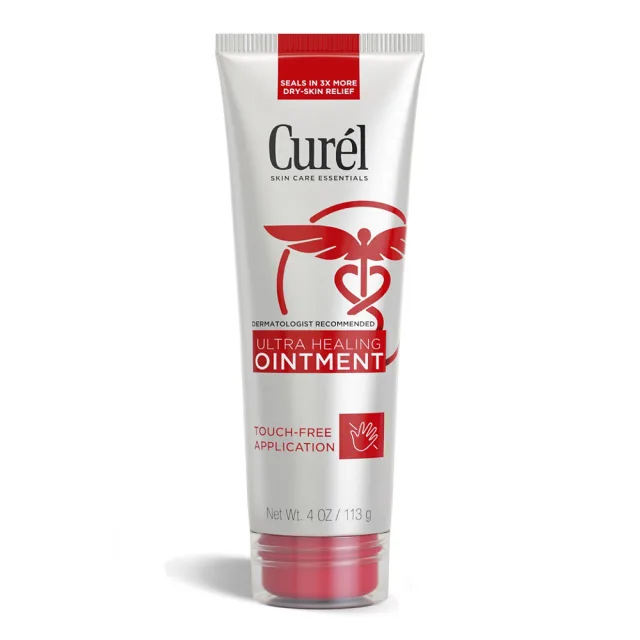 Petrolatum-Free Healing Ointment
 Ultra Healing Ointment
A genuine, ceramide-rich healing ointment — with an actual ceramide (ceramide NP), not just Curel's 'ceramide function' concept — that seals and repairs dry, cracked, barrier-compromised skin, fragrance-free and preservative-free, with a hygienic touch-free applicator. It's made petrolatum-free for those who want it (a preference, not a clinical upgrade), and it's rich, so it's for the body and dry patches, not oily faces. At around $9, it's a kind, effective, affordable barrier-repair ointment.
Key Ceramides · Beeswax
 Iconic Sphere Lip Balm
 Original Sphere Lip Balm
The egg-shaped sphere that turned lip balm into a 2010s cultural object is still a genuinely competent product underneath the gimmick — a 100% natural shea-and-oil balm sealed with beeswax and carnauba for a smooth, cushiony, non-waxy glide. Fun, affordable, and broadly gentle, with flavor sensitivity and the non-vegan beeswax as the only real caveats.
Key Shea Butter · Beeswax
 Petrolatum-Free Overnight Butter
 Buttermask For Lips Overnight Treatment
A petrolatum-free, lanolin-free overnight lip mask built on a tacky plant adipate, three butters, three waxes and coconut oil, that leaves lips softer and smoother by morning and divides users on its gummy feel. Fragrance-free and gentle, well-suited to flaky rather than cracked lips, and priced at luxury levels for ten grams in a finger-dipped jar. Good at what it does; not the category's best value.
Key Emollients · Shea Butter
 Medical Fragrance-Free Lip Balm
 Remederm Lip Balm
A quietly excellent medical lip balm: rich shea, jojoba and squalane emollients sealed under beeswax, with soothing bisabolol and antioxidant vitamins, all kept fragrance-, flavor- and preservative-free. It relieves and heals badly chapped lips fast and suits even sensitive lips. The single caveat is peanut oil, which the peanut-allergic must avoid.
Key Shea Butter · Beeswax
 No-Wipe Lip Scrub
 2 in 1 Lip Balm & Scrub Aloe Vera
A clever, gentle answer to the lip-scrub-in-a-pot: starch granules in a standard Nivea beeswax, castor and shea balm that buff away flakes for a few seconds, dissolve, and leave an ordinary moisturizing film with nothing to wipe off. It is mild enough for daily use, too mild for badly flaky lips, flavoured and dyed, and increasingly hard to find in the US at a normal balm price; a smart small product whose aloe is decoration.
Key Starches & Absorbent Powders · Castor Oil
 Sephora Lip Balm Staple
 Maracuja Juicy Lip Balm
Tarte's tinted conditioning lip balm does the one thing it sets out to do — add gloss, color, and emollient cushion to the lips in a single swipe — and does it well. The flavor is either a feature or a dealbreaker depending on your tastes, and the price is steep for 2.7 grams, but for Sephora-tier tinted lip balms it's a fair pick.
Key Plant & Seed Oils · Castor Oil
 Overnight Lip Rescue
 Eight Hour Cream Intensive Lip Repair Balm
An excellent overnight occlusive, shea ahead of petrolatum with real omega lipids in a pot balm that genuinely holds through a night, wrapped in a menthol-camphor-turpentine tingle and a fragrance declaring ten allergens that have no business on cracked lips. The many people who tolerate it swear by it for good reason; the minority who do not are exactly the people the balm claims to help. At $38 for ten grams it is pricey but long-lasting.
Key Shea Butter · Beeswax
 French Pharmacy Icon
 Lait-Crème Concentré
The quiet seventy-five-year-old French pharmacy cream that somehow still deserves its reputation. Lait-Crème Concentré is a barrier-rebuilding moisturizer that moonlights as one of the best makeup primers ever formulated, built around shea butter, beeswax, almond oil, aloe, and allantoin — simple, effective, and unchanged for decades. Parabens and fragrance are the main asterisks.
Key Shea Butter · Sweet Almond Oil
 French Pharmacy Lip Staple
 Protective & Nourishing Lip Balm
A clean, plant-oil-and-wax lip balm that protects and softens chapped lips without relying on petrolatum. It glides on light, wears comfortably, and doubles as a smoothing lipstick base. The only real catch is the added fragrance and a price a notch above the drugstore tubes it functionally rivals. A reliable, broadly flattering little stick.
Key Shea Butter · Beeswax
 Overnight Lip Rescue
 Ginger Sugar Overnight Lip Mask
A genuinely effective, affordable overnight lip treatment: rich shea and murumuru butters sealed under a proper beeswax-and-candelilla occlusive layer that leaves chapped lips noticeably smoother by morning. The warm ginger-sugar scent is part of the charm, though the added fragrance means very sensitive lips should be cautious, and the ginger itself is more about the experience than the results.
Key Shea Butter · Murumuru Butter
 Luxury Splurge
 Crème Ancienne Eye Cream
An indulgent oil-and-beeswax eye balm that genuinely softens and cushions dry under-eyes, wrapped in the Crème Ancienne's botanical fragrance and heritage. But it's a nourisher, not a treatment — no retinoids, peptides, or brightening actives — and at $125 for 15g, with a fragrant-oil load that includes several allergen markers, it's hard to recommend on anything but sensory grounds.
Key Jojoba Oil · Beeswax
 Cult Organic Multitasking Balm
 Wild Rose Beauty Balm
A genuine cult object — a 99.6% organic, multitasking rosehip-and-plant-oil balm that cleanses, masks, and moisturizes, leaving dry skin soft and glowing, beloved by beauty editors for two decades. Its lovely aromatherapeutic essential-oil blend is both the signature appeal and the main limitation: it carries multiple fragrance allergens that make it unsuitable for sensitive skin, and the beeswax means it isn't vegan.
Key Rosehip Oil · Jojoba Oil
 Everyday Lip Staple
 Original Moisture Lip Balm
A likeable, no-nonsense everyday lip balm built on jojoba and shea that softens chapped lips with a light, non-greasy feel and costs almost nothing. It does exactly one thing well: moisturize. The main caveats are the fragrance-and-allergen load and the complete absence of SPF.
Key Jojoba Oil · Shea Butter
 The Pink Pot
 Moisturizing Rose Lip Balm
Nuxe's famous pot balm rebuilt in pink: sunflower oil, shea and beeswax in a lighter, silkier balance than the honey original, tinted with gromwell root and scented with vanilla and rose. It comforts dry lips well and looks pretty doing it, but it is not vegan despite the Very Rose halo, its fragrance includes isoeugenol, and $20 is the top of the pharmacy range for a lip balm.
Key Sunflower Oil · Shea Butter
 French Pharmacy Icon
 Rêve de Miel Ultra-Comforting Lip Balm
A French pharmacy icon that earns its cult status on the strength of a genuinely thoughtful honey-propolis-shea repair formula, not nostalgia. It's the best answer in Nuxe's range for chapped corners and winter-wrecked lips, provided you can live with the fragrance and the jar.
Key Honey · Shea Butter
 Derm Office Staple
 Lip Defense SPF 30
A genuinely SPF 30 broad-spectrum lip balm — not the SPF 15 tokenism the category usually settles for — in a comfortable wax-and-oil base that actually holds up during daily wear. Under $10, dermatologist-developed, and a small but meaningful upgrade to almost anyone's routine.
Key Titanium Dioxide · Shea Butter
 Luxury Lip Indulgence
 Essential Lip Serum Stick
The Essential Lip Serum Stick is a genuinely lovely luxury lip treatment with reliable shea-and-beeswax bones, the brand's signature herbal complex, and the heavy weighted packaging Sulwhasoo does so well. At $45 you're paying mostly for the experience and the object itself — the formula is competent but not categorically better than a $5 drugstore balm.
Key Shea Butter · Beeswax
 Century-Brand Beeswax Stick
 Everon Lip Balm
A five-ingredient beeswax-and-jojoba stick that has been Weleda's lip balm for decades, does the job well, and costs under nine dollars. The rose-vanilla scent is the point for its loyalists and the problem for reactive lips — eight declared allergens on the most sensitive skin on the face. Not vegan, no SPF, nothing clever, and nothing wrong for ordinary chapped lips that like it.
Key Jojoba Oil · Beeswax
 Wax Glove, No Perfume
 Ice Plant Hand Cream
An unfragranced, wax-forward hand cream — Japan wax, bayberry wax and beeswax over avocado, babassu and sesame oils — that gives dry hands a satin glove lasting a wash or two, with the ice plant juice at a serious dose and lanolin at a token one. Ethanol at position four is the flaw on cracked or eczematous hands, and $30 for 50 ml is dear for the category. The best hand cream Dr. Hauschka makes, for the hands that can take the alcohol.
Key Botanical Extracts · Beeswax
 Diaper Rash Barrier Staple
 Diaper Rash Cream 1 2 3
A high-strength 9.9% zinc oxide diaper cream that protects and soothes in one fragrance-free step, pairing a near-maximum barrier active with Mustela's avocado oil and sunflower distillate to nourish irritated skin rather than just sealing it. Effective, gentle, and fairly priced for an OTC protectant — the main quibbles are a thick, hard-to-wipe texture and the small tube.
Key Zinc Oxide · Avocado Oil
 Fragrance-Free Sensitive-Skin Almond Cream
 Almond Soothing Facial Cream
Weleda's dedicated sensitive-skin facial cream — structurally minimalist (9 ingredients), genuinely fragrance-free (rare for the brand), built around sweet almond oil. The natural-skincare positioning combined with genuine fragrance-free formulation is the formula's distinguishing strength. Almond allergy is a real concern; beeswax excludes vegan use; the minimalist composition trades formulation complexity for ingredient simplicity. For users wanting Weleda's natural-skincare credibility without the brand's typical fragrance load, this earns its position.
Key Sweet Almond Oil · Plant & Seed Oils
 Weleda Sensitive Care (Almond Soothing Variant)
 Sensitive Care Face Cream
The US-market naming variant of Weleda's Almond Soothing Facial Cream — same structurally minimalist fragrance-free sensitive-skin formula built around sweet almond oil, marketed under the 'Sensitive Care' label rather than the 'Almond Soothing' label. The dedicated sensitive-skin positioning, genuinely fragrance-free composition (rare for Weleda), and 9-ingredient minimalism are the strengths. Almond allergy is a real concern; beeswax excludes vegan use; the formula lacks modern barrier-supportive complexity. For Weleda fans wanting the brand's natural-skincare credibility without the typical fragrance load, this earns its position.
Key Sweet Almond Oil · Plant & Seed Oils
 Natural Origin Anti-Wrinkle Cream
 Renewal Anti-Wrinkle Moisturizing Cream
Burt's Bees Renewal Anti-Wrinkle Cream is the cream-format companion to the Burt's Bees Renewal serum line — bakuchiol + rich emollient base (sunflower oil + decyl cocoate + beeswax) + vitamin E + HA at $17.99 in 99% natural origin formulation. Multiple essential-oil allergens; beeswax means not vegan.
Key Bakuchiol · Sunflower Oil
The full beeswax (cera alba) guide
Beeswax is the wax honeybees make to build their honeycomb, and it's been sealing in moisture in cosmetics for thousands of years — long before anyone had the word occlusive.
On skin it softens with body heat into a breathable film that slows water loss while smoothing rough, dry patches. Most of the time it's doing structural work in lip balms, sticks and body butters, holding the oils around it in place. On labels it reads as Cera Alba, the bleached white form, or Cera Flava, the natural yellow one.
How it's regulated in the US
FDA does not classify ingredients — it classifies products, by what they are sold to do. The same molecule can be a drug active in one product and a cosmetic ingredient in the next, and only the claim on the label decides which. What follows is a statement about that legal standing, not about whether it works — the evidence question is answered separately above.
Cosmetic Beeswax (Cera Alba) is a cosmetic ingredient in the US: no OTC monograph covers it and it is not an active in any FDA-approved drug, so a product built around it is a cosmetic rather than a drug.
Beeswax has mostly been looked at as a film on the skin, asking how it slows water loss and softens dry, rough patches. Reviews pull that work together alongside lab findings on its activity against some microbes, which doesn't automatically carry over to real skin. Studies of beeswax for eczema or psoriasis usually test it mixed with honey and olive oil, so beeswax's own part is hard to separate. Allergy is its own thread, studied through patch testing, and it tends to travel with an allergy to propolis, the resin bees also make.
How it works
Beeswax is a biological wax that honeybees secrete to build honeycomb. Its composition is dominated by long-chain esters (commonly cited at roughly 70–80%), with the balance made up of hydrocarbons, free fatty acids, and small amounts of propolis-derived material. That ester-heavy makeup is what gives it useful behavior on skin. Warmed by body heat, the wax softens and spreads into a continuous but microporous layer. Rather than sealing the surface completely the way petrolatum does, this film is semi-occlusive — it slows water loss while still allowing some vapor exchange. The free fatty acid fraction, largely palmitic and stearic acids, blends with the lipids already in the stratum corneum and smooths over microscopic surface irregularities, which is the emollient, skin-softening side of the effect. Inside a formula, beeswax also pulls structural duty. It raises the melting point of oil-rich blends, turning what would otherwise pool as a liquid into a solid or semi-solid that holds its shape at room temperature — the reason a lip balm survives a warm pocket. That structural job is separate from any skin benefit, so beeswax earns its spot as both a texture-builder and a genuine contributor to barrier support. Its mild antimicrobial reputation, attributed partly to trace propolis constituents, shows up mainly in laboratory testing; whether those levels do anything measurable in a finished cosmetic is far less certain.
Key benefits
- Seals in moisture with a breathable, flexible film
- Softens rough, dry and chapped patches
- Gives balms and sticks their solid, slideable shape
- A cold-weather staple for lips, hands and elbows
- Comfortable on dry and sensitive skin
Concentration & usage
In lip balms and body sticks, beeswax usually lands at roughly 10–30% by weight — the structural range needed for a solid, slideable texture. In facial moisturizers and body creams it works at much lower levels, often around 1–5% and well down the INCI list, where it lends body and emolliency without dominating the feel. There is no agreed minimum "active" dose for barrier benefit; its contribution is most noticeable when it sits among the top 5–7 ingredients. On the label you'll see Cera Alba (white/bleached) or Cera Flava (yellow/unrefined) — both perform the same on skin, with the color difference reflecting bleaching rather than any change in lipid behavior.
Who it's for & who should be cautious
Who it's for
Dry, very dry, and sensitive skin types tend to benefit most, and it suits the chronic dryness of eczema-prone or compromised-barrier skin especially well. If you reach for lip care in cold or arid weather, you're almost certainly already relying on it. It's also a smart pick for occlusive-style nighttime body treatments and hand creams, where staying power matters more than a featherlight finish.
Who should be cautious
Anyone with a confirmed propolis allergy should approach beeswax cautiously, since the two are linked: a 2019 Contact Dermatitis study (Nyman et al.) found beeswax-specific contact allergy in a meaningful share of patients presenting with cheilitis or facial dermatitis, and many also reacted to propolis. (Notably, how much propolis actually carries over into purified beeswax appears inconsistent, so the cross-reaction is a real but not universal risk — patch testing settles it.) Oily and acne-prone skin may find that thick, balm-style formulas with beeswax in the 15%+ range feel congesting, especially layered over other heavy occlusives. And because beeswax is a bee product, it isn't considered vegan by most standards.
Pairs with & conflicts
Myths & facts
Myth: Beeswax clogs pores and causes breakouts
Reality: Beeswax generally rates low (around 0–2) on comedogenic scales. Breakouts tend to track with the rest of a heavy formula and the total occlusive load applied to oily, congested skin, rather than beeswax behaving as a standalone pore-blocker.
Myth: If a product lists beeswax, you know what it does for your skin
Reality: Context decides everything. At 2% in a light lotion it's mostly a texture tweak; at 25% in a lip balm it's the main occlusive barrier. The mere presence of beeswax on a label tells you almost nothing about how the finished product will perform.
Myth: Beeswax is a real treatment for skin infections
Reality: Most antimicrobial evidence is in vitro and often comes from mixtures that include honey, which has its own documented activity. There's no good evidence that beeswax alone, at cosmetic concentrations, meaningfully treats bacterial or fungal infections in everyday use.
Frequently asked questions
Is it fine to use beeswax-based lip balm every single day?
Yes — beeswax has a long track record of daily lip use and isn't an irritant at typical concentrations for most people. The one thing to watch is propolis sensitivity: if you've reacted to propolis-containing products before, patch test on the inner arm before making it a daily habit.
What does 'Cera Alba' actually mean on an ingredient list?
Cera Alba is the INCI name for white, bleached beeswax. You might also spot Cera Flava, the yellow unrefined form. Both are beeswax and behave the same on skin; bleaching just removes the natural yellow tint and faint honey scent without changing the lipid profile.
Can beeswax stand in for petrolatum as an occlusive?
It comes close but doesn't fully replicate it. Petrolatum is more occlusive and forms a denser film, while beeswax leaves a semi-permeable layer that curbs water loss without sealing the skin entirely. For very cracked or compromised skin, petrolatum remains the stronger choice; for everyday protection on moderately dry skin, beeswax feels lighter and is often preferred.
Does beeswax genuinely help chapped lips heal, or does it just coat them?
A bit of both. The semi-occlusive film slows moisture evaporation from the lip surface so the skin's own repair can proceed, and its emollient fatty acids soften flaky, dry texture. What it doesn't do is regenerate tissue or add water itself — it protects what's there and limits further loss while the skin recovers.
Is beeswax vegan?
No. Bees secrete it to build honeycomb, which makes it animal-derived, and most vegan certifiers (including The Vegan Society) exclude it. Vegan-labeled products usually swap in carnauba wax (Copernicia Cerifera Cera), candelilla wax (Candelilla Cera), or rice bran wax to do the same structural job.
If I'm allergic to bee stings, can I still use beeswax skincare?
Most likely yes — a bee-venom allergy and beeswax sensitivity are separate things. Venom proteins aren't present in processed beeswax, and people with sting allergies generally tolerate beeswax products. The relevant caution is a known propolis allergy, a different bee-product sensitivity, where trace propolis residue could occasionally trigger a contact reaction.
- Clean Beauty & MarketingVegan, Cruelty-Free and Leaping Bunny Are Three Different Claims. Only One Is Audited.A lip balm can be certified cruelty-free and made largely of sheep wool grease and beeswax. Both statements are true, both are on the packaging, and most people buying it think they cancel out.
- Hands & NailsNail Strengtheners Sell Hardness. Your Nails Are Failing From Dryness.Cross-linking a brittle nail plate makes it harder — and a harder brittle nail snaps rather than bends, which is the exact opposite of what the bottle promised.