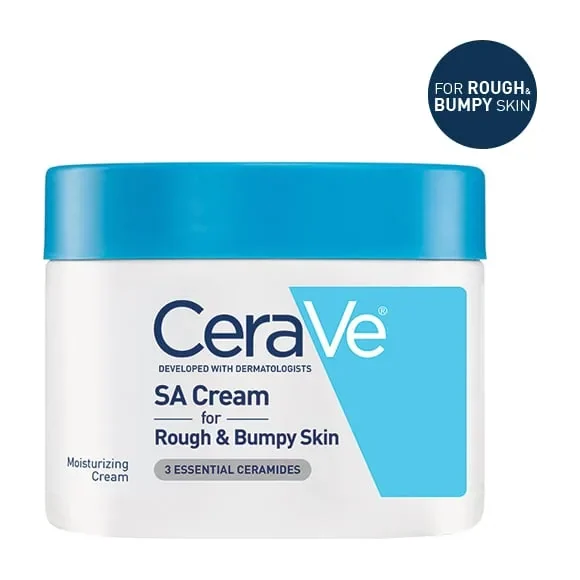
Keratosis pilaris does not care about your skincare routine. Those small, rough bumps — usually parked on the backs of upper arms, thighs, or buttocks — are caused by keratin plugs blocking hair follicles. They are stubborn, they are common (affecting roughly 40% of adults), and they have a frustrating habit of resisting whatever single-ingredient product you throw at them. Gold Bond's Rough & Bumpy Daily Skin Therapy Cream takes a different approach: instead of one acid at high concentration, it uses three acids at moderate concentrations, attacking the keratin plugs from three different directions simultaneously.
The triple-acid system is the defining feature of this formula. Gluconolactone — a polyhydroxy acid — leads the charge from the second position in the ingredient list. PHAs are the gentlest of the hydroxy acid family, with larger molecular size that limits penetration depth and reduces irritation. But gentle does not mean ineffective; gluconolactone provides surface exfoliation, humectant benefits, and antioxidant protection in a single molecule. Ammonium lactate brings the AHA contribution, dissolving dead skin cells through well-established keratolytic action. And salicylic acid, the lone BHA, adds oil-soluble penetration that reaches into the follicles where keratin plugs actually form.
This three-pronged approach matters because keratosis pilaris is not a surface problem. The bumps begin inside the follicle, where excess keratin hardens into a plug that pushes outward, creating the characteristic rough texture. A surface-only exfoliant can smooth the top of the bump but does not address the plug beneath. By combining surface exfoliation (gluconolactone), stratum corneum dissolution (ammonium lactate), and follicular penetration (salicylic acid), this formula addresses KP at every level of the problem.
The clinical data Gold Bond presents is unusually specific for an OTC body care product. After four weeks: 100% of participants saw a 74% reduction in bumps. After one week: 90% reported smoother, softer skin. These are clinical trial numbers, not consumer survey responses, and the specificity of a 74% reduction metric suggests actual measurement rather than subjective assessment. Manufacturer-funded research, yes, but consistent with the mechanism of action and corroborated by thousands of user reviews reporting visible improvement.
The base formula surrounding the triple-acid system is built for comfort. Shea butter and cocoa butter provide rich emollience that counteracts the drying potential of three exfoliating acids working simultaneously. Hydroxyethyl urea, the primary humectant, draws moisture into freshly exfoliated skin. Petrolatum and dimethicone seal everything in. The result is a cream that exfoliates aggressively beneath the surface while feeling moisturizing and protective on top — the biochemical equivalent of a velvet glove.
A constellation of botanical extracts adds a supplementary exfoliation layer. Lemon, orange, apple, and sugar cane extracts contribute additional fruit acids — essentially micro-doses of natural AHAs that complement the pharmaceutical-grade acids. Green tea extract and ginger root provide antioxidant defense for skin that is undergoing active cell turnover. These are not the headline ingredients, but they demonstrate a thoroughness of formulation that extends beyond the minimum.
The texture is rich — richer than most body lotions — and this is both a strength and a limitation. On the targeted areas where KP lives (upper arms, thighs, backs of legs), the thickness provides excellent coverage and contact time for the acids to work. But during warmer months, or on oily skin, that density can feel like too much. The cream also lacks the pump packaging that CeraVe and some competitors use, relying instead on a screw-top jar that introduces hygiene considerations with repeated use.
Fragrance-free formulation is essential here because AHA and BHA products increase skin sensitivity, and adding fragrance to already-sensitized skin would be counterproductive. Gold Bond makes this choice correctly, and the hypoallergenic, non-irritating certifications add reassurance for those using the product on large body areas daily.
The texture-pilling issue that some users report is worth acknowledging. On certain skin types or over certain base products, the cream can form small balls or clumps during application. This appears to be related to the polyacrylate crosspolymer interacting with specific surface conditions rather than a defect in the formula. Applying to clean, slightly damp skin and allowing full absorption before dressing minimizes this issue.
Value is strong but not exceptional. At roughly twelve to thirteen dollars for eight ounces, the price is competitive for a triple-acid body treatment. Prescription ammonium lactate 12% lotion (AmLactin's pharmaceutical equivalent) costs significantly more per ounce. The eight-ounce jar, used twice daily on targeted areas, typically lasts six to ten weeks — making the effective monthly cost roughly five to eight dollars.
The critical thing to understand about this cream — and about KP treatment in general — is that consistency is non-negotiable. The bumps do not disappear permanently; they return when treatment stops. This isn't a product failure; it is the nature of the condition. Keratin overproduction is ongoing, and without ongoing exfoliation, the plugs reform. Viewing this cream as a daily maintenance product rather than a cure sets the right expectations and leads to the sustained results that the clinical data promises.