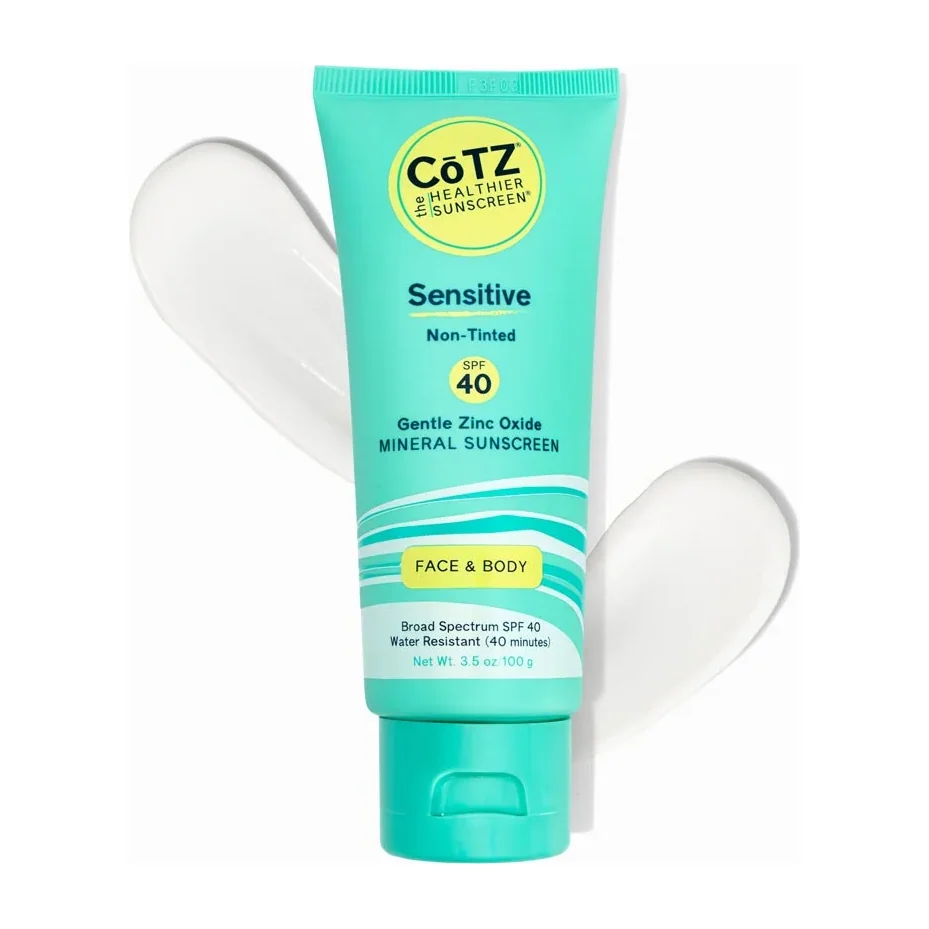
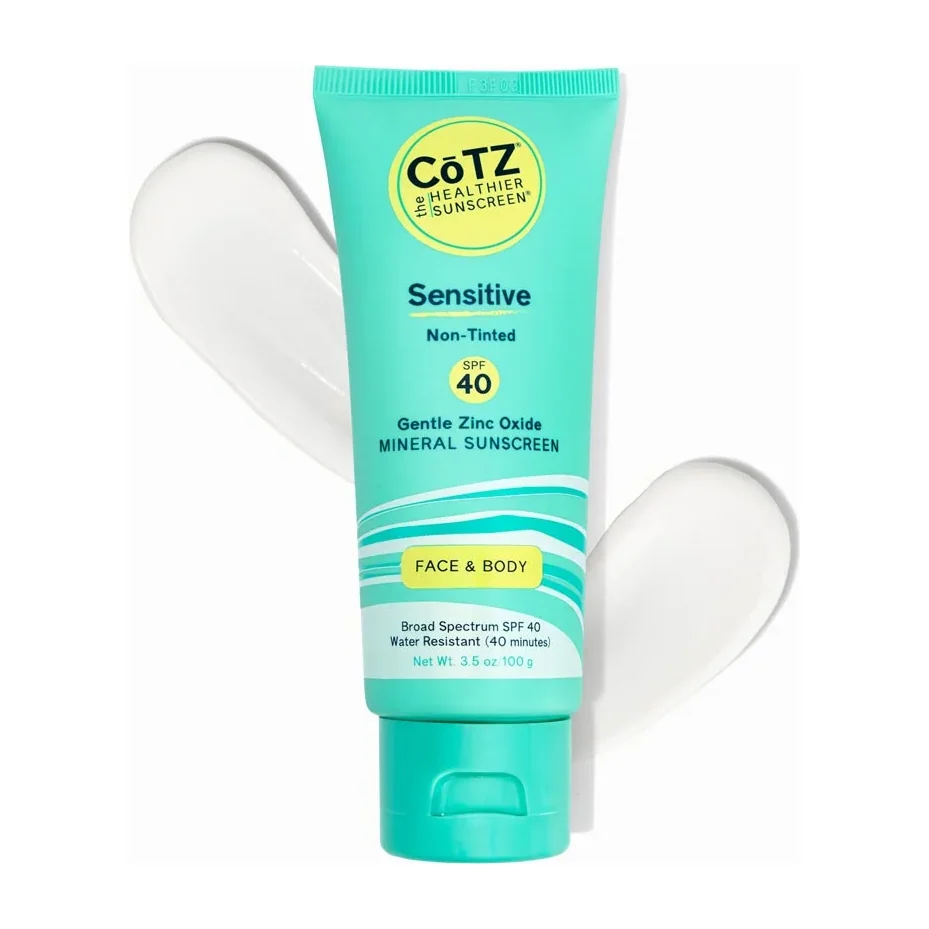
There is a tension at the heart of every mineral sunscreen: the more zinc oxide you add, the better the protection and the worse it looks on your face. Chemical UV filters dissolve invisibly. Zinc oxide sits on the surface and announces its presence with a white cast that ranges from 'subtle glow' to 'mime who forgot to finish their routine.' Vanicream's Sunscreen Broad Spectrum SPF 50+ lands firmly in the latter territory — and it doesn't apologize for it.
The 2021 reformulation made a deliberate choice: remove the titanium dioxide from the previous dual-mineral formula and rely entirely on zinc oxide at 12% as the sole active UV filter. This is an unusual approach. Most mineral sunscreens use a combination of zinc oxide and titanium dioxide to cover the full UV spectrum, with titanium dioxide handling the UVB range and zinc oxide providing broader UVA coverage. By going zinc-only, Vanicream simplified the formula and reduced one source of white cast — but at 12%, the remaining zinc oxide still makes its presence known. It's worth heading off a common objection here: that you can't reach SPF 50+ from a single mineral filter without chemical boosters. You can, and this formula proves it. The trick isn't the concentration so much as the vehicle — the salicylate esters (butyloctyl, isodecyl, and tridecyl salicylate) and the silicone crosspolymer lay down an even film that maximizes how efficiently the zinc oxide covers the skin.
The protection, however, is genuine. Zinc oxide is one of only two UV filters classified by the FDA as Category I — generally recognized as safe and effective — and it provides the broadest spectrum coverage of any single UV filter, extending into the long UVA I range where many chemical filters fall short. Research published in the Journal of the American Academy of Dermatology in 1999 demonstrated zinc oxide's superior photostability and UVA protection compared to other available filters. At SPF 50+, this formula is providing high-level protection through a single, well-studied ingredient. And while marketing loves the image of minerals bouncing UV off the skin like a mirror, the science is less cinematic: research has shown that zinc oxide and titanium dioxide protect primarily by absorbing UV (around 95%) and converting it to heat, with only a small fraction reflected — much the same mechanism as chemical filters. The 'physical barrier' framing is largely overstated.
The texture is this product's most polarizing feature. It's thick. It requires work to spread. The silicone crosspolymer helps somewhat with dispersibility, and the squalane prevents the dry, chalky feel that plagues some mineral sunscreens, but this is still not a cosmetically elegant product. It does not dry down to a matte finish. It stays somewhat tacky. It can pill under makeup. For users with oily skin, the dewiness crosses the line into greasiness, and the isopropyl isostearate means it isn't fungal-acne-safe.
But here's the thing: the people who need this sunscreen don't care about any of that. The person with perioral dermatitis who has tried six sunscreens and each one triggered a flare — they care about the ingredient list. The rosacea patient whose face turns crimson from the avobenzone in every chemical sunscreen — they care about the zinc oxide. The eczema sufferer who can't wear most sunscreens without itching and burning — they care about the absence of fragrance, botanical extracts, and chemical UV filters.
Allantoin is a thoughtful addition to the inactive ingredient list, providing genuine skin-soothing properties that complement the mineral filter and help calm residual irritation from sun exposure. Squalane serves as the primary emollient, keeping the formula from drying out the skin the way some zinc-only formulations can. A little lecithin rounds out the vehicle — and is the reason the formula isn't vegan.
The water resistance is rated at 80 minutes — the maximum the FDA allows — which makes this suitable for swimming, outdoor sports, and extended sun exposure, and it's reef-friendly certified. It doesn't sting the eyes, a common complaint with chemical sunscreens that run into the eyes when you sweat.
At around fifteen dollars for three ounces, the value is decent for a mineral SPF 50+, though the tube won't last long with proper daily application. Using the recommended quarter teaspoon for face and neck, you'll go through a tube in one to two months. This is standard for sunscreens but worth noting — sun protection isn't cheap when you use enough of it. One caveat that shapes the recommendation: the product has intermittent stock issues across retailers, and some specialty sites have marked it unavailable, which is a real concern for anyone who wants to rely on it daily. Its several thousand reviews average solidly and split exactly along its design — the non-irritating, sting-free protection is near-universally praised, the white cast and tacky, thick texture near-universally flagged.
Vanicream Sunscreen Broad Spectrum SPF 50+ is not trying to be the best-feeling sunscreen on the market. It's trying to be the most tolerable one. For skin that reacts to everything else, that distinction is more valuable than any matte finish or invisible application. You'll look a little white. You'll feel a little tacky. And your skin will be protected by a formula that has done everything possible to avoid causing harm.